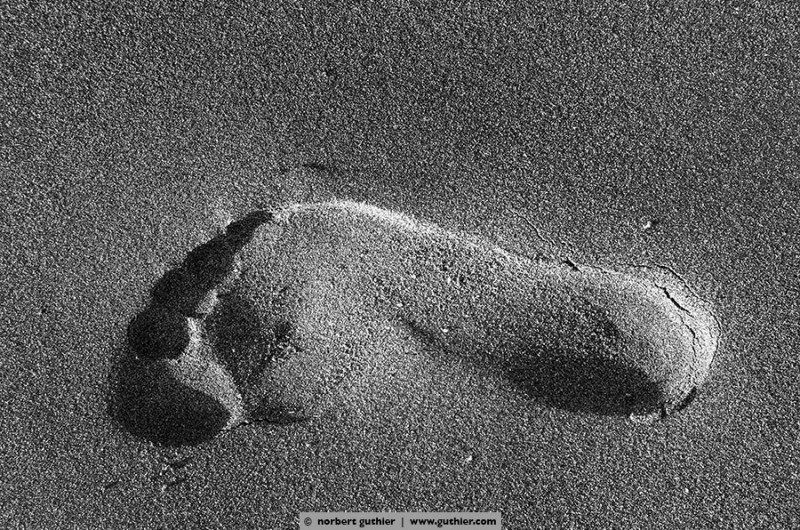
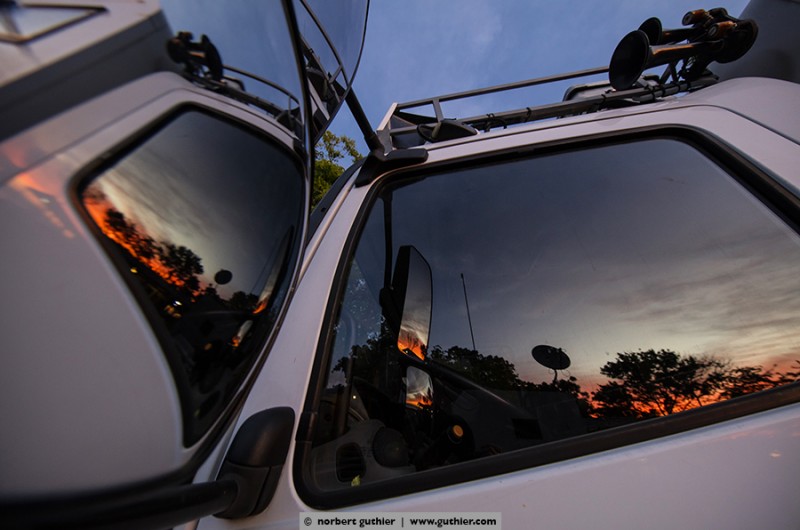
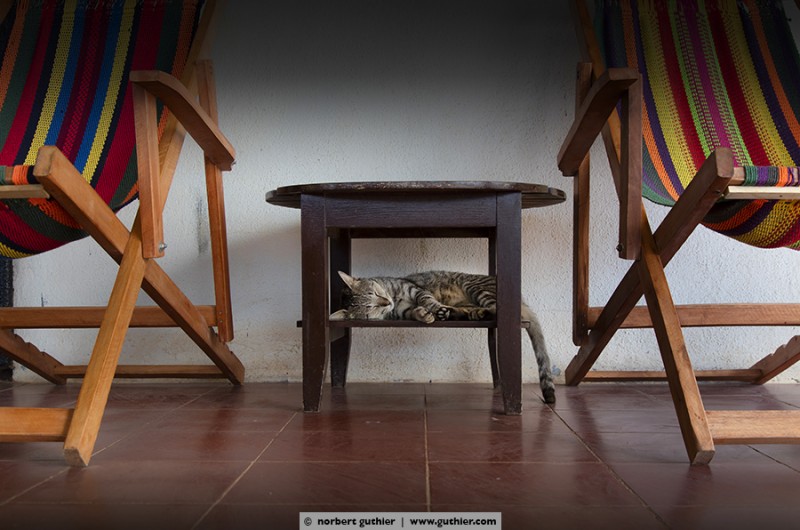
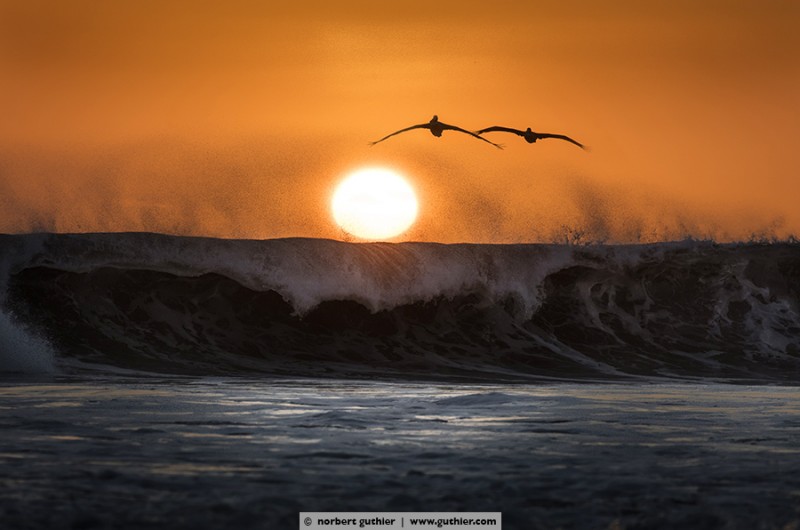
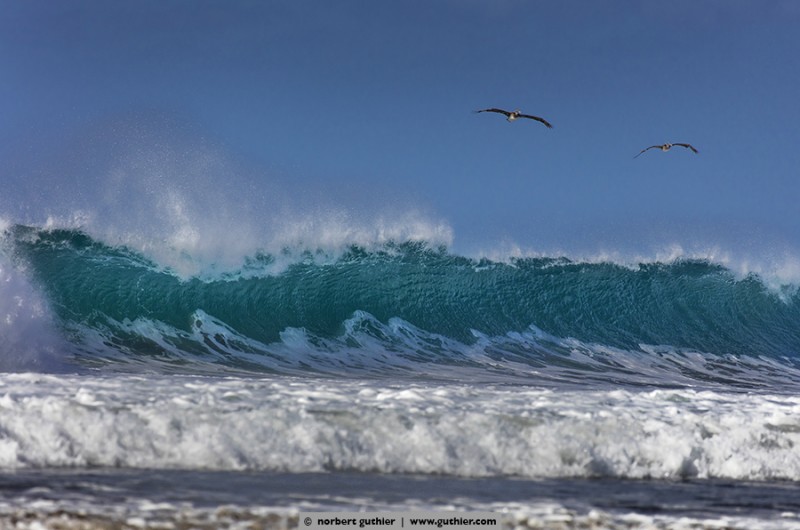
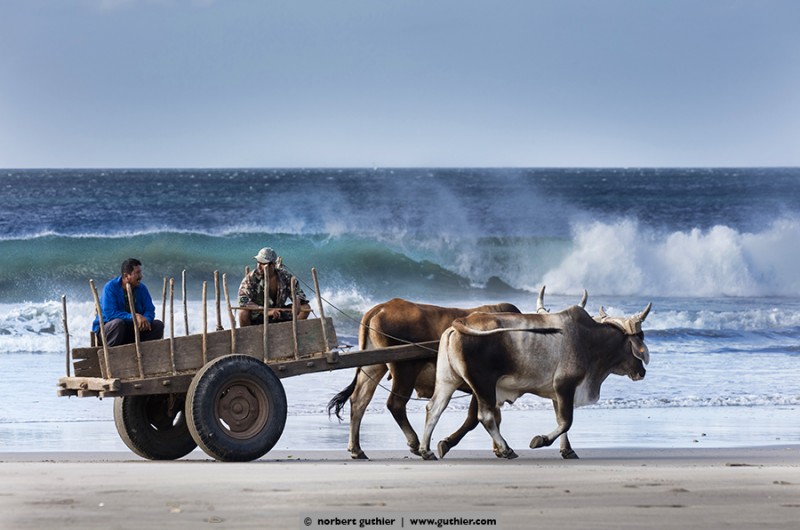
just a few pictures from popoyo beach / nicaragua
Comments ↓



just a few pictures from popoyo beach / nicaragua
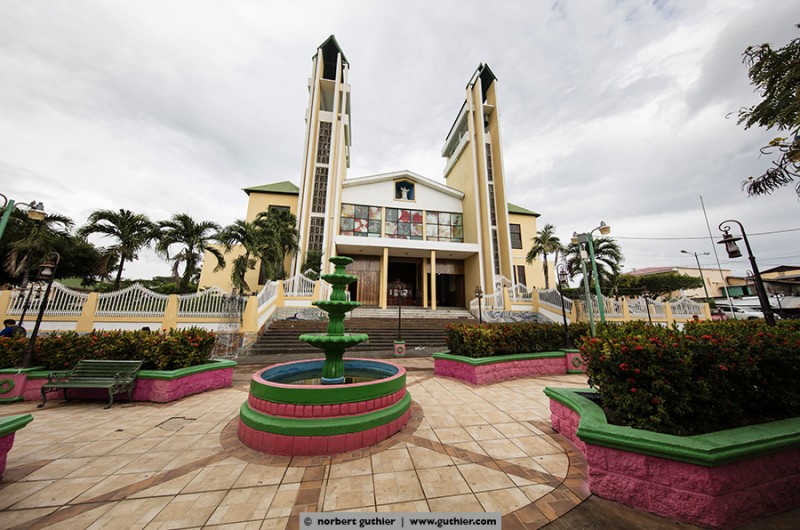
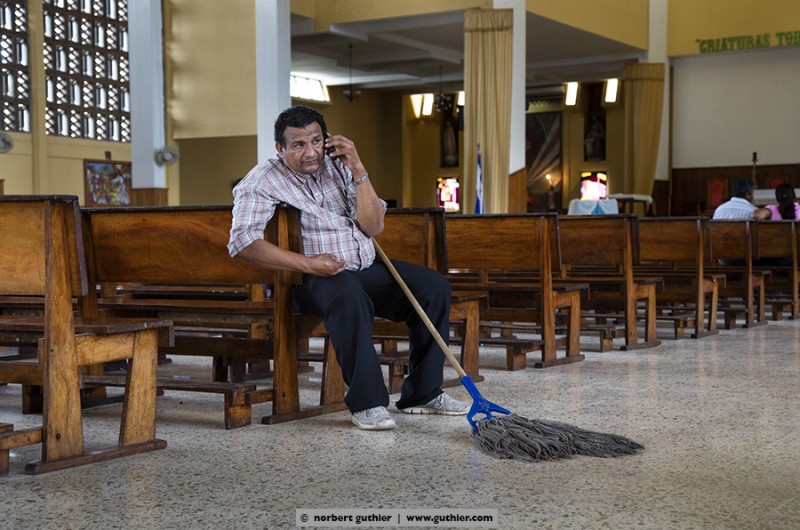
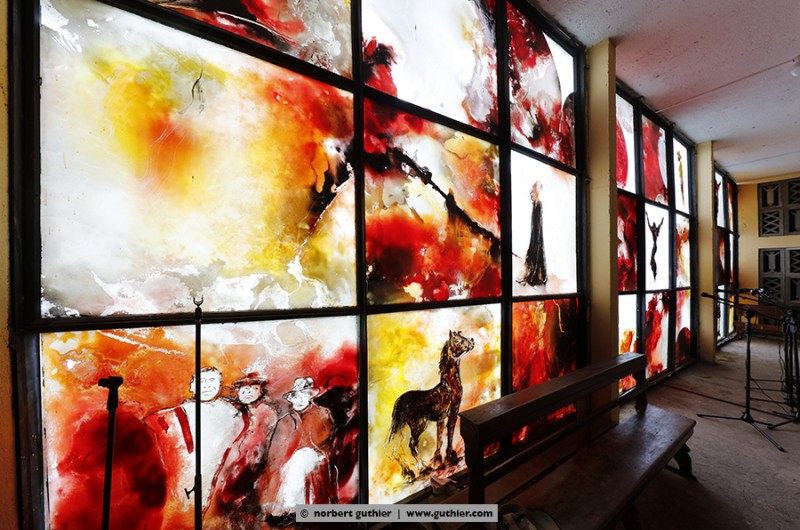
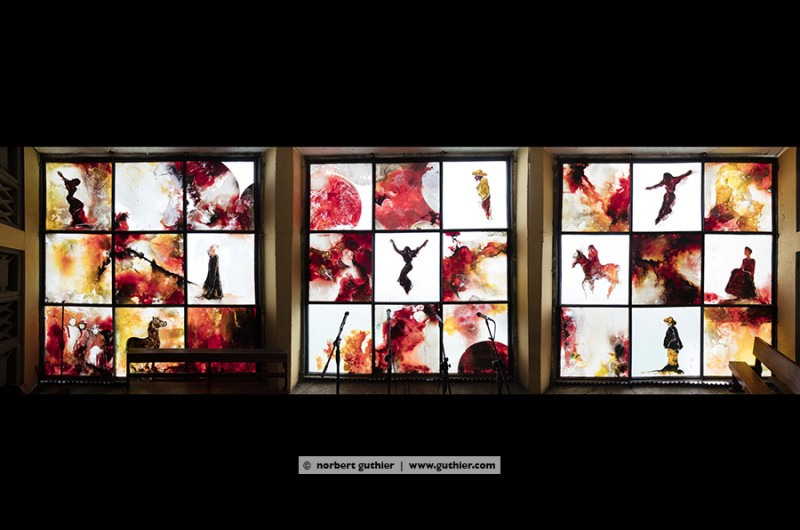
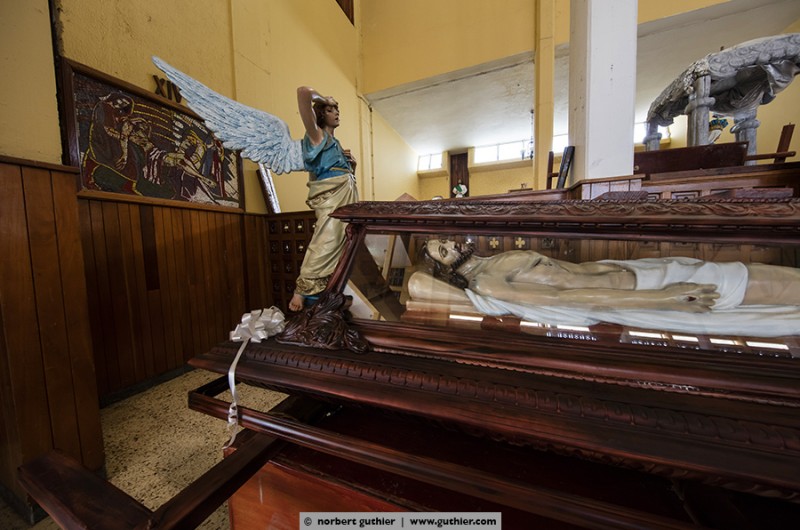
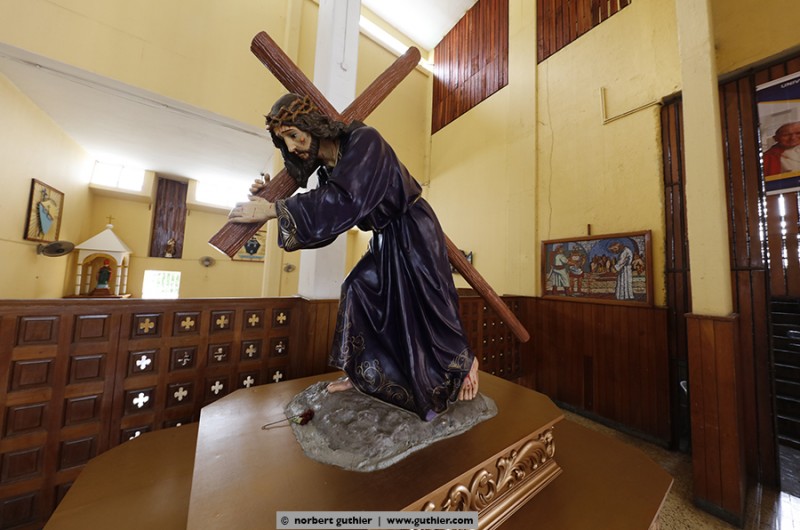
18 years ago 20 tons of colored glass – designed by the german artist karlheinz oswald – had bee shipped by airfreight from germany to juigalpa. Just in time before the inauguration should take place the windows were installed and the church leaders could be convinced to send a photographer as well – me.
Now I came back to this place. The sexton was wagging his swab through the nave, talking on the phone, and I could barely convince him to open the gate to the gallery. I guess he couldn´t understand why german guys had come to look at church windows. In juigalpa, plastic figures of jesus are probably the true art in the favor of believers, especially when they are presented to the maximum extent of suffering.
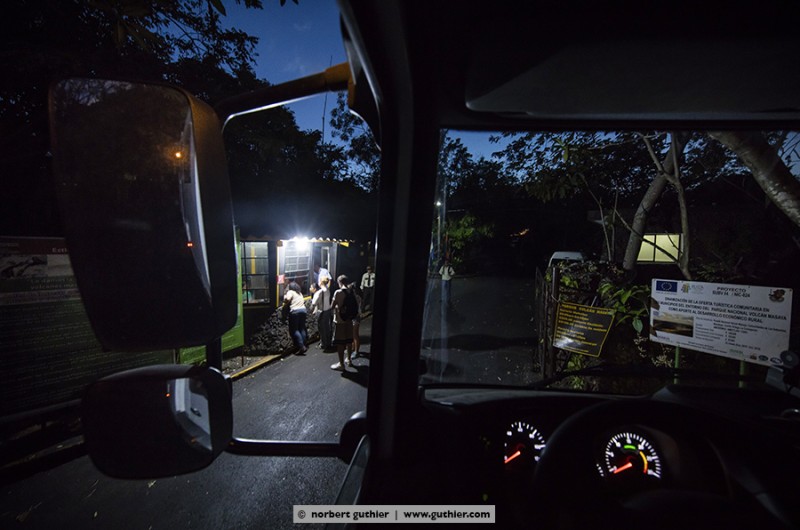
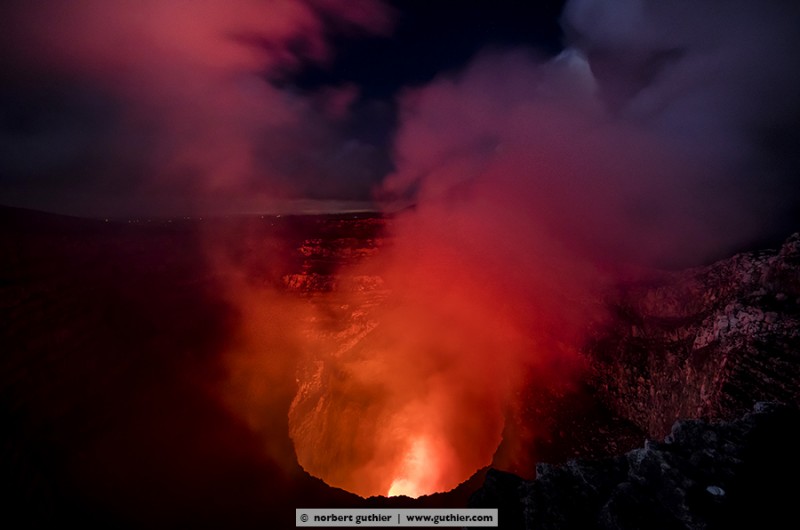
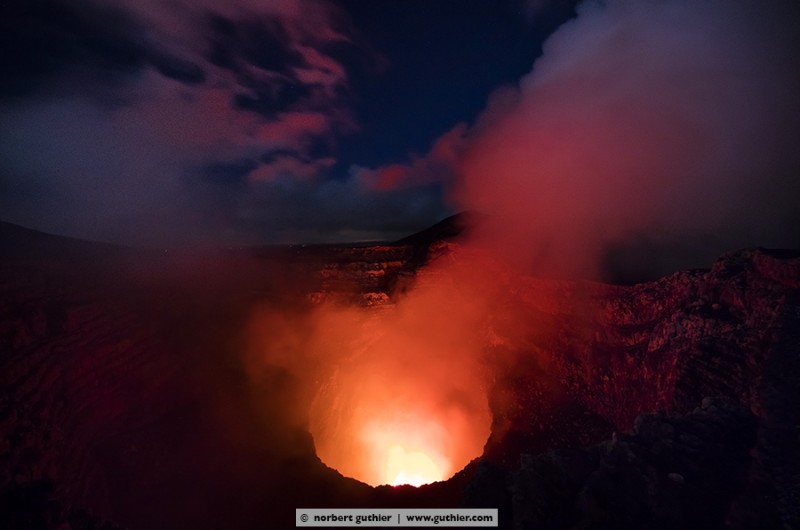
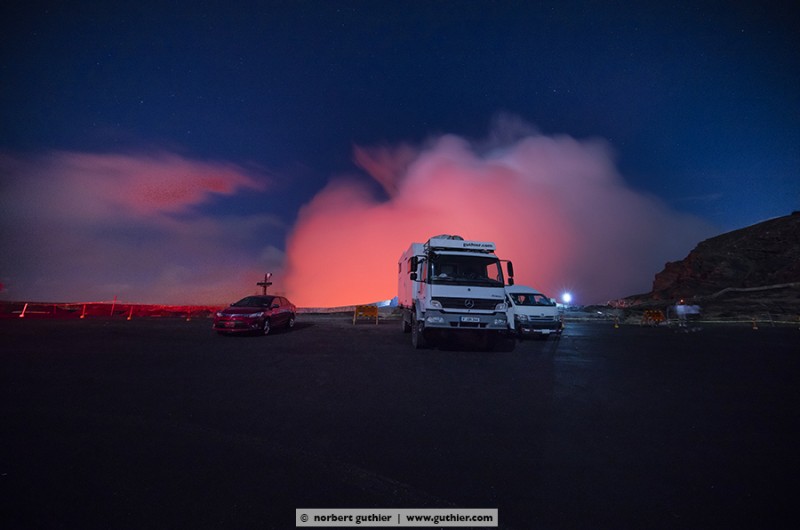
Backwards to the crater rim.
The park management of the masaya crater has come up with something special for photographers. There is a daytour that ends at 4pm and there is a nighttour that starts at 6pm. Now, at the beginning of december, the sunset is before 6 o’clock and until the barrier to the driveway is finally opened, the last bit of interesting twilight is gone and it is pitch-dark. Crap!
A crowd of about 20 cars are allowed to drive up to the crater, then the barrier closes again. Once at the top, you have to back up, – to the crater rim. Unbelievable, you walk less than 30 feet until you can look into masaya`s abyss. Well, the car points in the direction of escape …
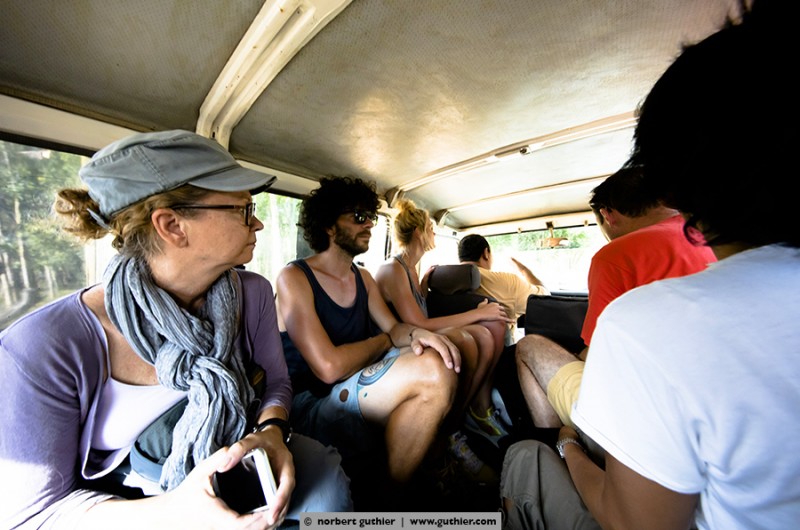
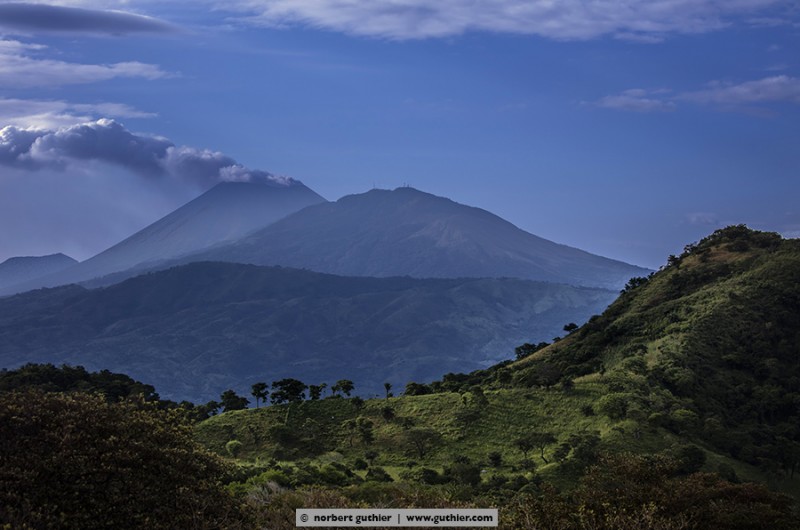
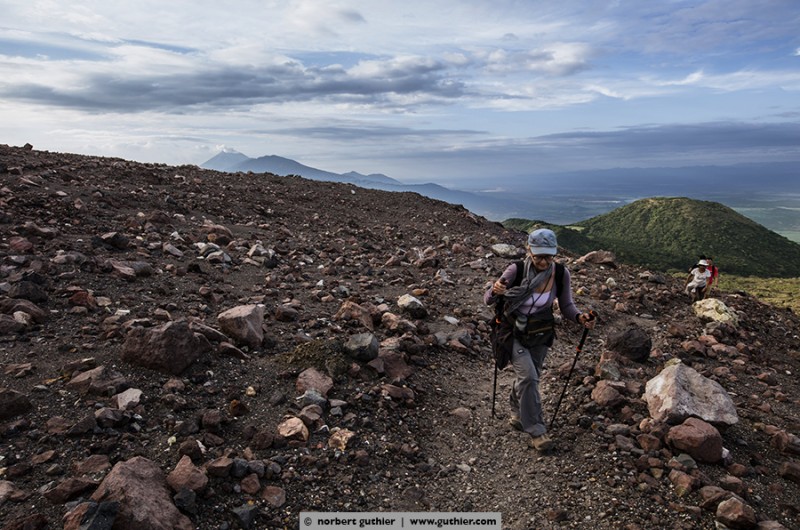
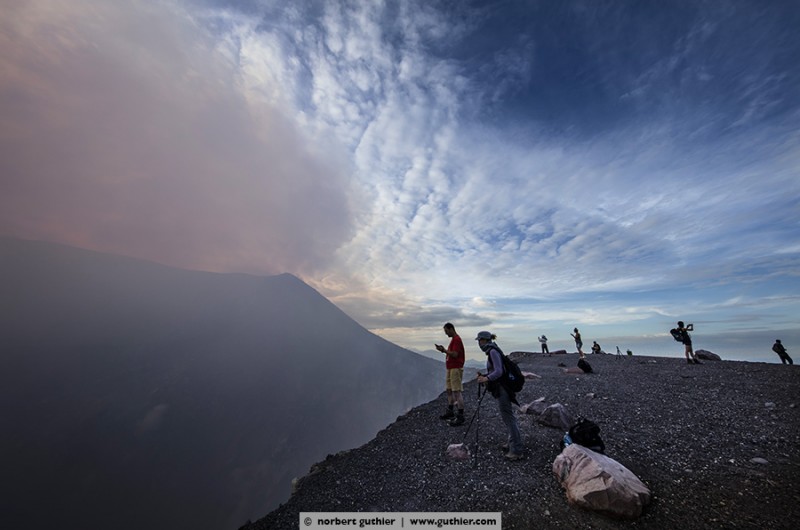
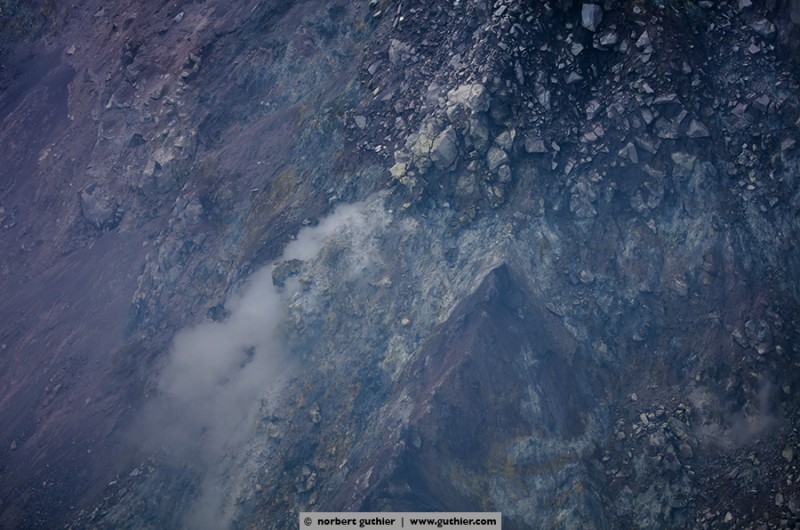
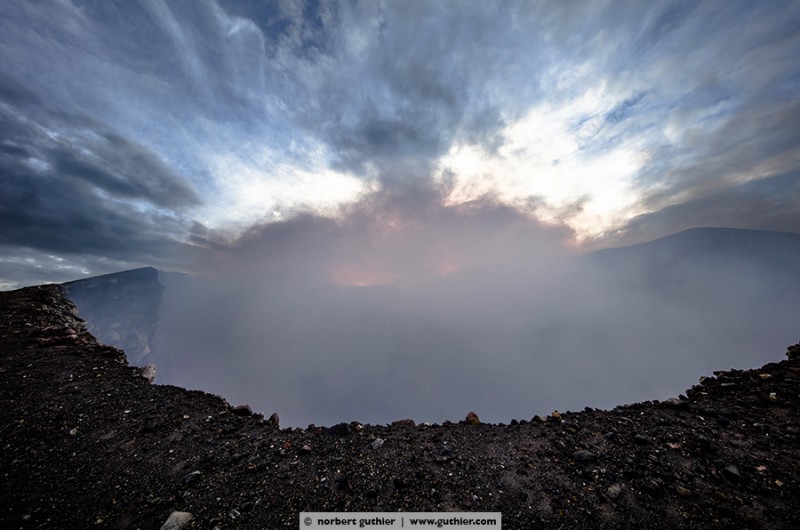
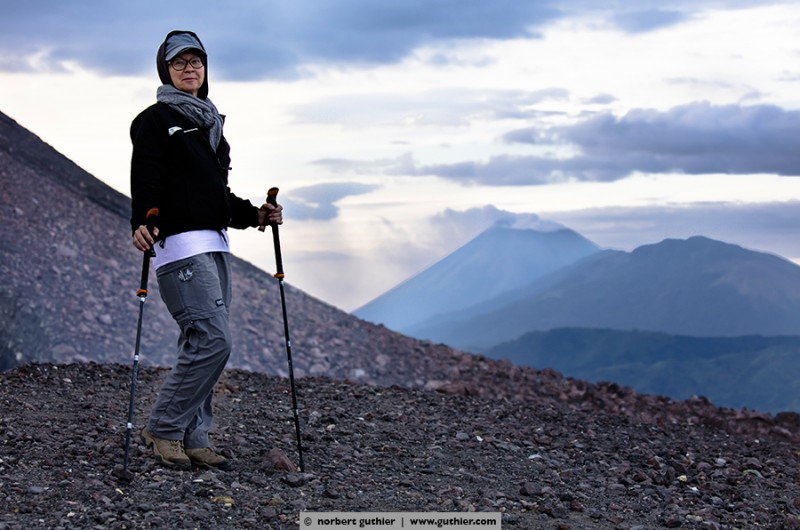
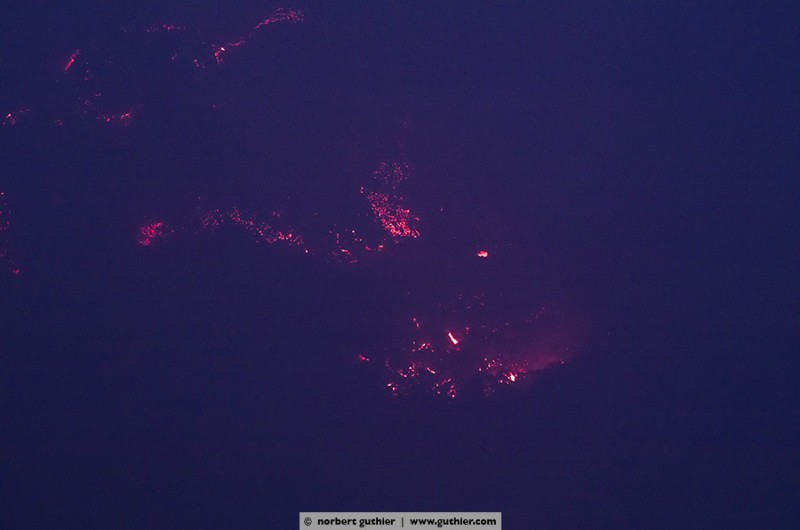

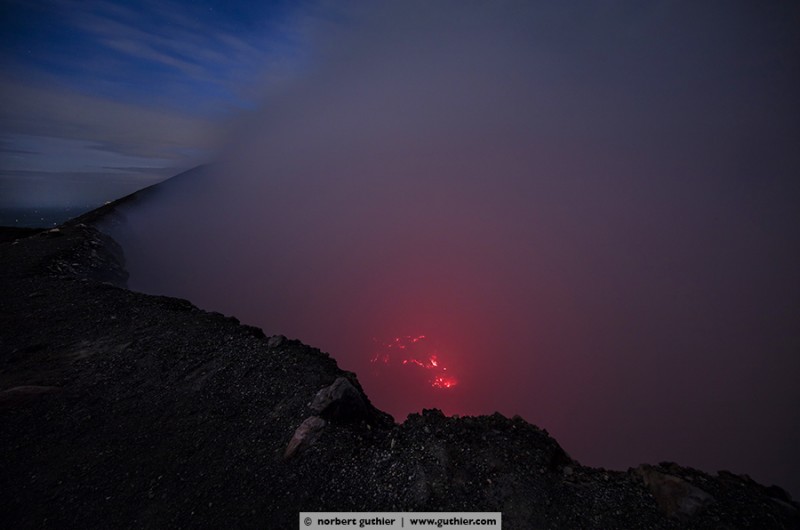
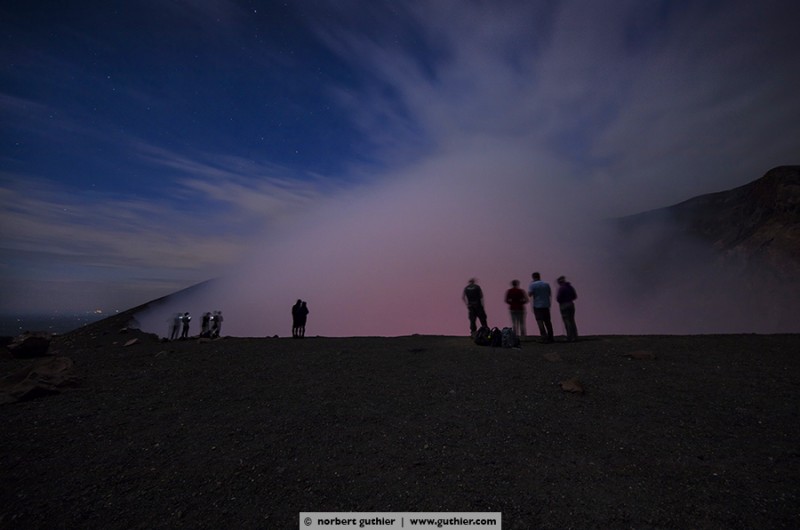
The telica is about 3480 feet high and one of the most active volcanoes in nicaragua. Unfortunately, the driveway is very narrow and densely overgrown, no getting through for our truck.
The telica is only 10 miles away from the city of león and this vulcano is part of a whole chain of active volcanoes in nicaragua, and when climbing up to the crater you can see the other mountains smolder. The main crater of the telica has a diameter of 2300 feet and – when it´s getting dark and the view is clear – you can see lava at the bottom of the crater in about 400 feet below the rim. The glowing lava then iluminates the rising steam reddish. A “must see” on a tour through nicaragua.

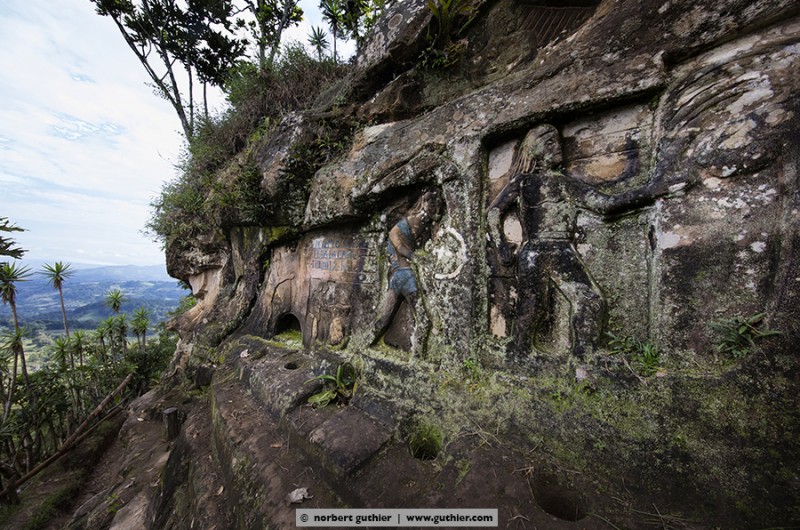
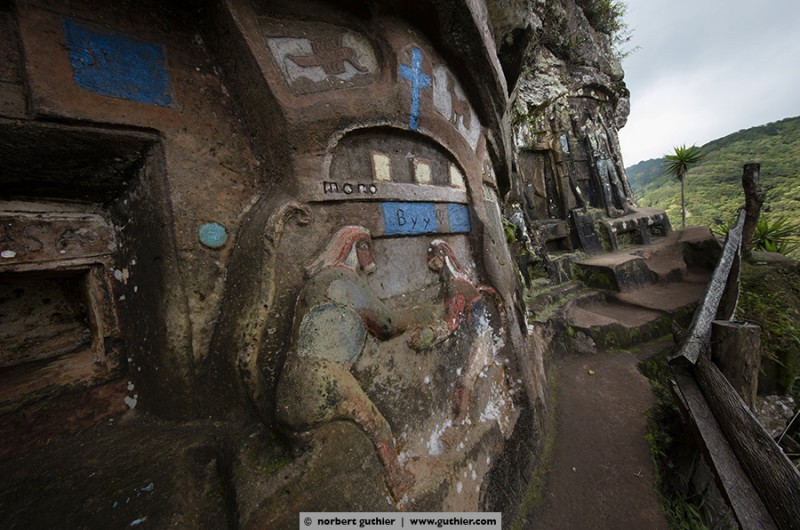
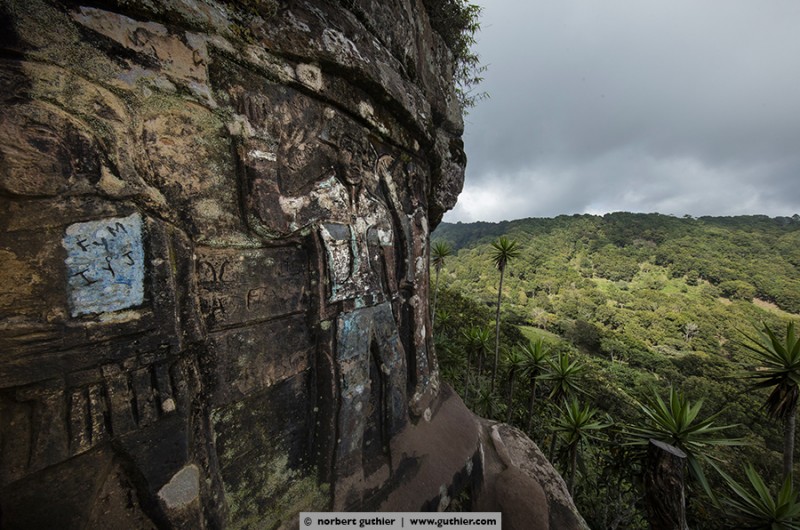
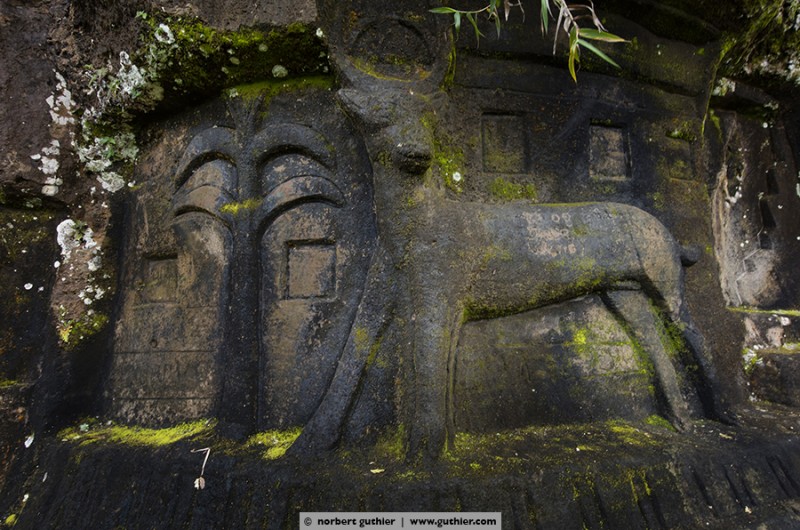
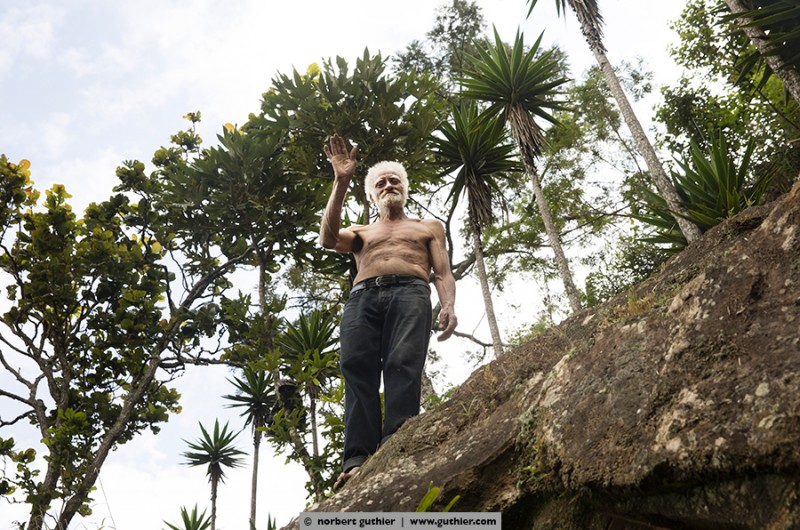
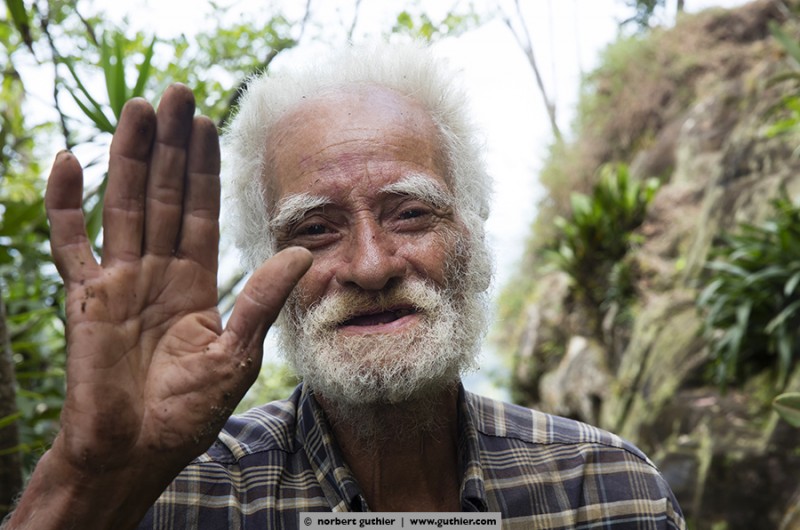
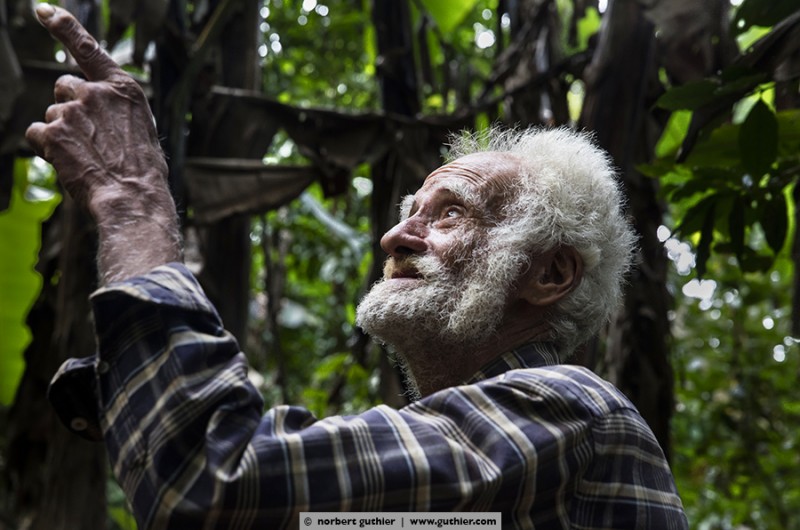
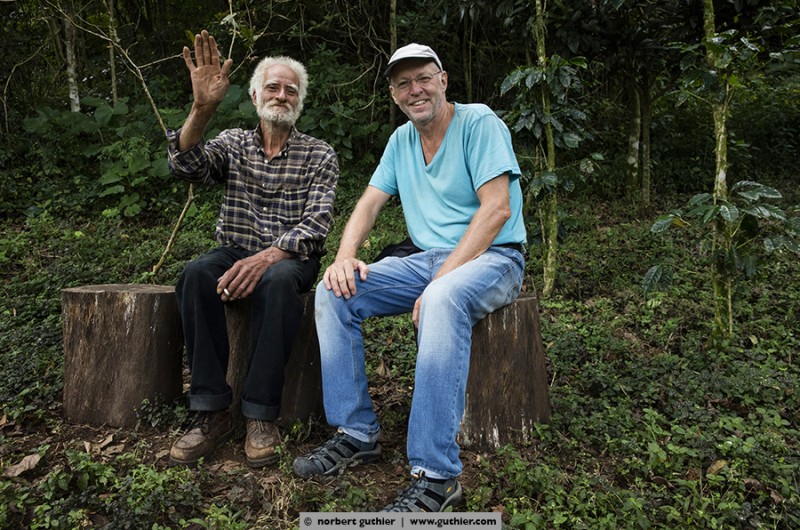
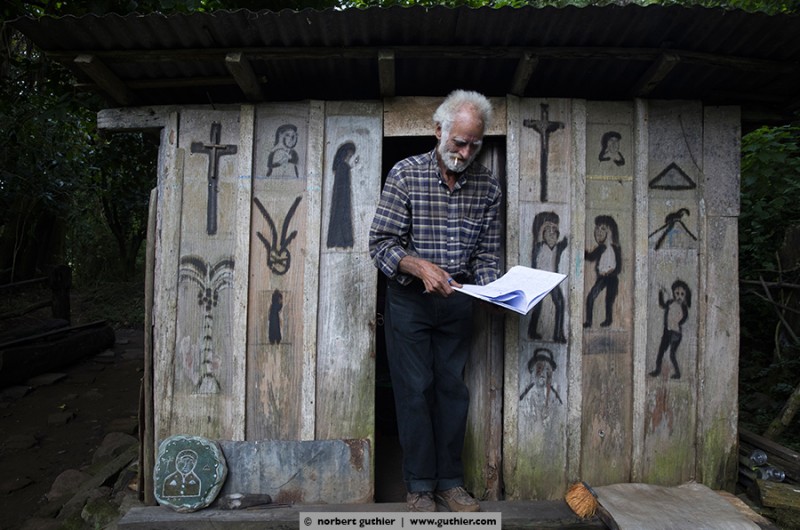
The Finca El Jalacate is located in the middle of the Reserva Tisey in the north of Nicaragua. More than 40 years ago, Alberto Gutierrez moved to this place to detox from alcohol. Since then he has been designing a rock wall with reliefs of animals and religious bible scenes. He is now in the age of 78 and his life’s work has taken on a considerable size. On his birthday in October, even Nicaraguan television did a report on him. When we visited him, he was clearing another part of the wall. Alberto is far from reaching his goal.
Our Spanish knowledge was not enough to understand his epic poemas but this didn’t stop him from talking extensively. But we got the quintessence: his world is a beautiful place.
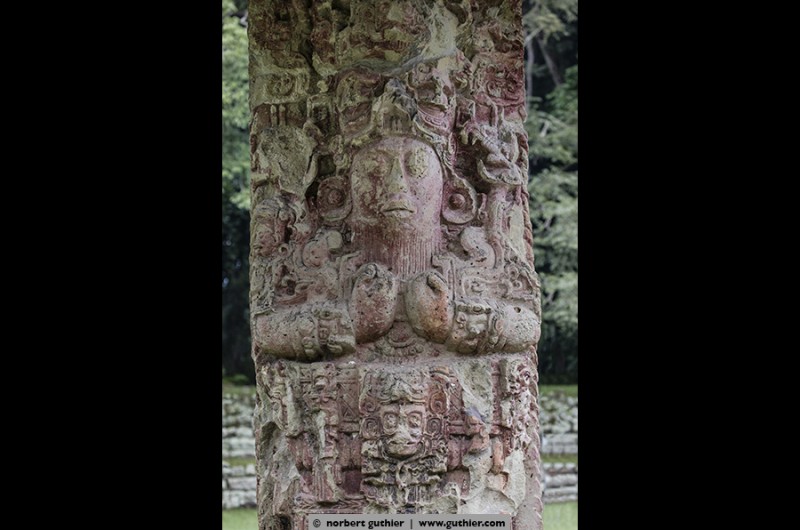
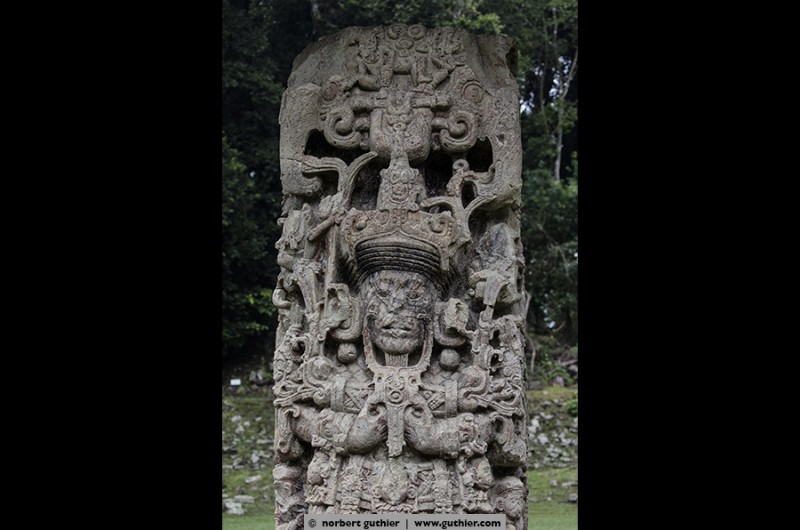
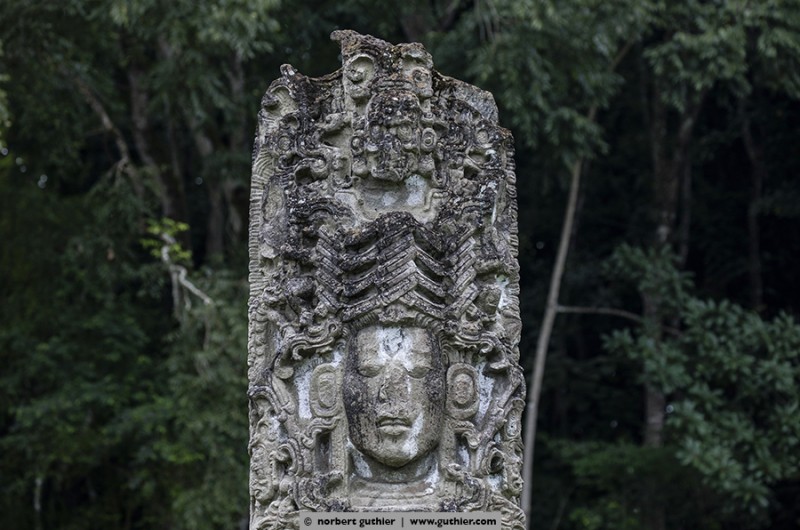
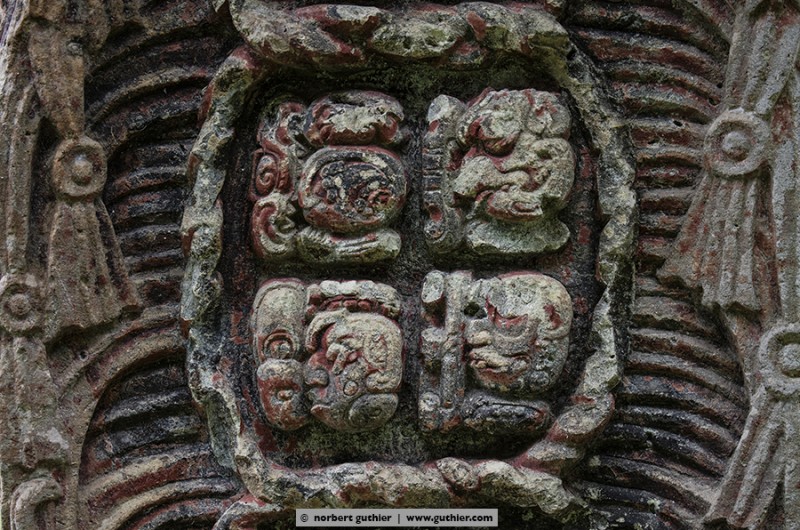
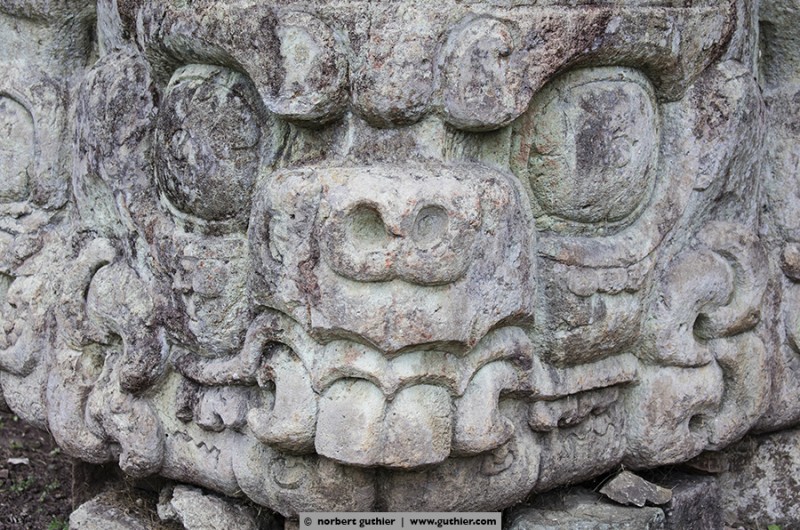
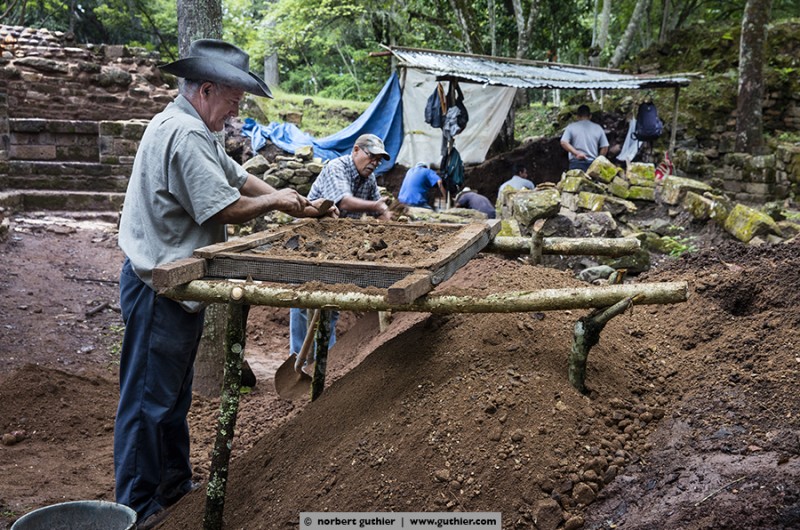
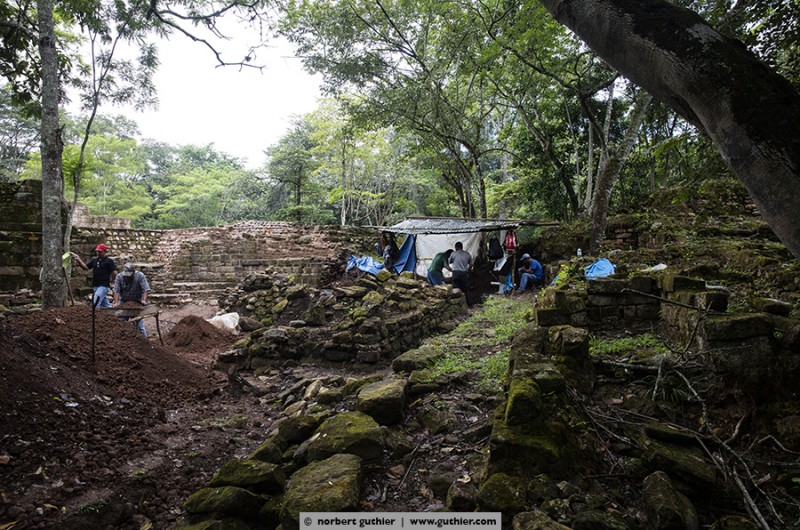
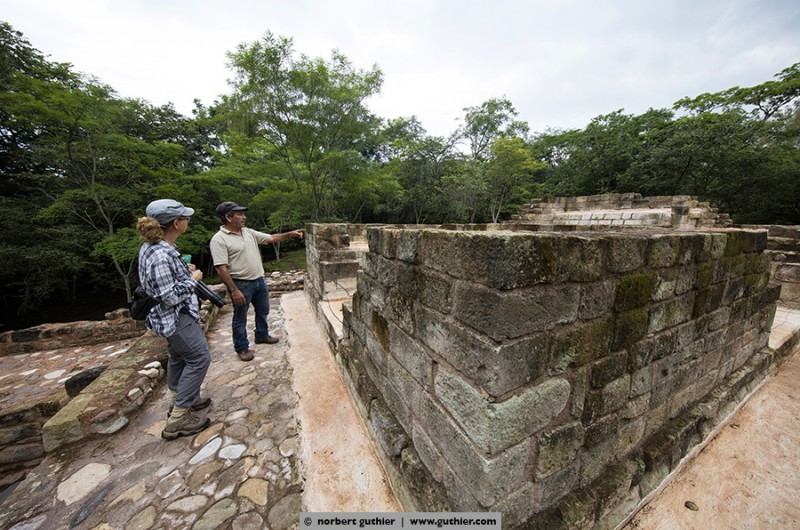
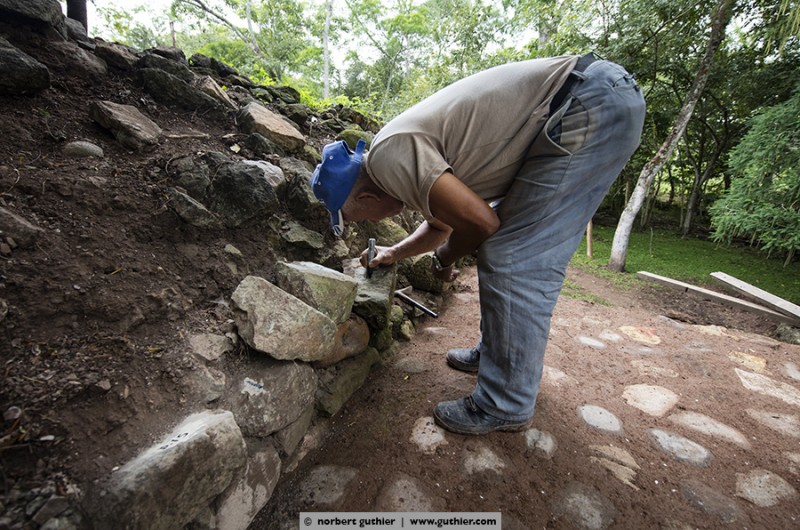
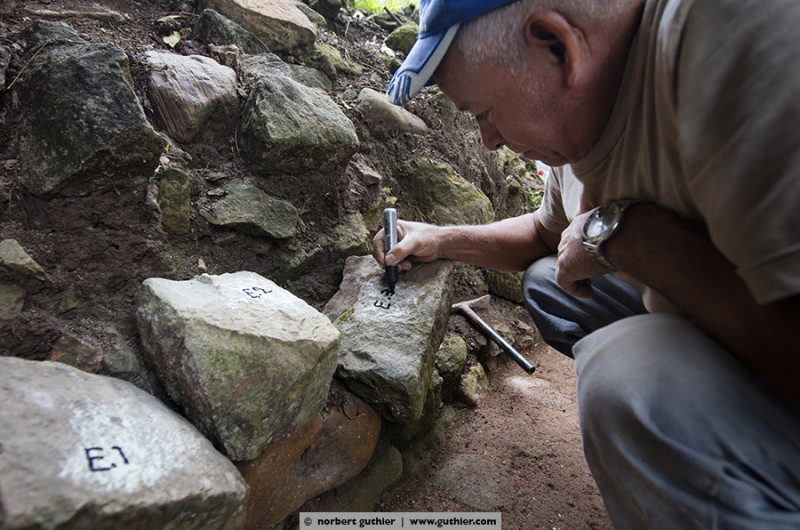
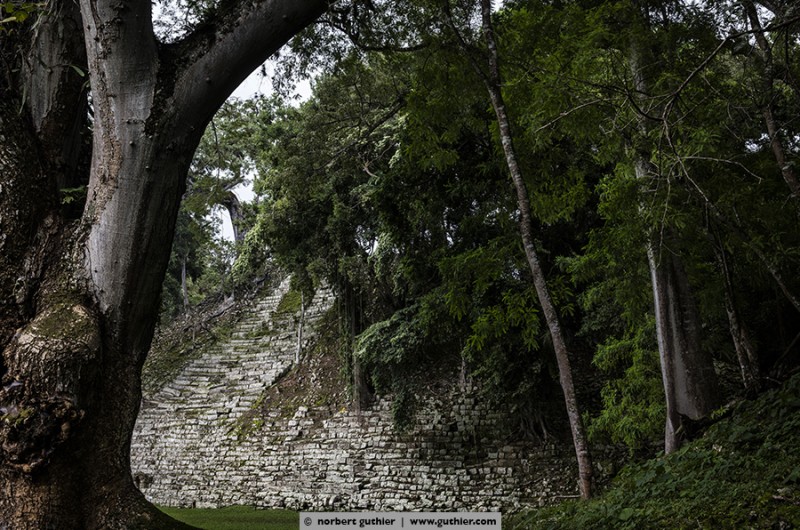
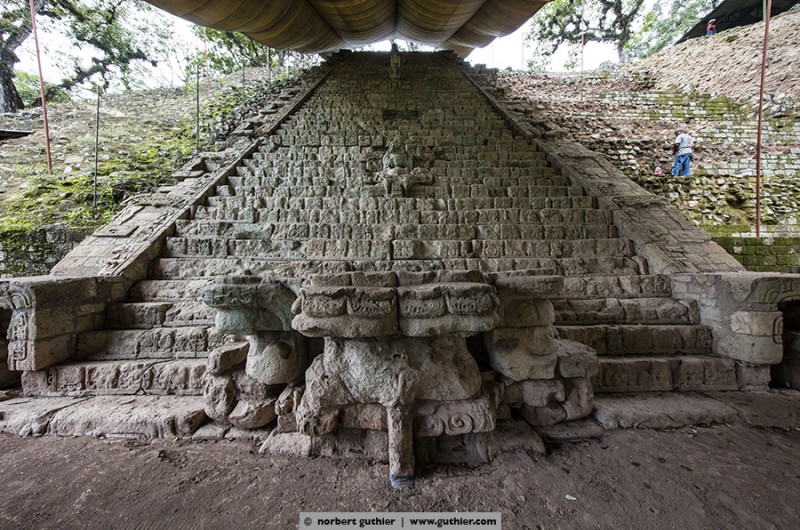
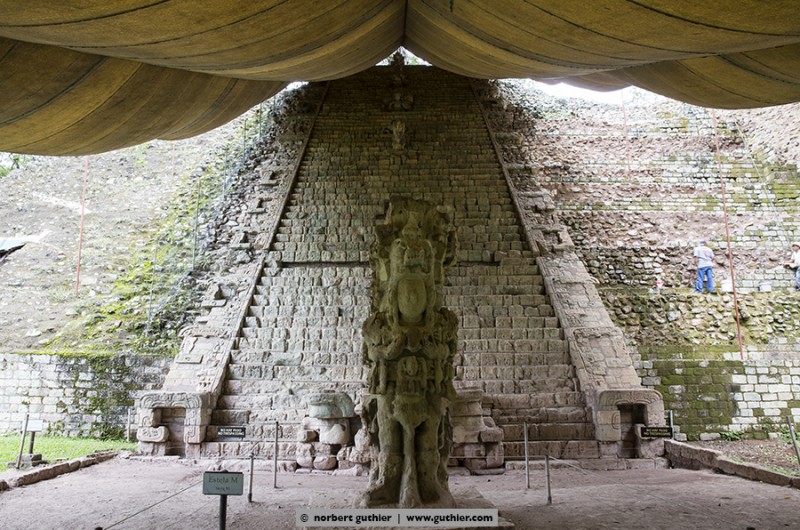
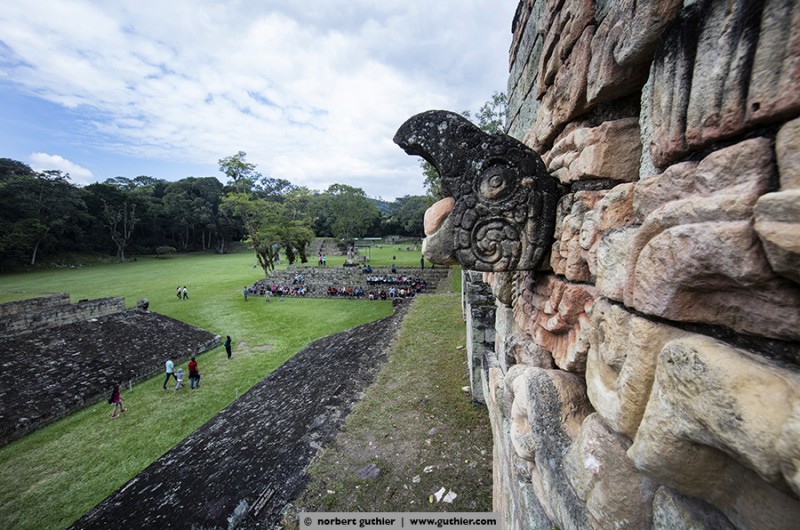
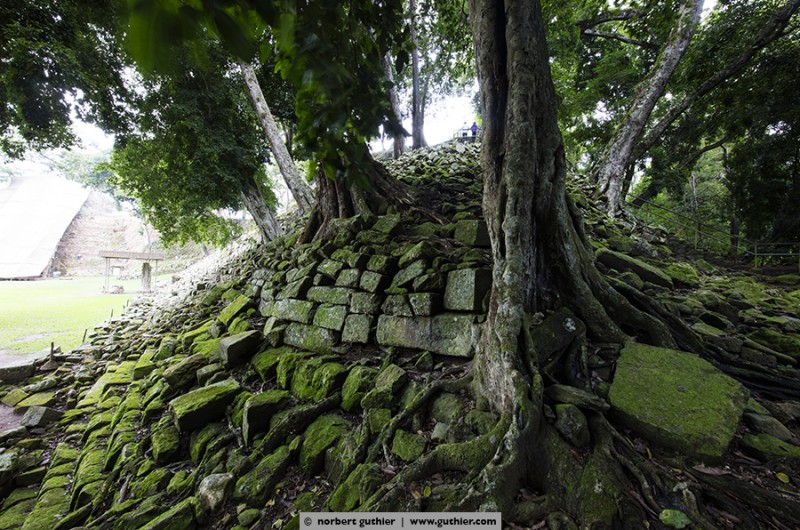
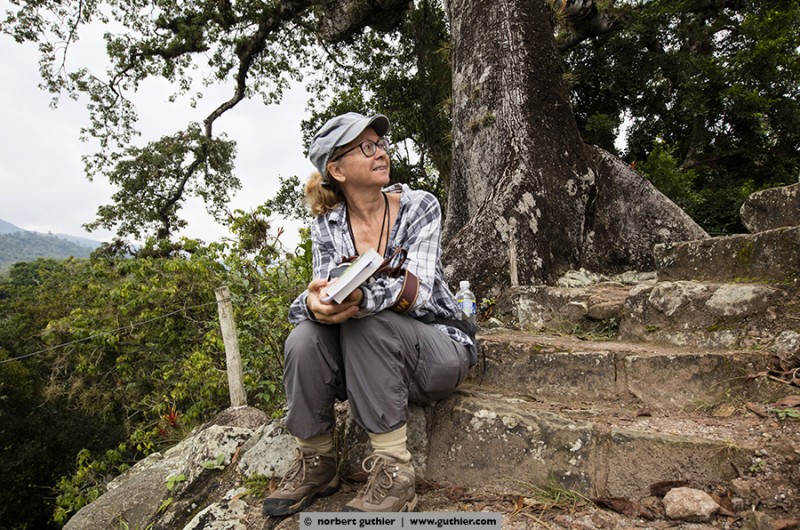
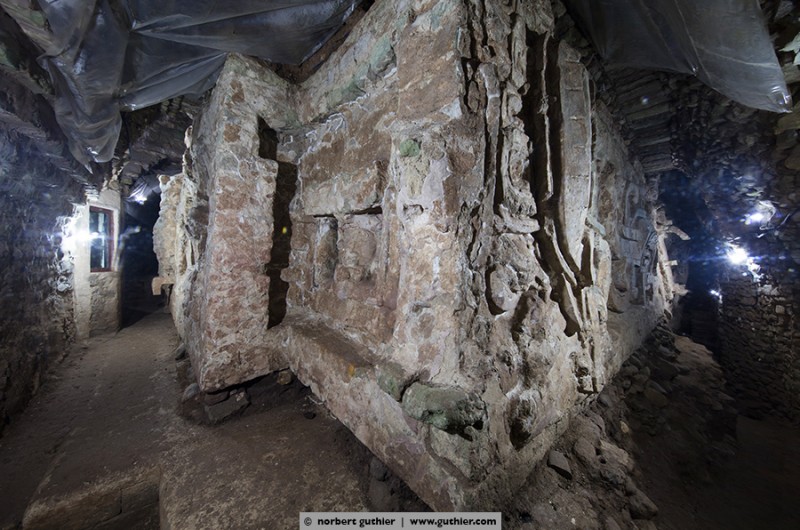
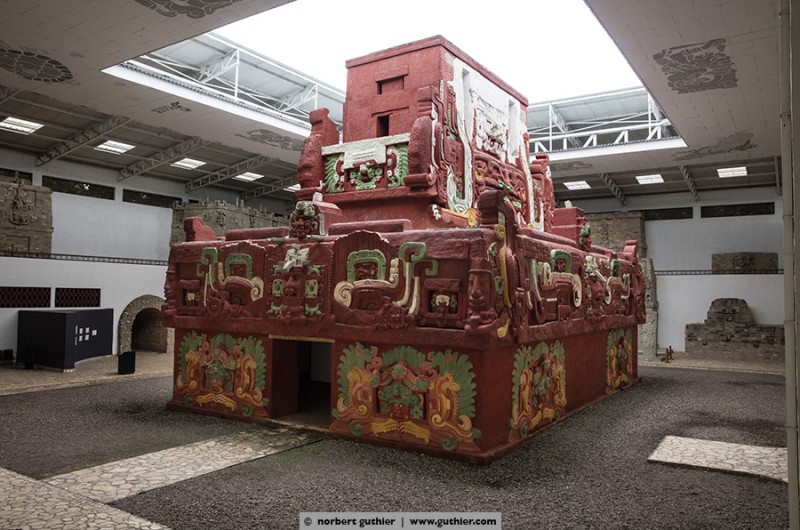

The most important maya site in honduras and probably the last one on our way to south america.
Copán has become known through the many, magnificent steles and through the rosalila temple which archaeologists had found under a newer pyramid. it is well known that the mayas had expanded their temple from time to time, just built over the existing structurals. In search of the older building structures, the archaeologists dug through the pyramids – 2,5 miles in case of copán. So they discovered the rosalila temple and partially excavated it without damaging the overlying pyramid. A replica of this very sacred maya temple is shown in the museum, which was built at the entrance to the ruins. To the delight of the posterity, the mayas had carefully overbuilt the holy place and so all frescoes and ornaments have been preserved. Another archaeological sensation in copán is the glyphic staircase with the longest known maya inscription. However, today it is protected from the environmental influences by a tarpaulin without taking responsibilty to the aesthetic requirements of the visitors.
Like all other Maya sites, copán was also abandoned after 850 a.d.. quite suddenly. It is certain that a series of dry periods, caused by the depletion of nature such as monocultures and deforestation of the rainforest, have led to the decline. this probably also meant fundamental social upheavals, especially as the rain did not appear despite the increasing numbers of of human sacrifices. Then probably all the god kings have been hunted to the devil.
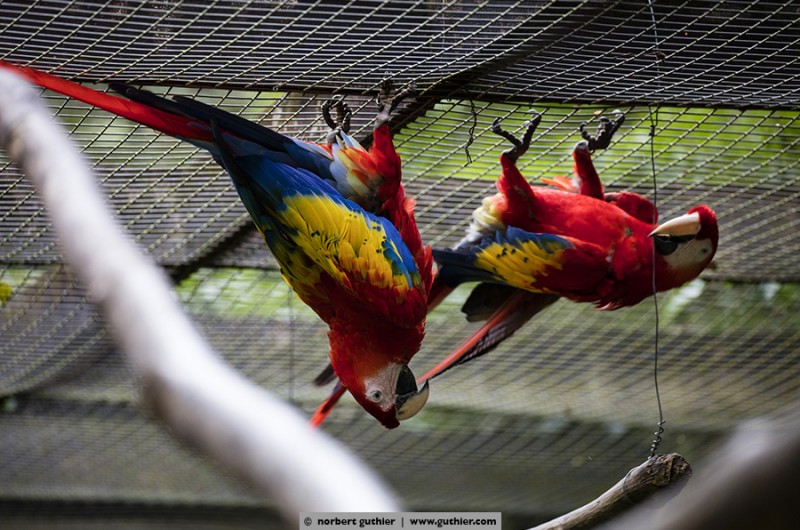
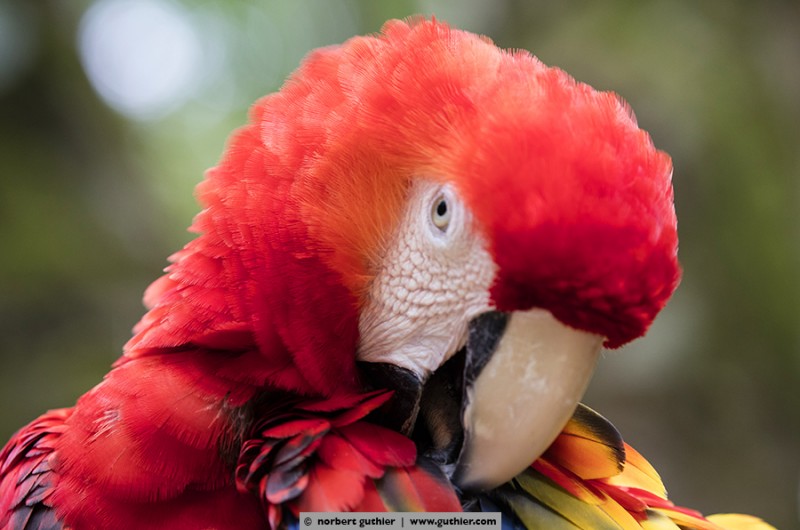
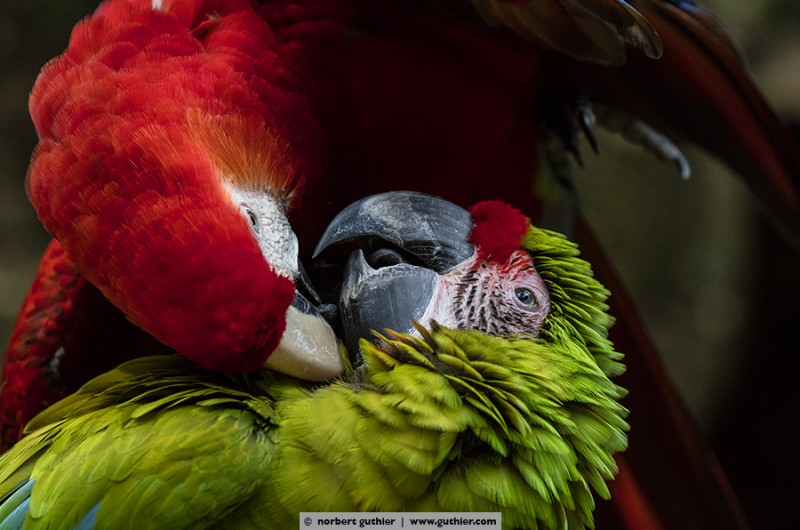
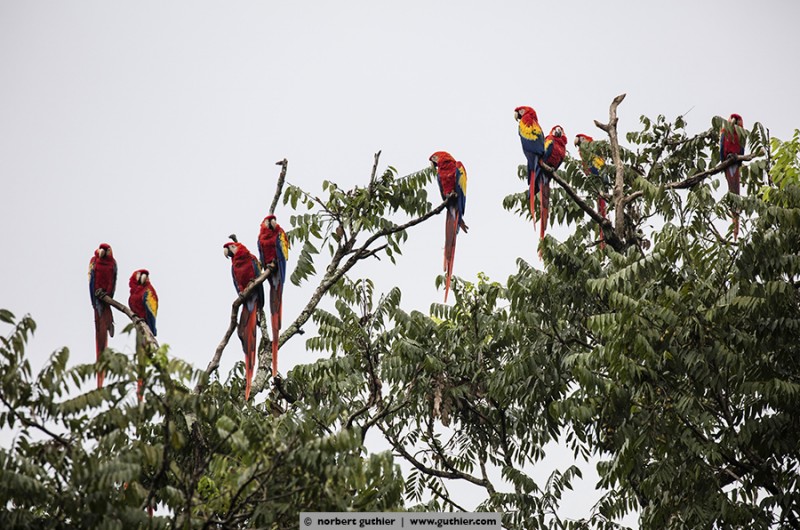
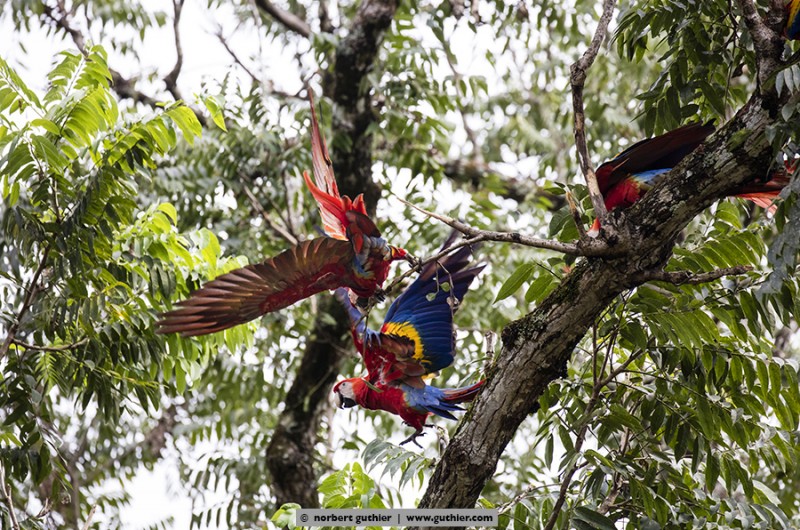

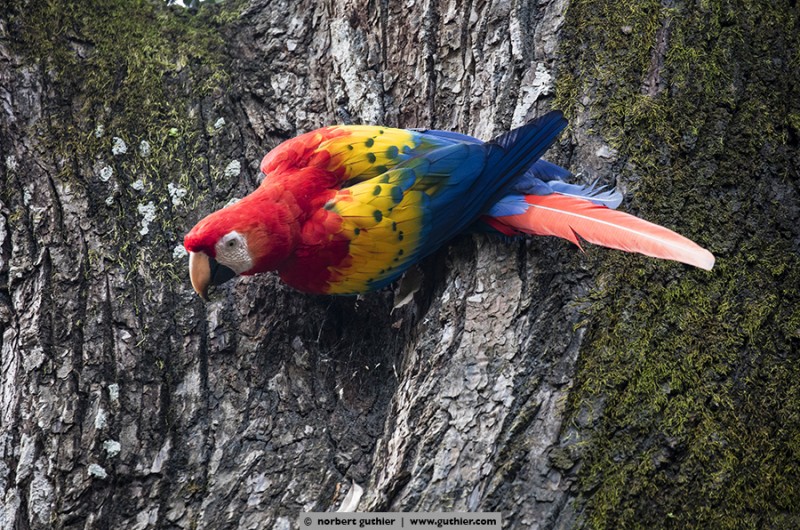
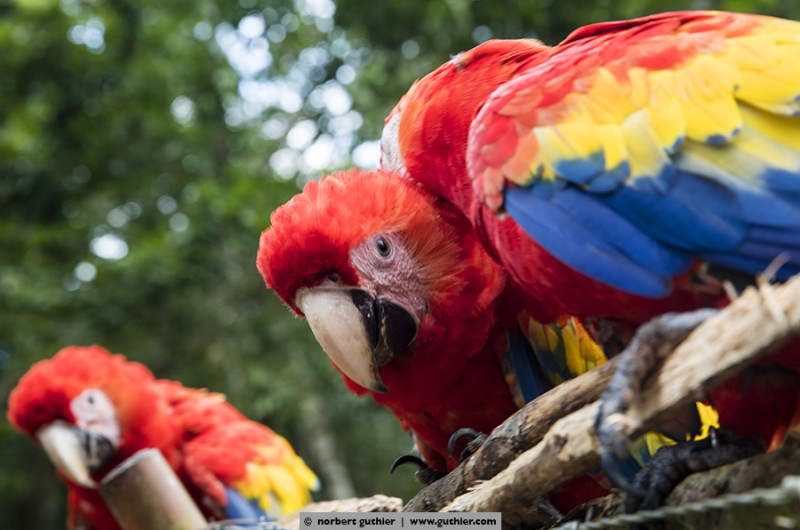
We were surprised to see a large, wild colony of macaws at the entrance to the ruins of copán. Perhaps a hundred of these impressive, large parrots screamed and flew in large groups over the ruins.
The population consists mainly from offsprings that had been released and their hatchlings. A few years ago the “macaw mountain park” was established near copán. This park takes care of macaws which were kept illegally as pets and, if possible, they introduce them into the wild again. Those animals which are too close to humans and aren´t able to survive in freedom, live and breed in large groups in aviaries. There, they raise 4 to 5 chicks each year, while their colleagues in the wild only raise 1to3 chicks every few years due to lack of food and other hazards. And after the offsprings had learned to feed themselves, then it´s time to fly into freedom.
