ende
Yearly Archives: 2017

i_Overlander


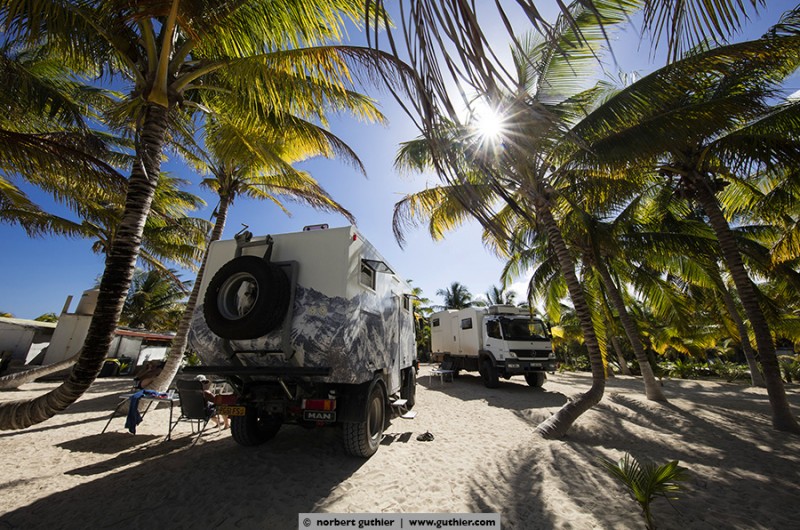
There is an app that simplifies the finding of nice places to stay, because the travelers pass on their personal experience to the community with an evaluation. This also has the consequence that you meet like-minded people on the recommended places and those haven´t necessarily to travel with a truck.

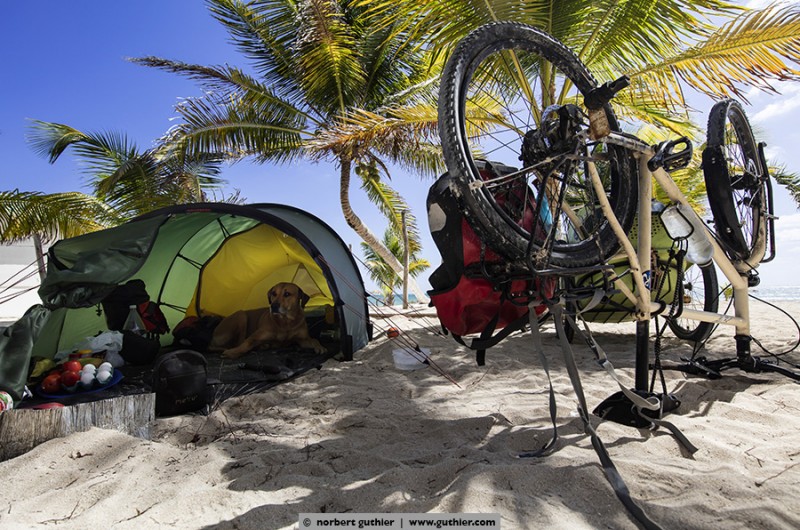
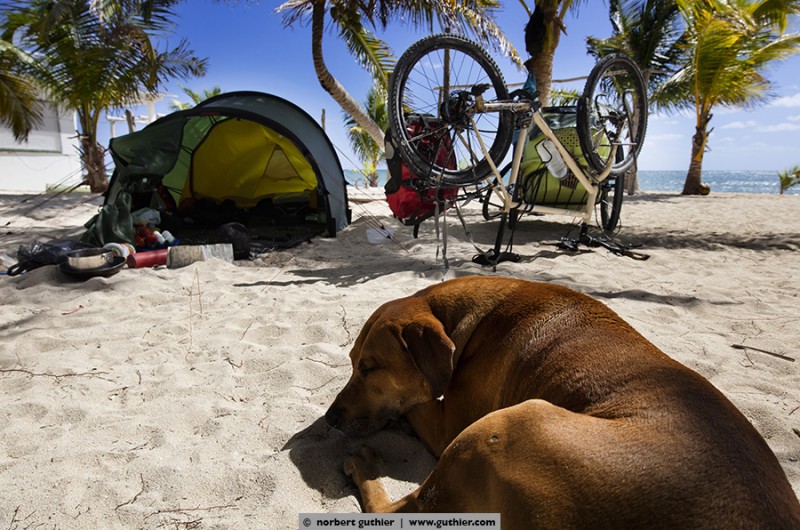
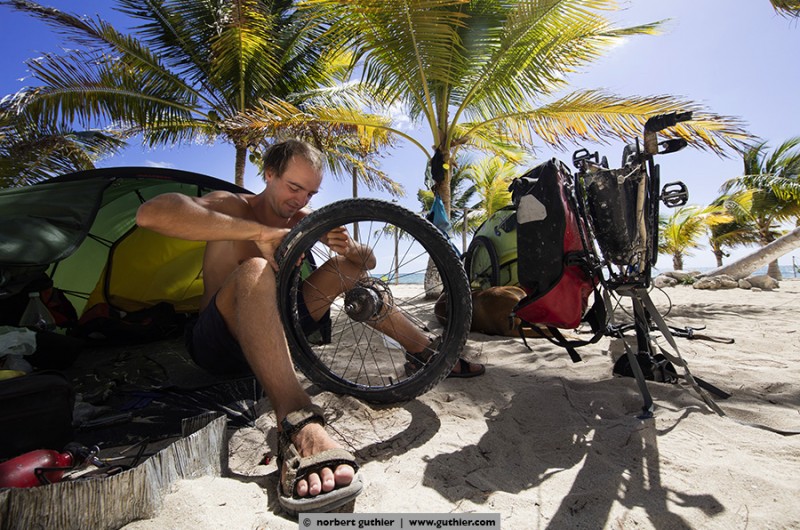
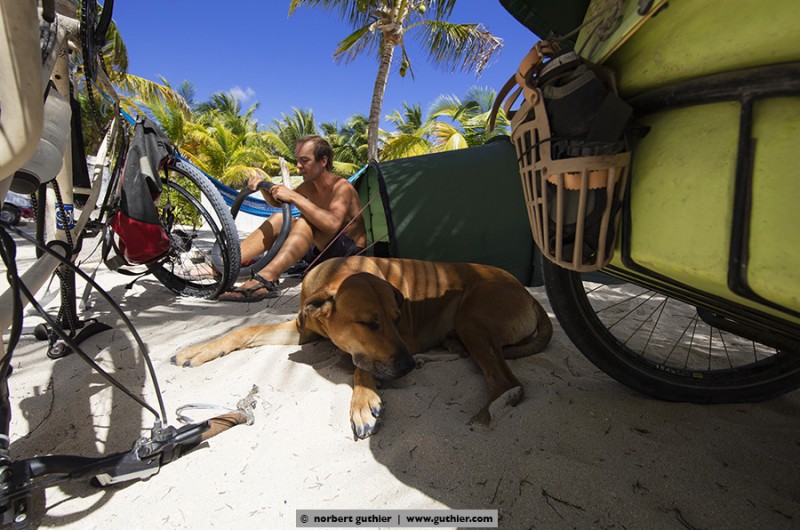
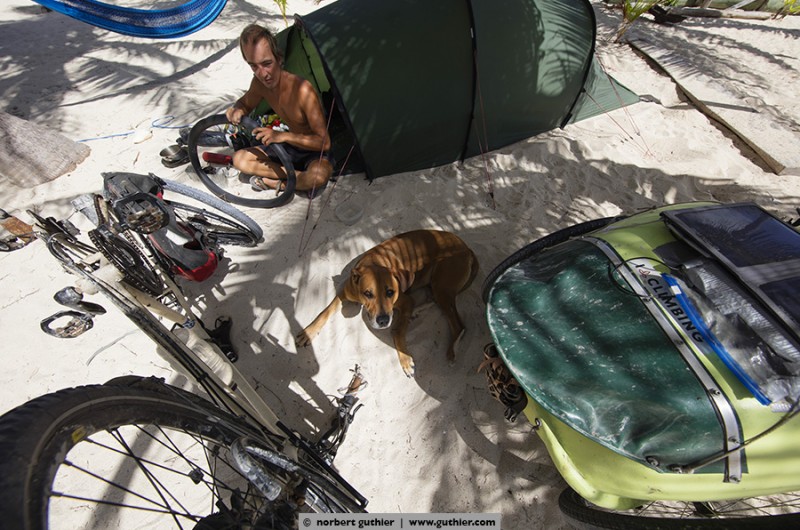
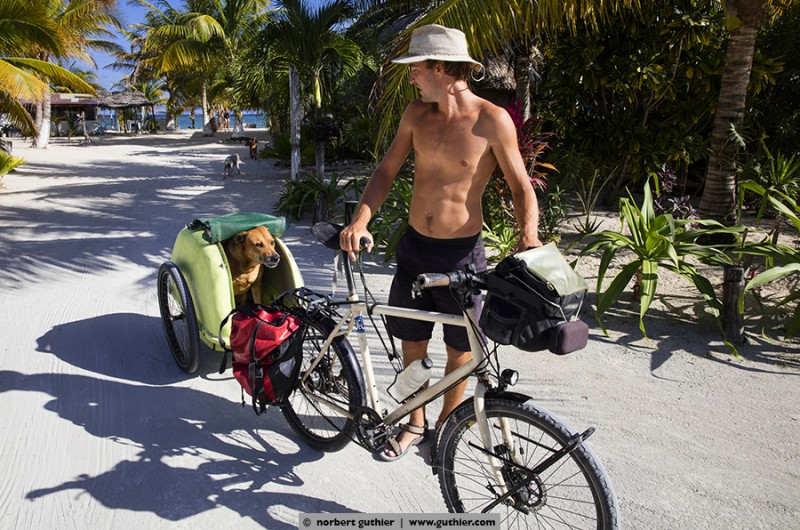
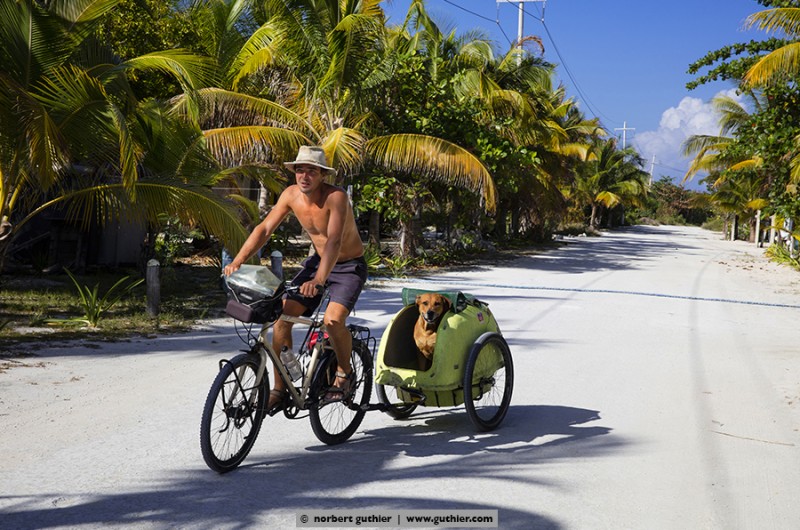
For example, we met jens. Eight months ago he started with his bike in vancouver, canada and in the meantime he is in the south of méxico. For all not-overlander: everybody on the road, even we with a big rig, try to save weight. Always. Not jens, who tows a 25kg heavy bike trailer and in it sits his dog hans. Hans weigh about 45 kg and feels – even if it is a ridgeback-rottweiler-mixture – happy „as a poodle“ (means: happy as a clam). Hans in happiness!

(In the german language we have a saying: „pudelwohl“ which is directly translated to „happy as a poodle“. And there is a fairy tale called „hans im glück = hans in happiness“ and i don´t know if this is understandable in english spoken countries)
calakmul


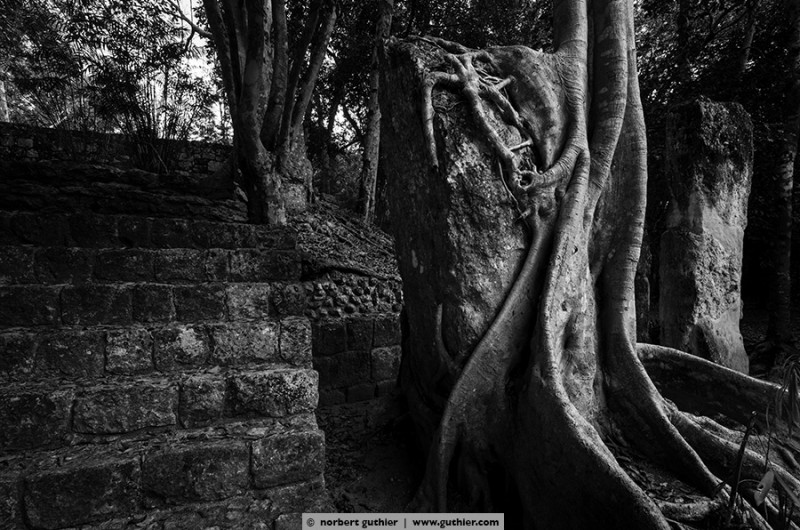
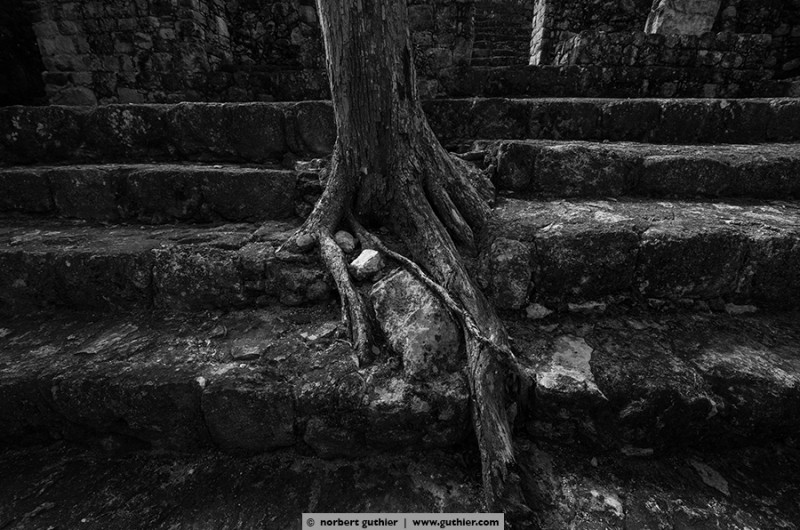
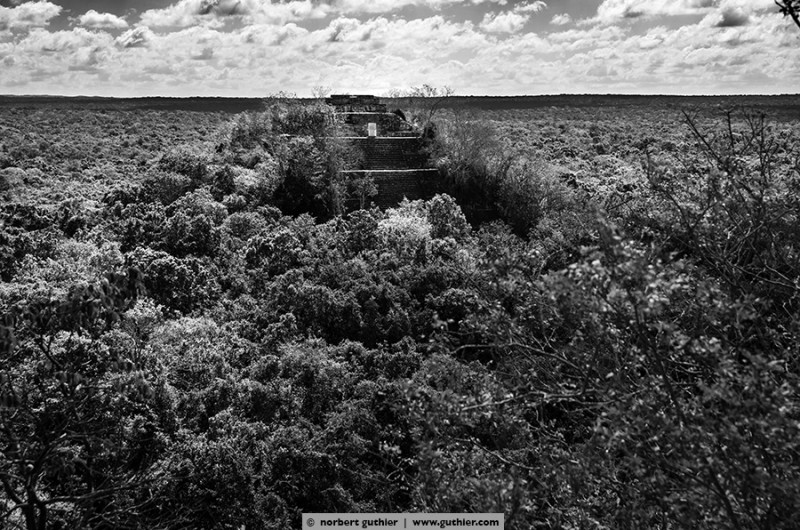
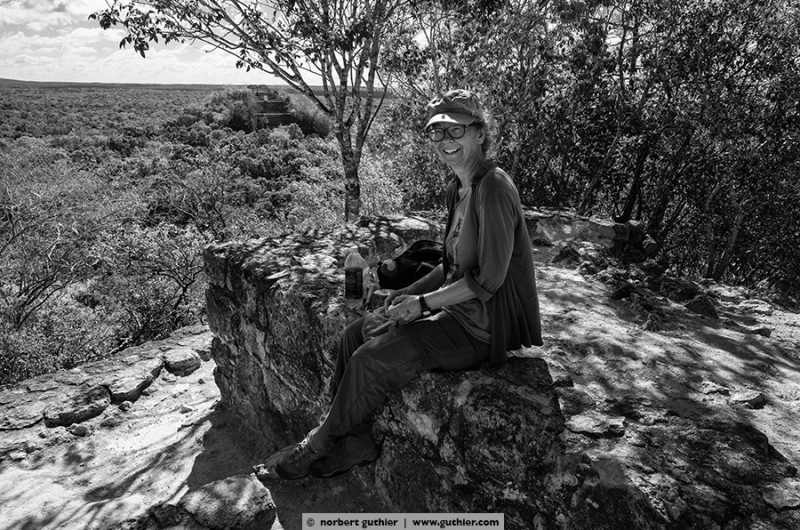
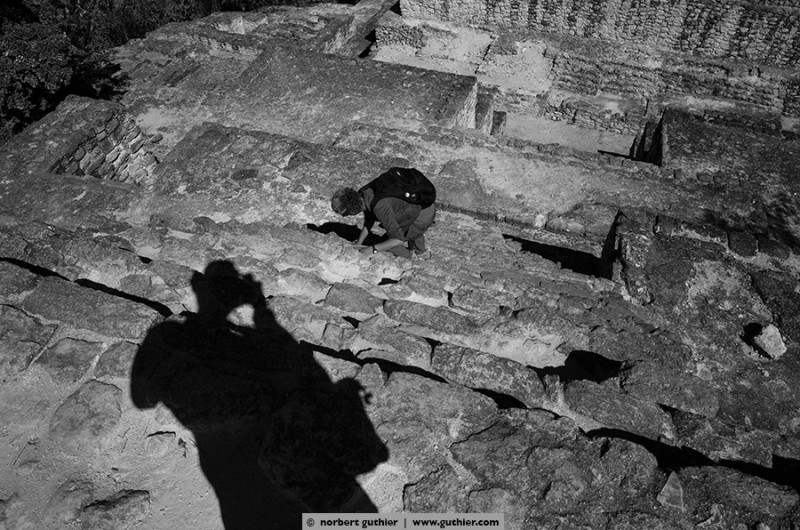
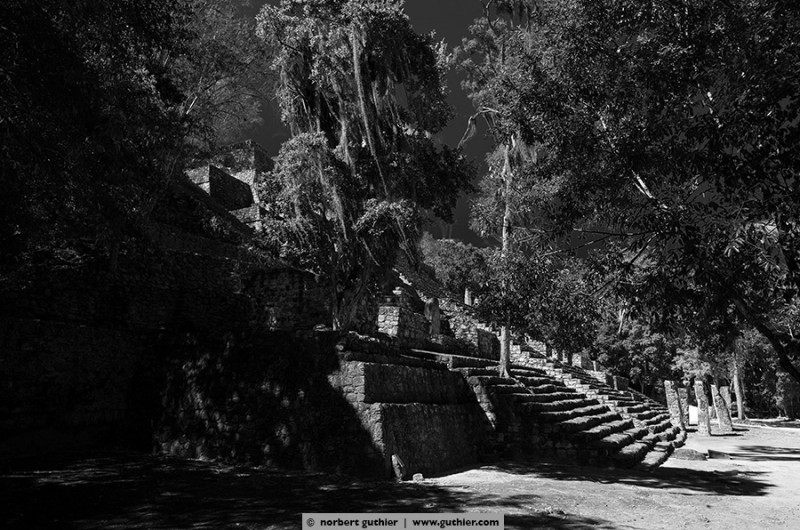
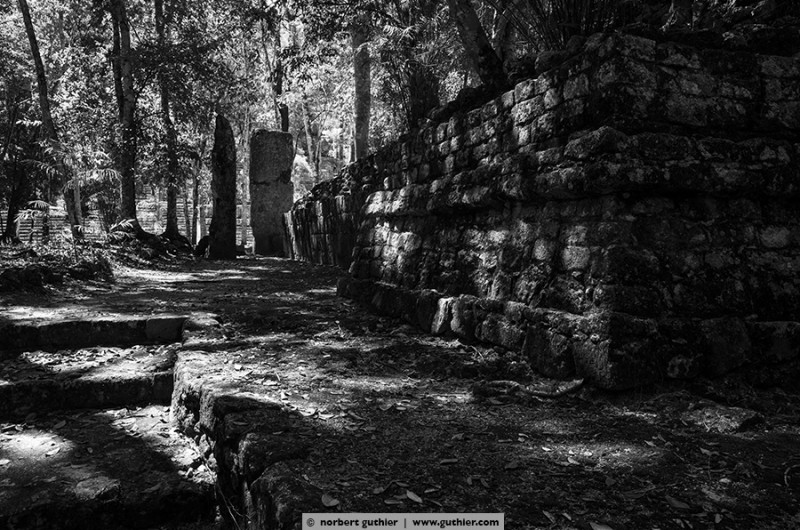
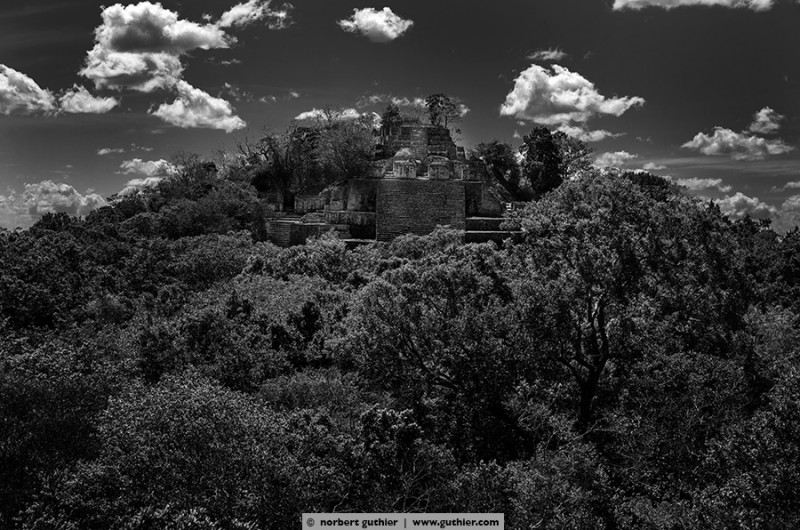
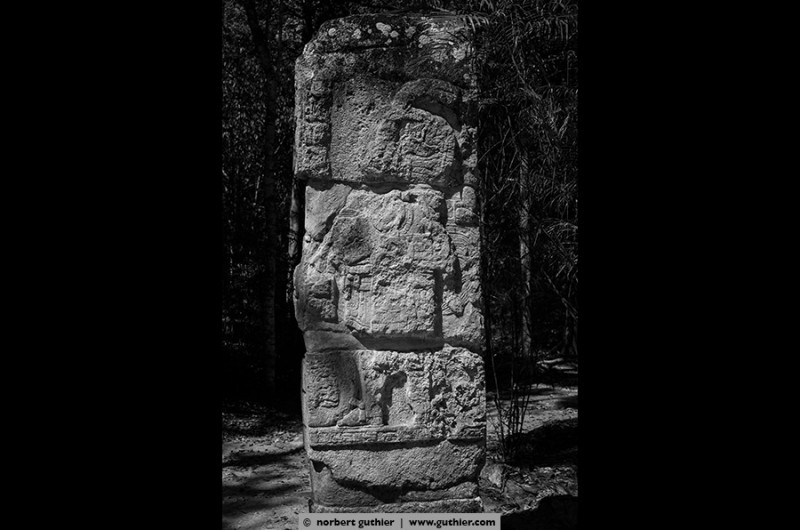
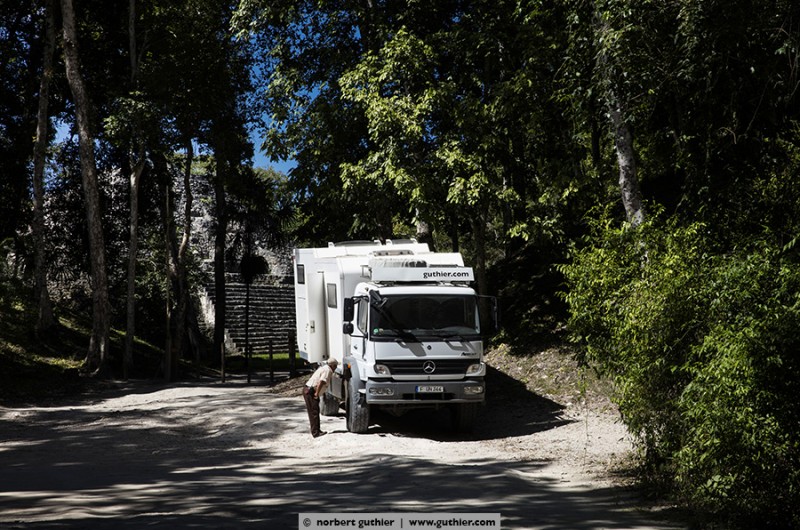
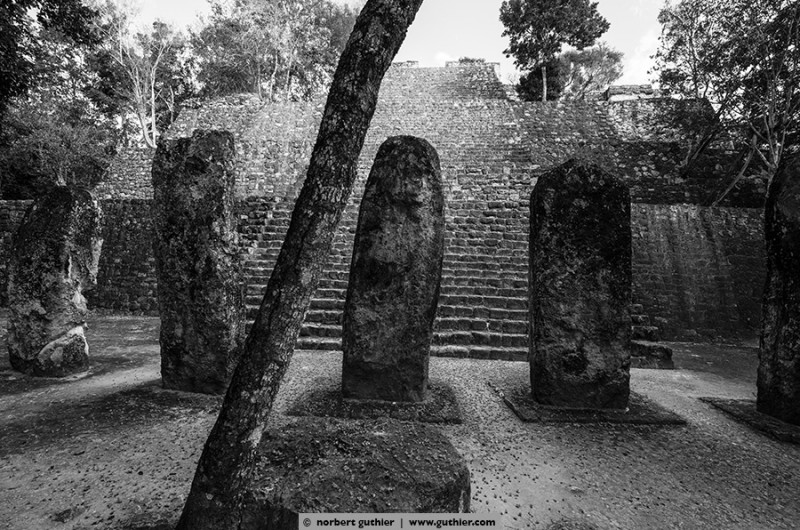
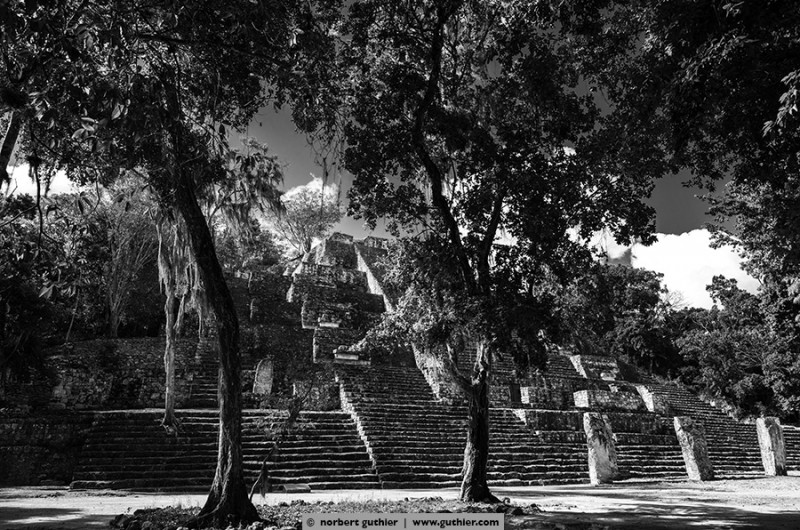
The ruins of calakmul are similarly impressive as the remains of tikal, the long time enemy. After fighting over the centuries for the supremacy in the region (see also my blog contribution to tikal) in 695 the game was over and calakmul sank in insignificance. The last inscription, found on a pillar, shows the date of January 20th. 909, after which the city was completely abandoned. Probably all the sacrifices for the rain god were useless after all that slash-and-burn agriculture.

Connections to our present situation are, of course, purely coincidental – I am curious to see to which planet we will move on.

lamanai


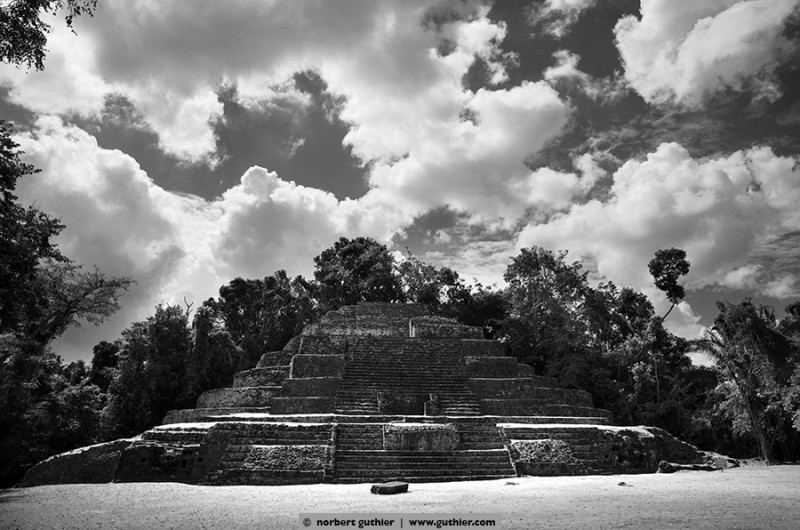
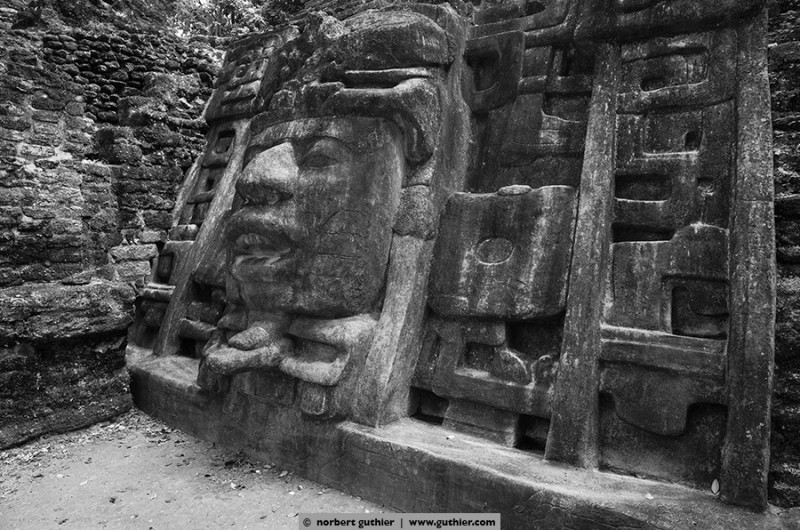
In the mayan language the name lamanai means a “submerged crocodile”. The mayans permantly lived for about 3000 year in lamanai and so it is one of the longest continuously populated maya cities. In 700 AD (the classical period) the population grew to more than 20,000 inhabitants. In contrast to most of the other mayan sites, lamanai was still used when the spaniards came to belize in the 16th century. © wikipedia (german)

belize zoo


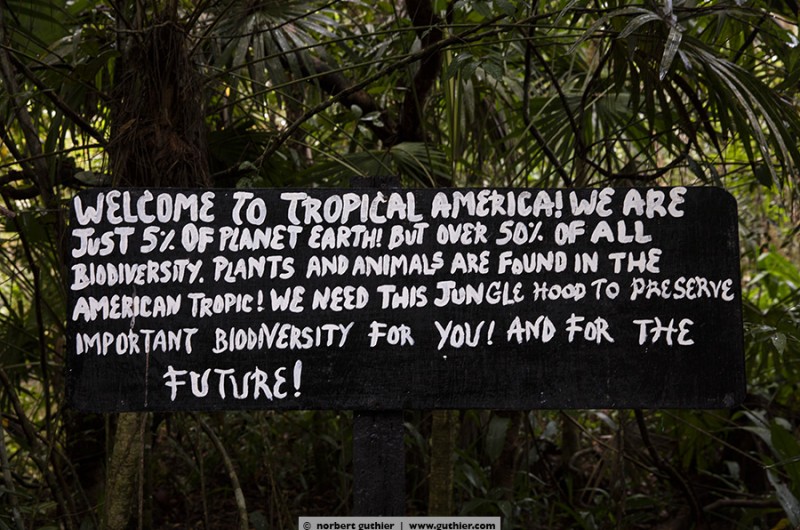
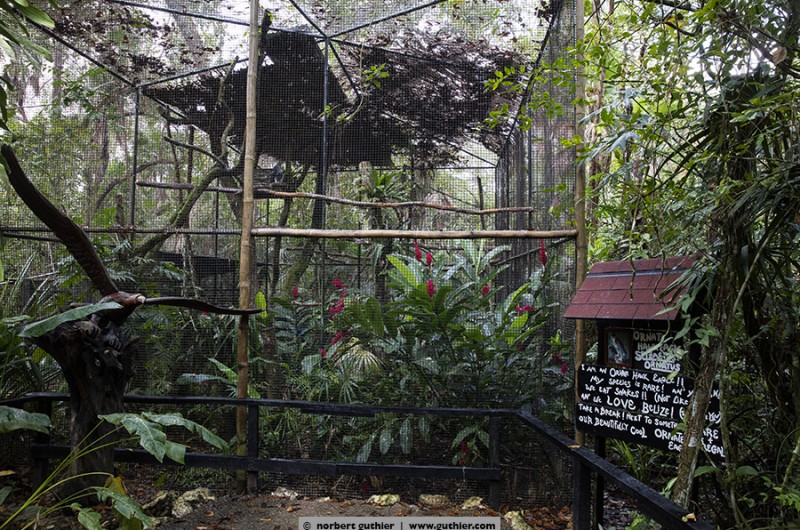
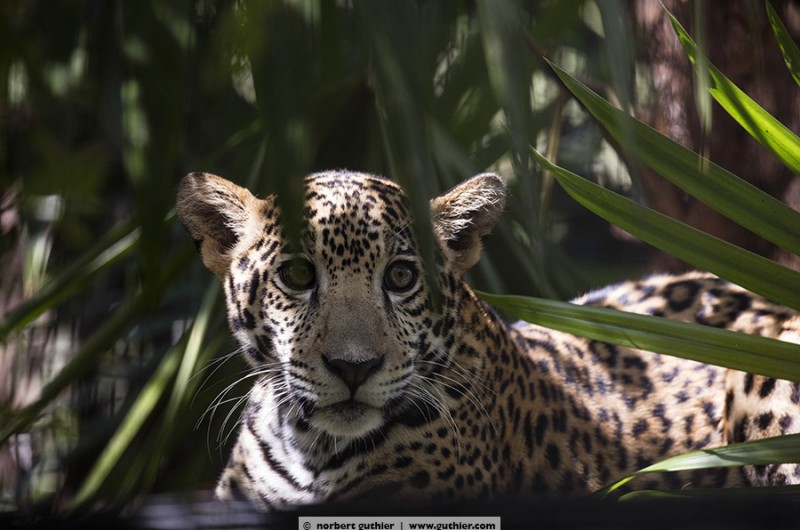
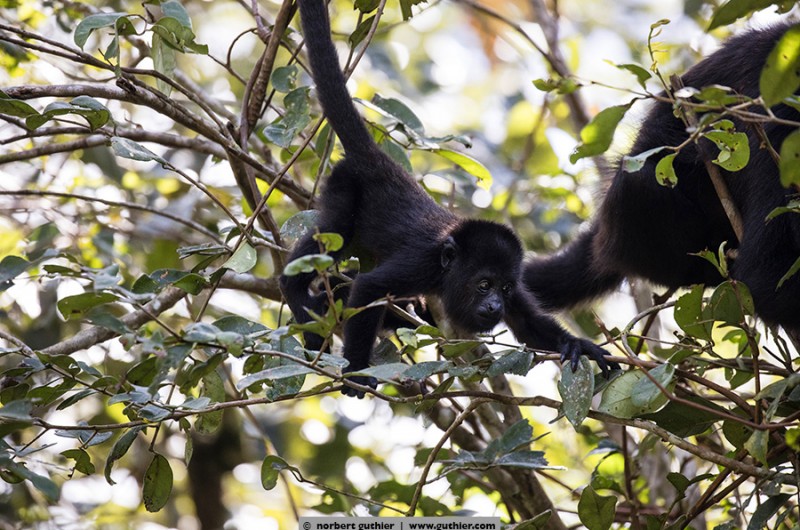
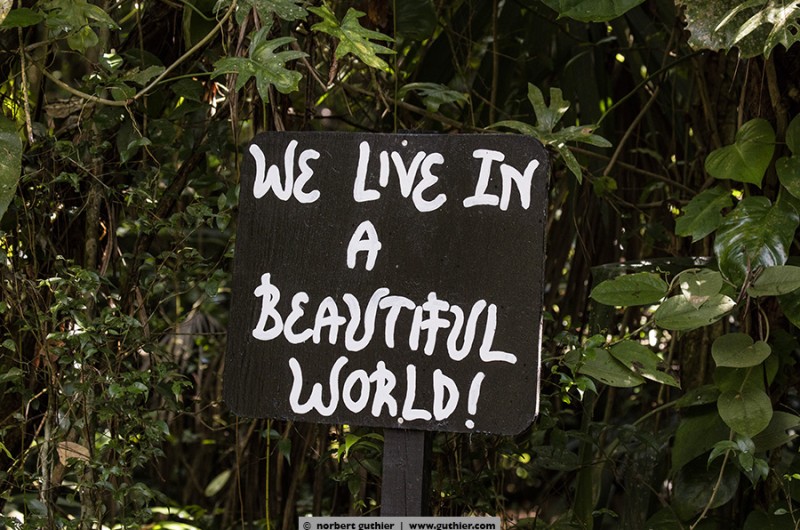
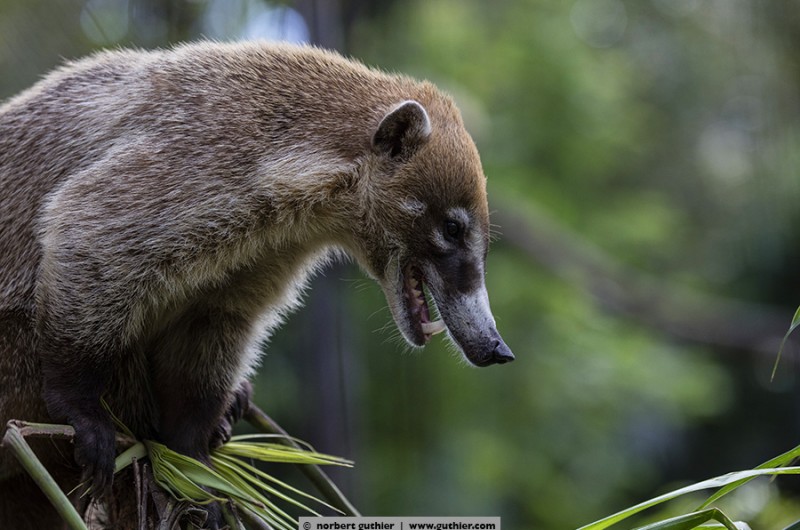
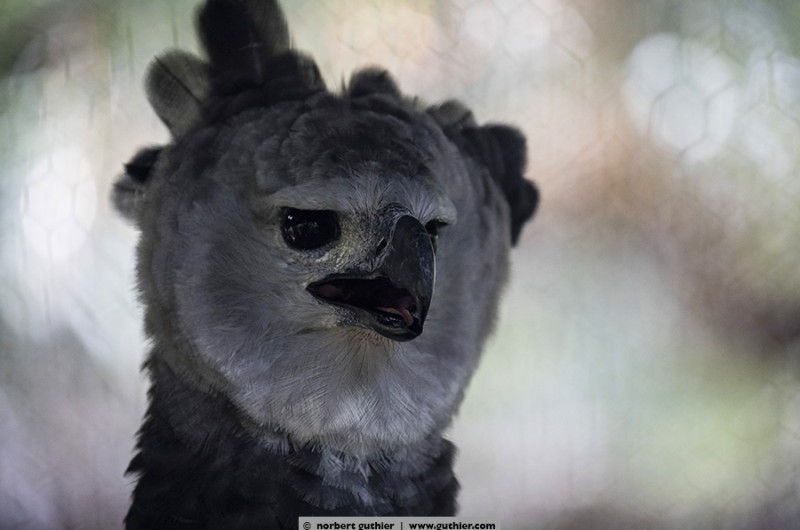
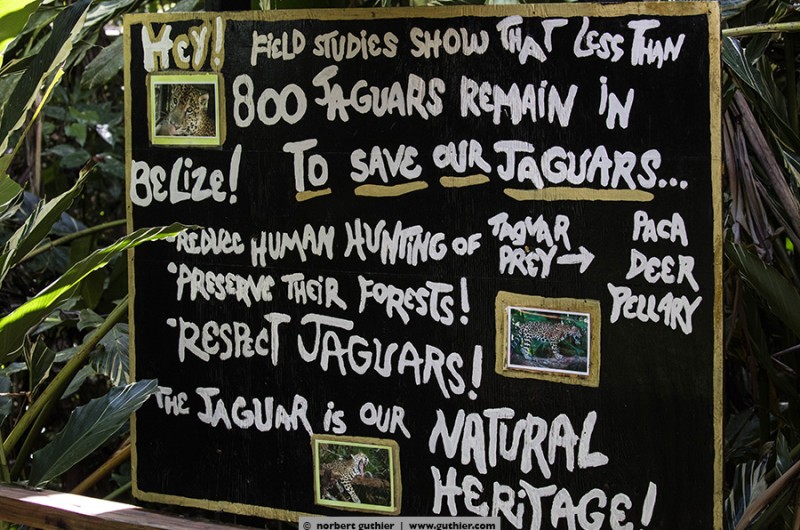
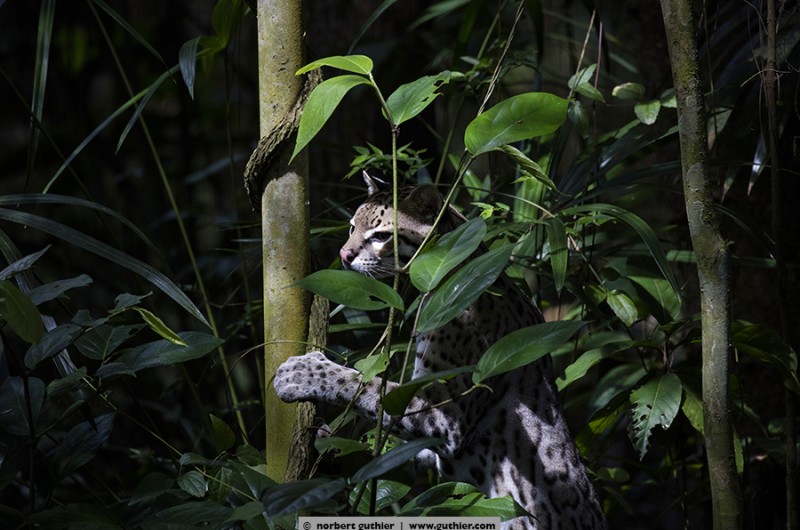
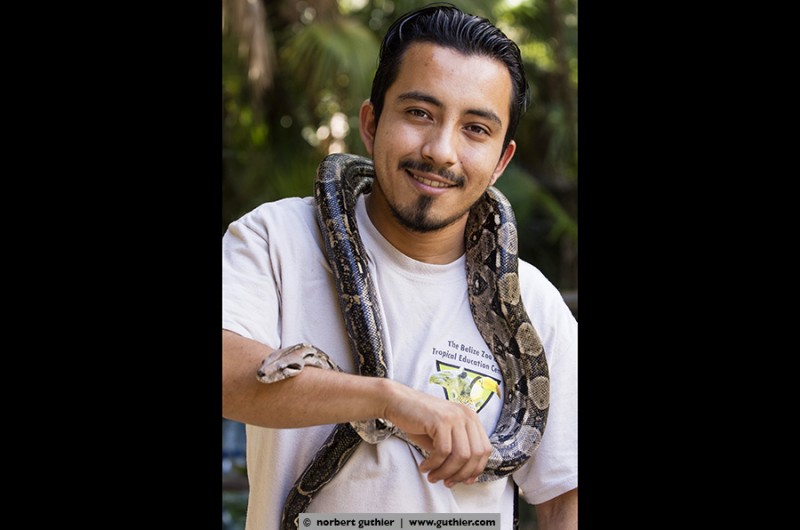
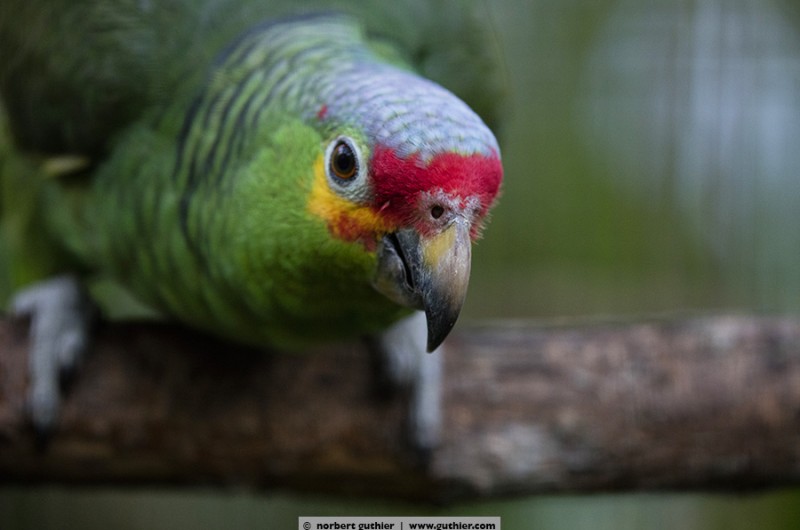
Actually, I dont like zoos but the belize zoo is an exception. There are only native animals in their close to nature cages and almost all had been confiscated by illegal holders. Besides, there is no possibility to reintroduce them to the wild again. Many signs are talking about the importance of environmental protection and a walk through the zoo is like a jungle-walk. Great. 

Cockscomb basin wildlife sanctuary / belize


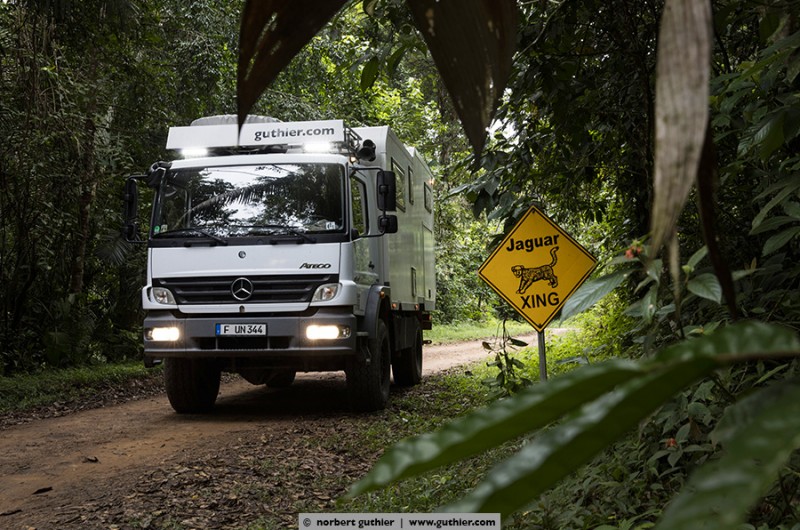
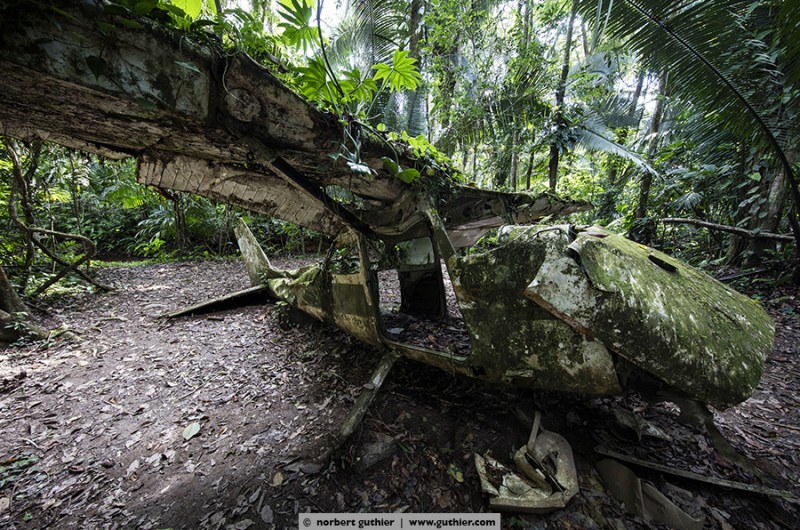
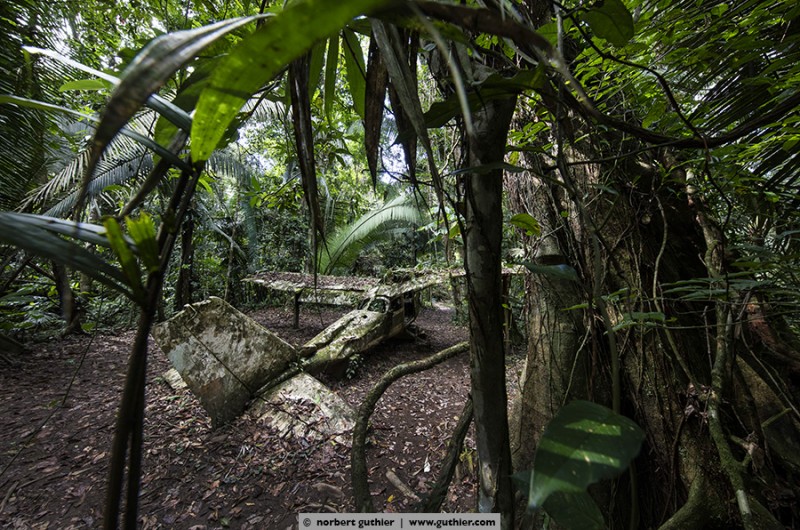
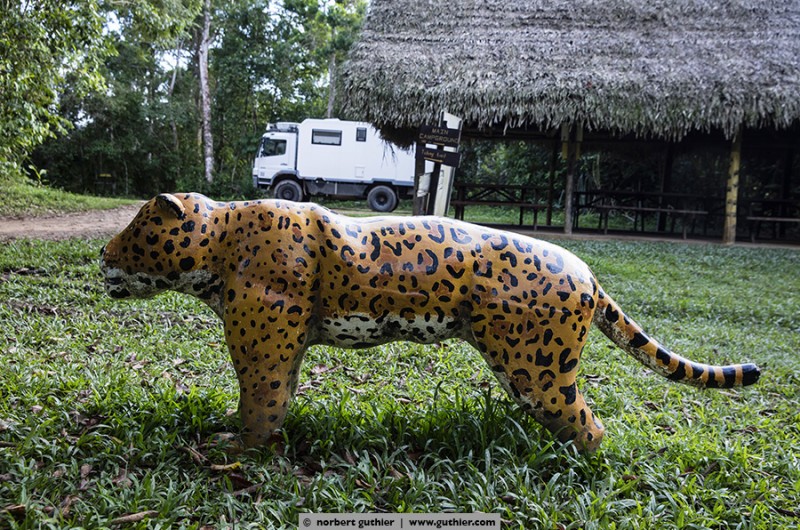
Dr Alan Rabinowitz has been described as ‘the Indiana Jones of wildlife conservation and he is the guy who first had surveilled the cockscomb basin and discovered that this area has the highest amount of jaguars in the world. By the way, he, the pilot and the photographer, were slightly injured in this plane crash, and the wreck is now swallowed up by the jungle. (see pictures) Thanks to dr. alan rabinowitz, an area of approx. 3600 hectares was put under protection in 1986, which was quickly expanded to 128,000 hectares until today. 60 – 80 jaguars live in the cockscomb basin wildlife sanctuary and because you can look only a few meters into the dense jungle, it´s equal to a jackpot in the lottery to get one of these animals in front of the lens.
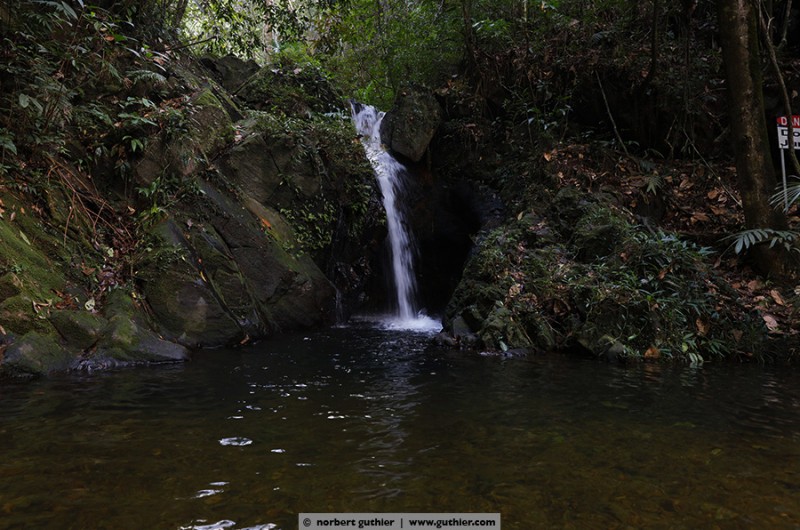
Thanks to dr. christof schenck (frankfurt zoological society), who recommended us to visit this natural gem.

yaxha


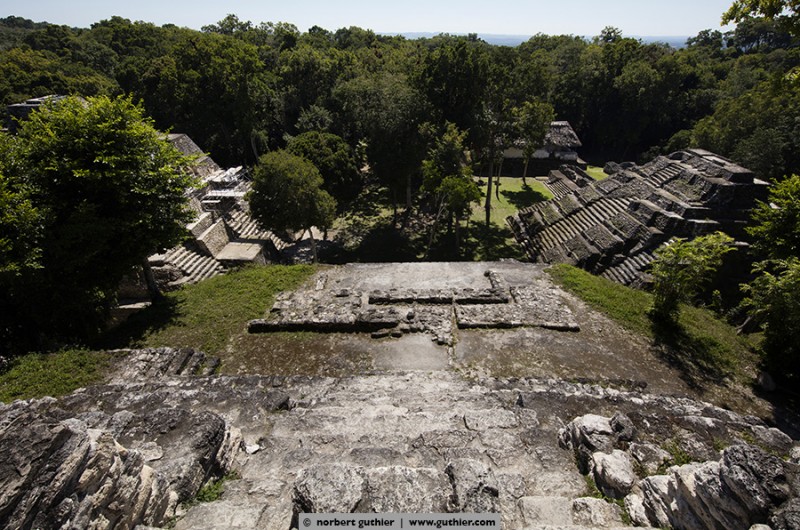
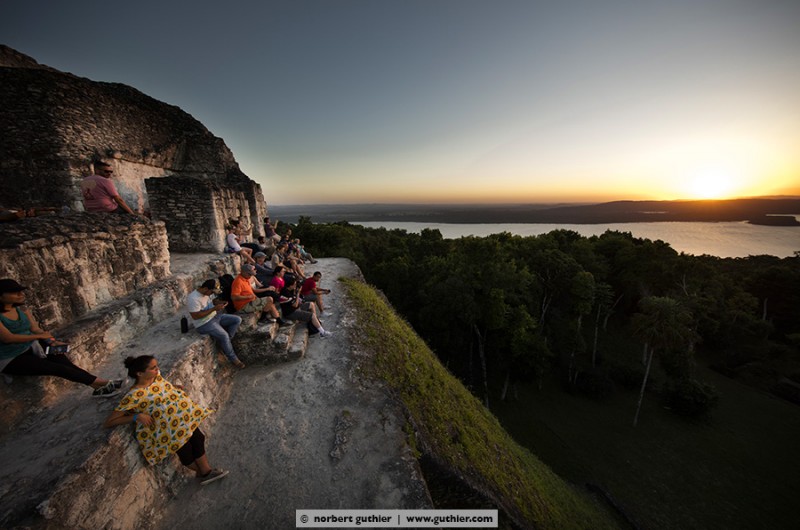
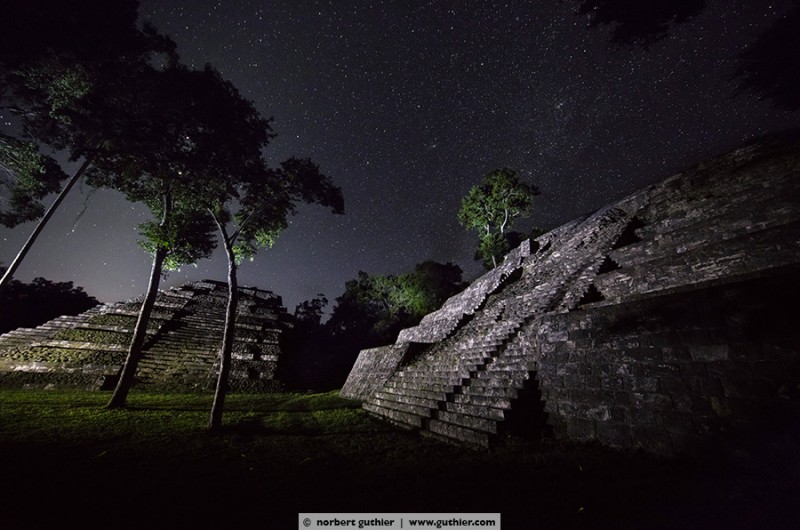
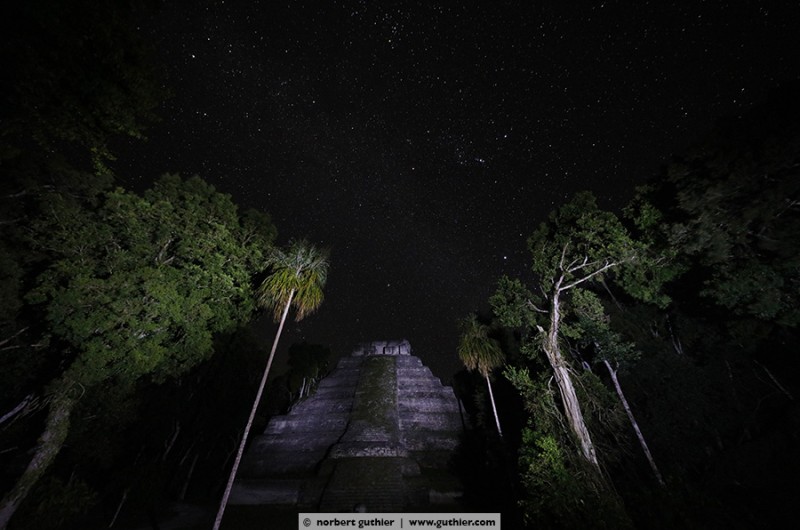
just a few impressions from this interesting mayan site…

tikal


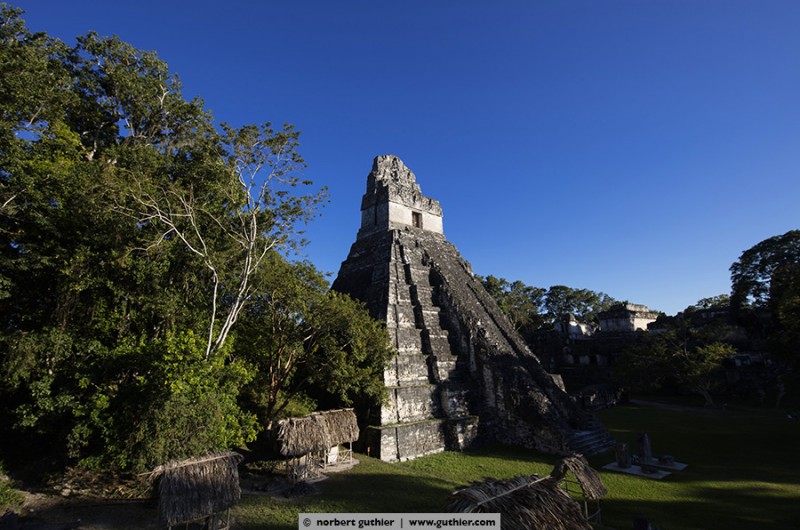
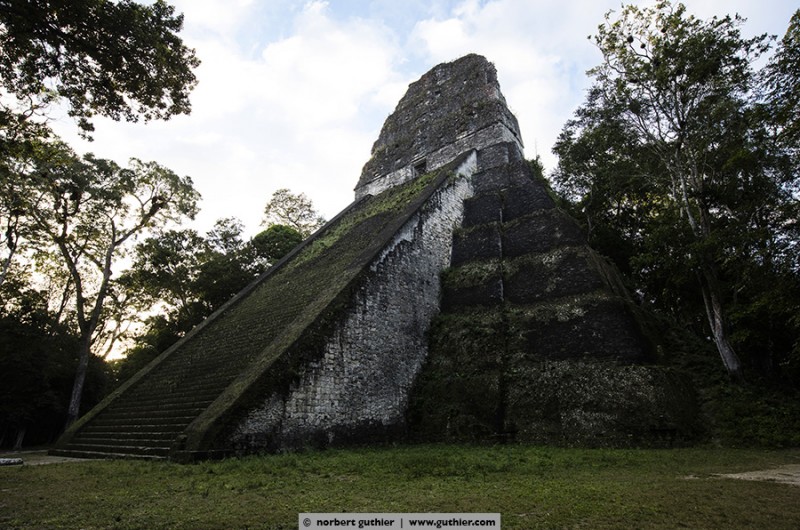
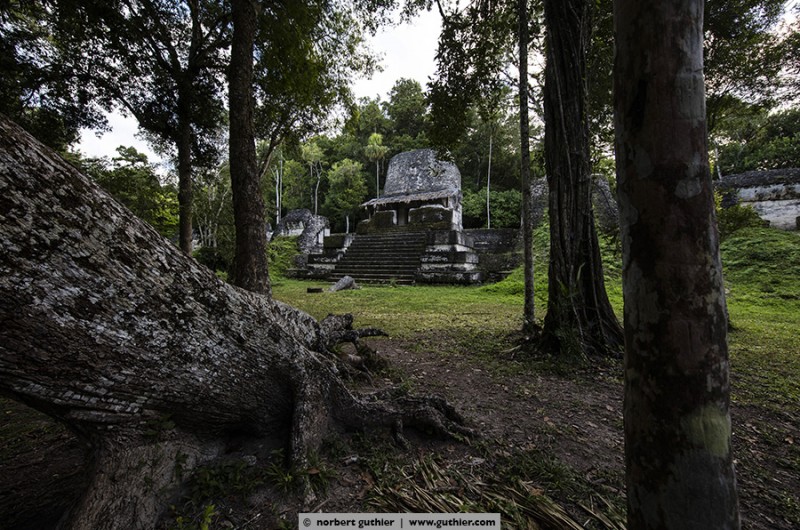
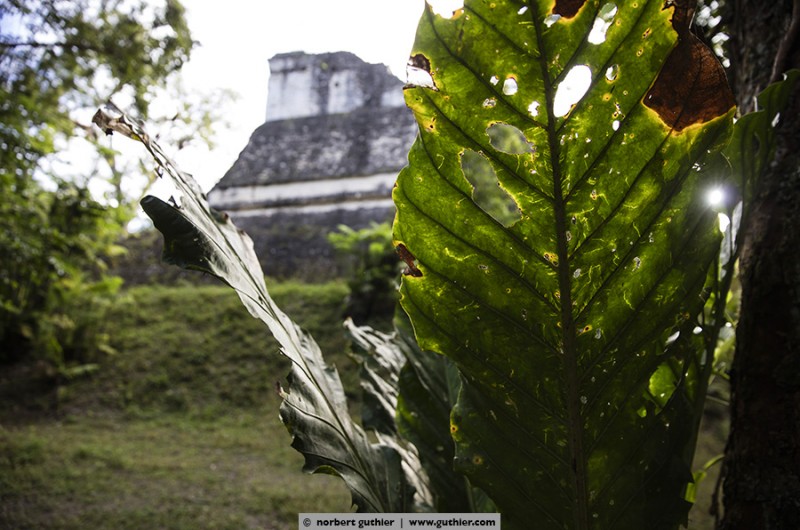
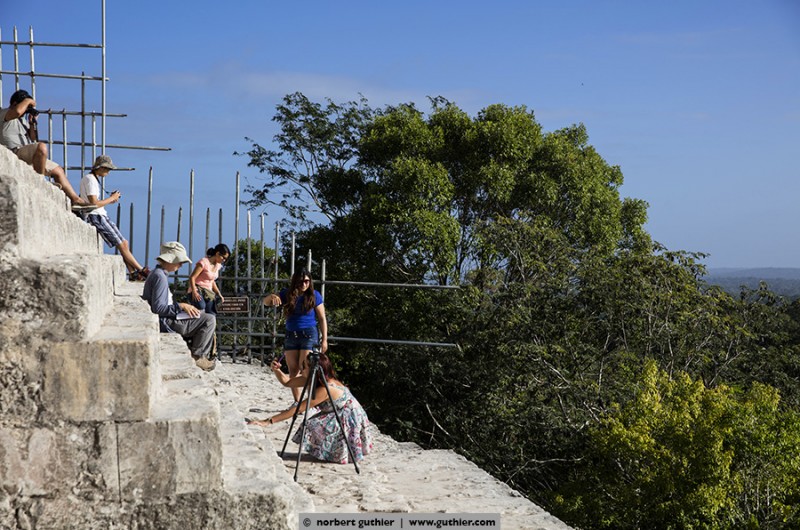
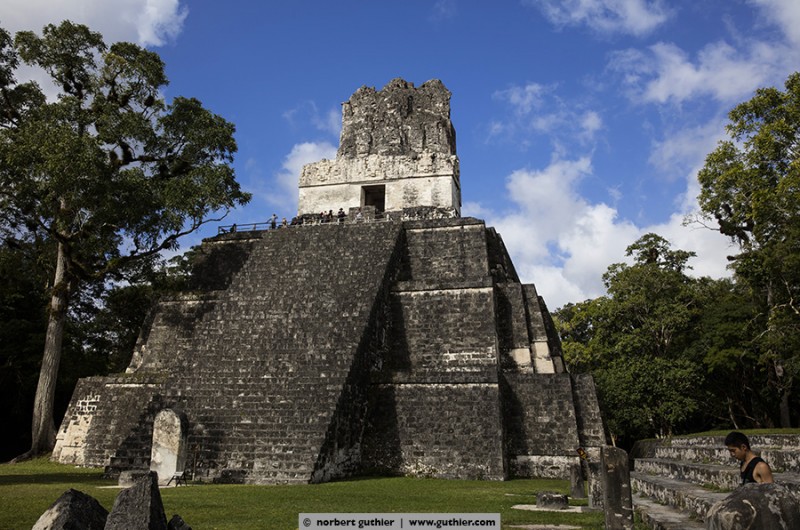
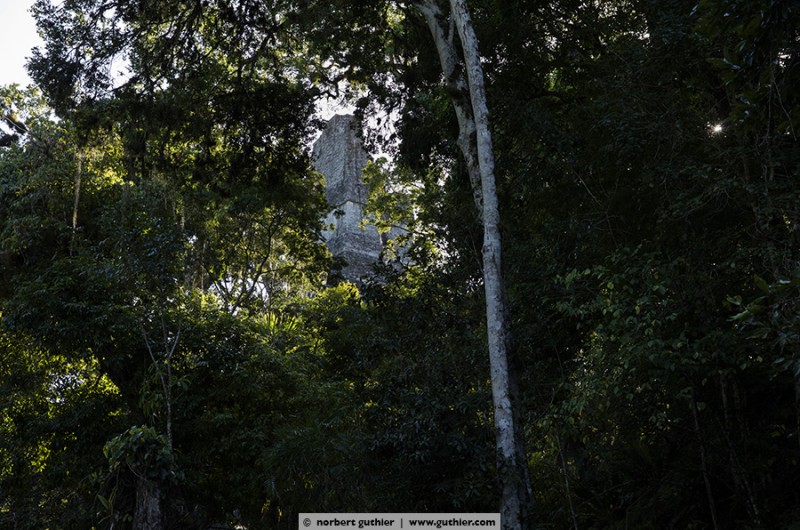
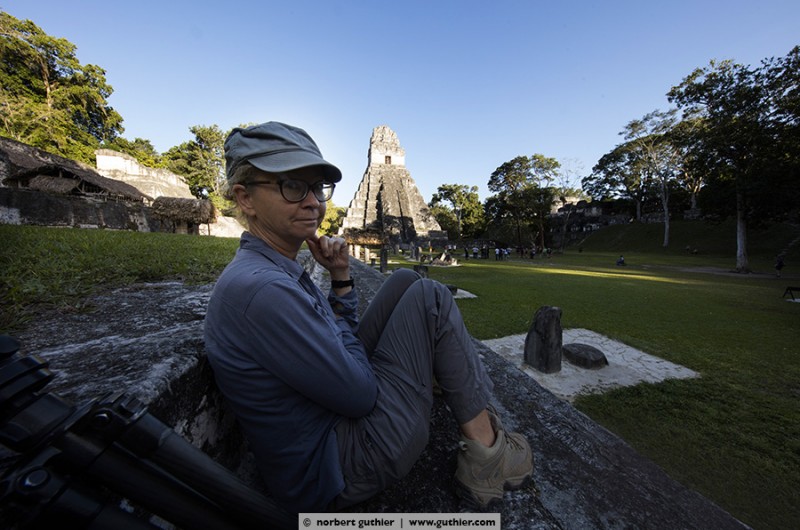
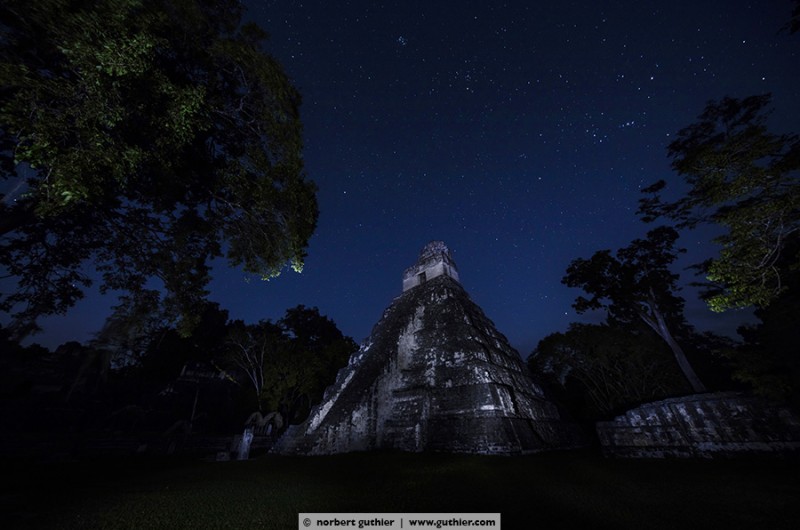
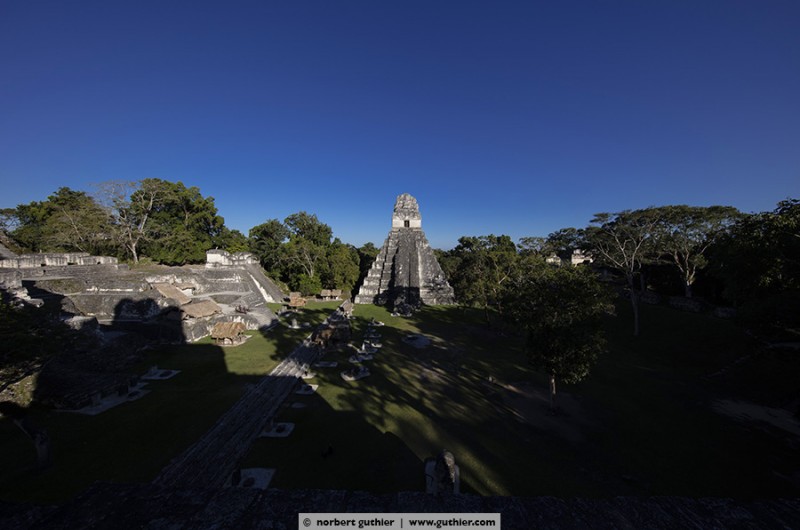
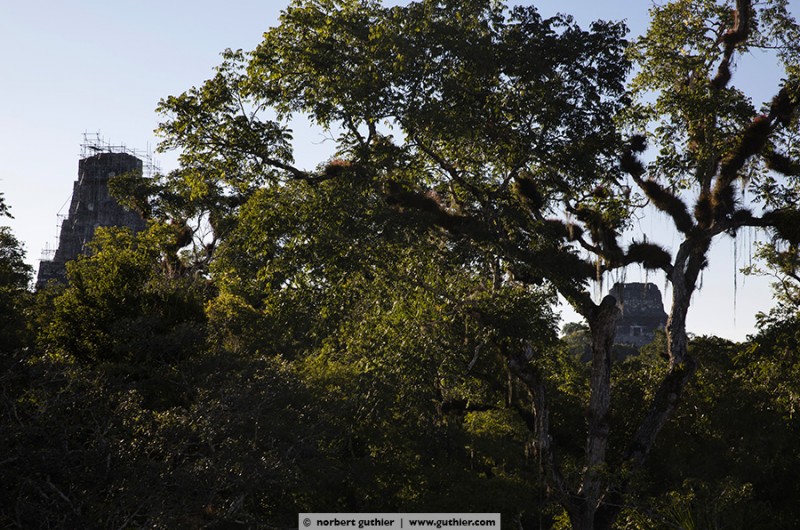
once tikal was one of the most important mayan sites and the ancient city is located in the rain forest of the petén. The petén was considered as the seventh largest rainforest area on earth but on our way from rio dulce to tikal we hadn´t seen rainforests – instead there was maiz fields, cattle pastures, oil palm trees and waste land.

From the beginning of the 3rd century there was a lot of activities in tikal and in honor of the gods they had to build temples, pyramides and of course residential sites for the kings. Tikal subdued neighboring cities and had a long enmity with calakmul from which it was hammered down 562. But in 695 there was the revanche and calakmul was subjugated, this meant for tikal a new heyday.

in the city and in the surrounding area there once had lived up to 200.000 humans but in the beginning of the ninth century suddenly the game was over. Why the exodus came remains unclear up today but one assumes that an extreme drought happend between 800 and 830.

Perhaps the mayas had cleared too much rainforest for growing crops etc. and thus might had changed micro climate?