ende
Blog Archives

vulcano masaya / nicaragua


Backwards to the crater rim.

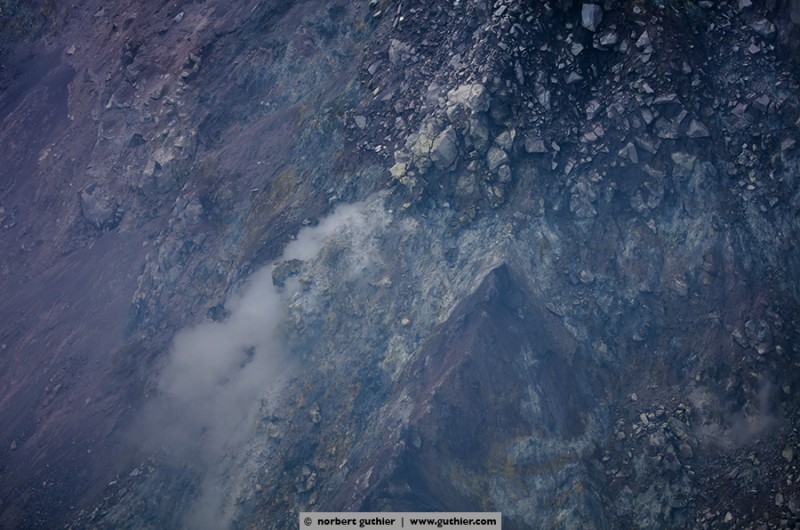
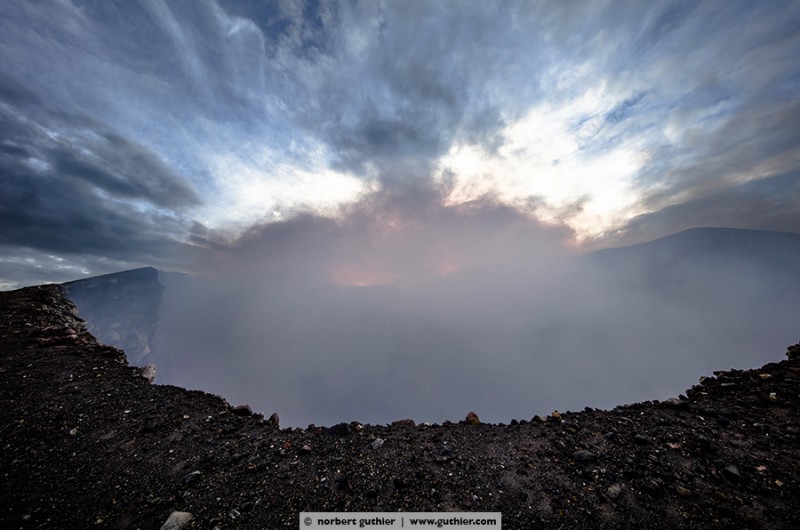
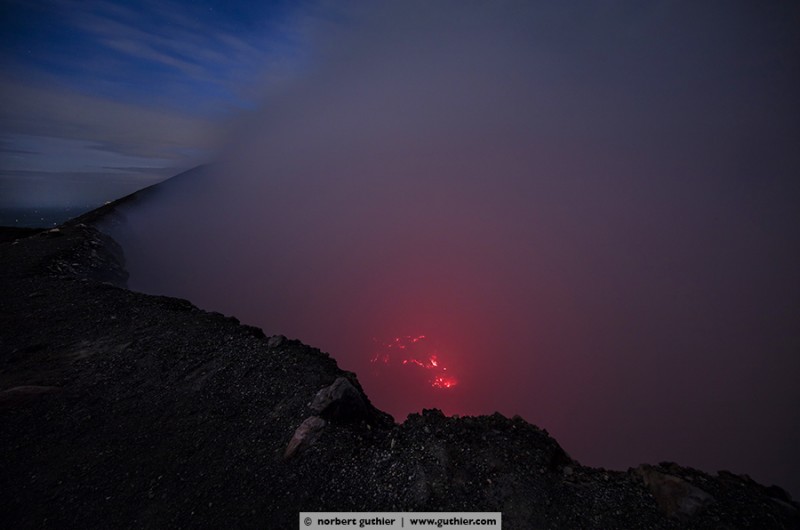
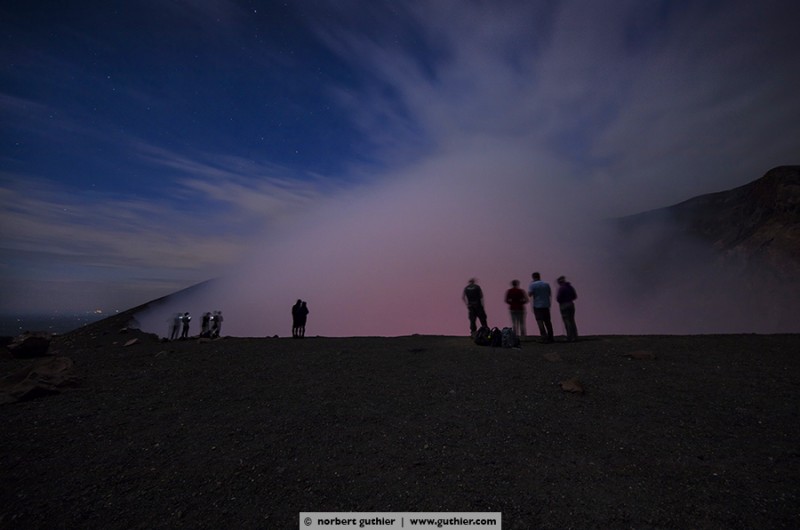
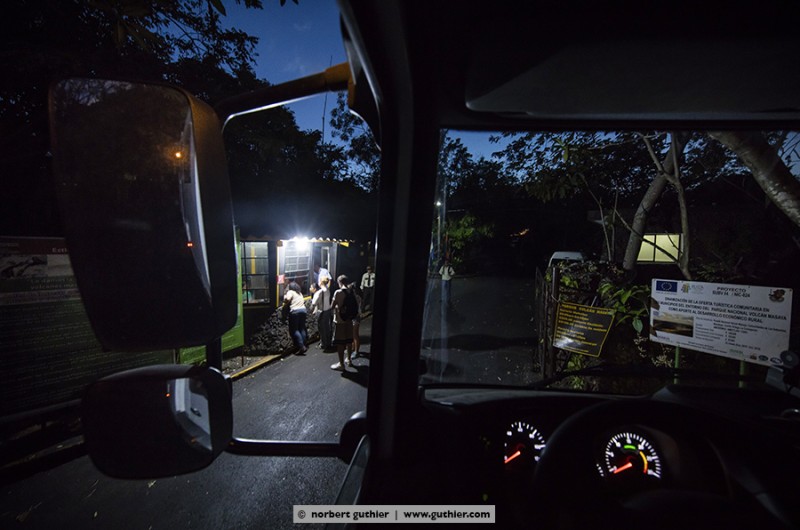
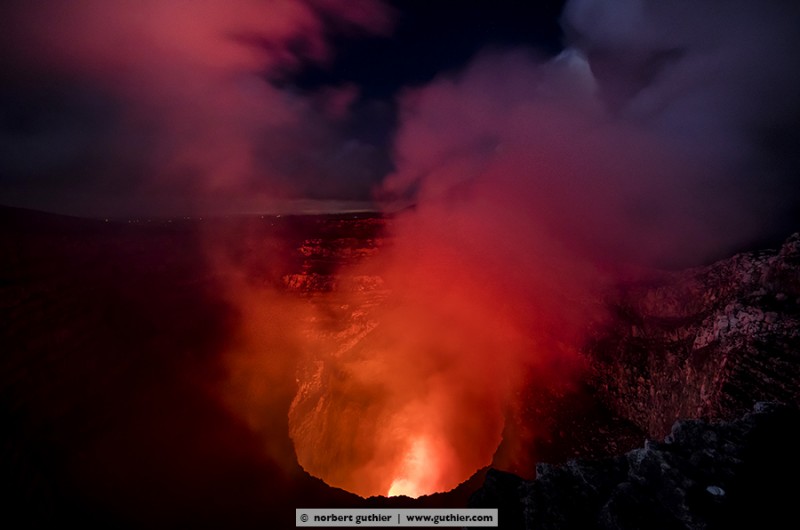
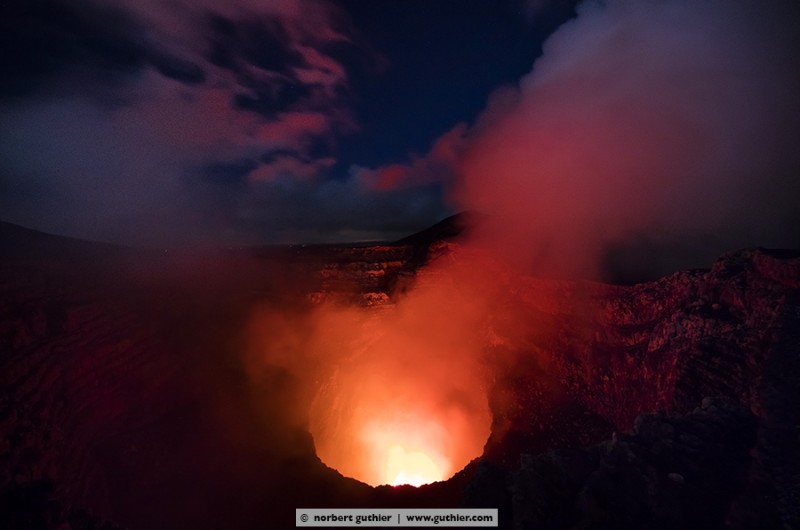
The park management of the masaya crater has come up with something special for photographers. There is a daytour that ends at 4pm and there is a nighttour that starts at 6pm. Now, at the beginning of december, the sunset is before 6 o’clock and until the barrier to the driveway is finally opened, the last bit of interesting twilight is gone and it is pitch-dark. Crap!

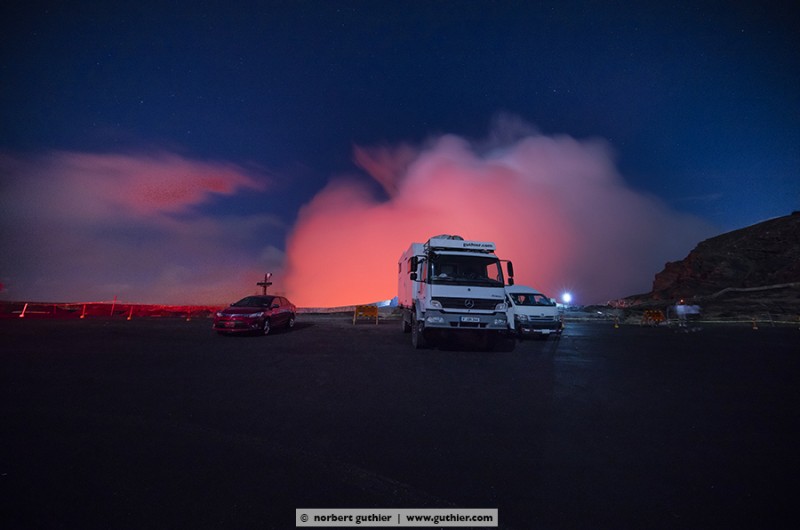
A crowd of about 20 cars are allowed to drive up to the crater, then the barrier closes again. Once at the top, you have to back up, – to the crater rim. Unbelievable, you walk less than 30 feet until you can look into masaya`s abyss. Well, the car points in the direction of escape …

vulcano telica

vulano san cristobal

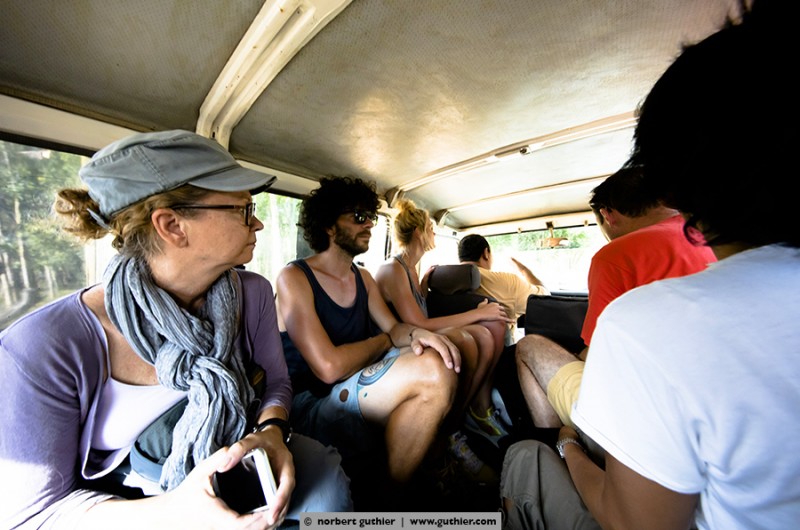
The telica is about 3480 feet high and one of the most active volcanoes in nicaragua. Unfortunately, the driveway is very narrow and densely overgrown, no getting through for our truck.

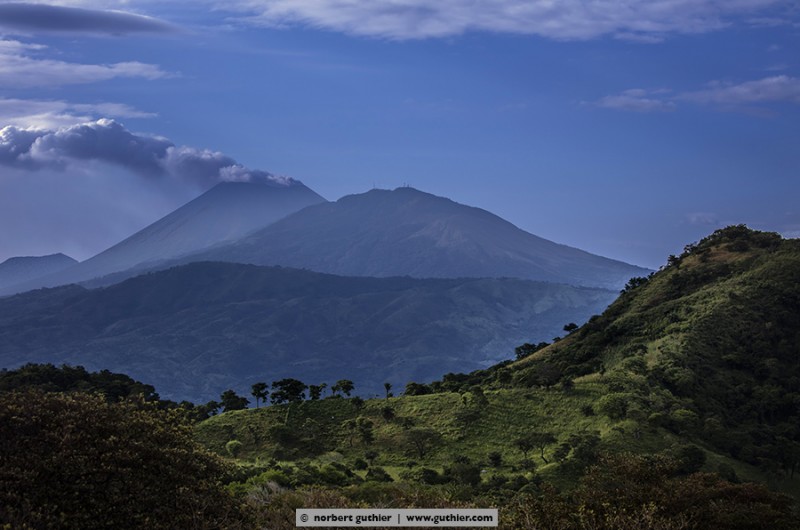
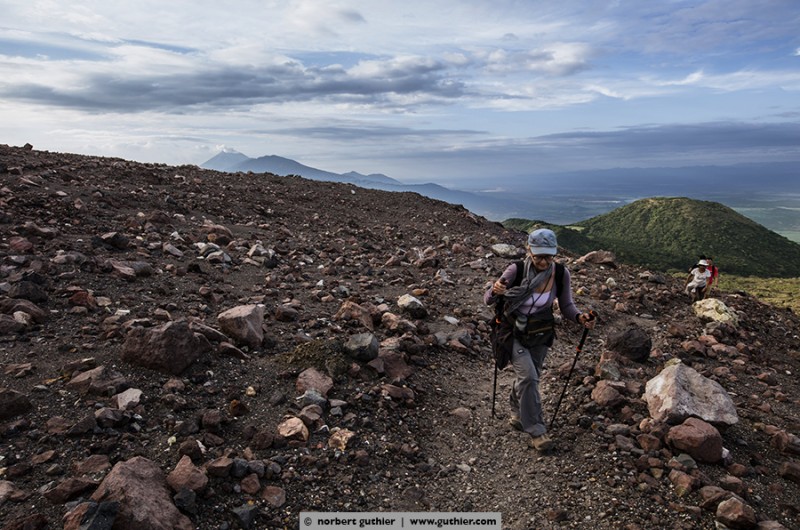
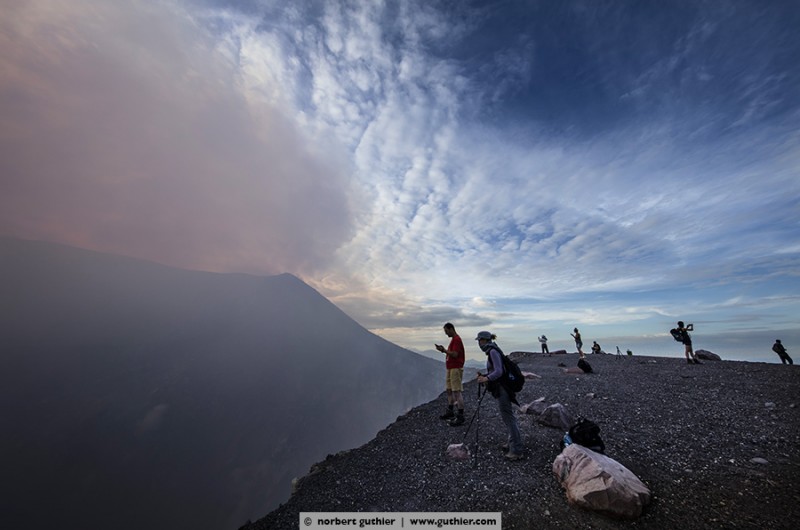
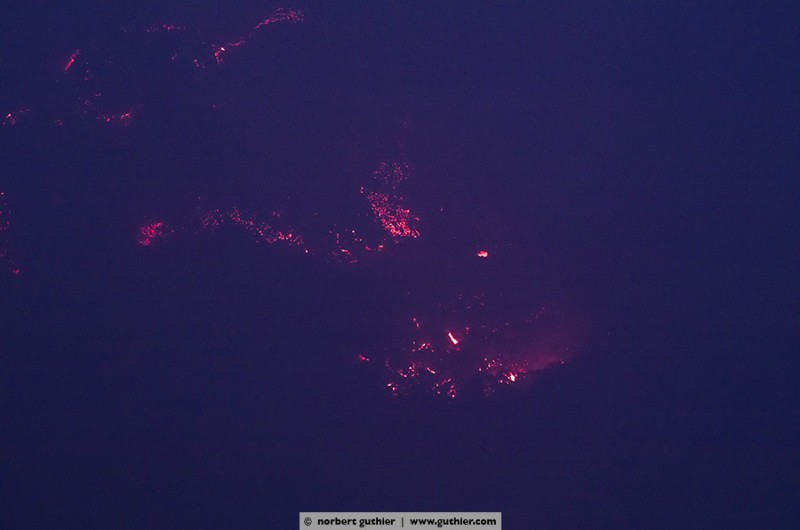
The telica is only 10 miles away from the city of león and this vulcano is part of a whole chain of active volcanoes in nicaragua, and when climbing up to the crater you can see the other mountains smolder. The main crater of the telica has a diameter of 2300 feet and – when it´s getting dark and the view is clear – you can see lava at the bottom of the crater in about 400 feet below the rim. The glowing lava then iluminates the rising steam reddish. A “must see” on a tour through nicaragua.

macaws


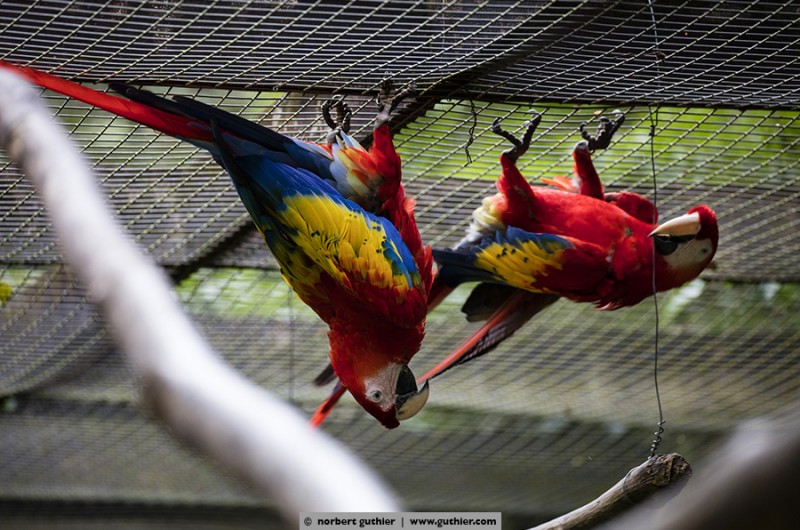
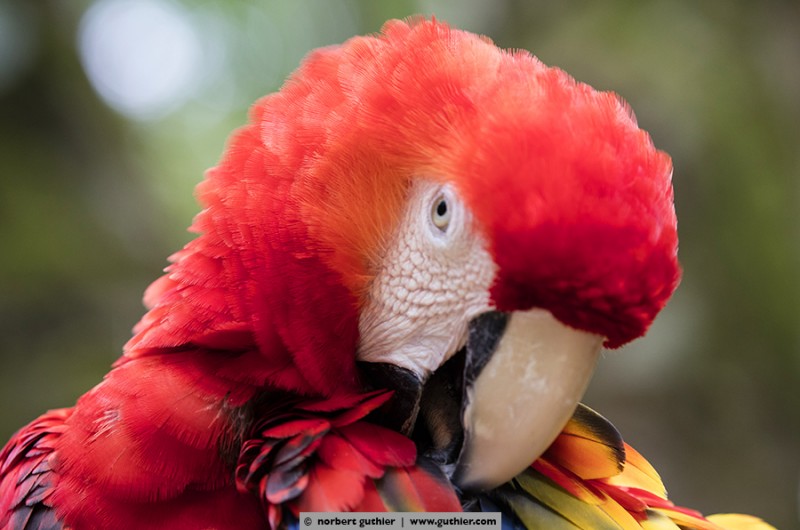
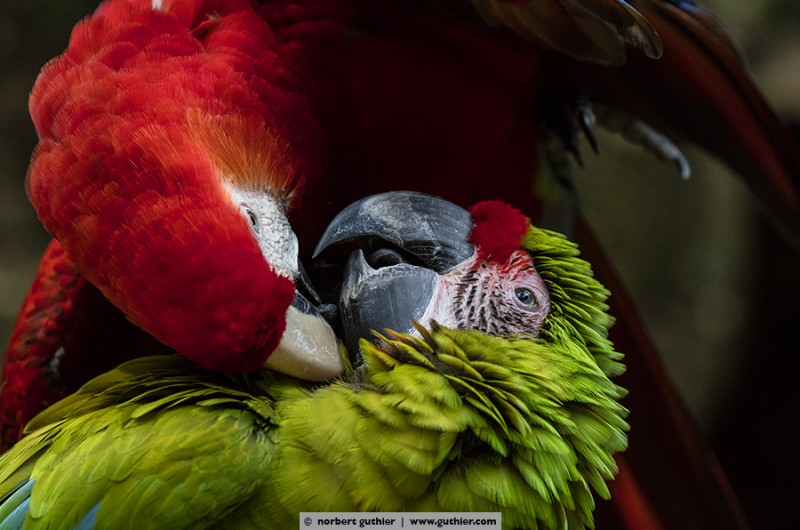
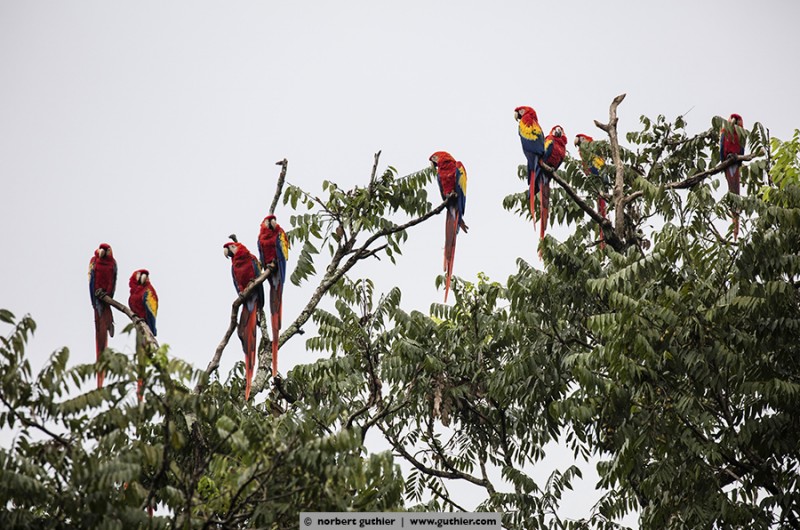
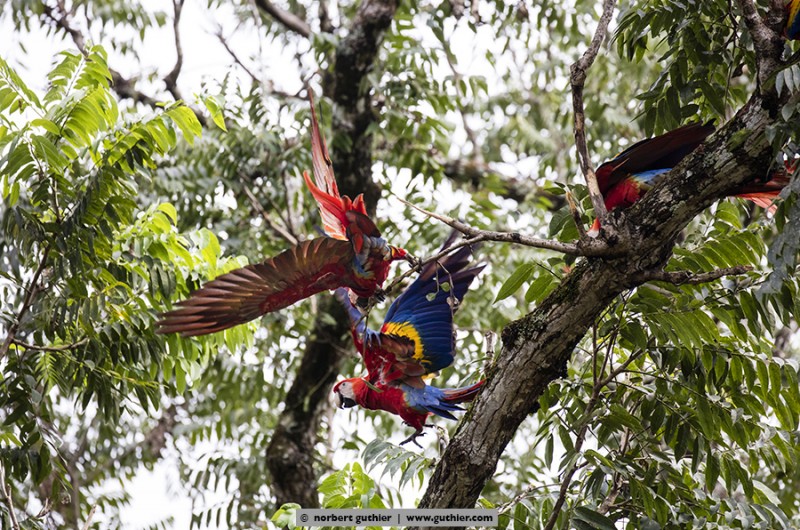
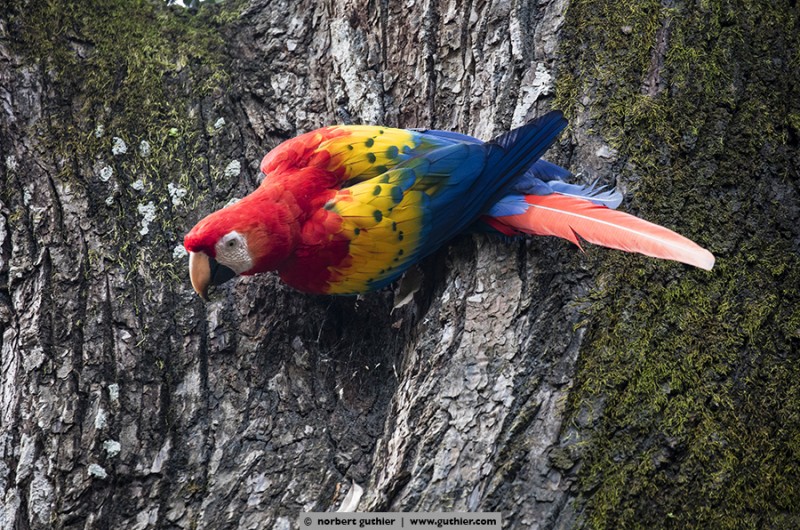
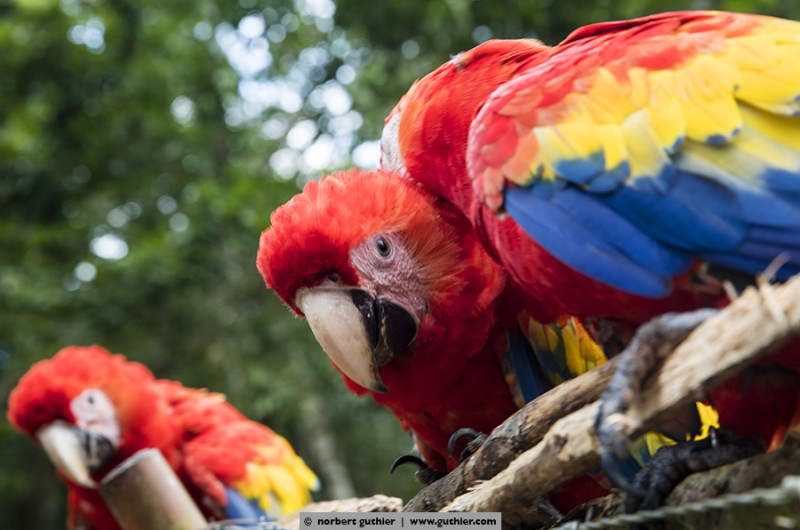
We were surprised to see a large, wild colony of macaws at the entrance to the ruins of copán. Perhaps a hundred of these impressive, large parrots screamed and flew in large groups over the ruins.

The population consists mainly from offsprings that had been released and their hatchlings. A few years ago the “macaw mountain park” was established near copán. This park takes care of macaws which were kept illegally as pets and, if possible, they introduce them into the wild again. Those animals which are too close to humans and aren´t able to survive in freedom, live and breed in large groups in aviaries. There, they raise 4 to 5 chicks each year, while their colleagues in the wild only raise 1to3 chicks every few years due to lack of food and other hazards. And after the offsprings had learned to feed themselves, then it´s time to fly into freedom.


chicxulub crater


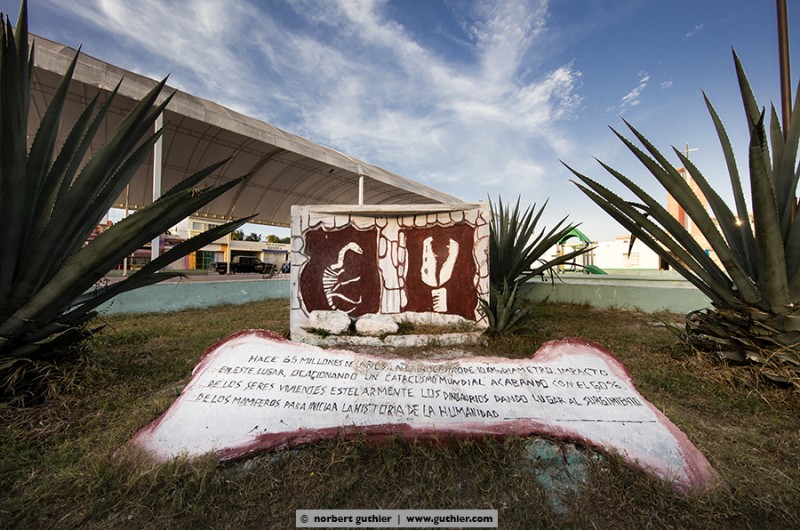
66.04 million +/- 32.000 years ago the chicxulub meteroit hit the yucatan peninsula (near the present village chicxulub puerto) and caused a crater in the diameter of 180km (inner circle) and 300km (outer circle), and it reached 20km into the earth. The meteroid had a diameter of 10km, was 20 to 40km / sec fast and exploded with the power of at least 200 million hiroshima bombs. Today the impact crater is not recognizable in the landscape, however, due to the shockwave many cenotes owe therfore their existence . The chicxulub meteroid was probably the last thing the dinosaurs had seen and with them nearly 75% of the biodiversity became extincted.

mangroves and flamingos

here is a short video about our canoe-trip trough the mangroves to the flamingos.

cenotes 2

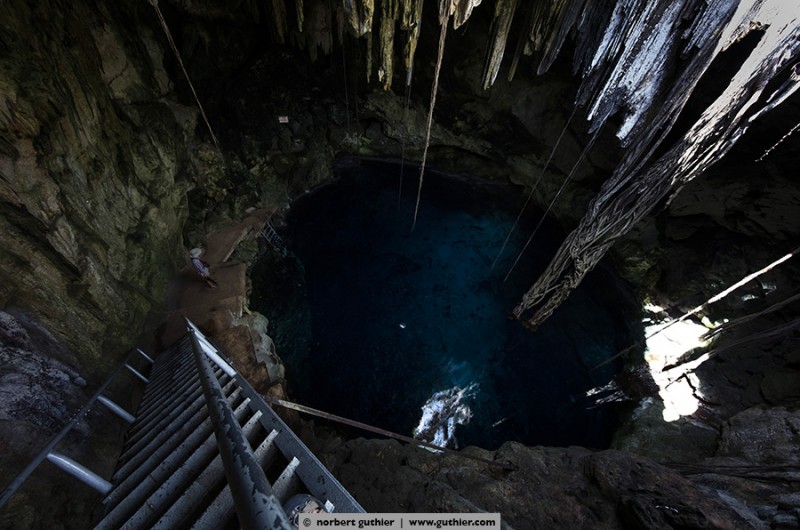
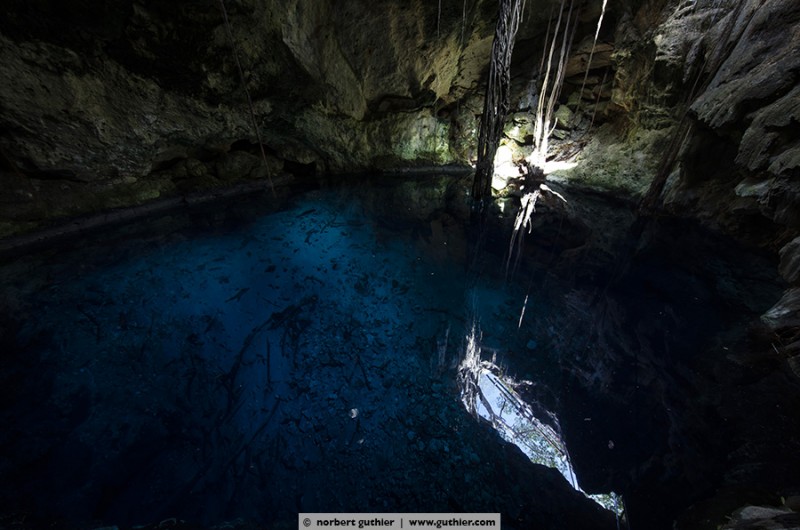
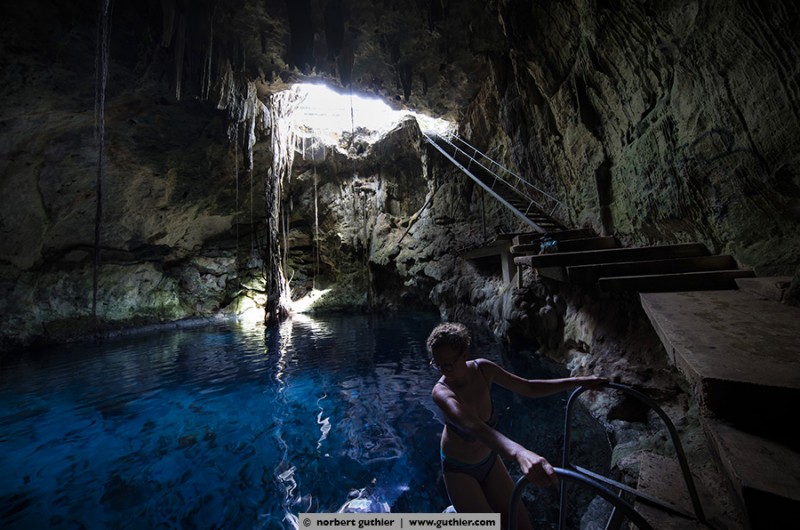
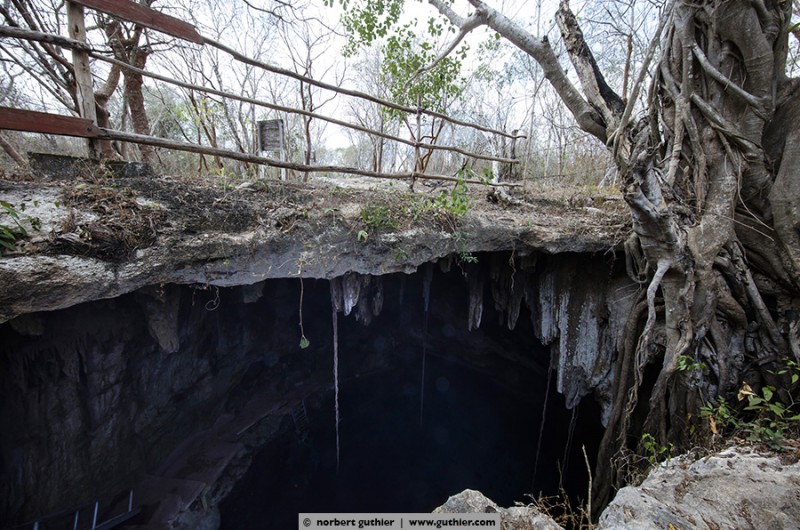
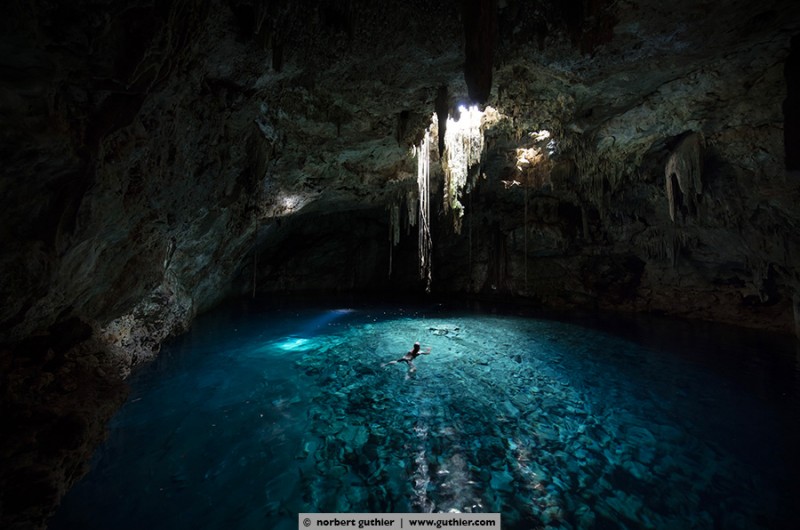
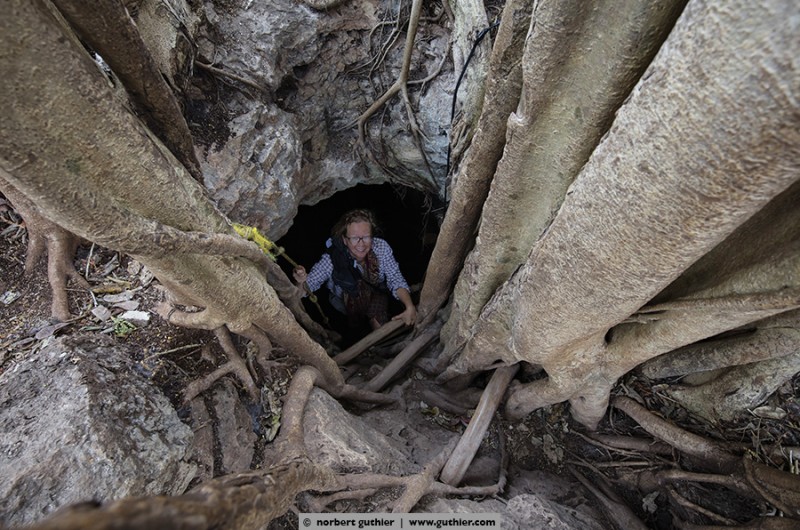
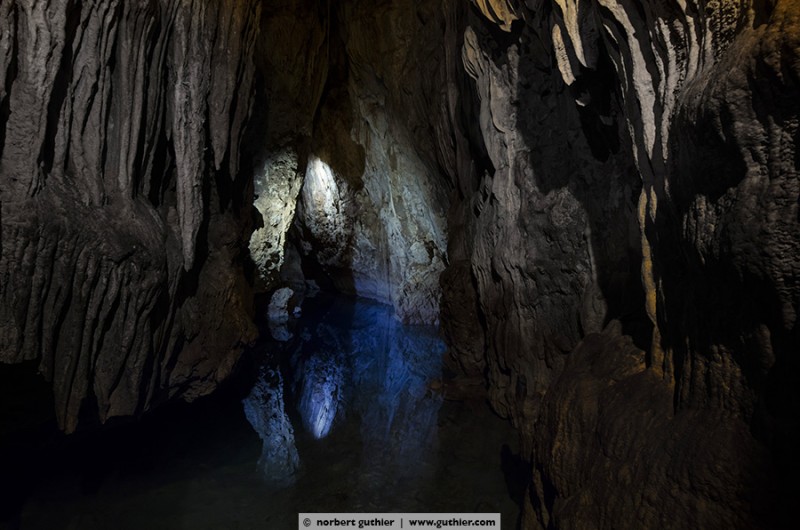
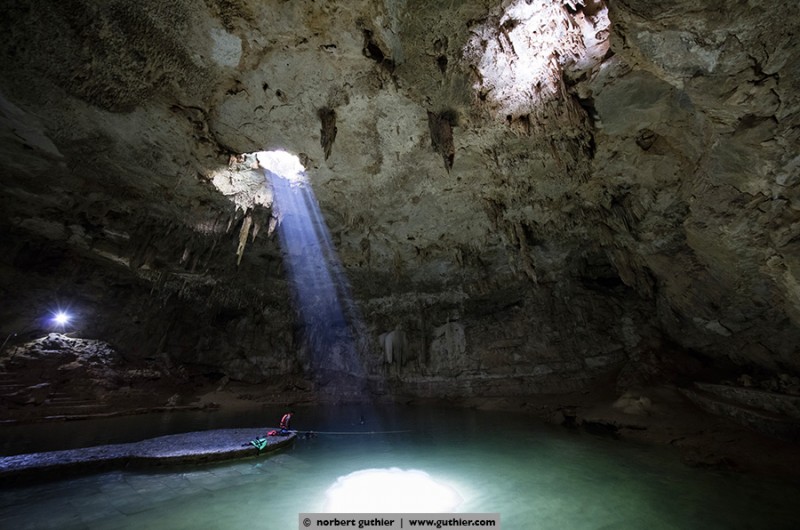
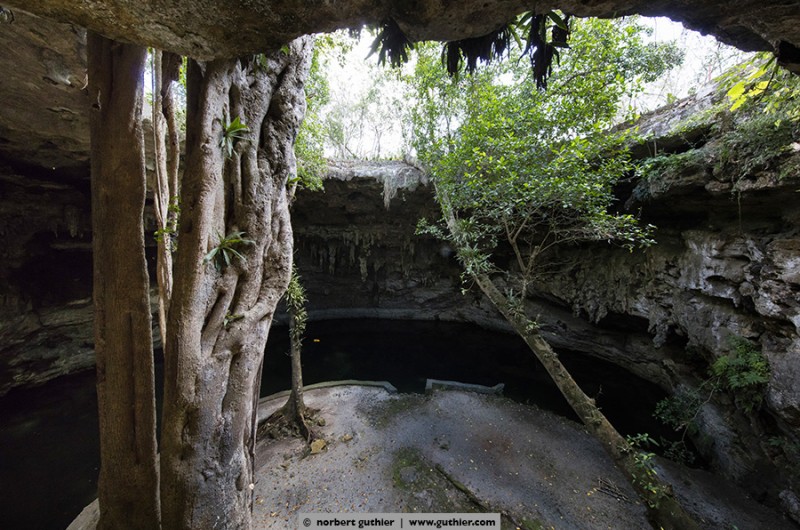
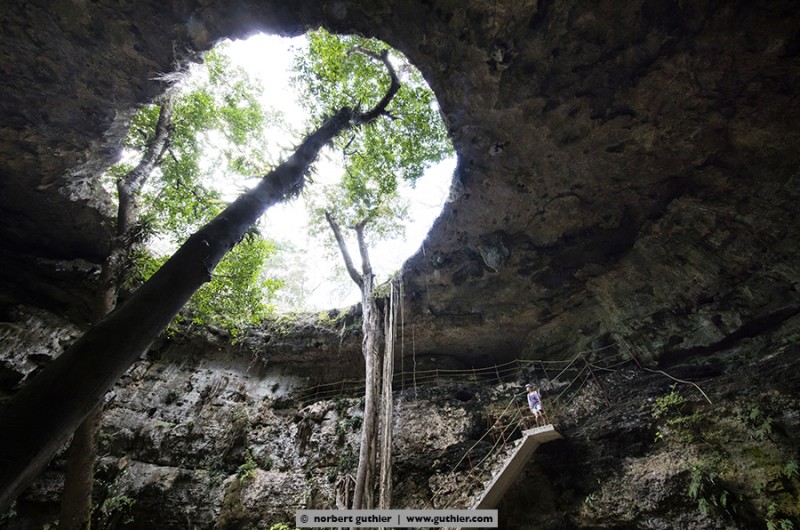
chelentún cenote chelentún cenote chelentún cenote chelentún cenote bolonchojol cenote chac sinik chè cenote  chac sinik chè cenote  chac sinik chè cenote

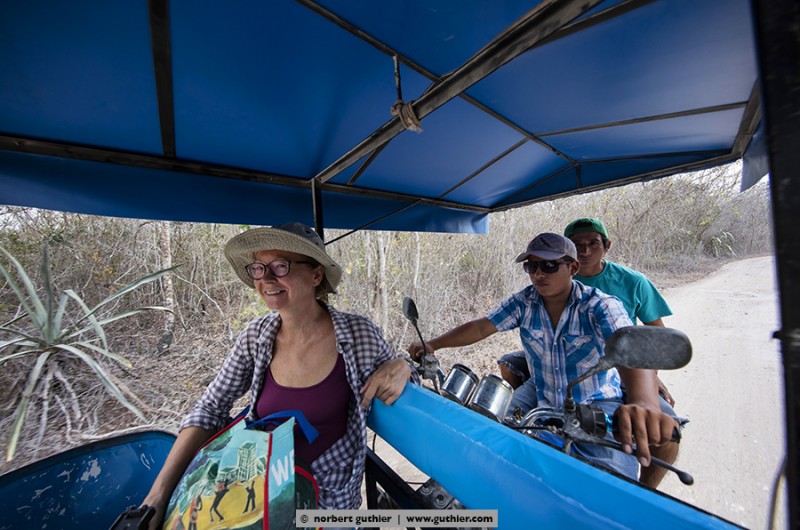
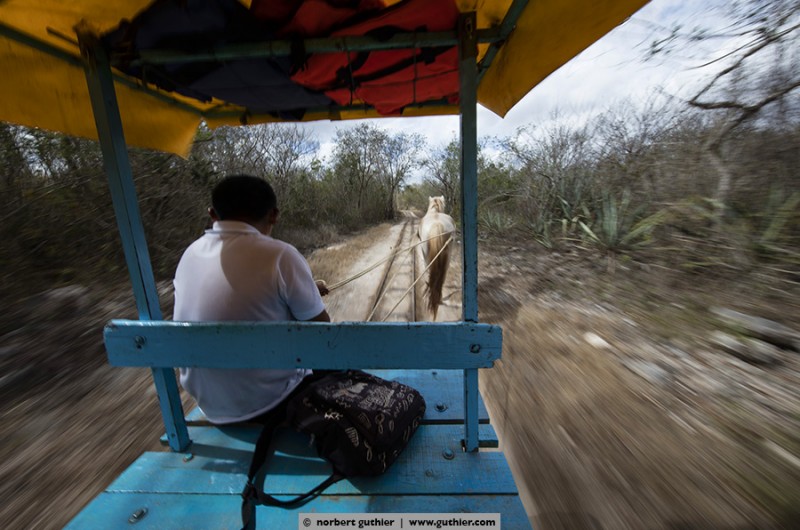
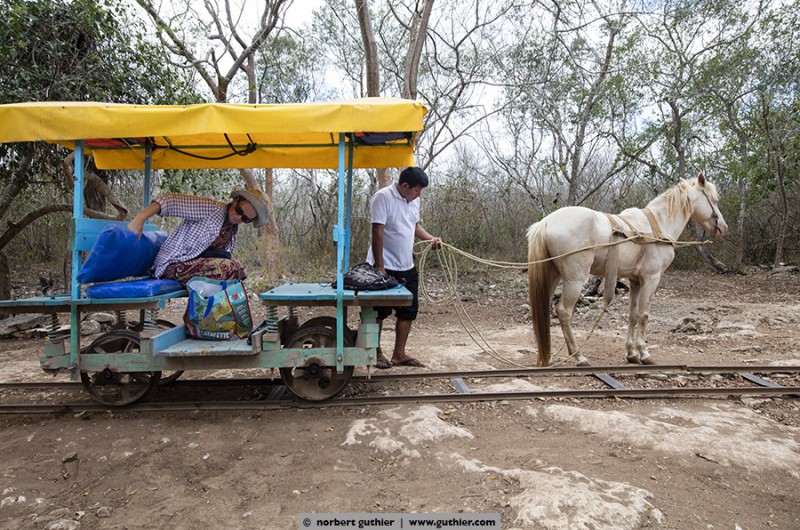
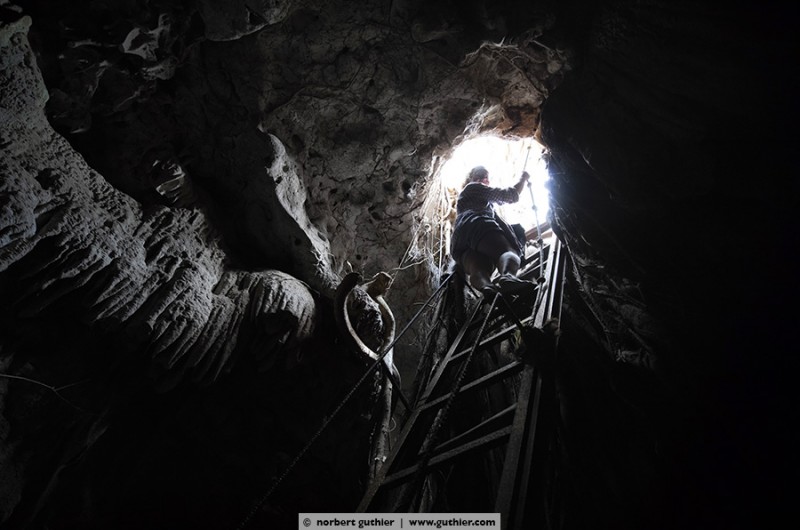
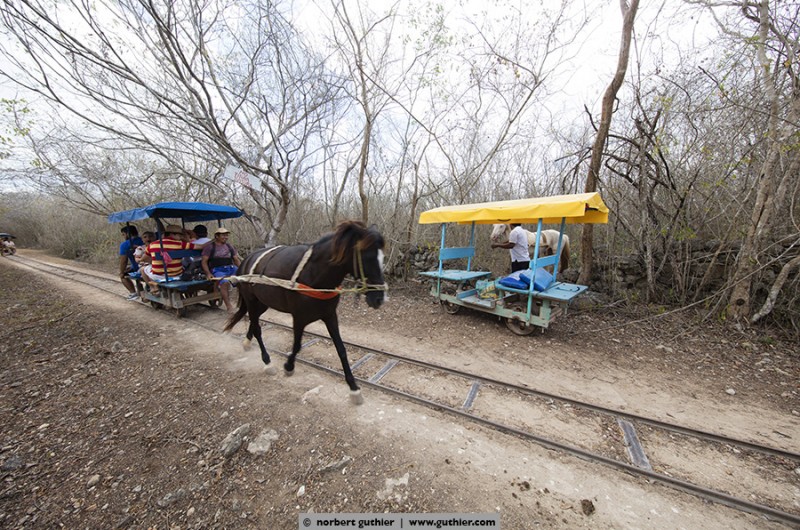
Not all cenotes are easy to reach by car, these are a bit out of the way and can be reached by trolleys towed by horses and bike-taxis. Exciting how different these water holes are!

cenotes

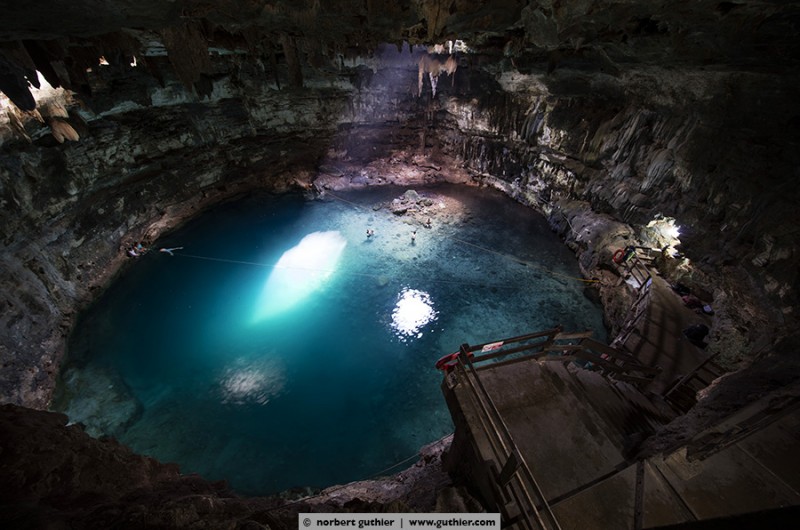
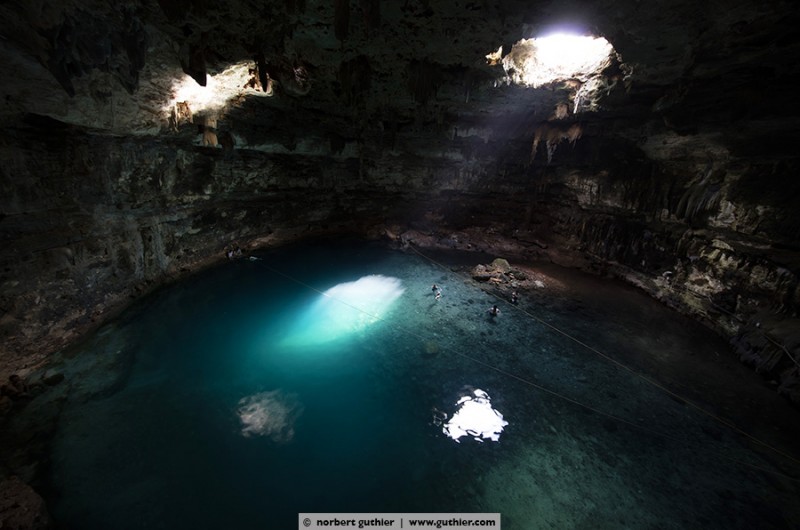
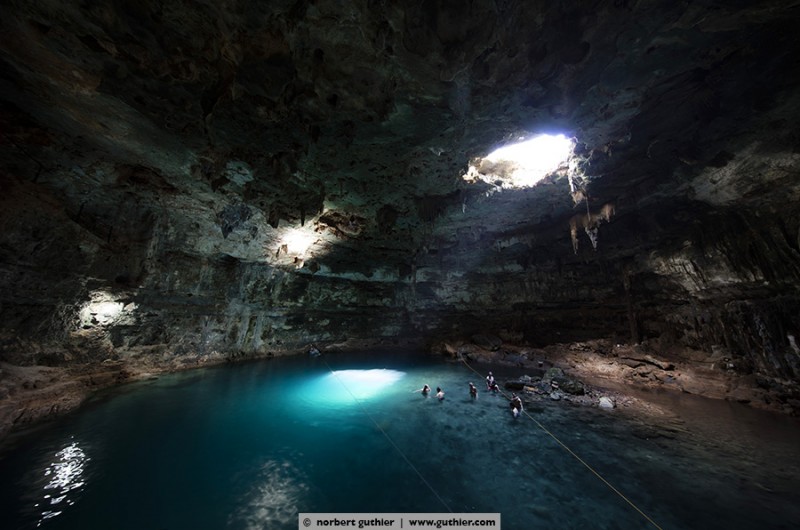
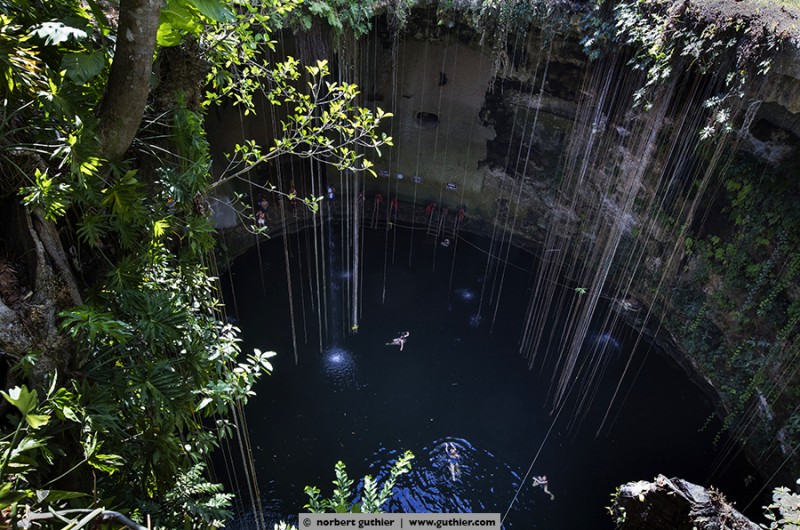
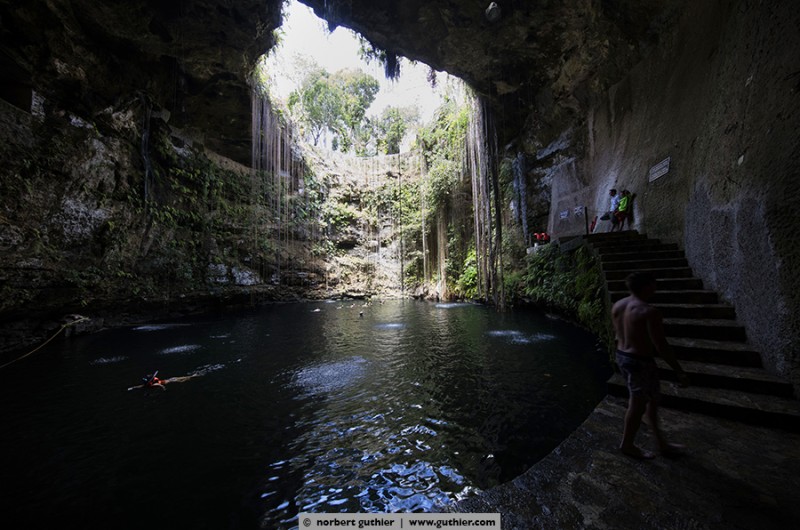
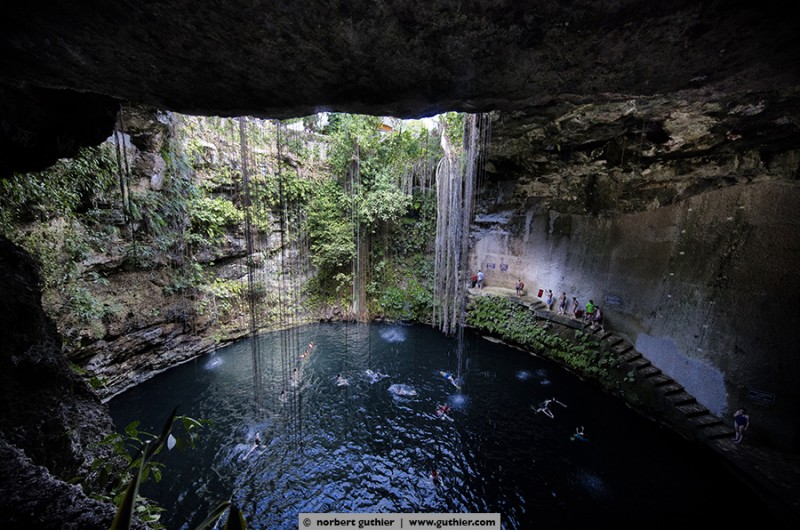
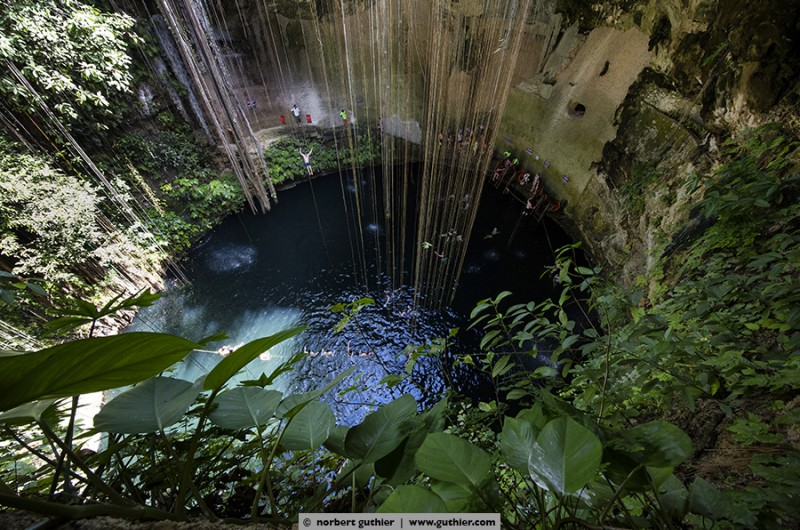
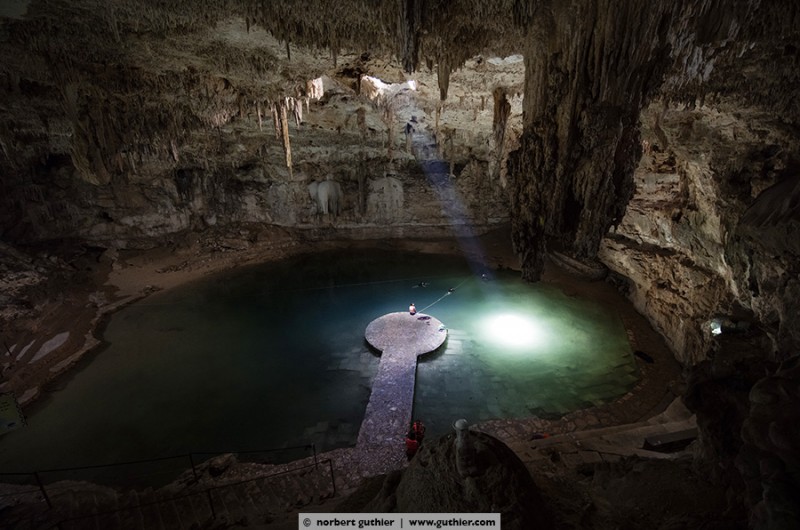
dzitnup cenote dzitnup cenote zamula cenote zamula cenote zamula cenote ik kil cenote / chichén itzá ik kil cenote / chichén itzá ik kil cenote / chichén itzá ik kil cenote / chichén itzá suytun cenote suytun cenote (1) suytun cenote (2) suytun cenote (2)

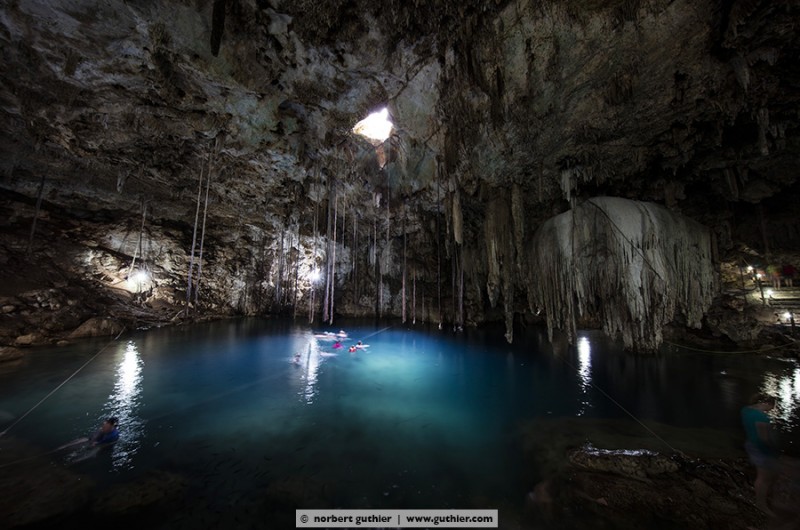
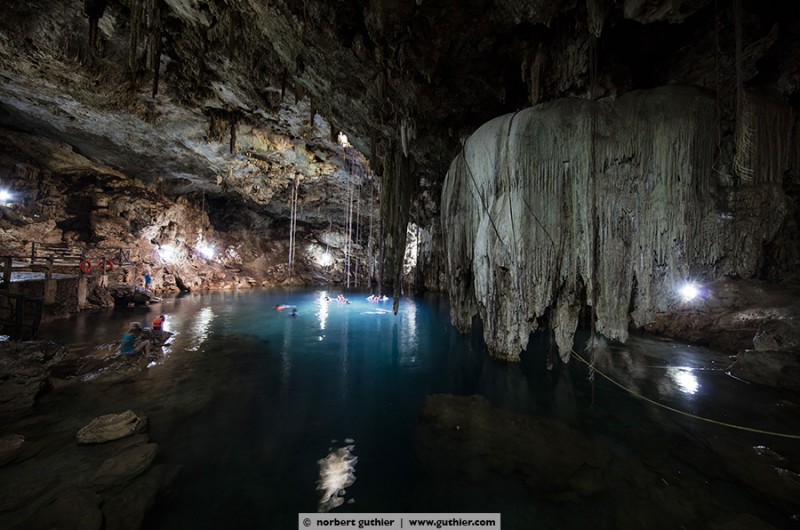
Today I would like to present some cenotes. On the yucatan peninsula is the world’s highest density of these dolina-like limestone pits, created by the collapse of the cave ceilings and filled with fresh water. Some thousands are known and most of them follow the rim of the chicuxlub crater. (i will try to introduce the chicxulub krater in an upcoming blog contribution!) Unfortunately, the often spectacular collapsed caves were made accessible for tourists with unnecessarily much concrete, however, these underworlds are always impresssive and they played an importand role in the maya culture.