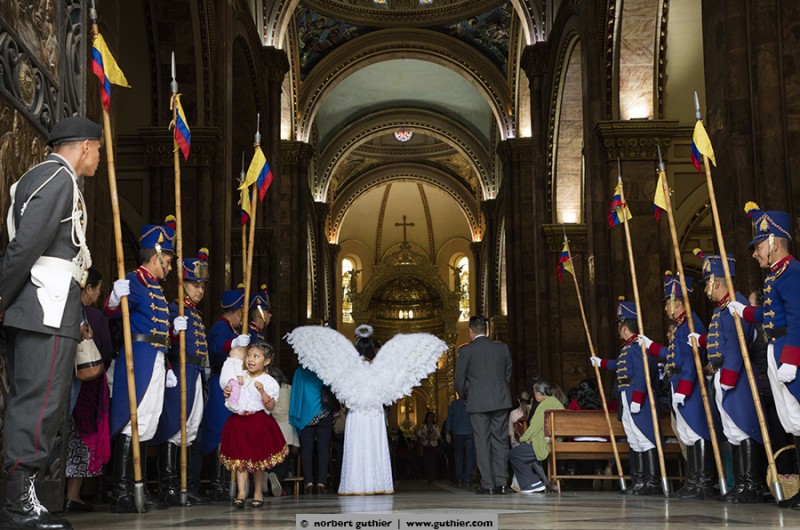
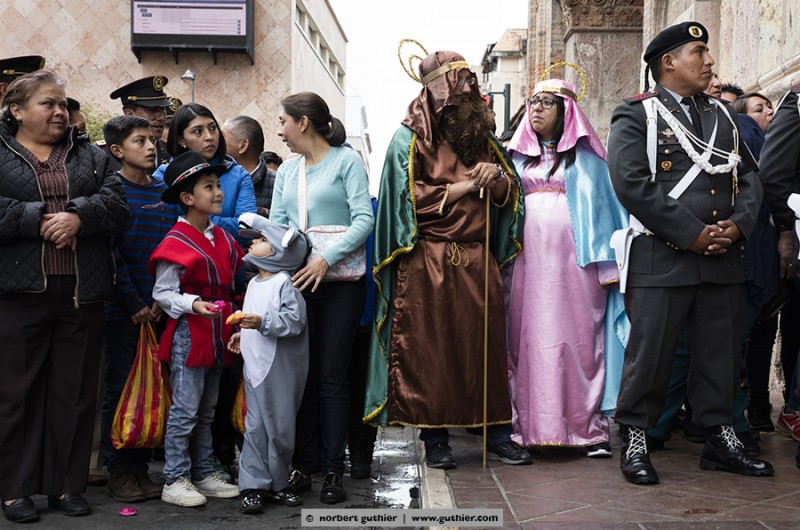
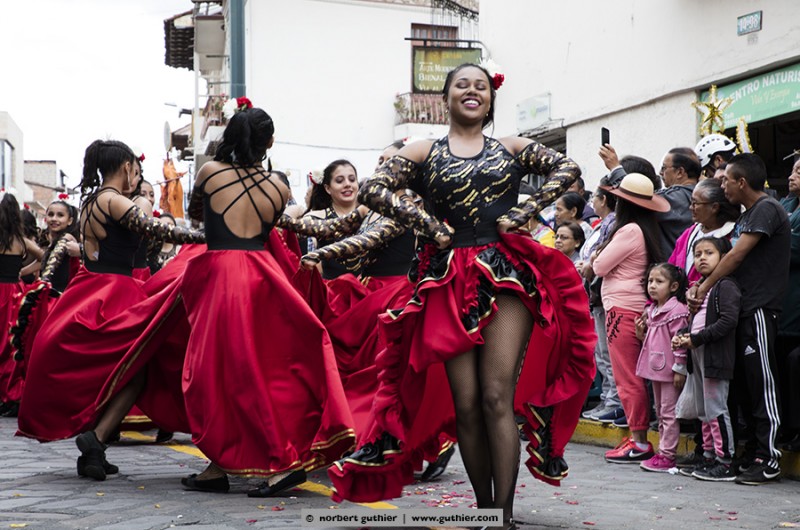
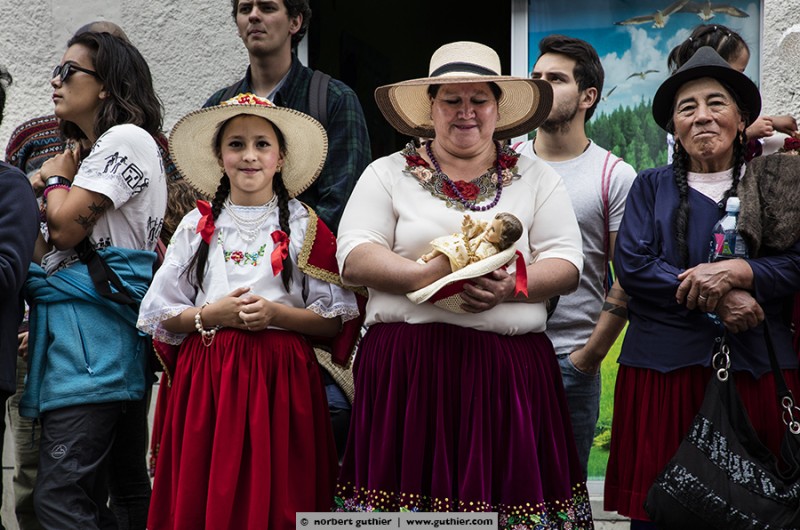
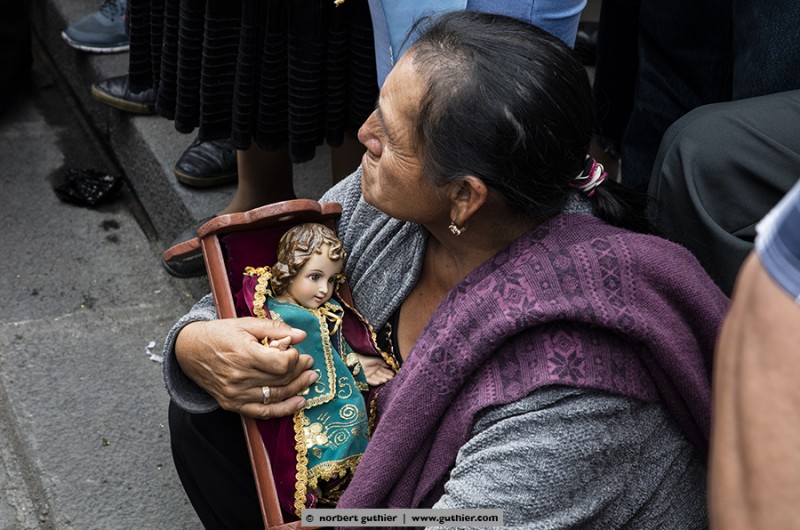
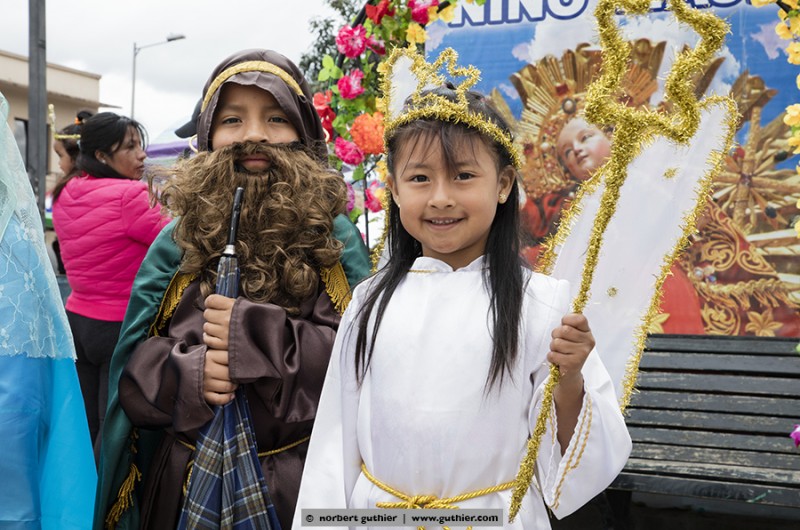
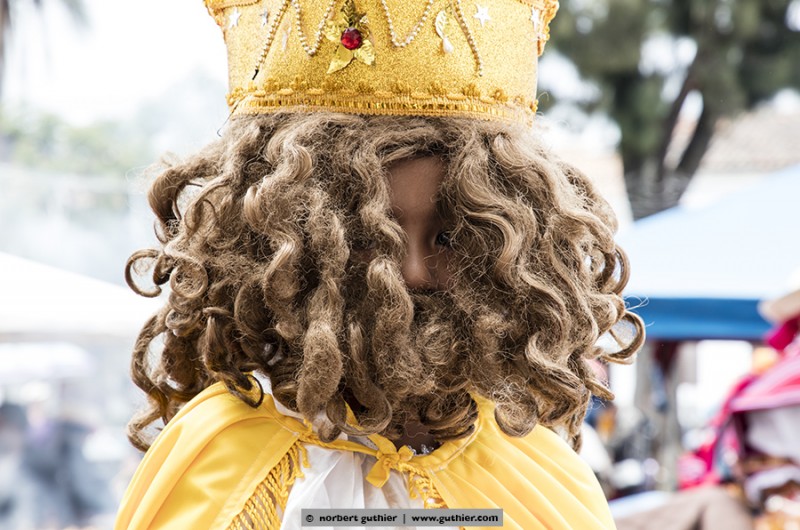
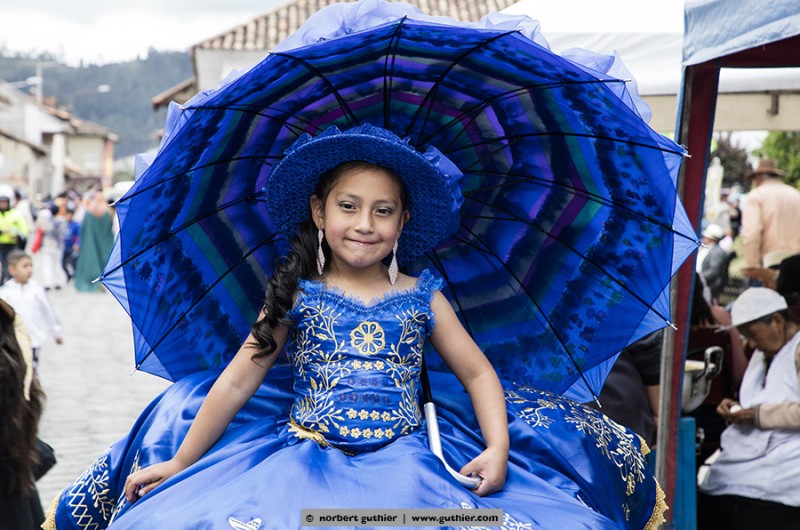
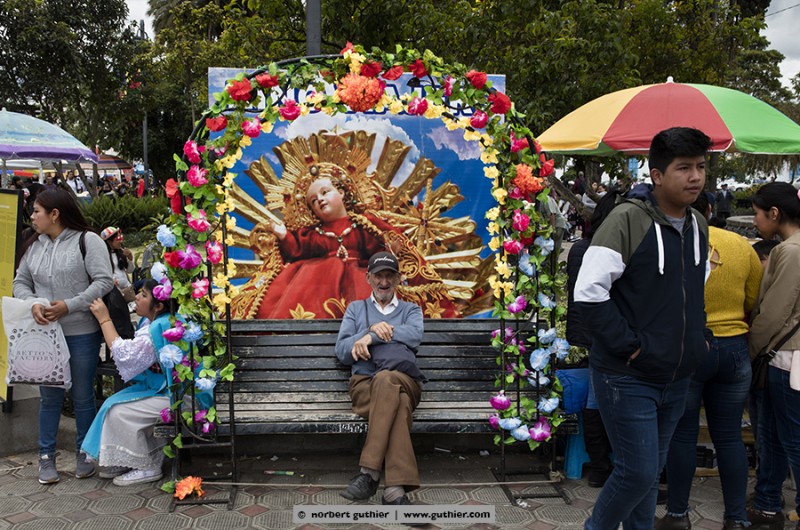
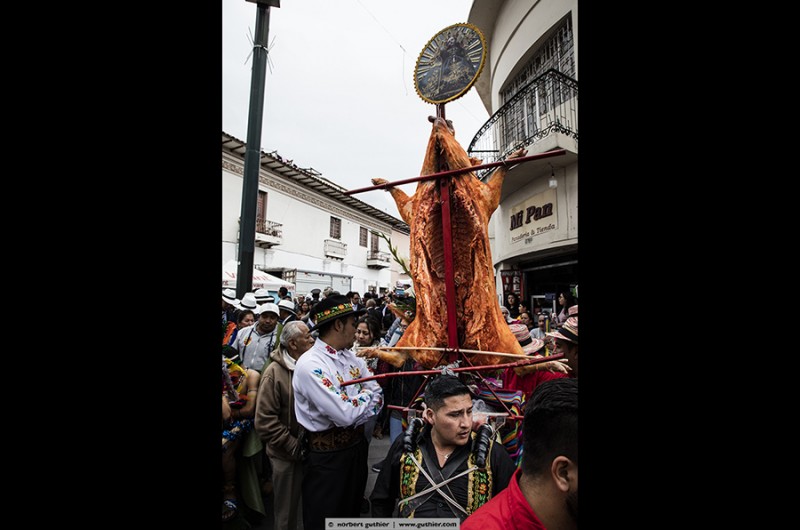
some impressions from the x-mas parade in ecuador
Comments ↓



some impressions from the x-mas parade in ecuador
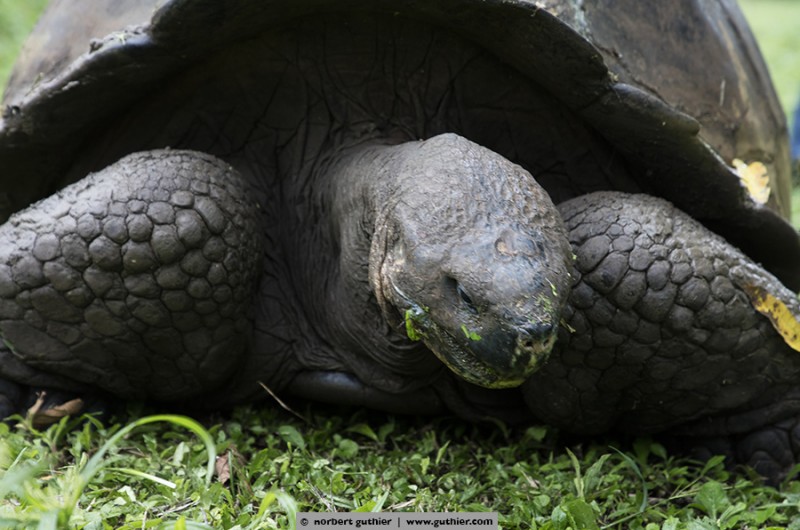
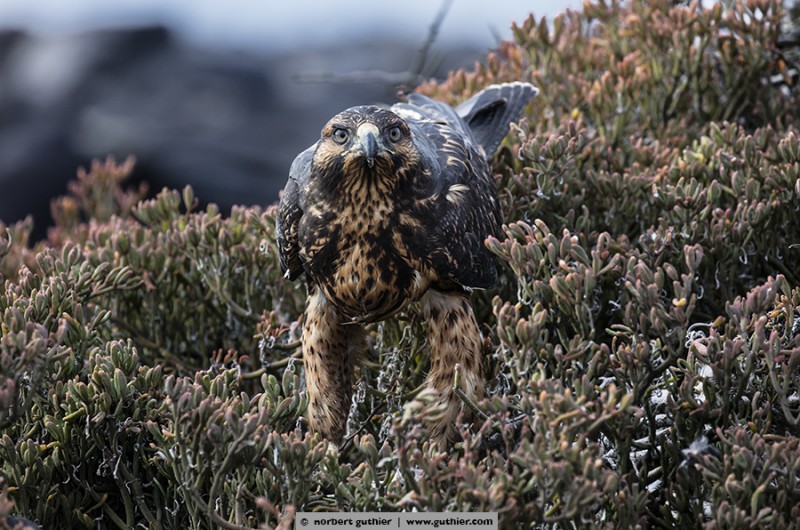
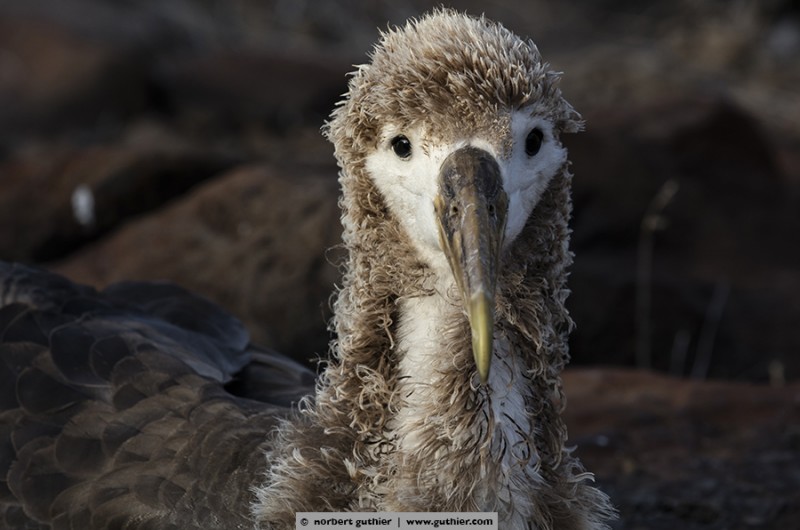
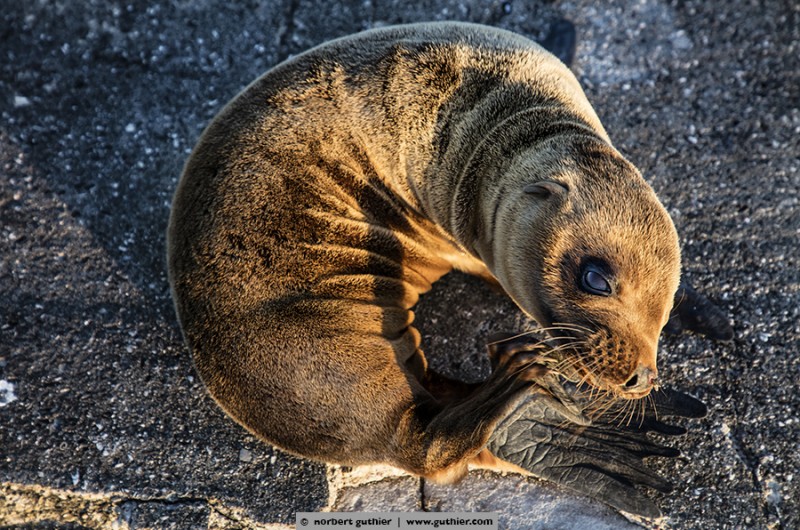
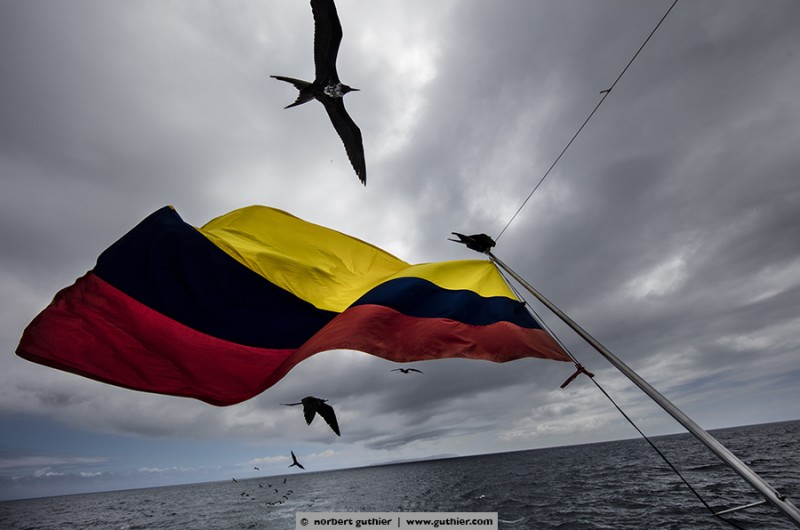
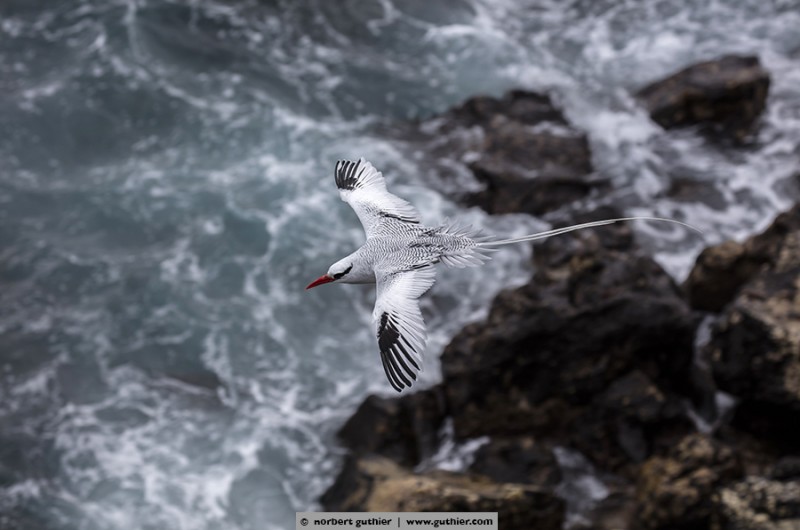
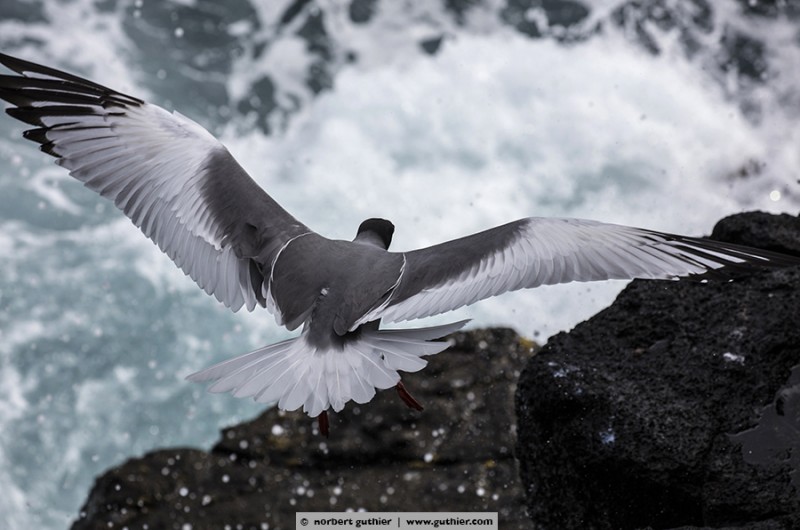
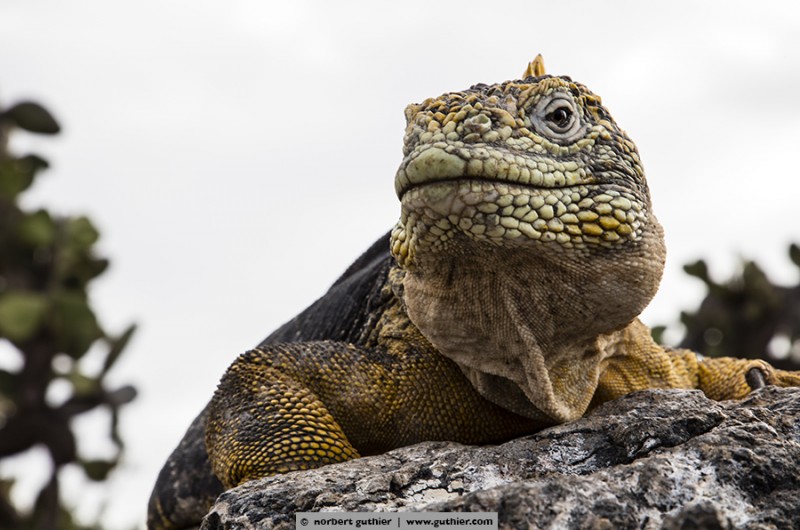
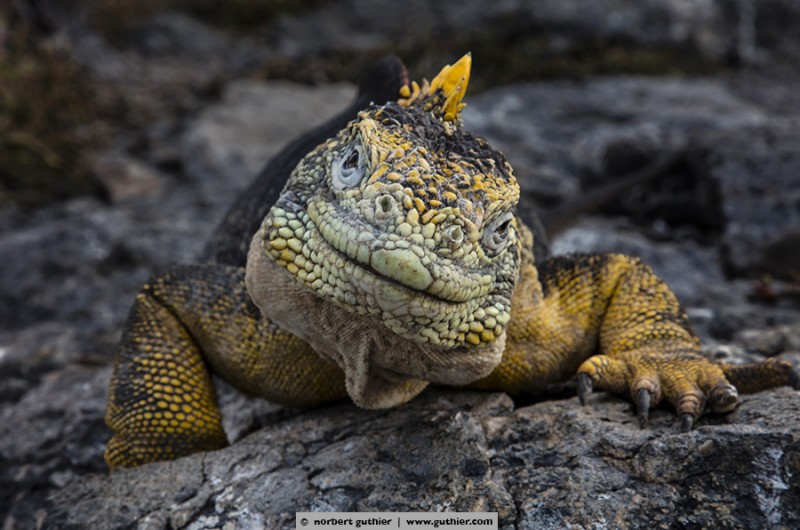
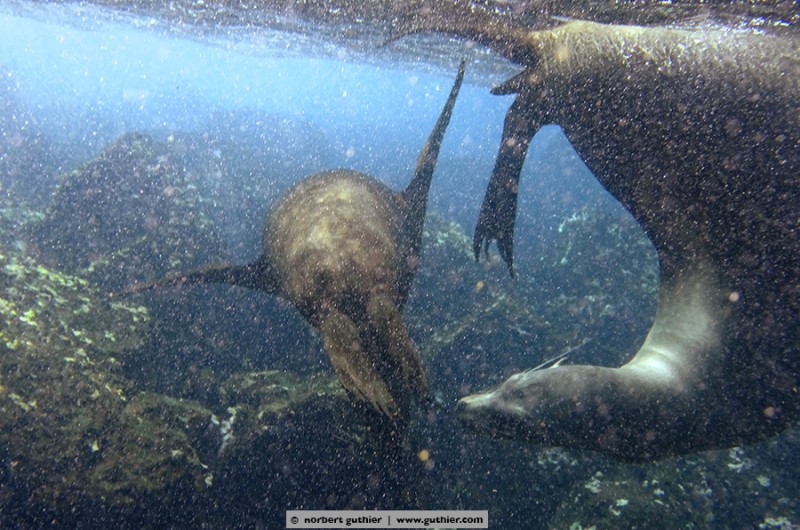
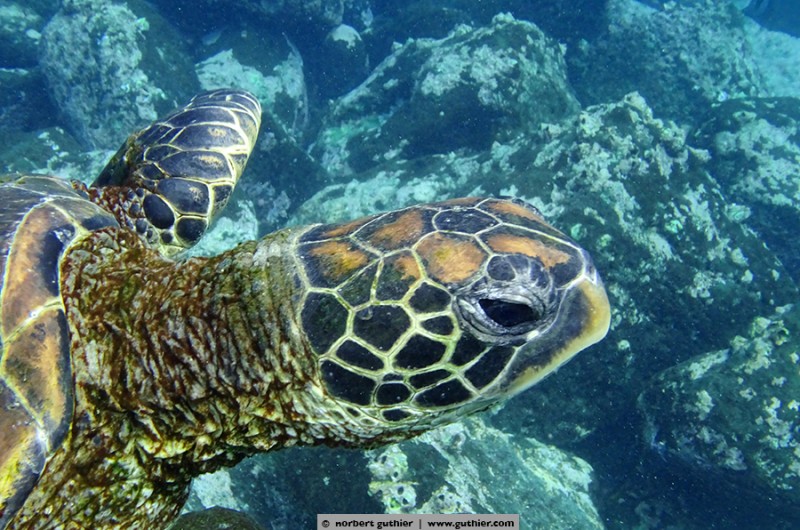
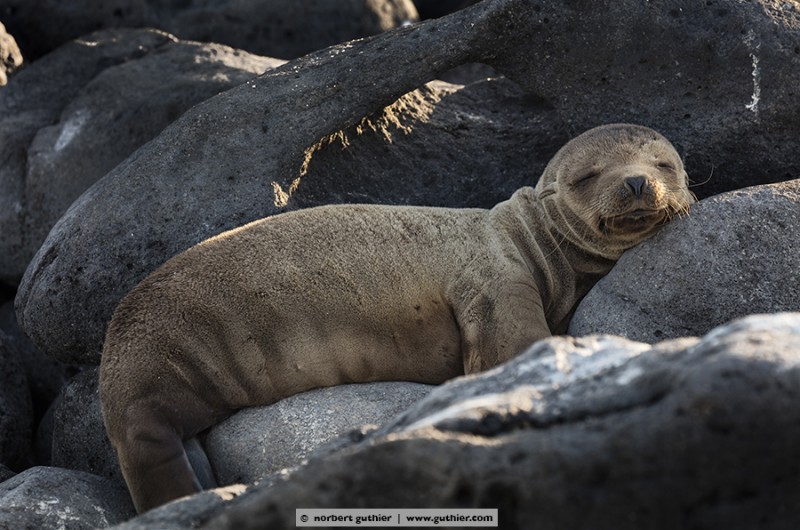
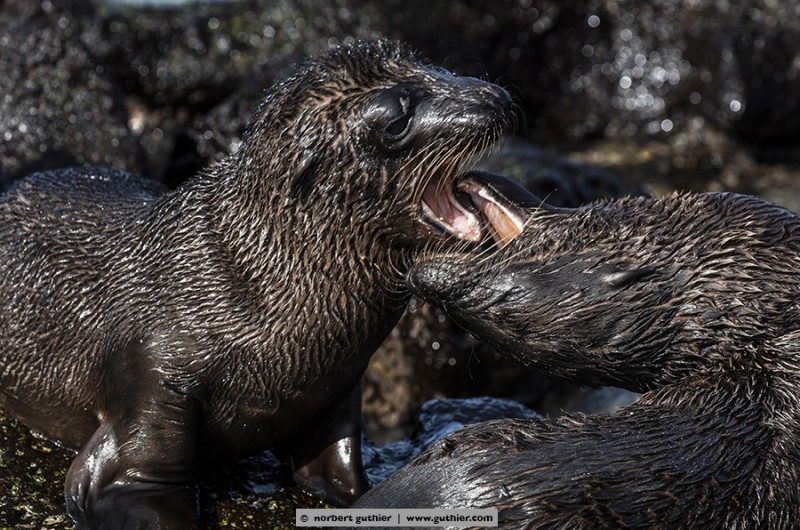
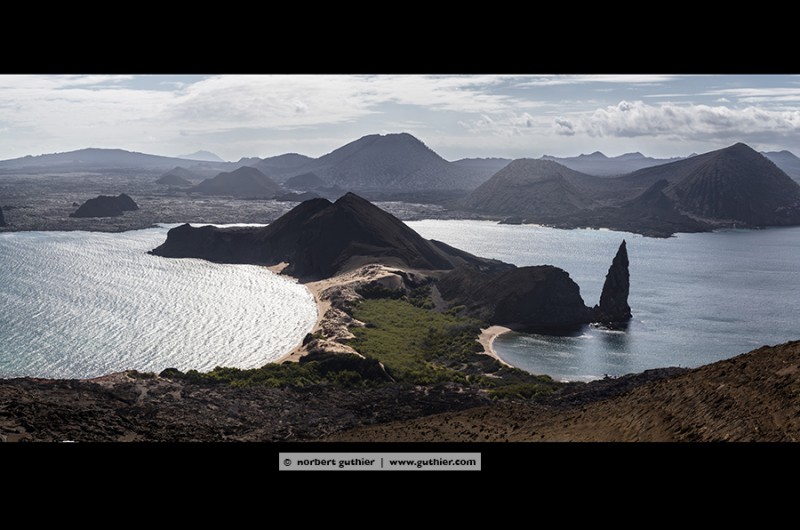
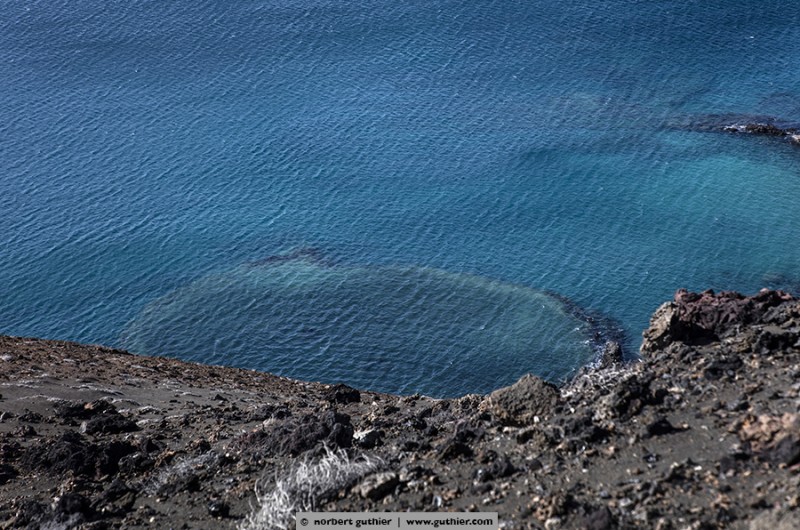
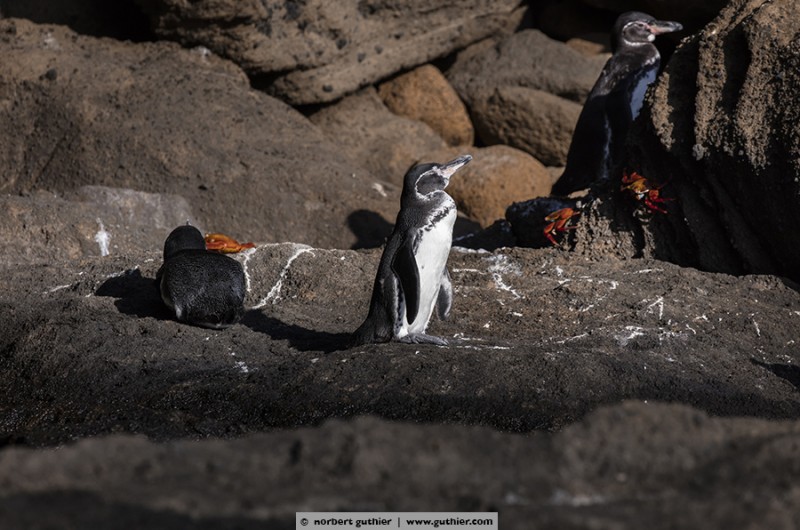
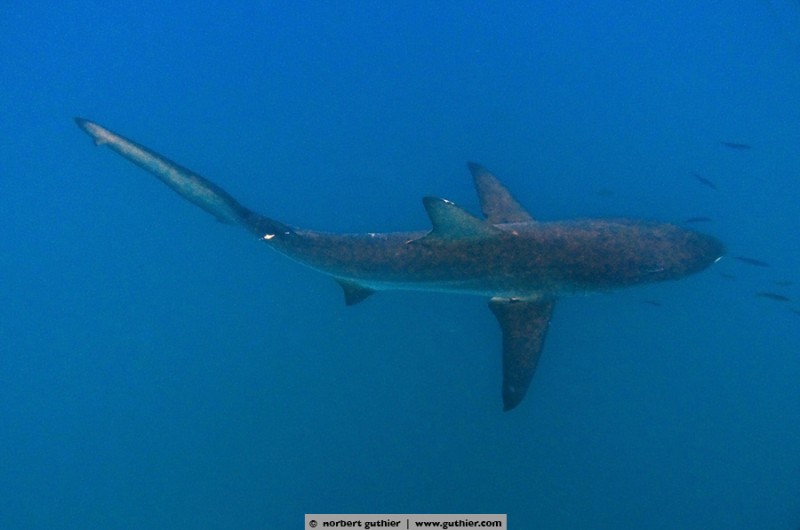
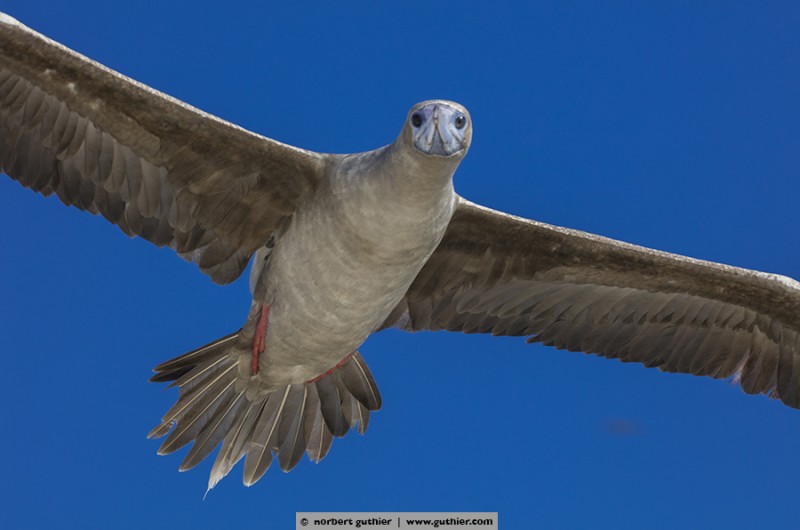
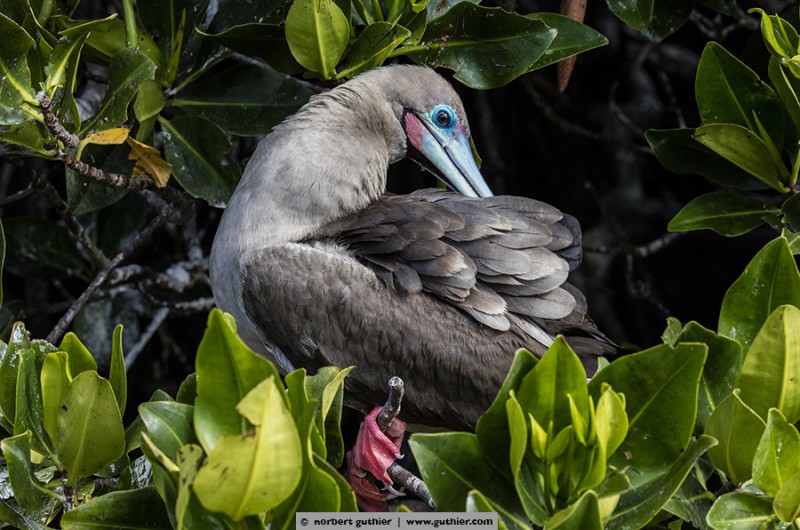
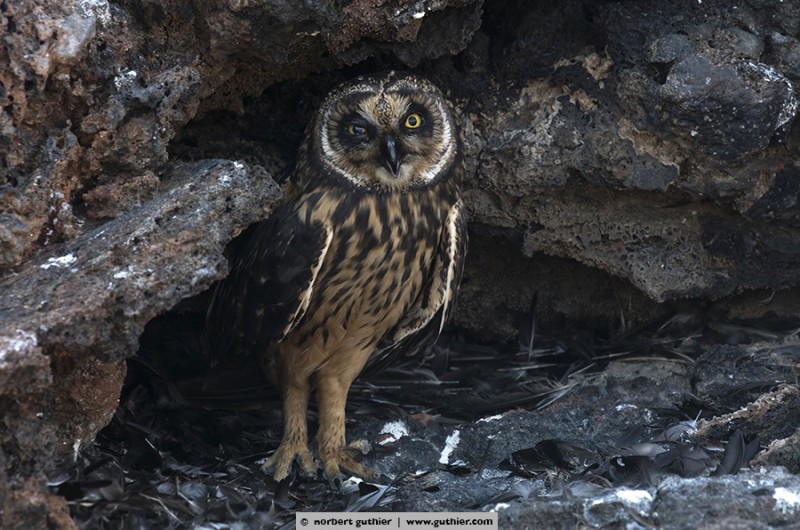
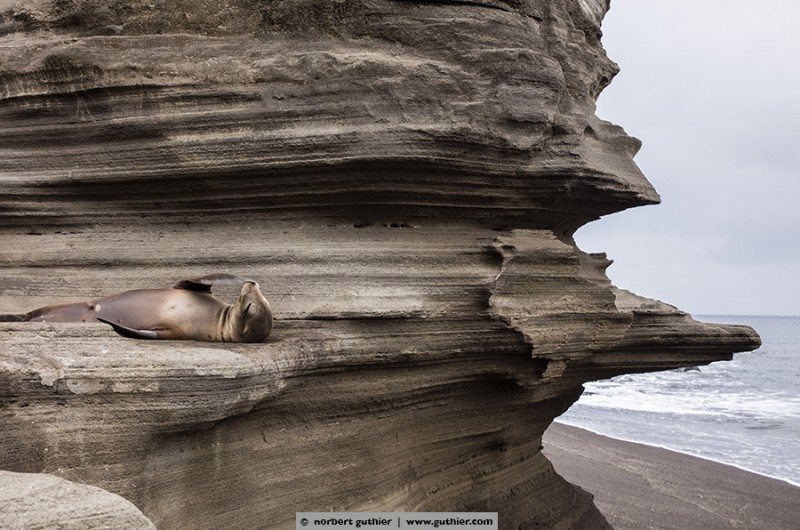
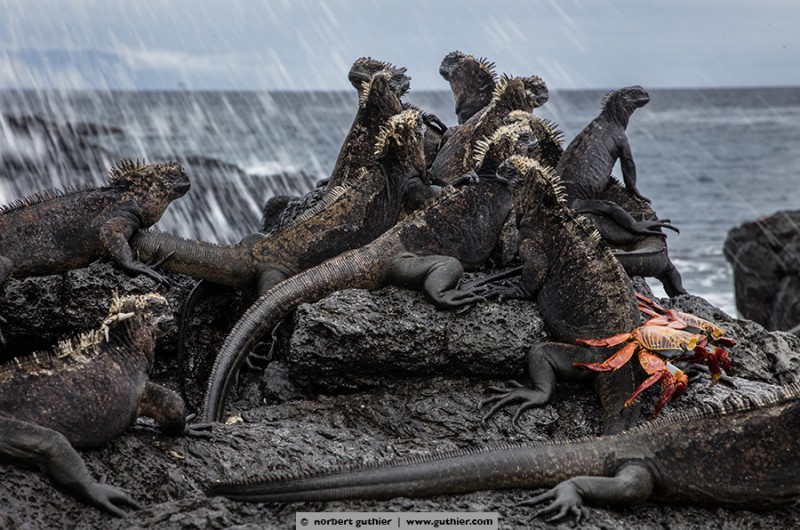
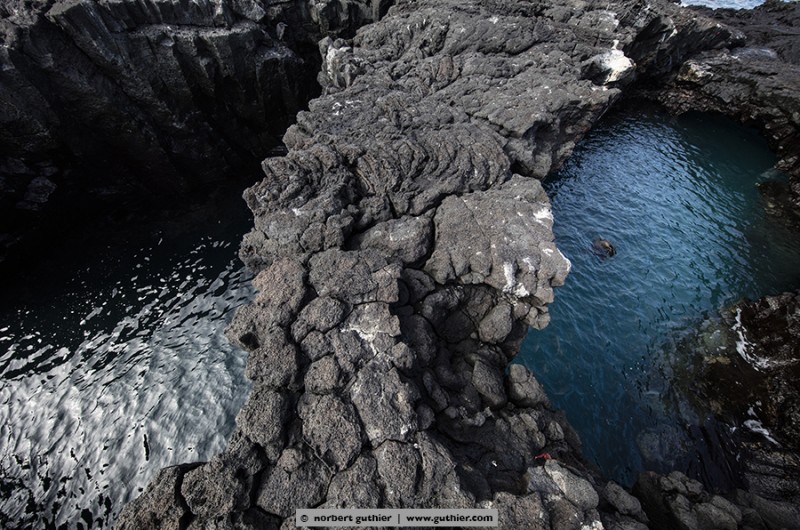
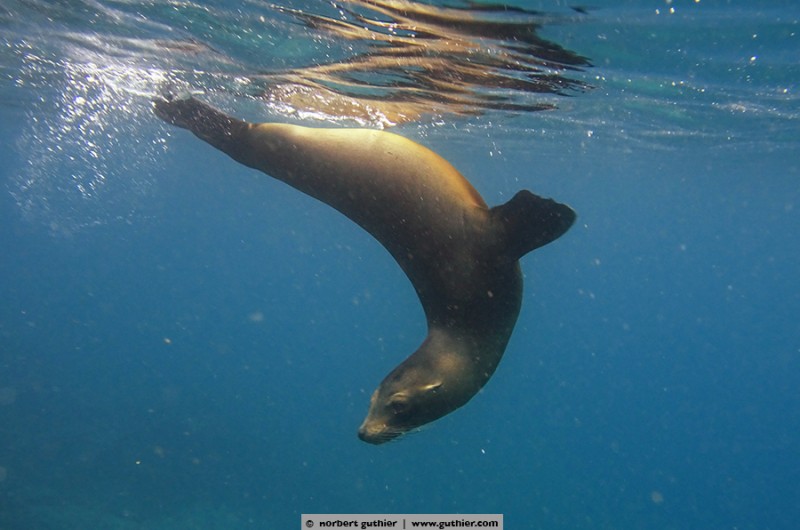
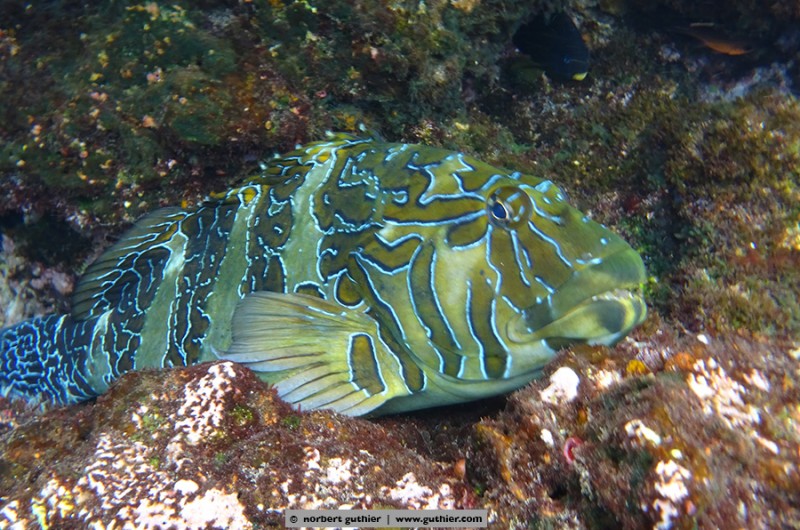
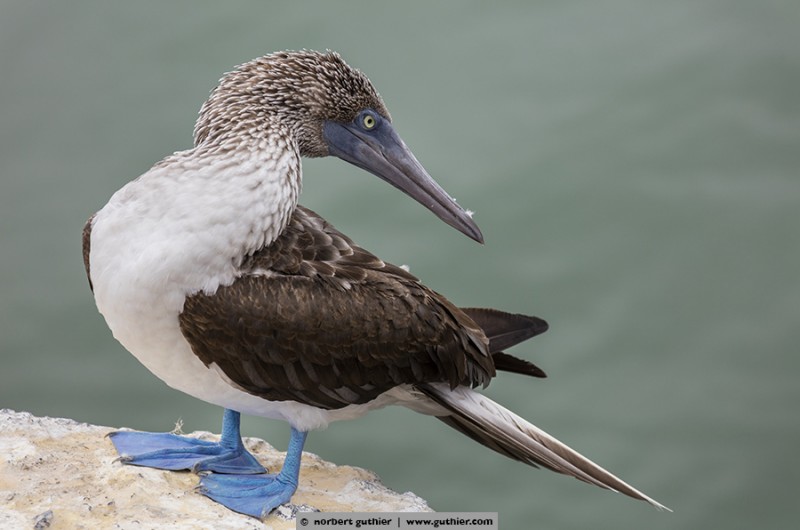
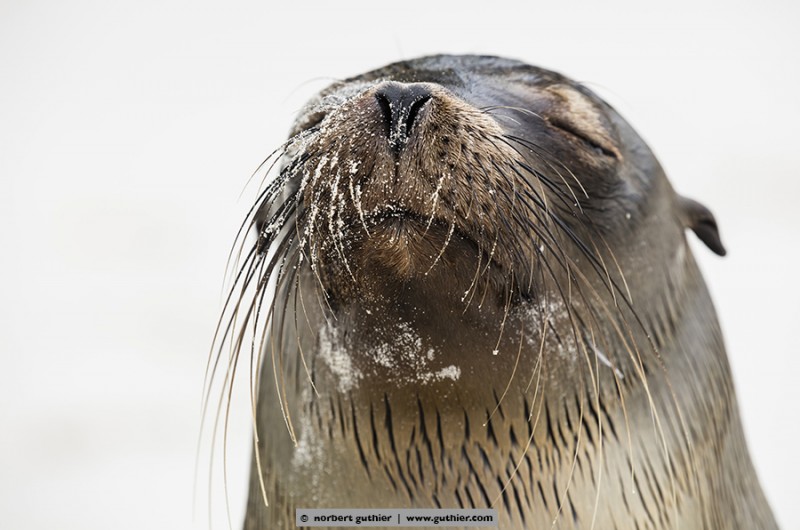
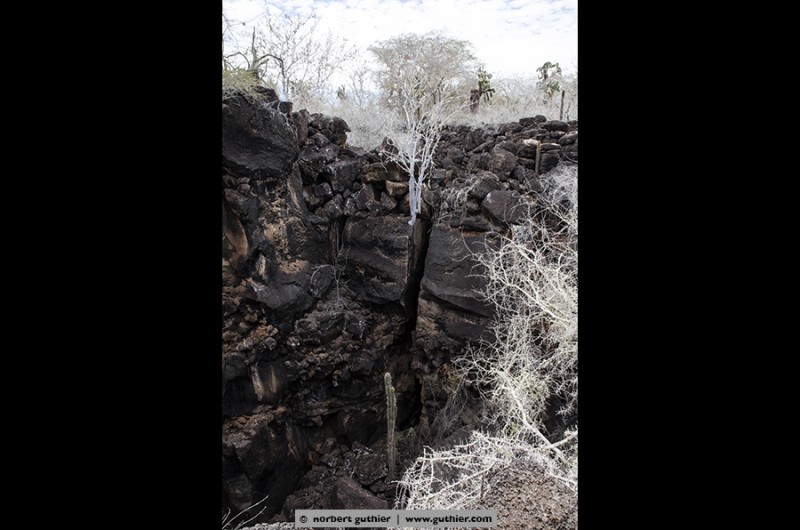
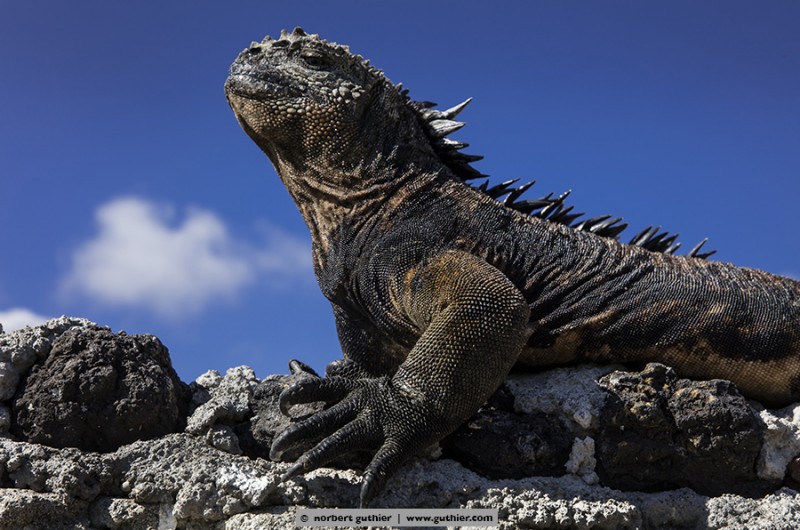
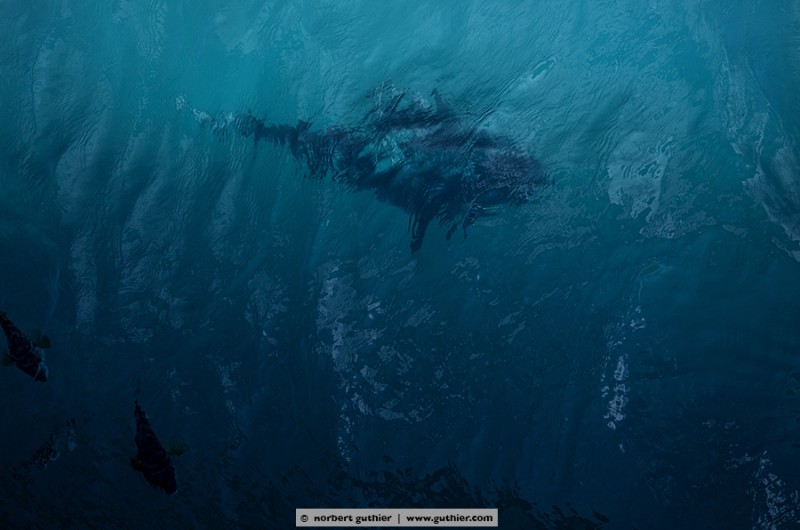
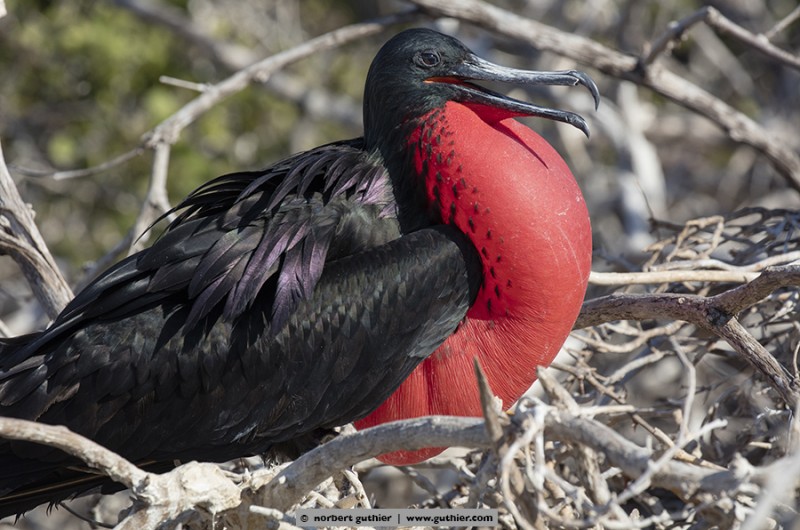
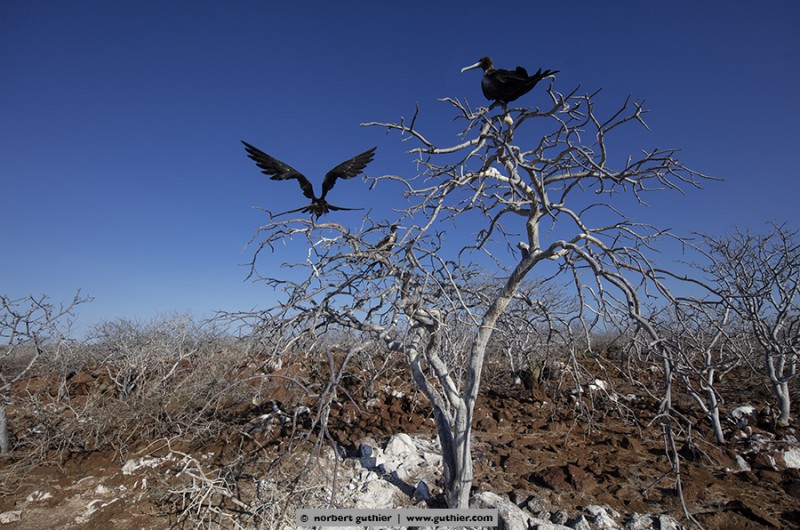
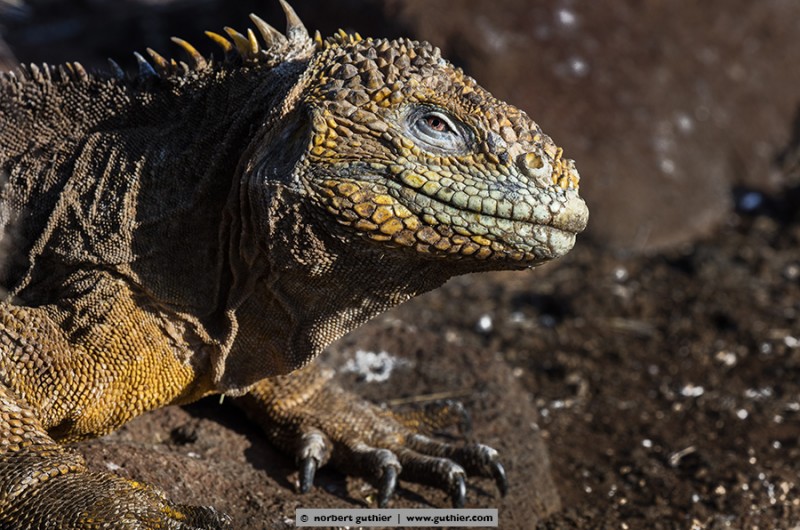
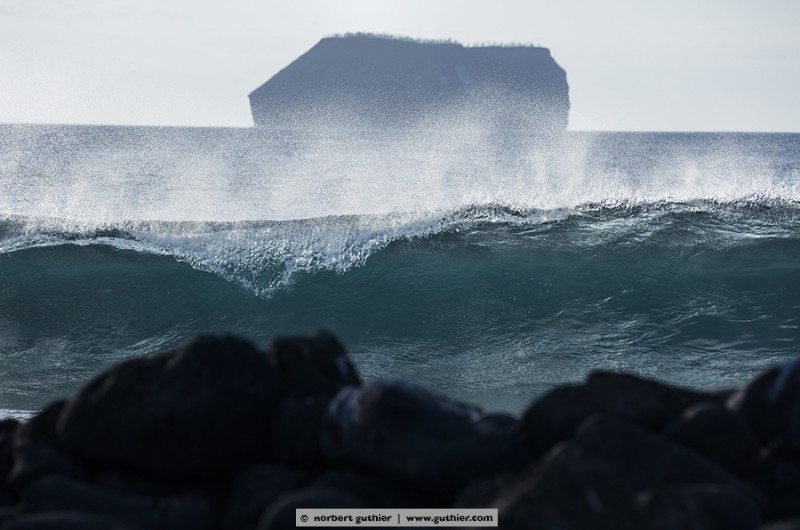
… and here comes the last sequence of galápagos images.
the islands seem to be an almost untouched paradise, but here, too, the harmful influences of man can be fuelled. climate change and the introduction of alien animals and plants threaten the uniqueness of this ecosystem, thanks to all people and organisations who try to prevent worse things from happening.
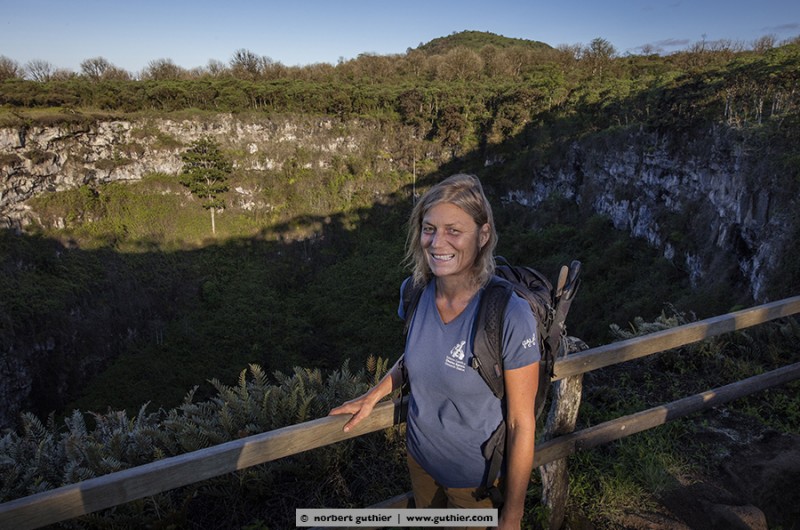
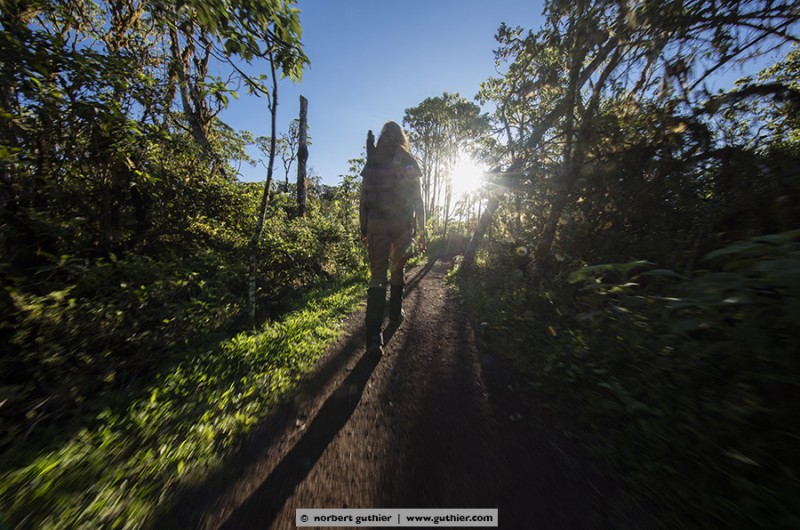
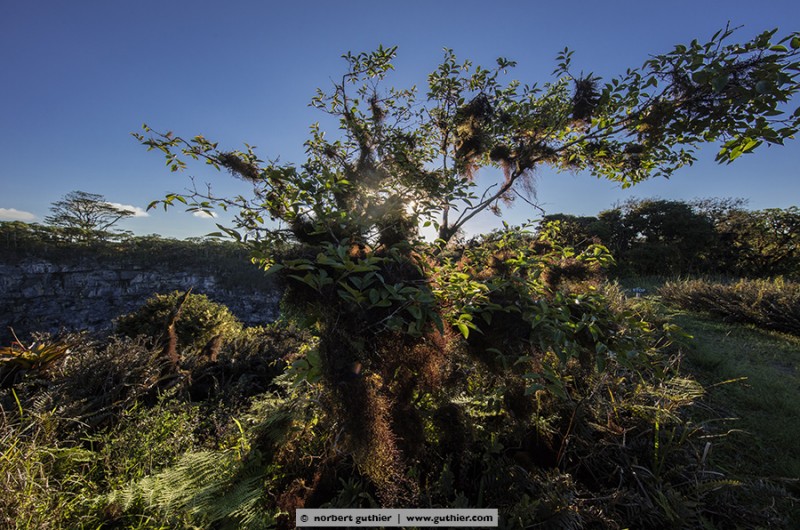
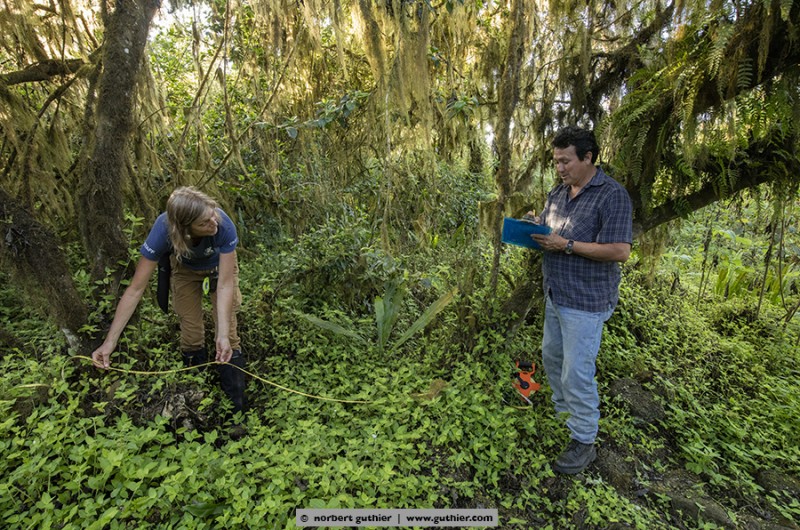
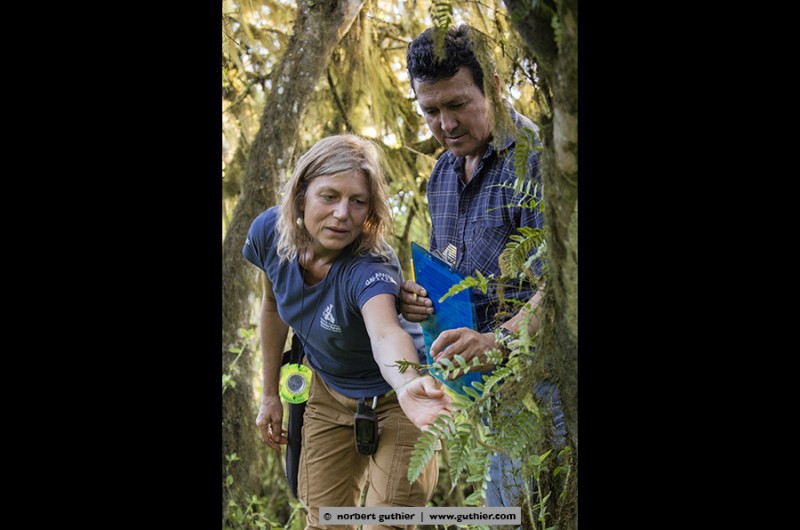
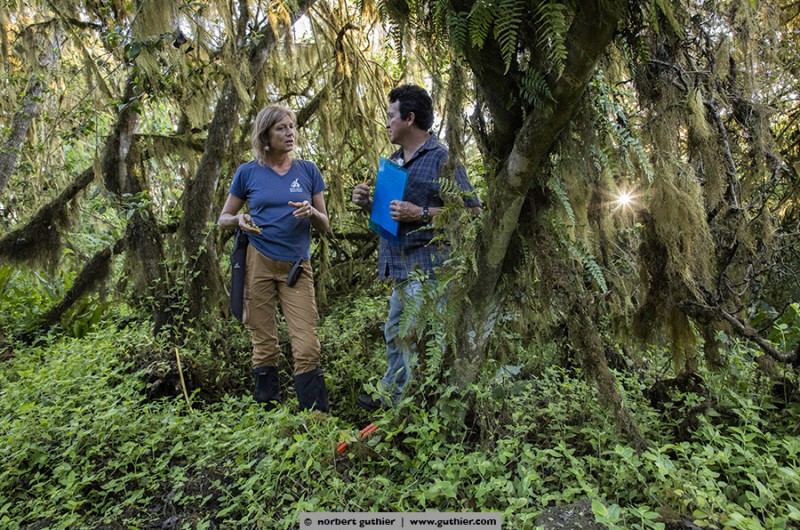
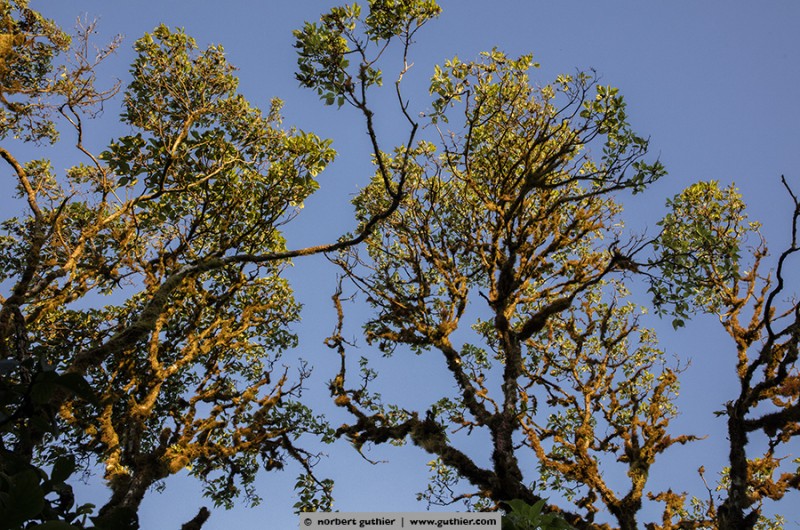
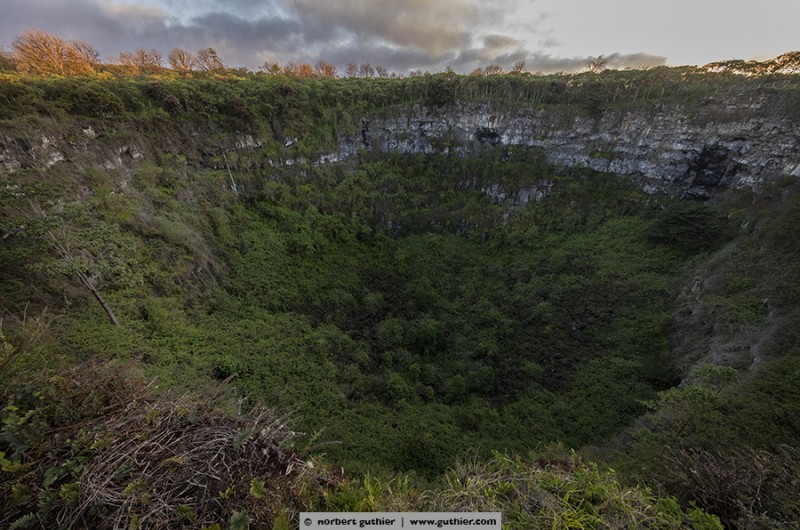
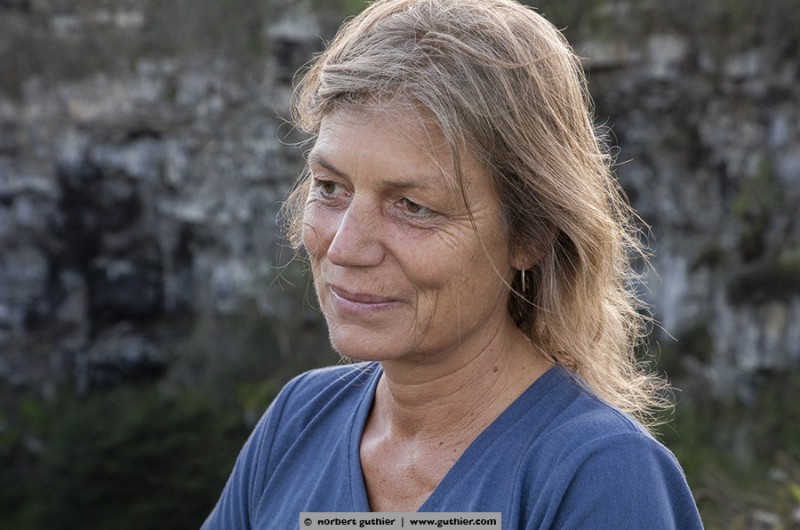
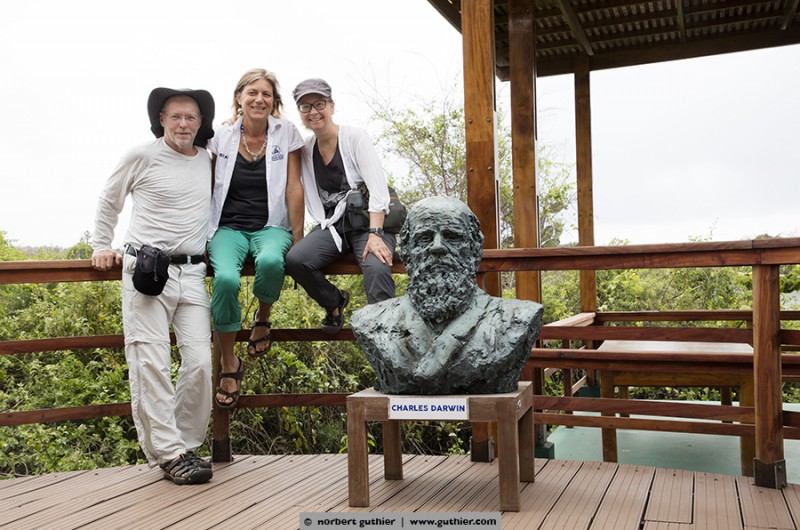
Dr. christof schenck from the frankfurt zoological society gave us the tip to meet dr. heinke jäger on galápagos. thanks christof for this contact, – it was a great, enriching encounter with her!
about heinke:
Heinke Jäger has been working for the Charles Darwin Foundation in Galapagos since 1998, first on the introduced quinine tree (Cinchona pubescens) and then on rare and endangered plant species. After receiving her PhD from Technische Universität Berlin, Germany, she carried out her postdoctoral research on invasive Galapagos species at Brown University, USA. Heinke is now a restoration ecologist at the Charles Darwin Research Station and her research is focused on investigating invasive terrestrial plant and animal species in Galapagos. This includes the distribution, impacts and control of these species, as well as the restoration of invaded ecosystems.
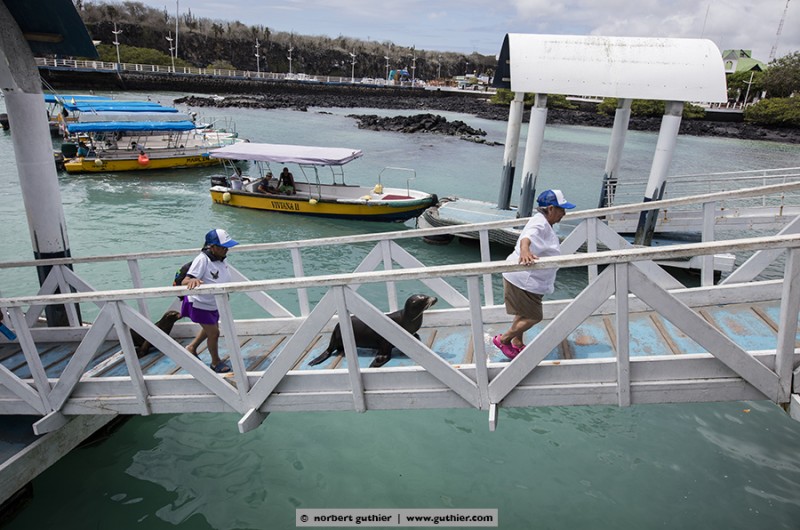
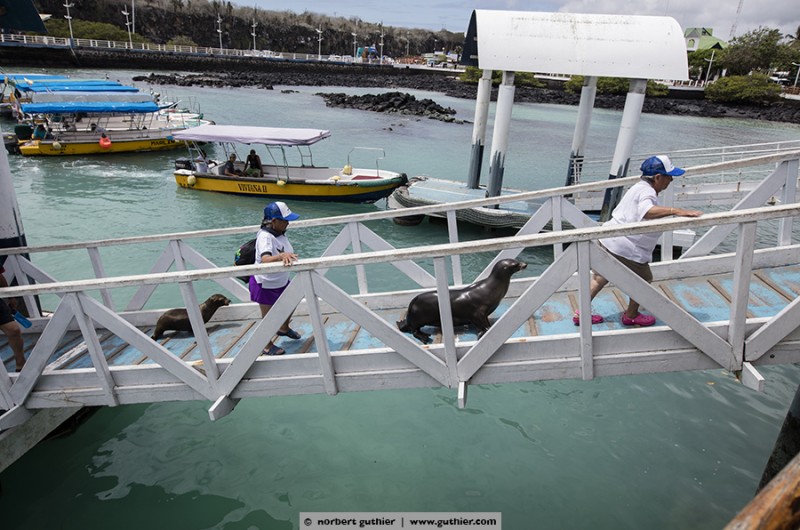
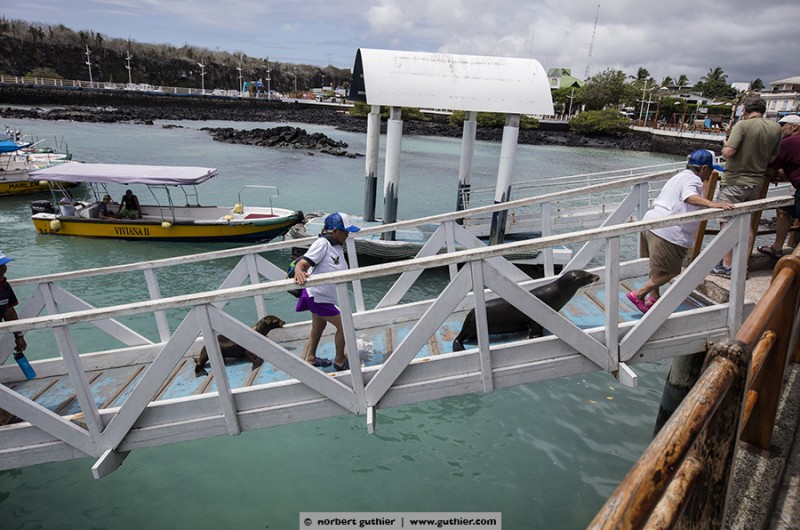
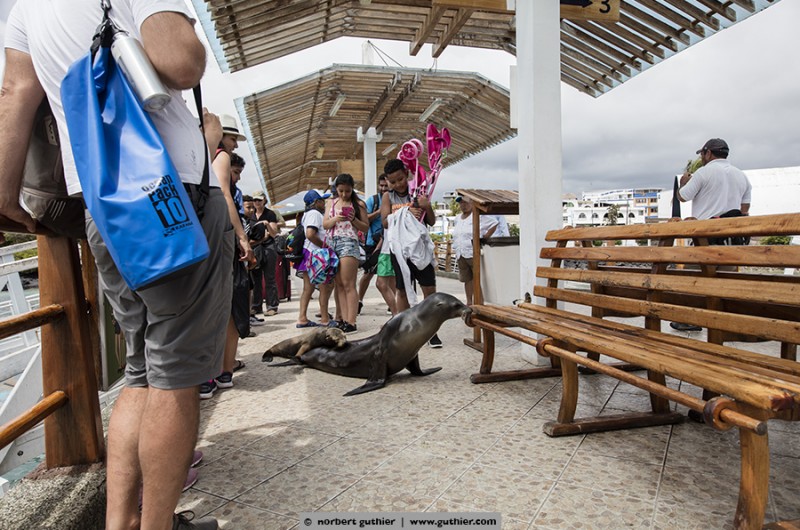
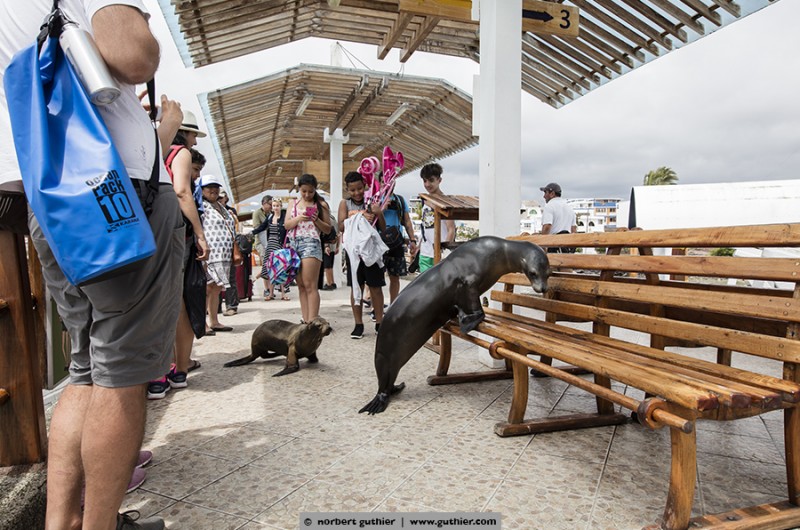
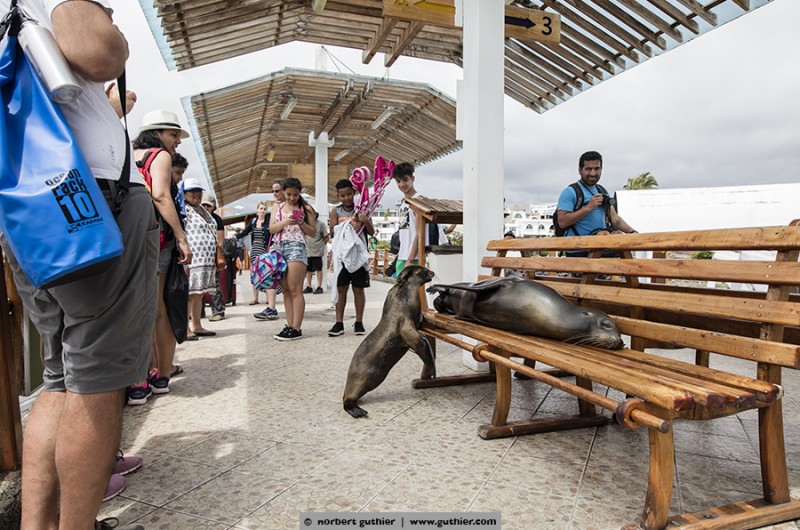
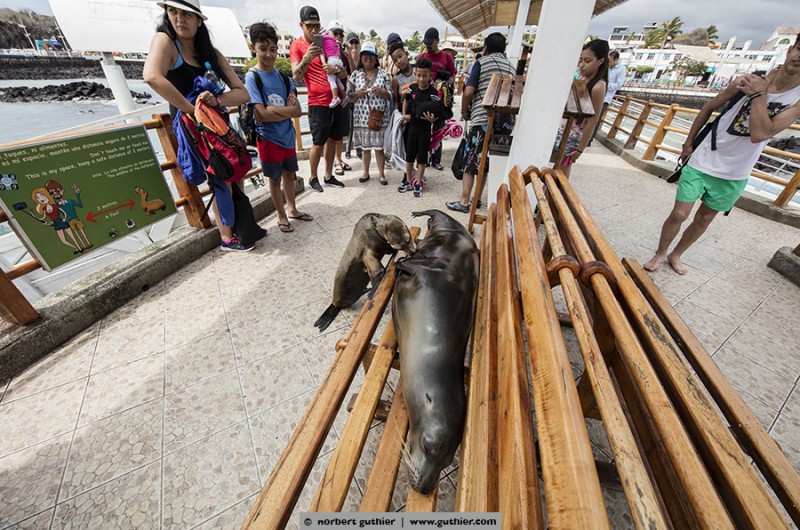
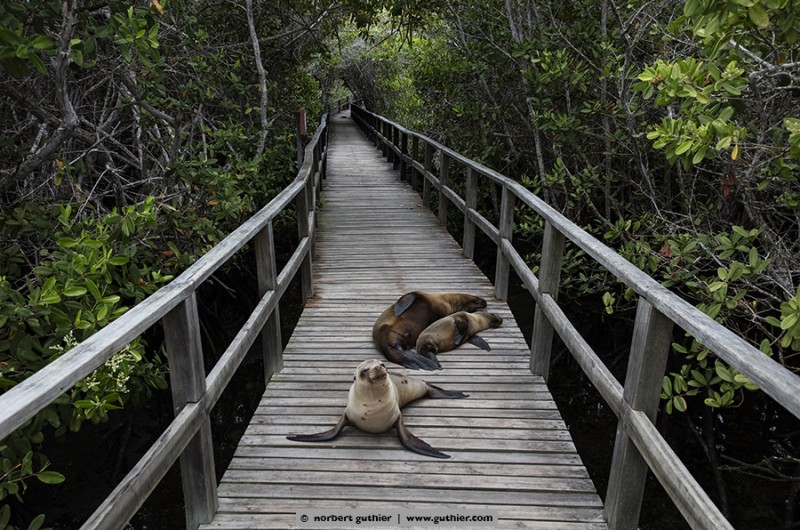
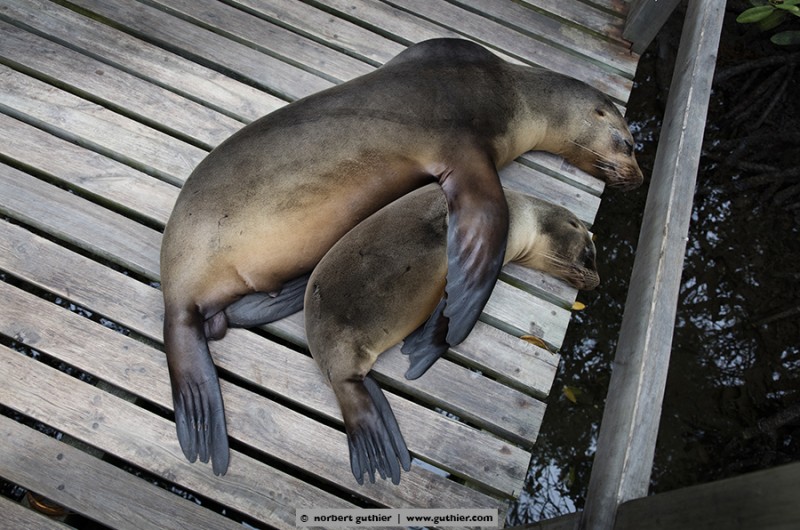
How do the sea lions get to the landing platform, which is about 12 feet above the water level? Here you can see the answer:
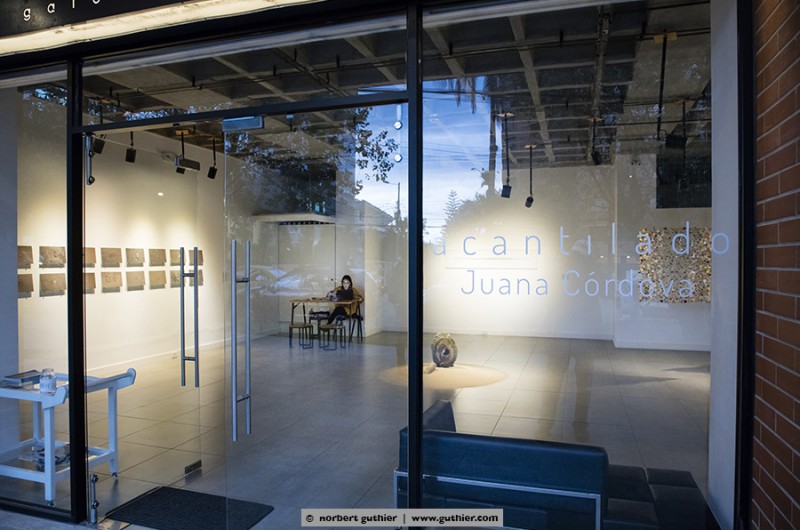
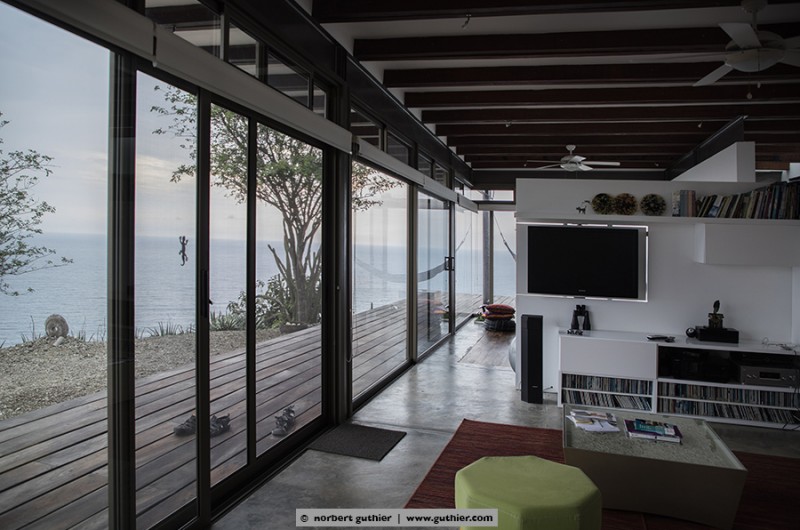
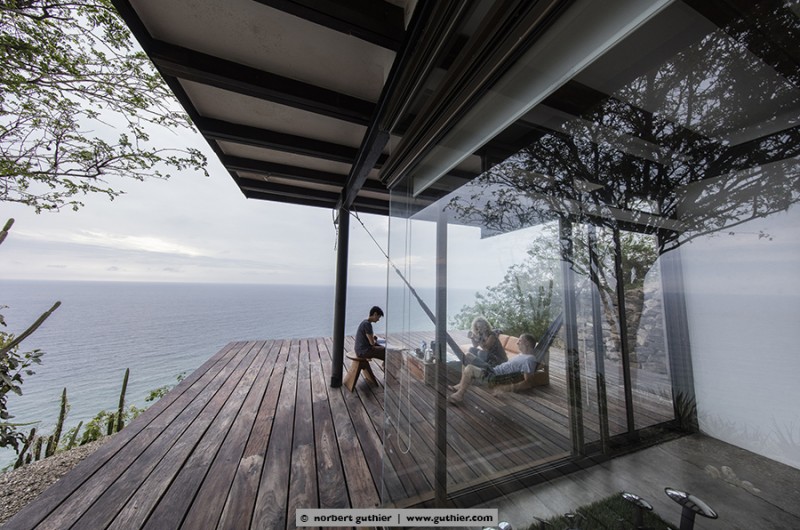
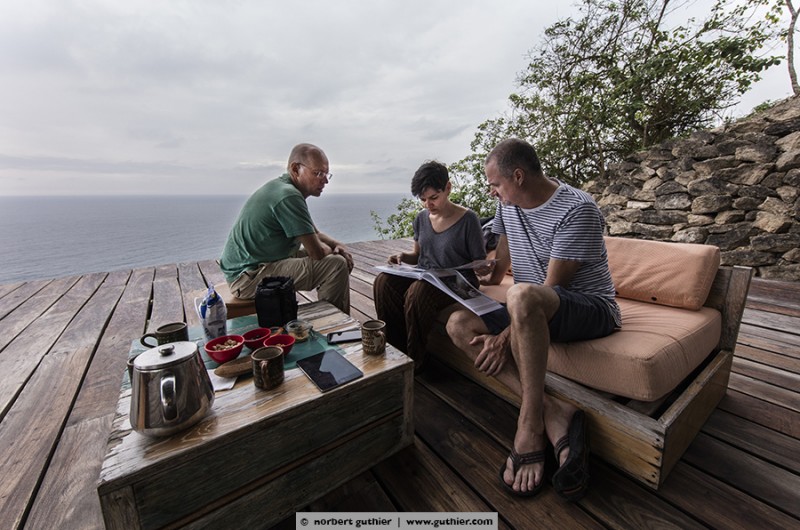
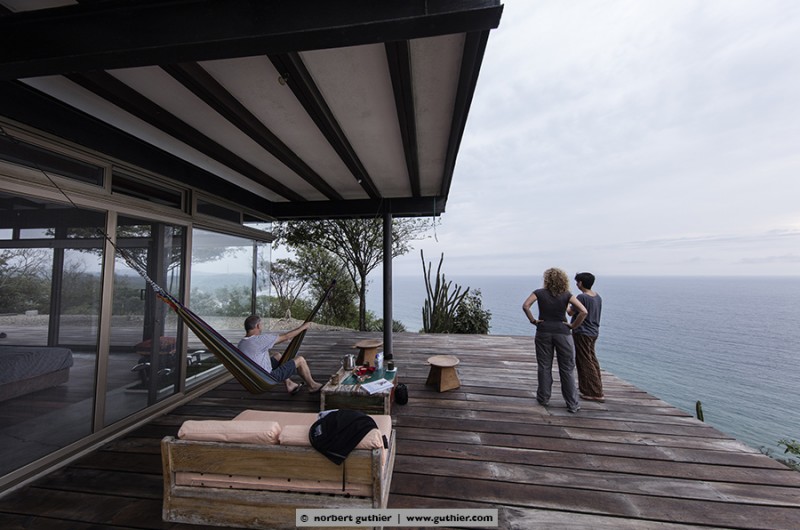
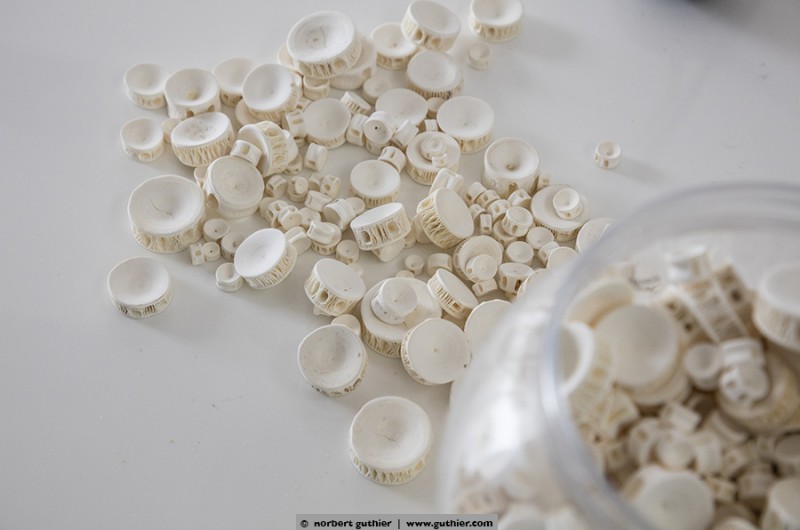
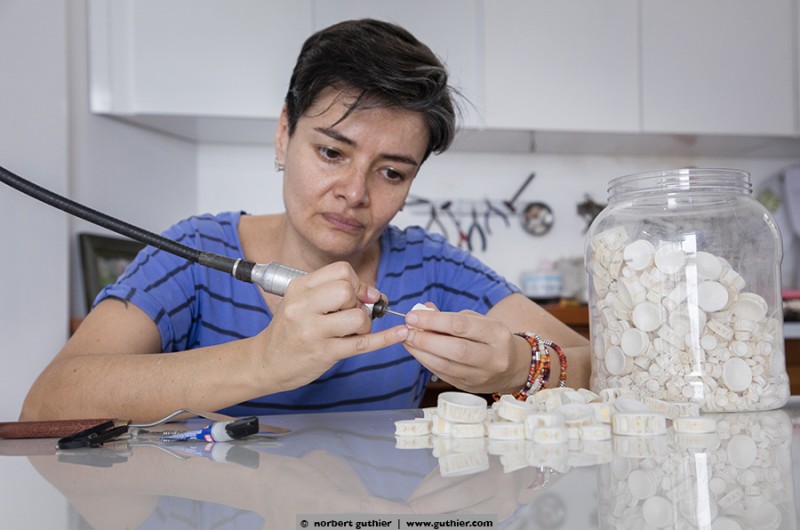
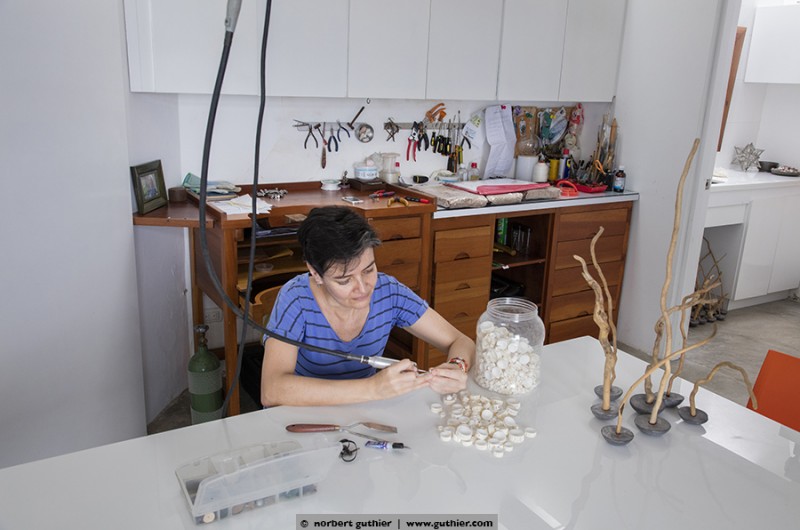
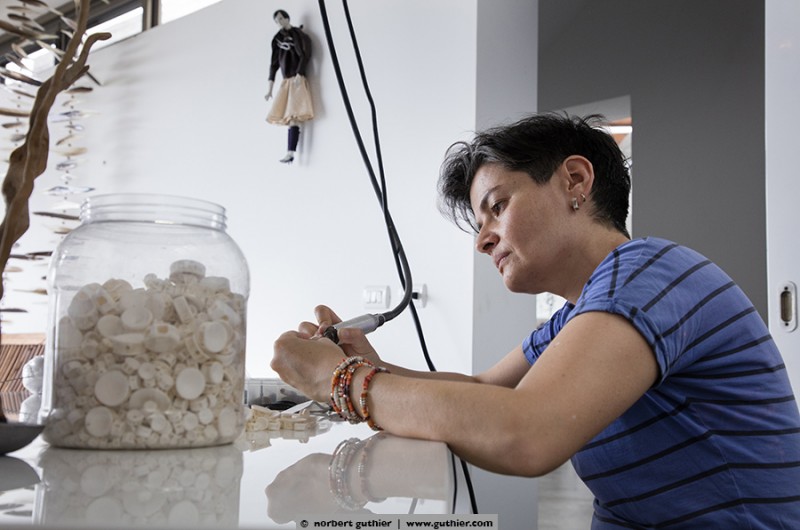
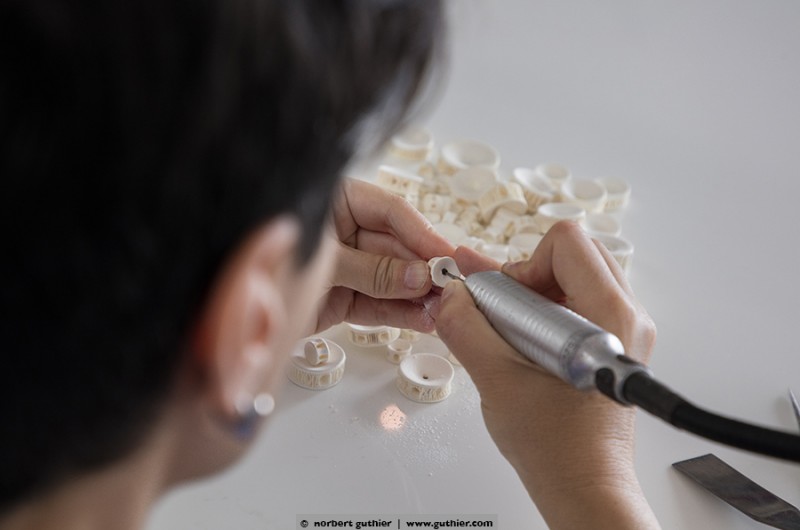
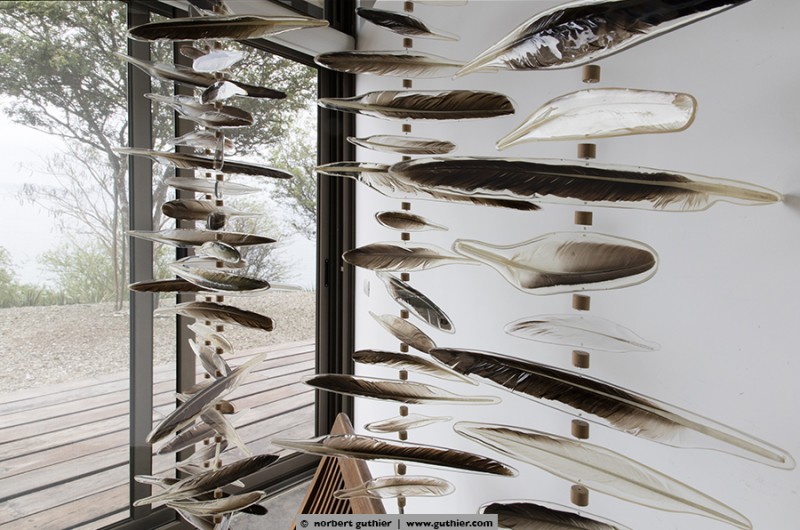
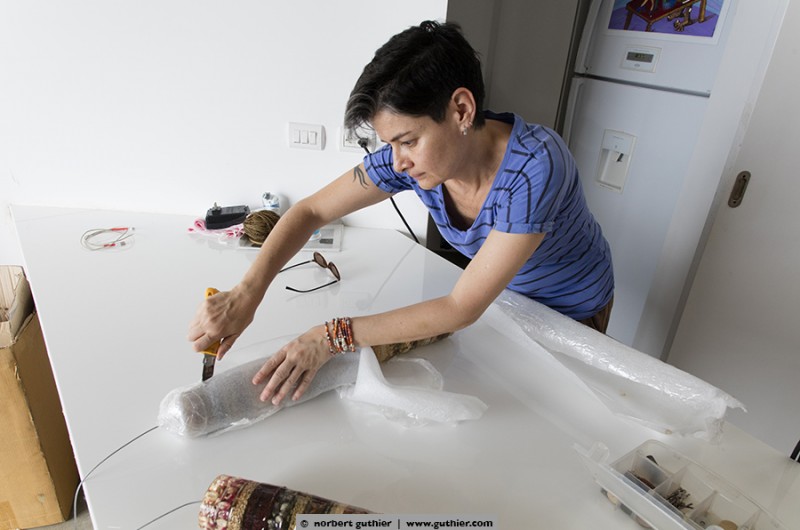
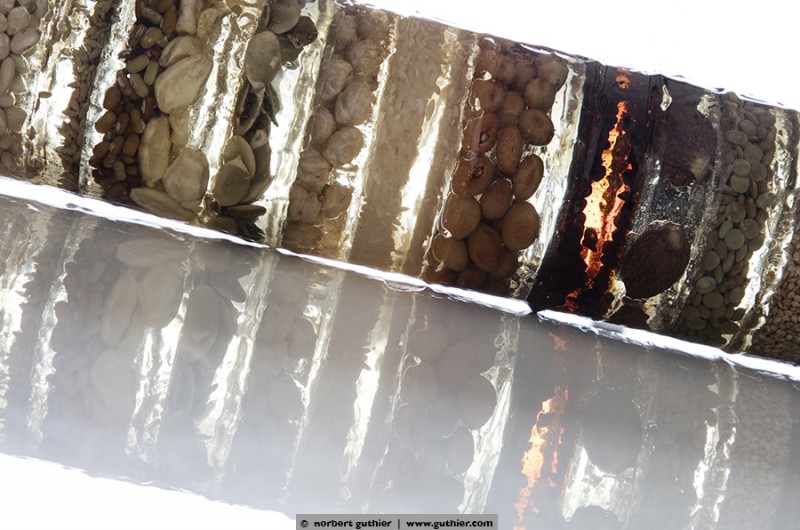
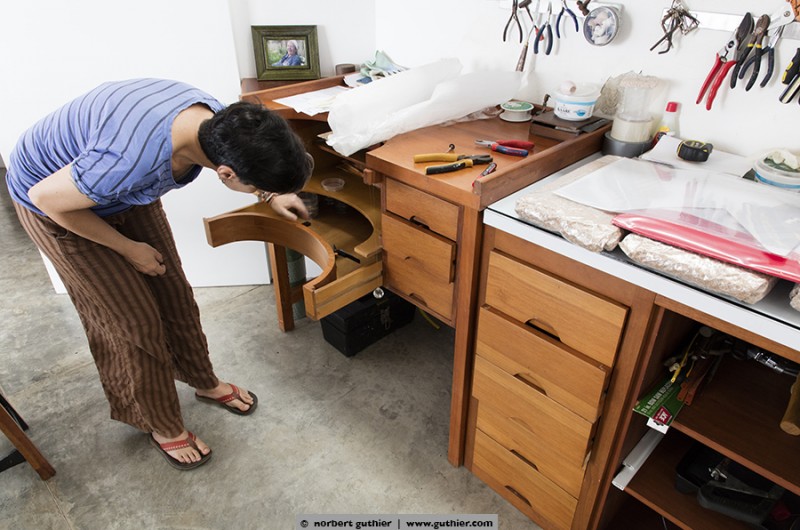
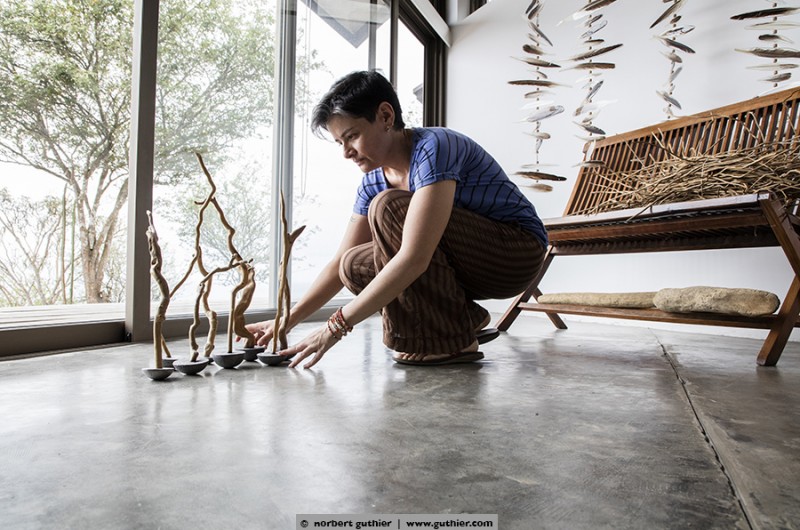
Many thanks to juana córdova and sebastián malo for their exceptional hospitality, the glimpse into her artistic work and the stay in this breathtaking location.
Juanas statement about her work:
My work is directly influenced by the places I’ve lived. When I lived in the city I was interested in issues related to social stereotypes and the dialectic between the natural and the artificial. At that time, my works express concerns about the role of women in a society influenced by the cosmetics and pharmaceutical industries. Other proposals reflect on the food industry; in this respect I built a series of structures with the bones of edible animals as a kind of homage.
My approach to the botanical world and its history has been an important motivation for some years. In this stage I created the gardens of plants made in paper. The plant world was the link to make the decision of my last move. Now that I live in the countryside, on the beach, nature has become the protagonist of my work.
To observe, to walk, to collect and to investigate are daily activities and this has became a part of the creation process. The materials I’m using are objects collected during my walks on the beaches such as feathers, bones, sticks or pieces of garbage that take on meaning by themselves in the artworks, where they acquire symbolic characteristics.