ende

belize zoo


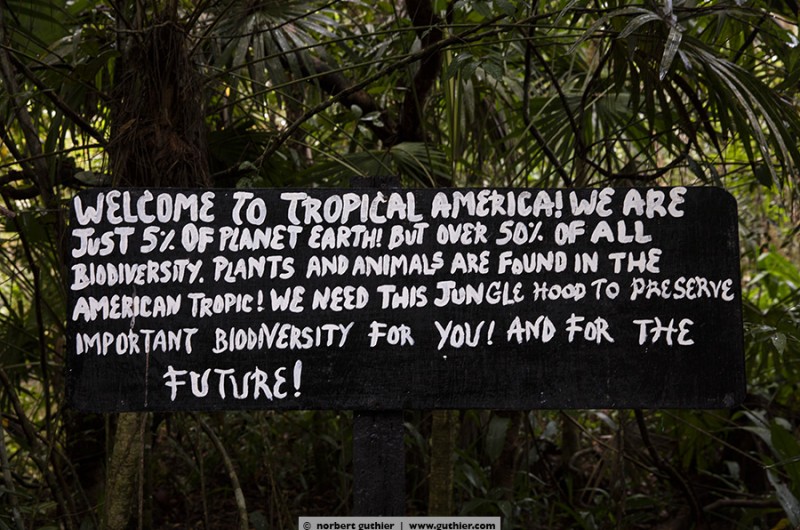
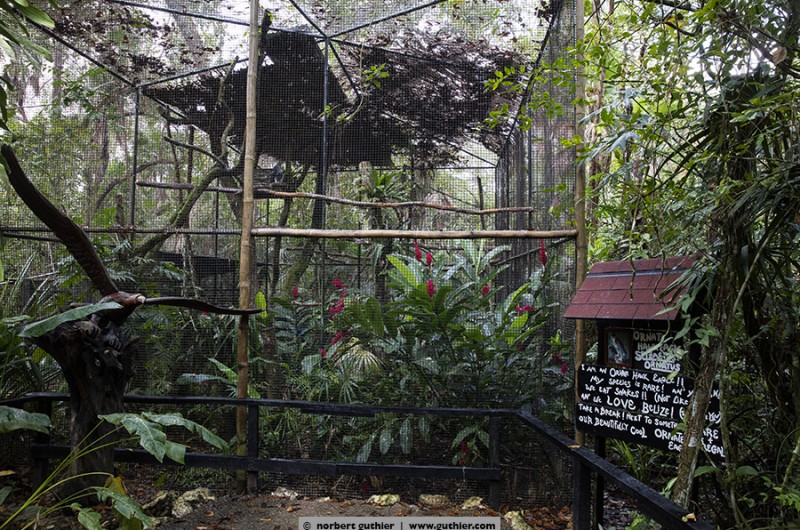
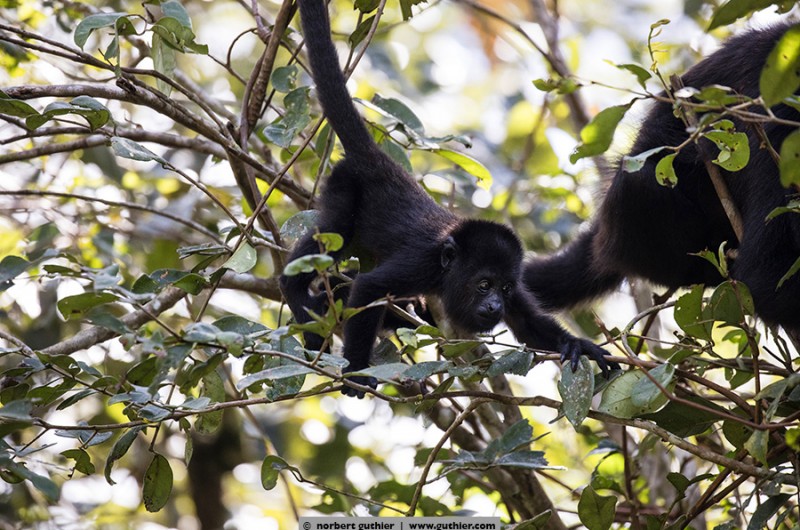
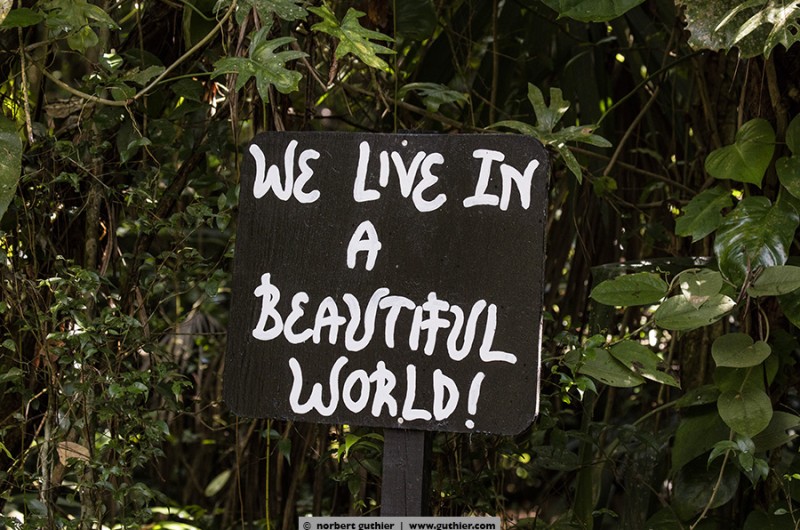
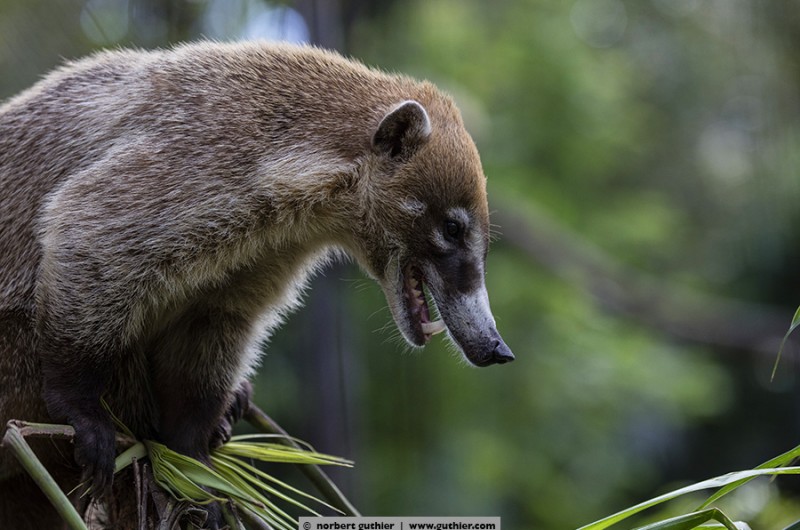
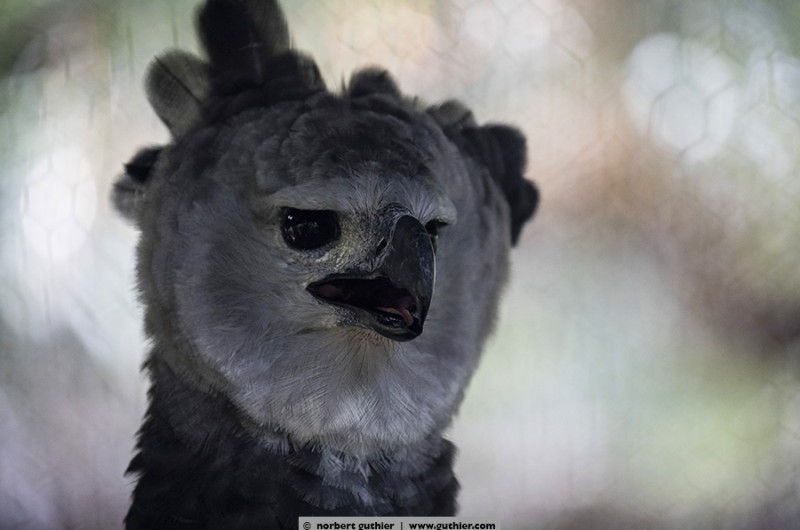
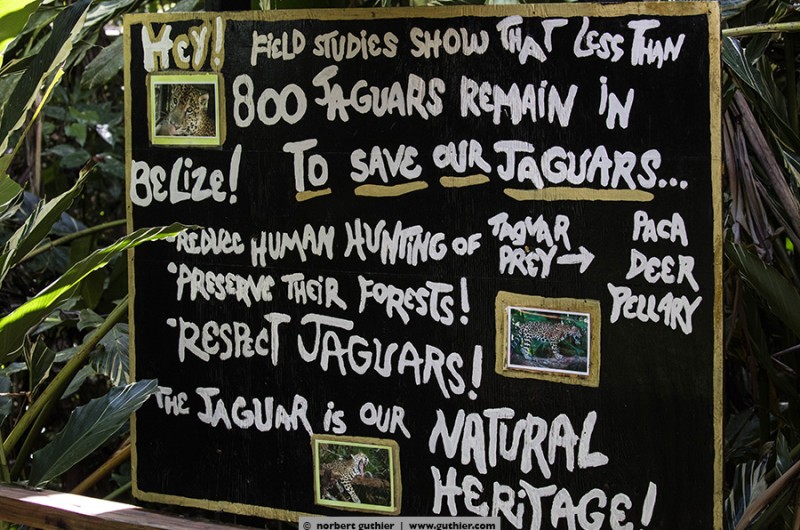
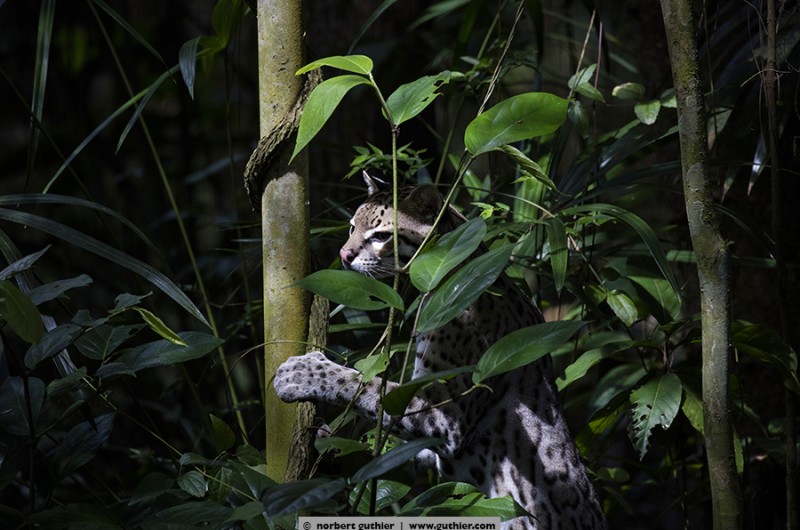
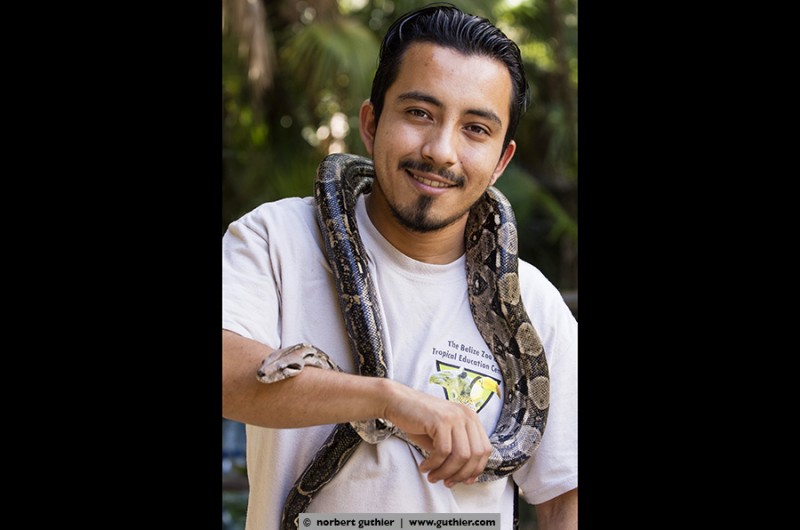
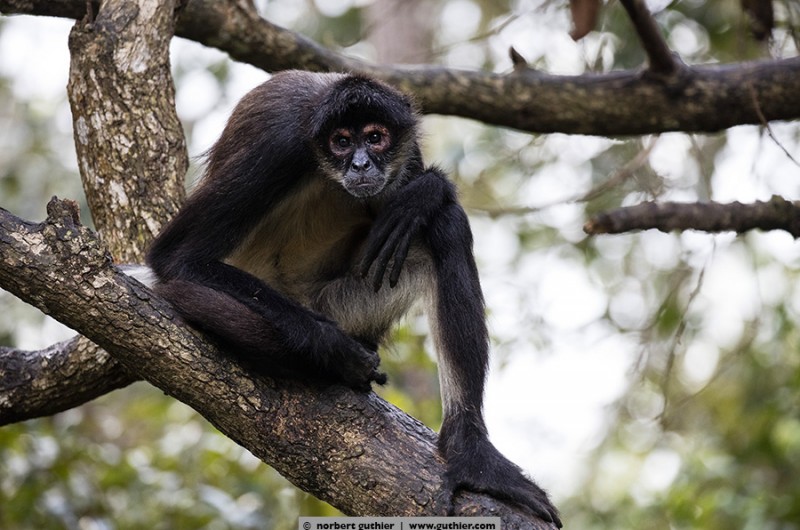
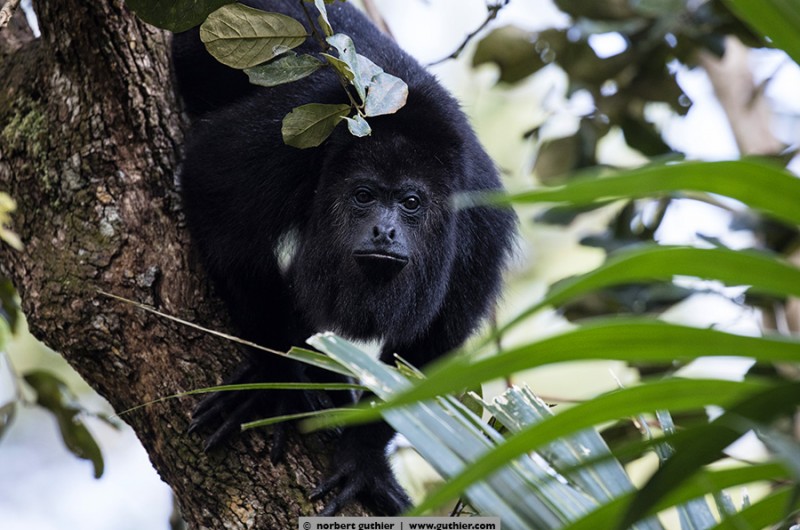
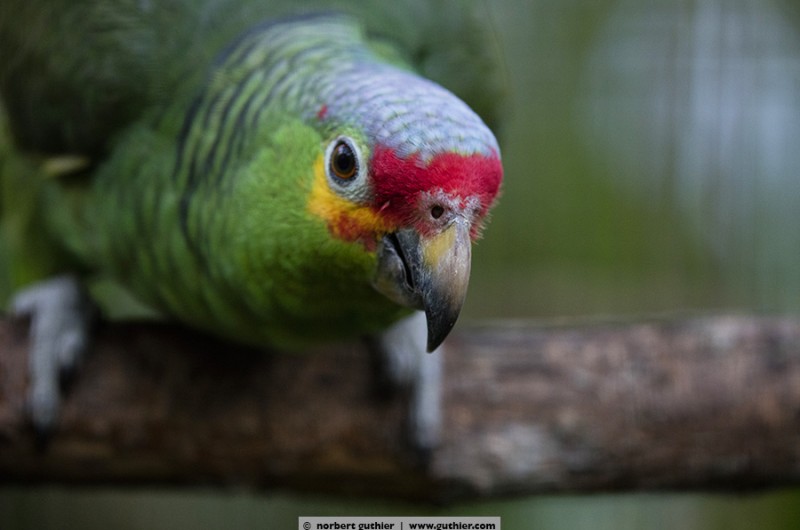
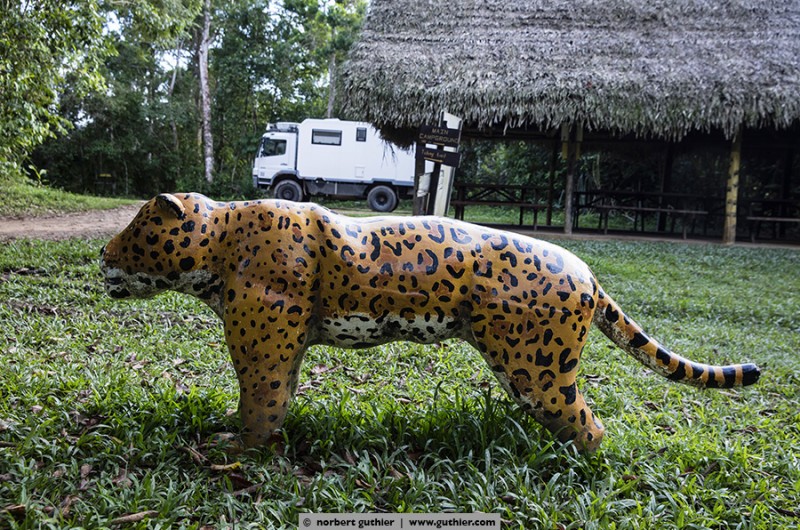
Actually, I dont like zoos but the belize zoo is an exception. There are only native animals in their close to nature cages and almost all had been confiscated by illegal holders. Besides, there is no possibility to reintroduce them to the wild again. Many signs are talking about the importance of environmental protection and a walk through the zoo is like a jungle-walk. Great. 

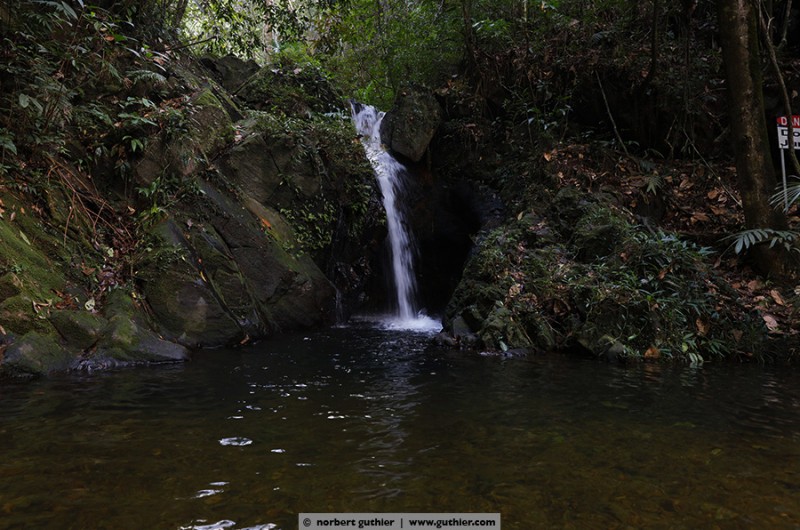
Cockscomb basin wildlife sanctuary / belize


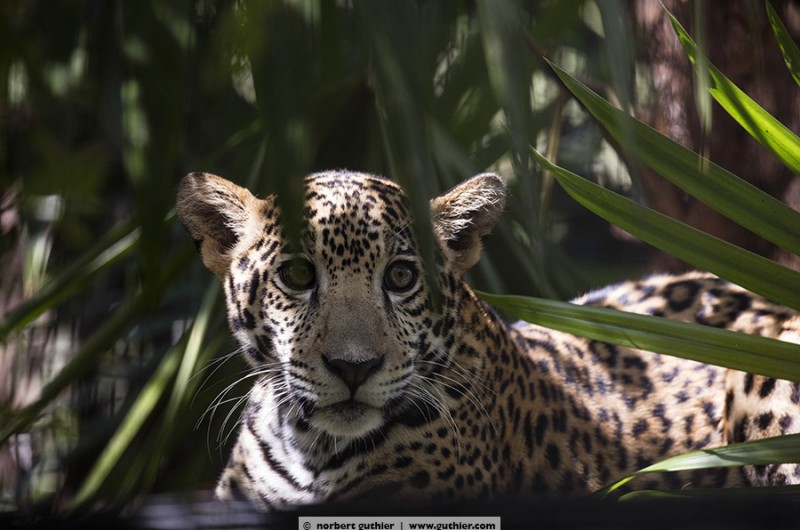
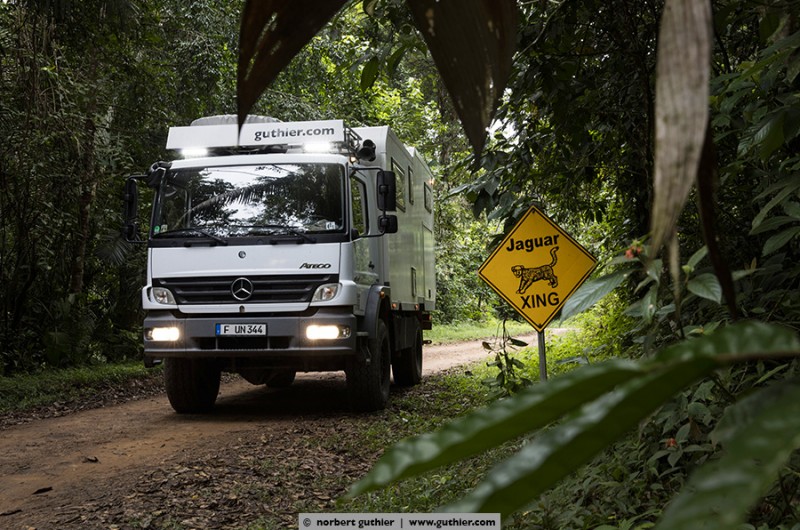
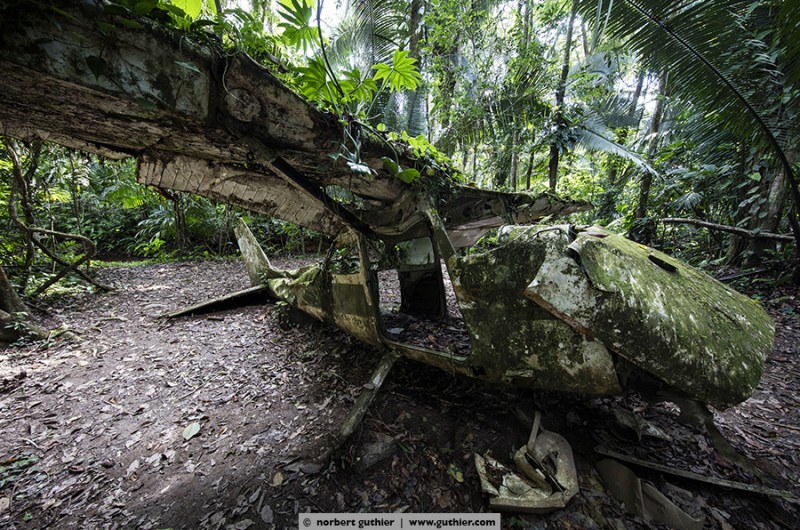
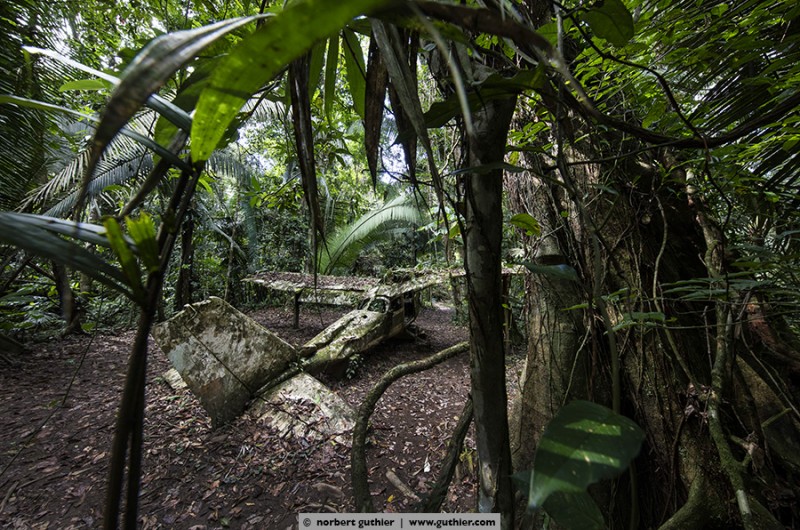
Dr Alan Rabinowitz has been described as ‘the Indiana Jones of wildlife conservation and he is the guy who first had surveilled the cockscomb basin and discovered that this area has the highest amount of jaguars in the world. By the way, he, the pilot and the photographer, were slightly injured in this plane crash, and the wreck is now swallowed up by the jungle. (see pictures) Thanks to dr. alan rabinowitz, an area of approx. 3600 hectares was put under protection in 1986, which was quickly expanded to 128,000 hectares until today. 60 – 80 jaguars live in the cockscomb basin wildlife sanctuary and because you can look only a few meters into the dense jungle, it´s equal to a jackpot in the lottery to get one of these animals in front of the lens.

Thanks to dr. christof schenck (frankfurt zoological society), who recommended us to visit this natural gem.

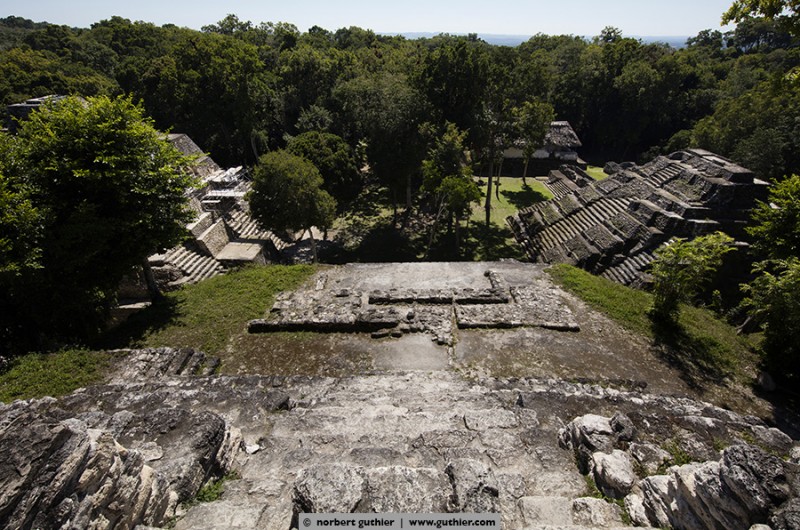
yaxha


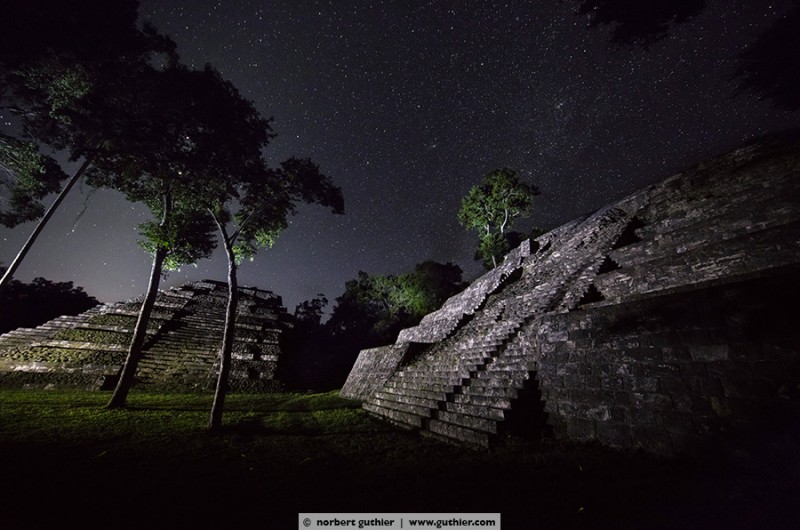
just a few impressions from this interesting mayan site…

tikal


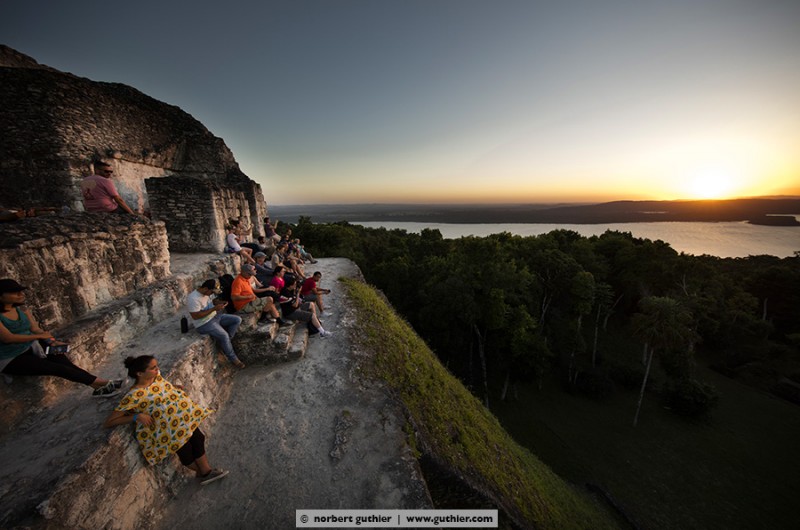
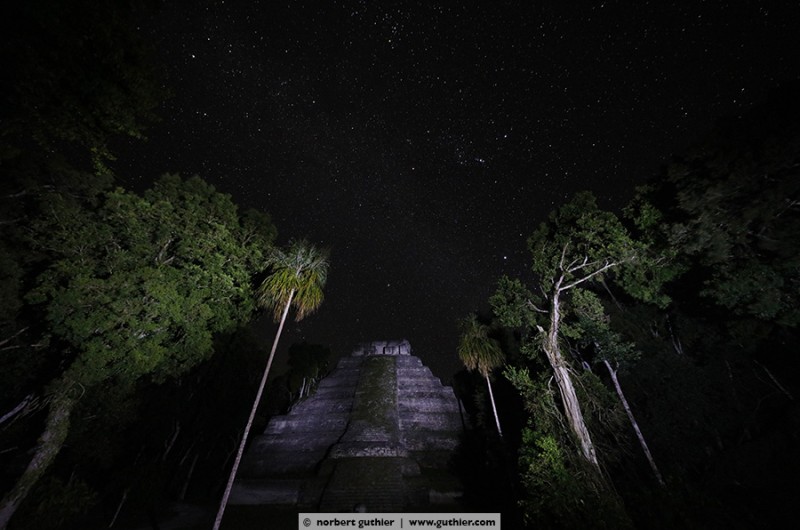
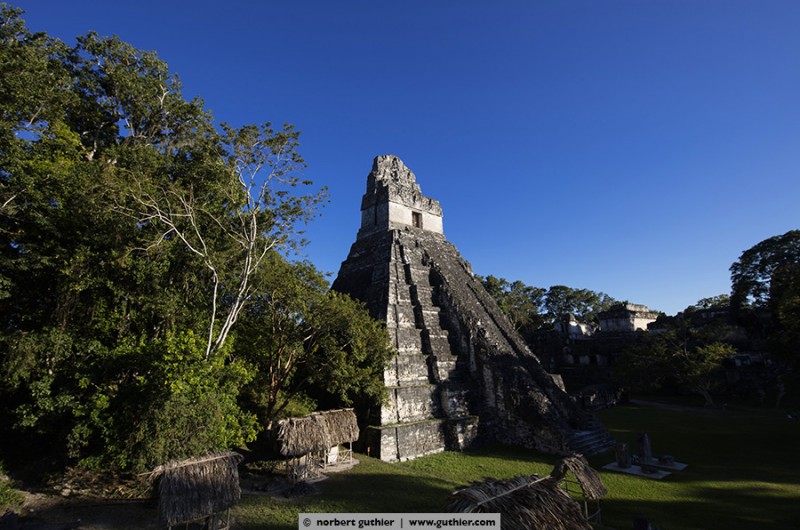
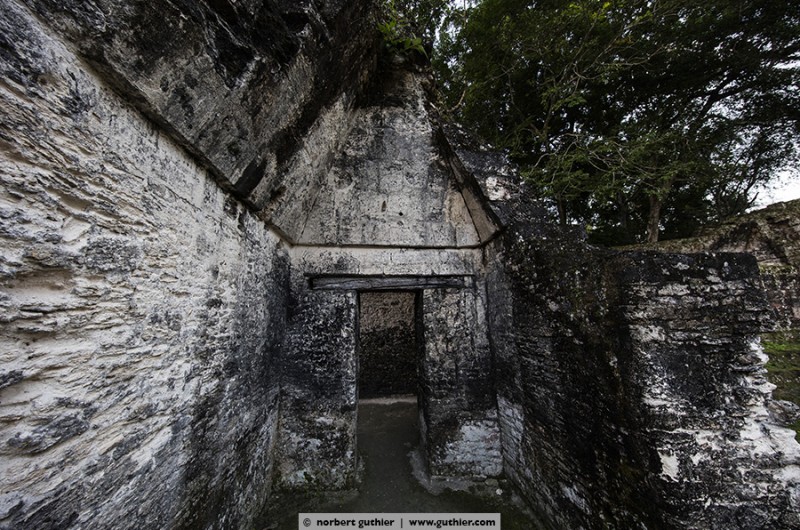
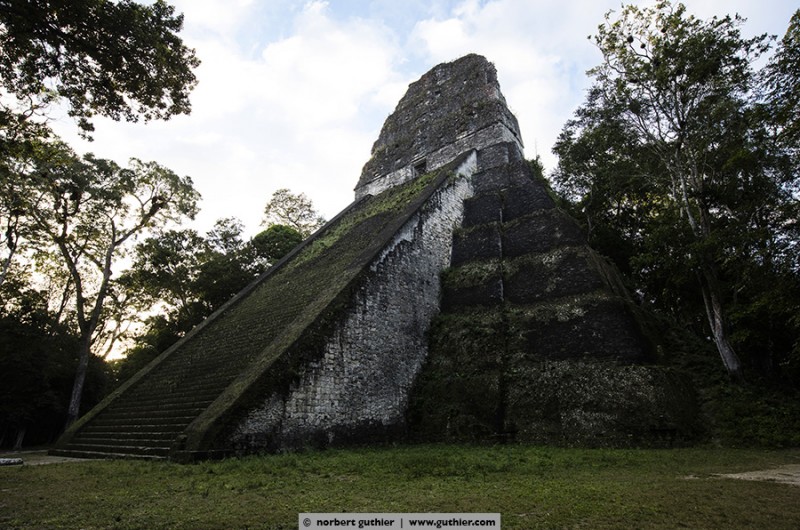
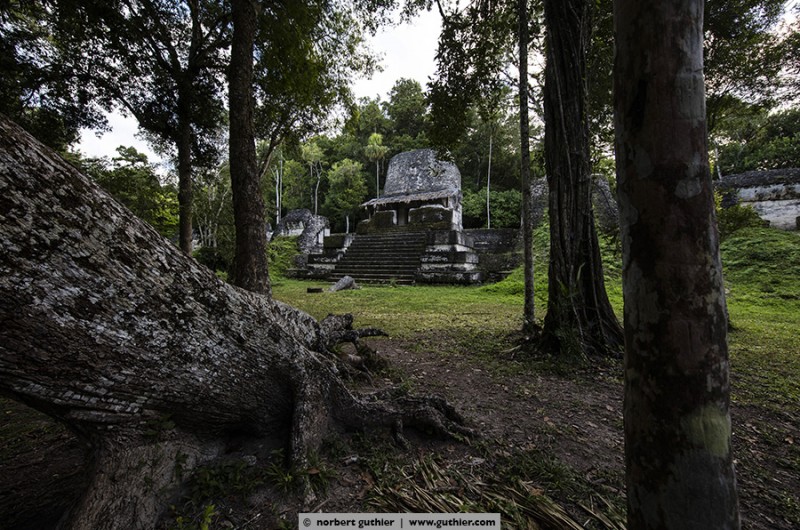
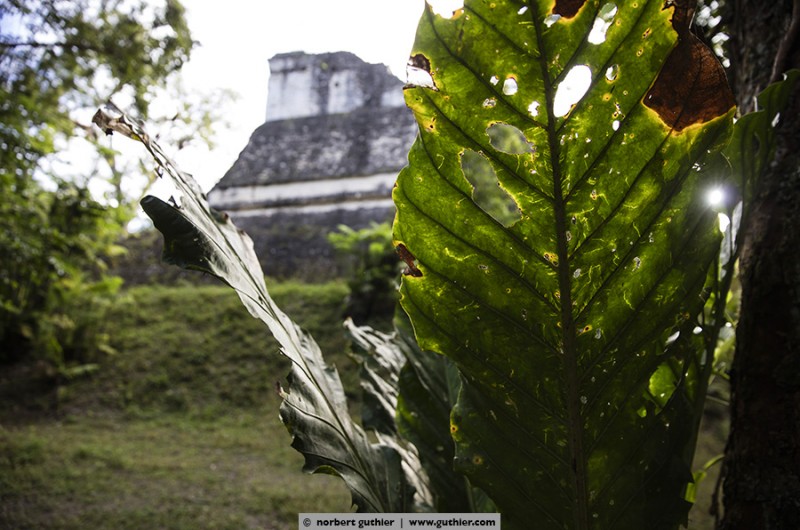
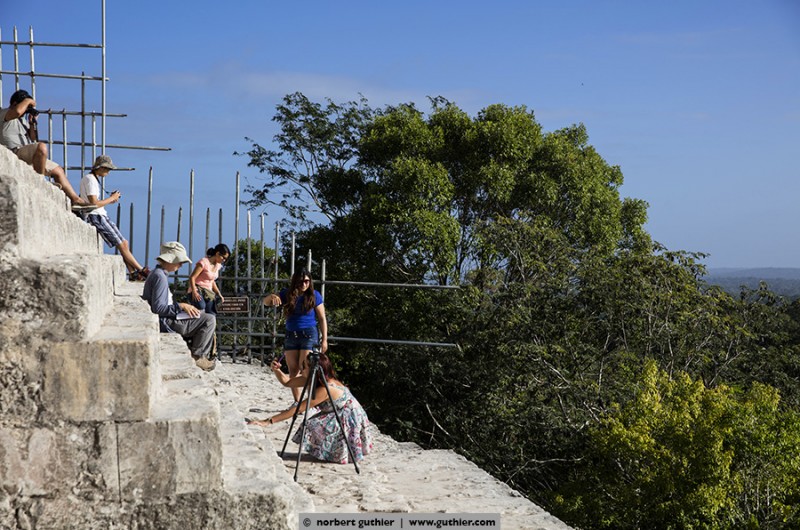
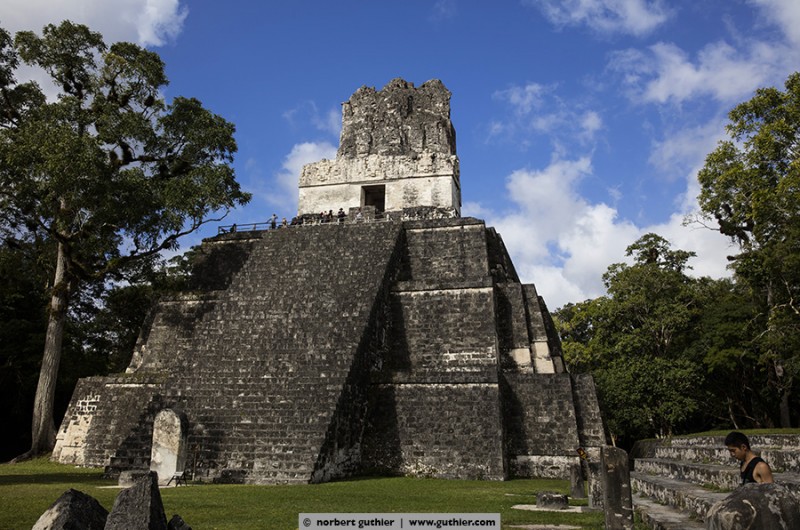
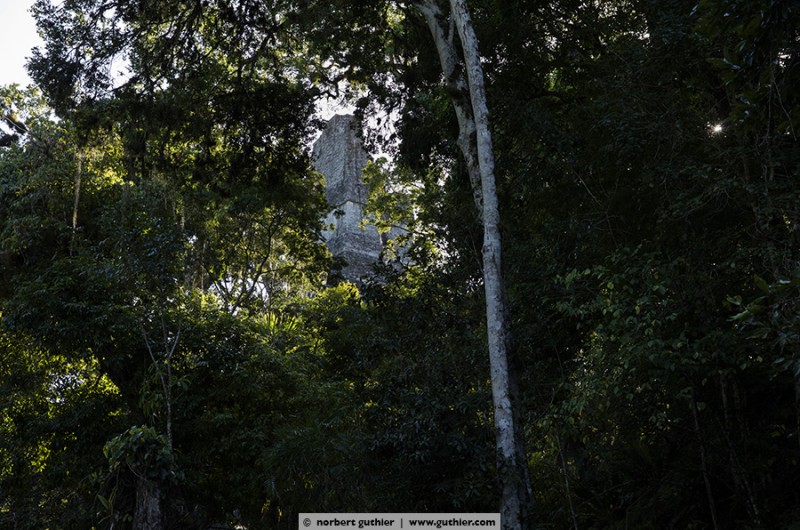
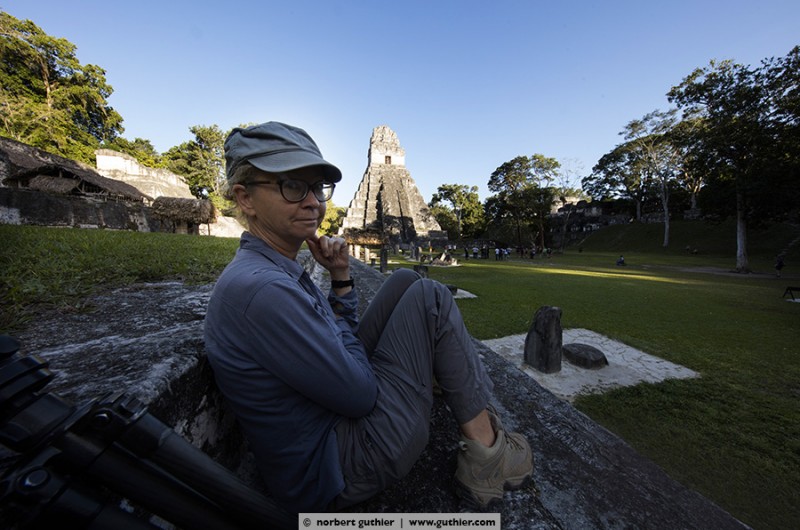
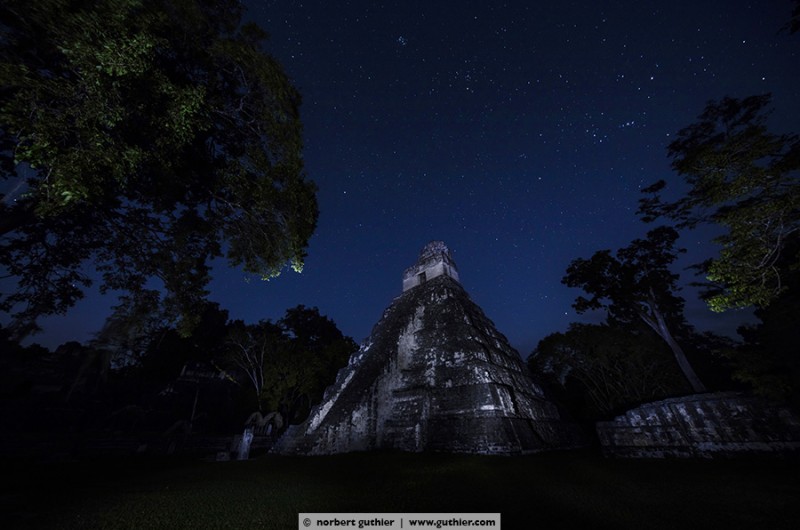
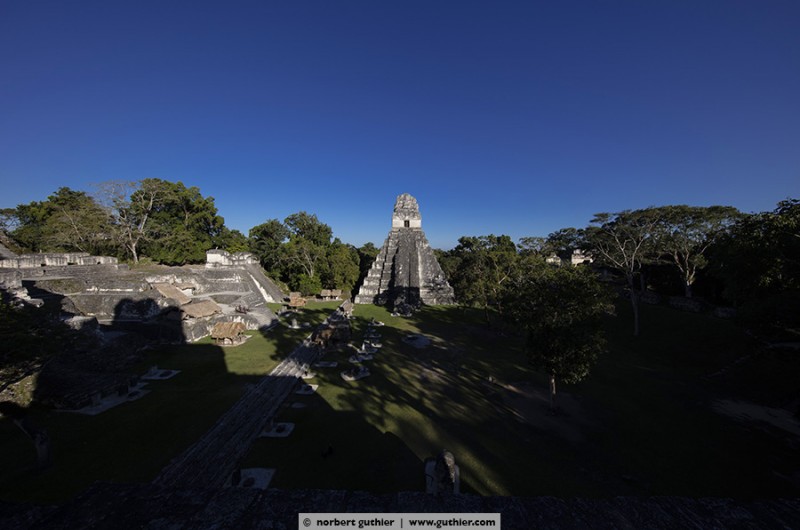
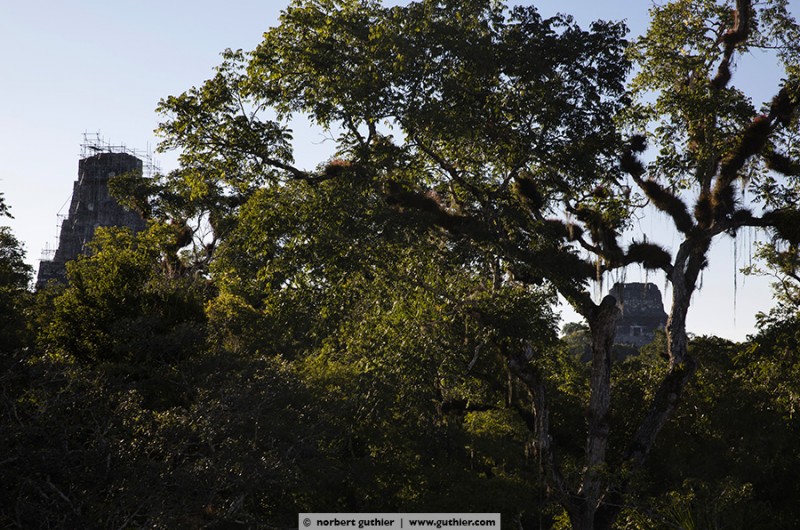
once tikal was one of the most important mayan sites and the ancient city is located in the rain forest of the petén. The petén was considered as the seventh largest rainforest area on earth but on our way from rio dulce to tikal we hadn´t seen rainforests – instead there was maiz fields, cattle pastures, oil palm trees and waste land.

From the beginning of the 3rd century there was a lot of activities in tikal and in honor of the gods they had to build temples, pyramides and of course residential sites for the kings. Tikal subdued neighboring cities and had a long enmity with calakmul from which it was hammered down 562. But in 695 there was the revanche and calakmul was subjugated, this meant for tikal a new heyday.

in the city and in the surrounding area there once had lived up to 200.000 humans but in the beginning of the ninth century suddenly the game was over. Why the exodus came remains unclear up today but one assumes that an extreme drought happend between 800 and 830.

Perhaps the mayas had cleared too much rainforest for growing crops etc. and thus might had changed micro climate?

 

livingston


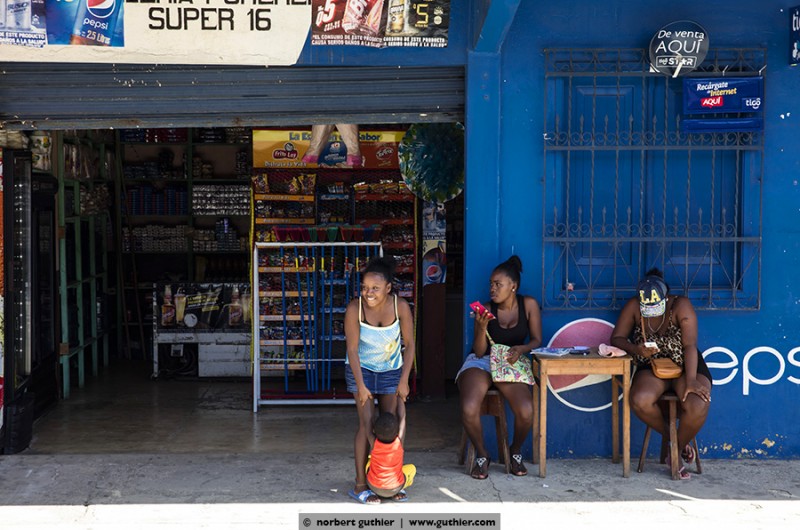
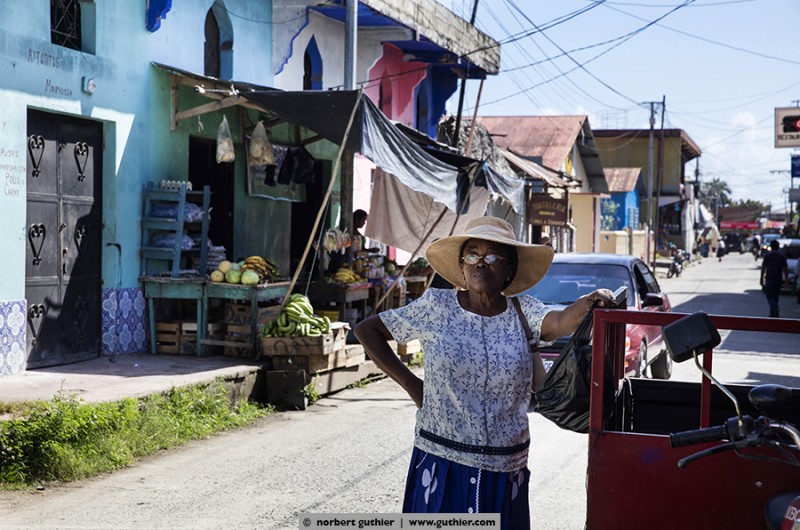
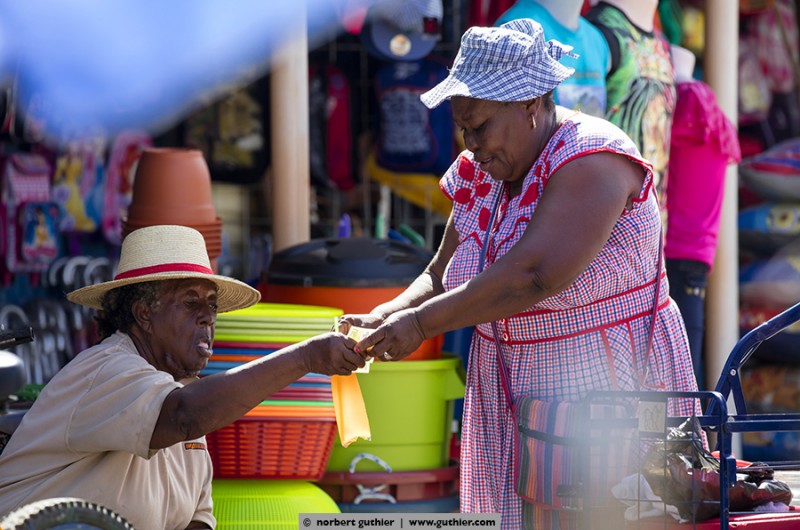
After the Spaniards had slaughtered the indigenous people or they were carried off by contagious diseases, workers were missing to exploit the natural treasures. So African slaves were brought to the country, whose descendants still live on the caribbean coast like here in livingston. Little africa in guatemala.

Quiriguá

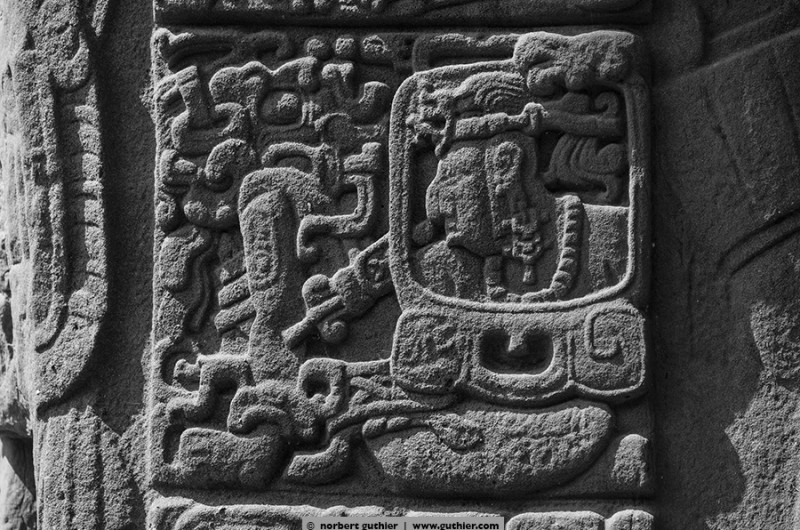
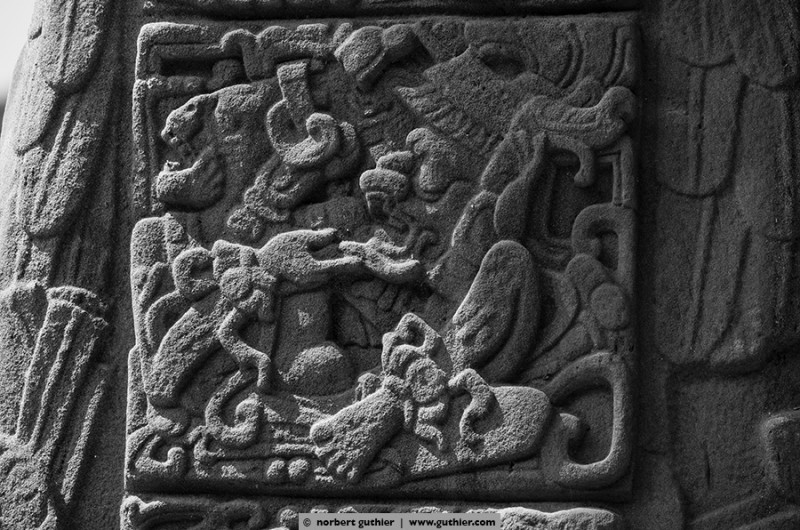
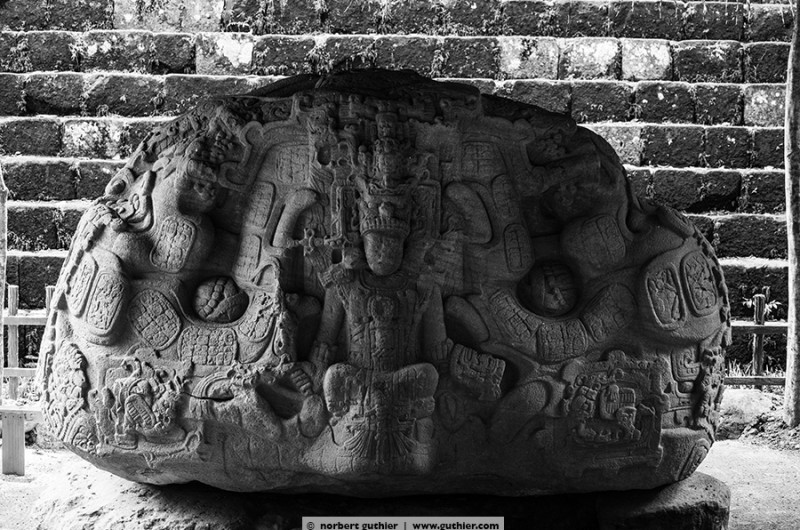
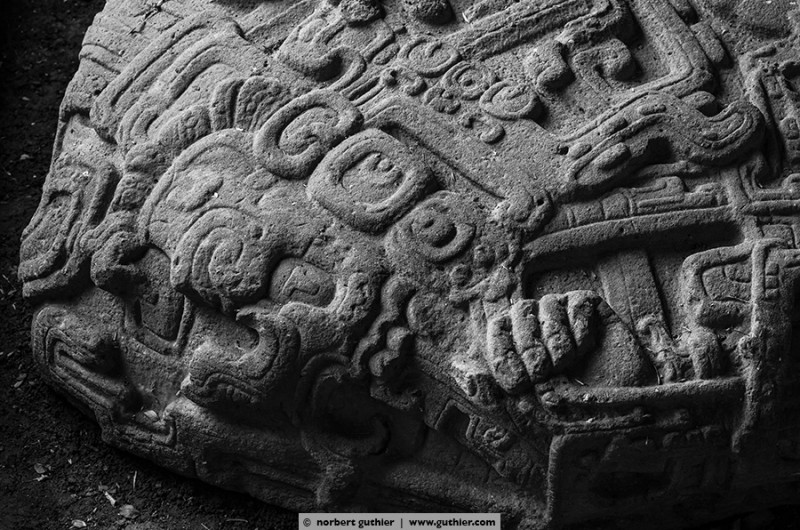
zoomorph „p“ zoomorph „p“  (detail)

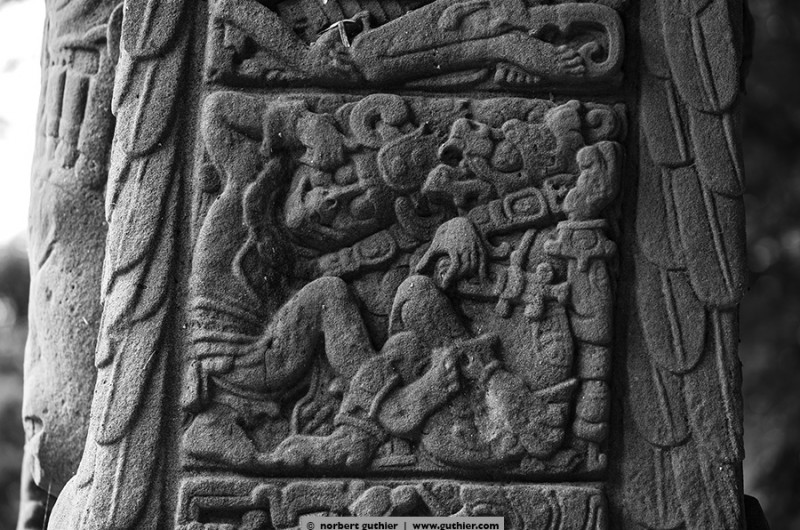
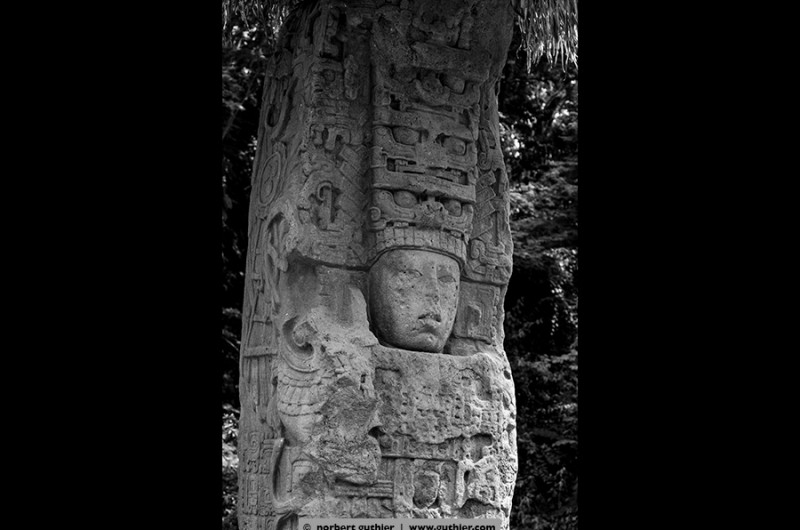
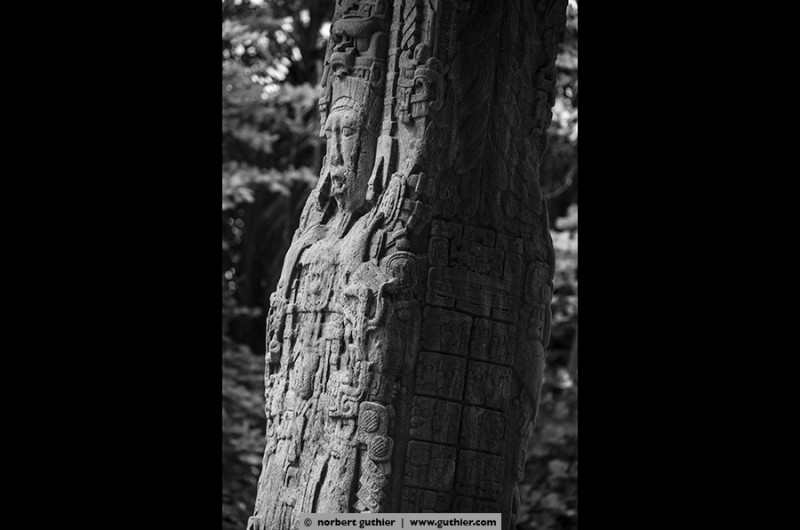
We arrived in the lowlands of guatemala, the petén. from now on it’s humid and warm. Quiriguá, meanwhile unseco world cultural heritage, was founded in 426 a.d. by „yax cow mo“, the god king of copán. Says our travel guide. Here you can see the most beautiful steels of Central America, large stone squares, covered with hyroglyphs and reliefs.

The zoomorph „p“ is probably the most impressive object and the laymen is amazed, what the experts can read from the engravings. The covered objects are now protected from the sun and rain, understandable but unfavorable for taking photos.

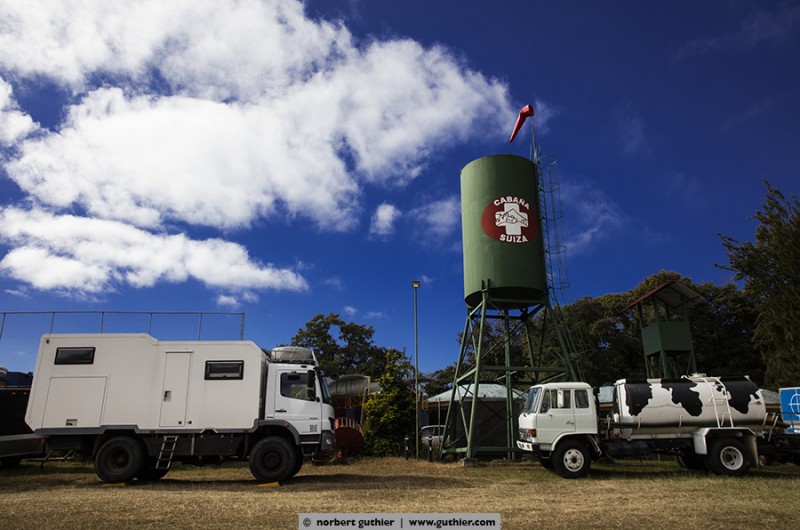
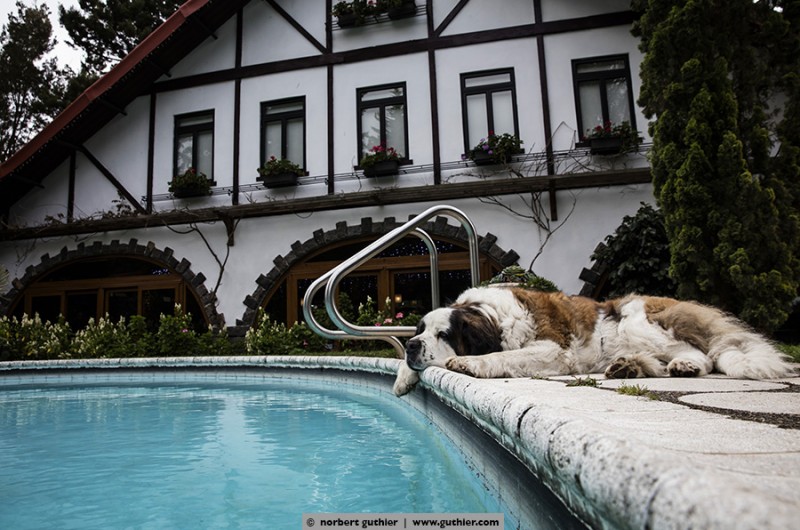
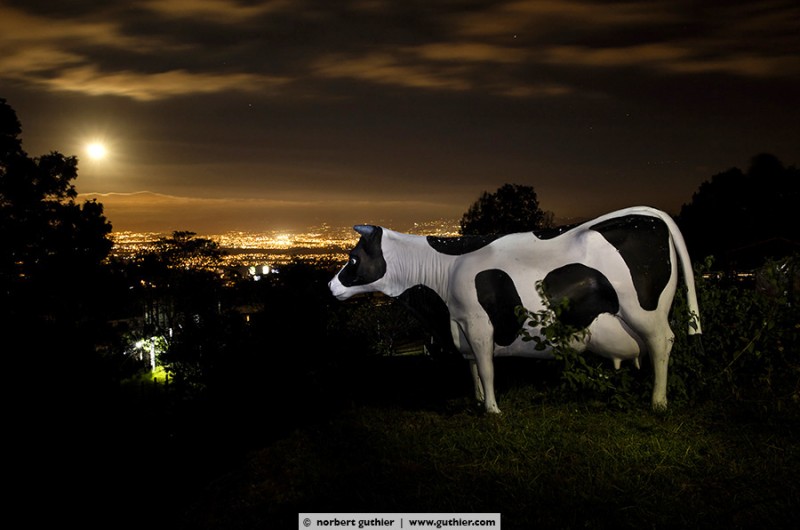
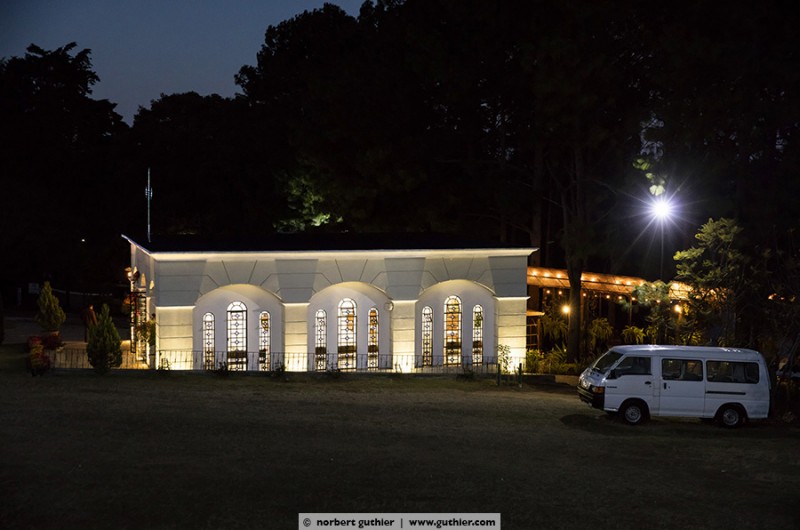
cabaña suiza


Overlanders going through Guatemala City will know the “cabaña suiza”. It is like an exotic oasis on the edge of the huge city and offers a safe harbor and engardiner tart to travelers. The bernhardiner avalanche dog became a life guard, the black and white cow is made of plastic, but who needs to get married urgently: the chapel is genuine.