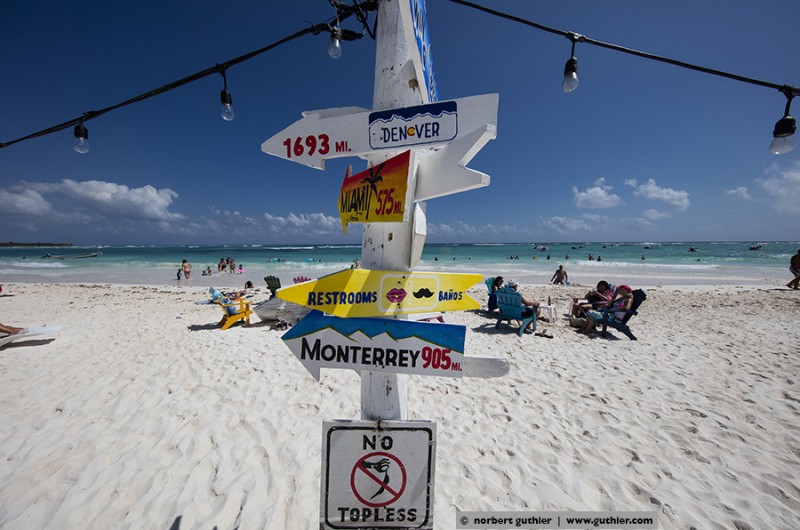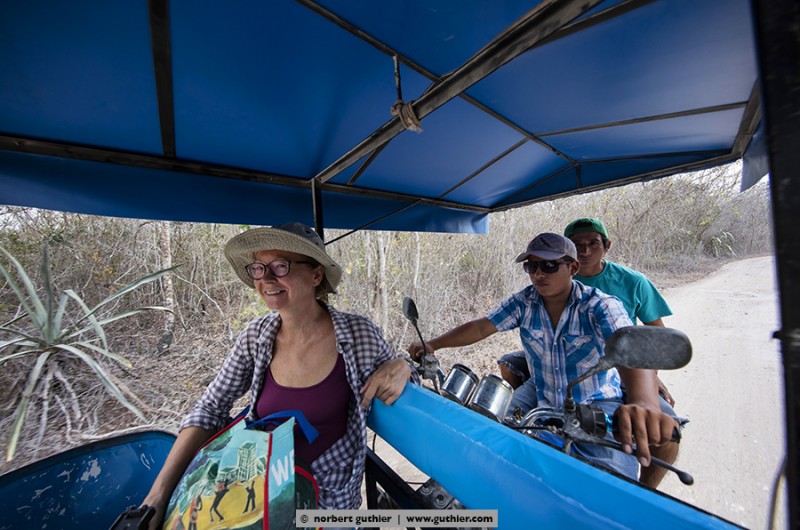
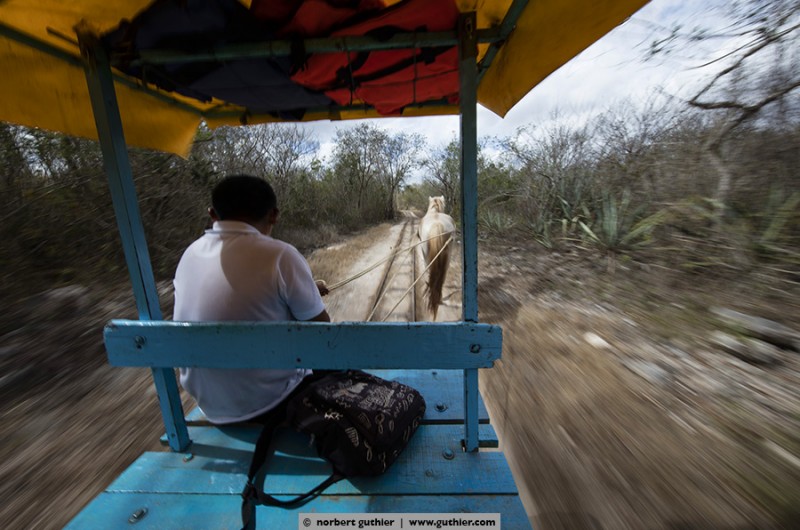
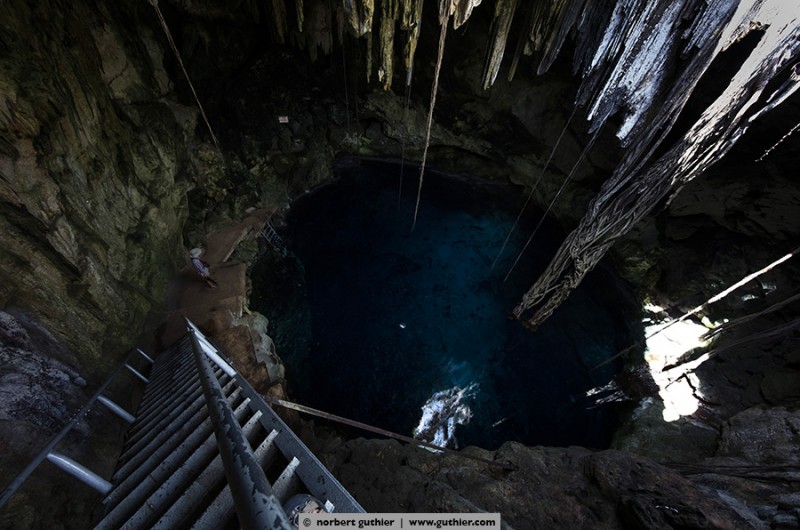
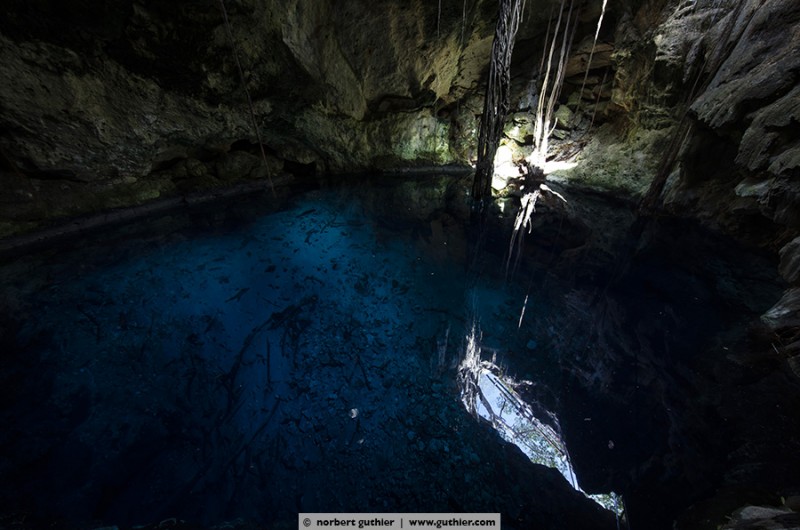
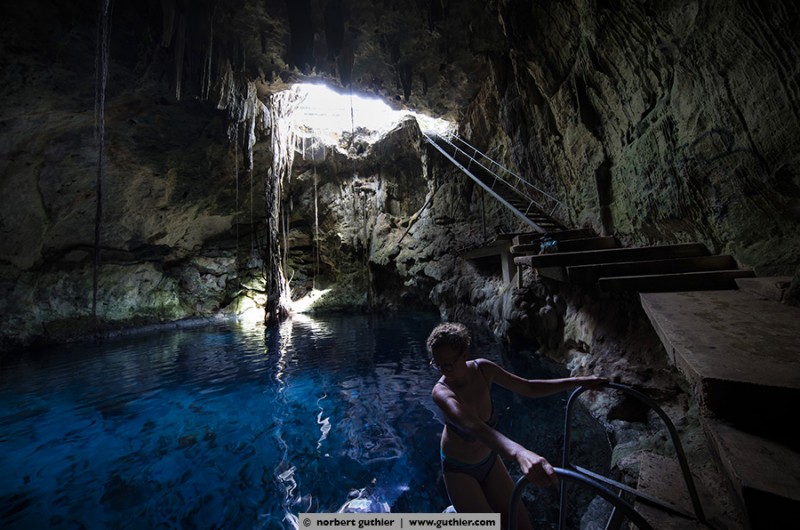
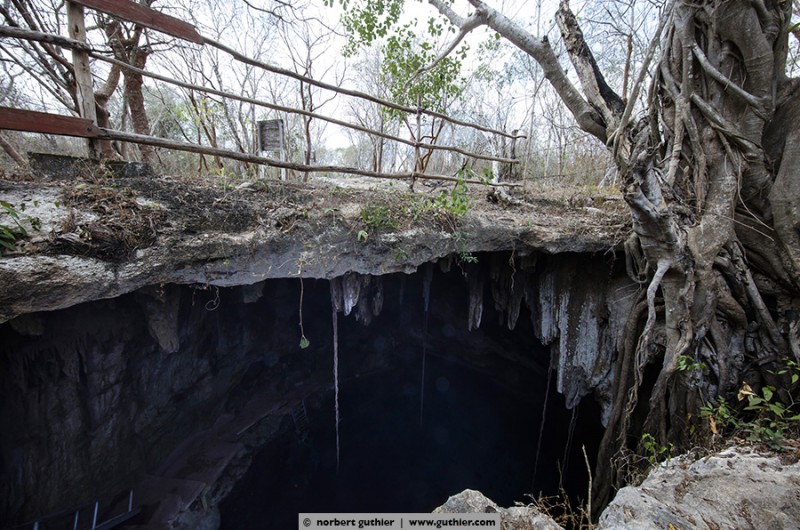
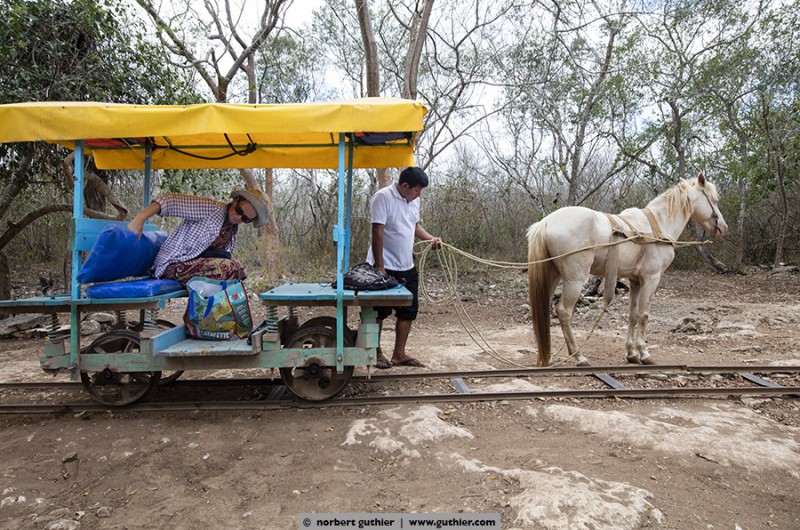
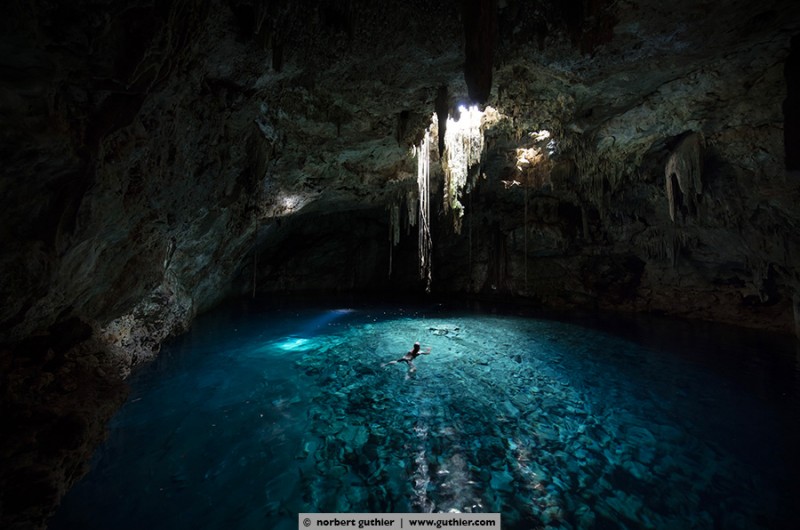
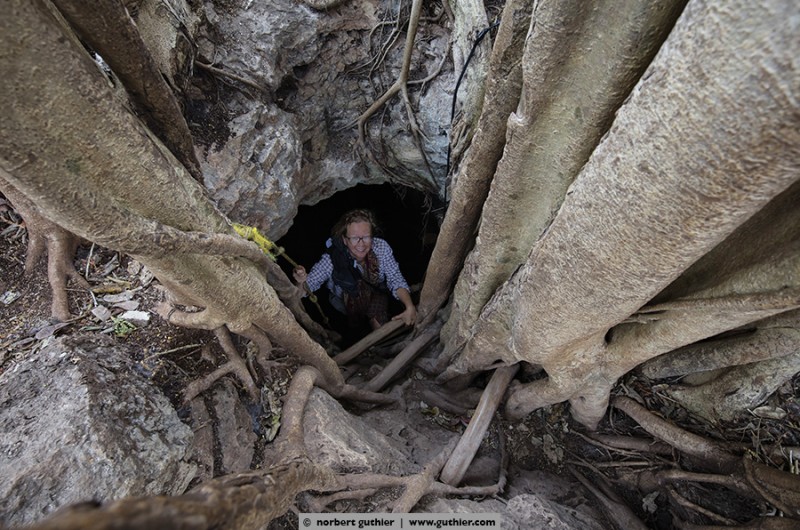
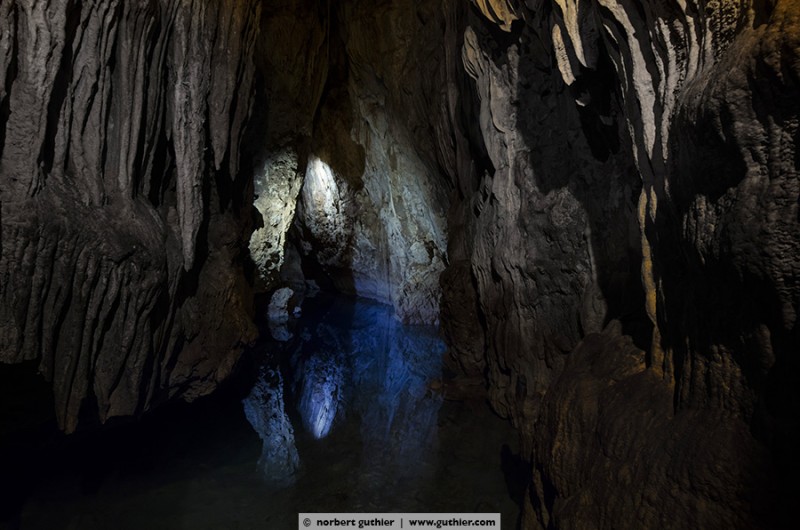
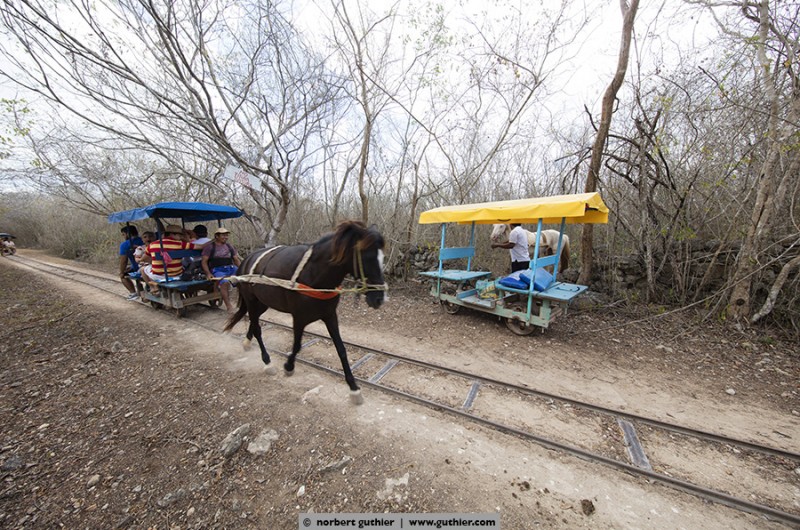
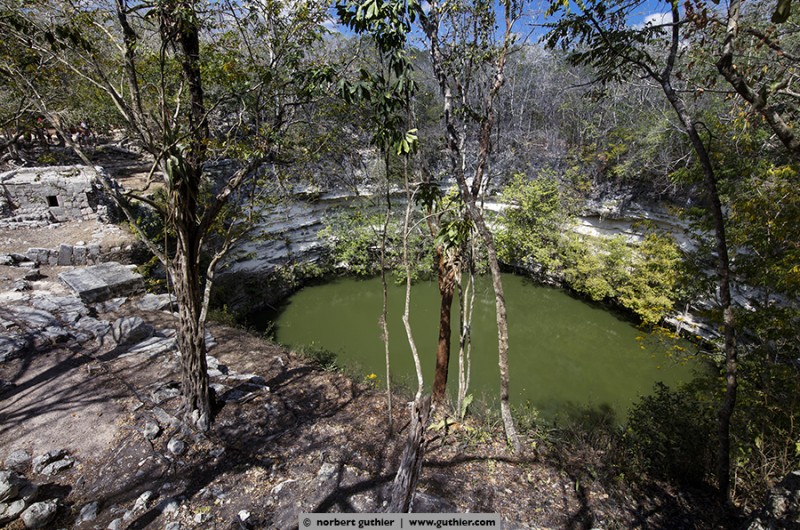
Not all cenotes are easy to reach by car, these are a bit out of the way and can be reached by trolleys towed by horses and bike-taxis. Exciting how different these water holes are!
Comments ↓



Not all cenotes are easy to reach by car, these are a bit out of the way and can be reached by trolleys towed by horses and bike-taxis. Exciting how different these water holes are!
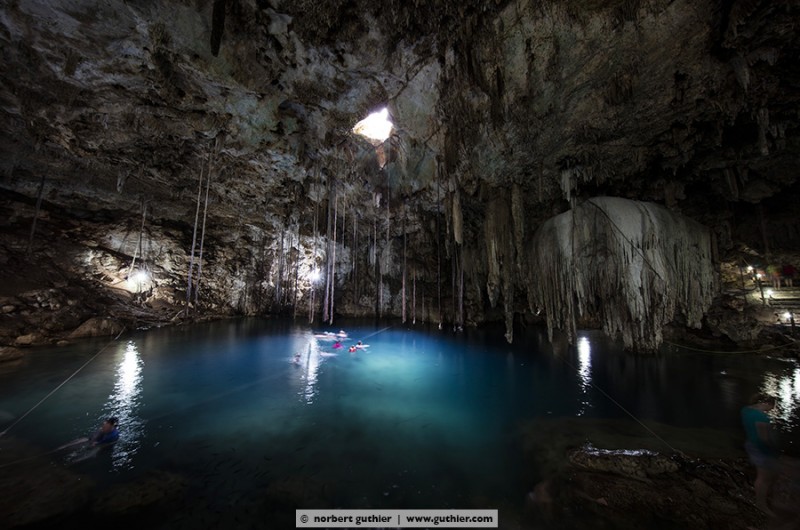
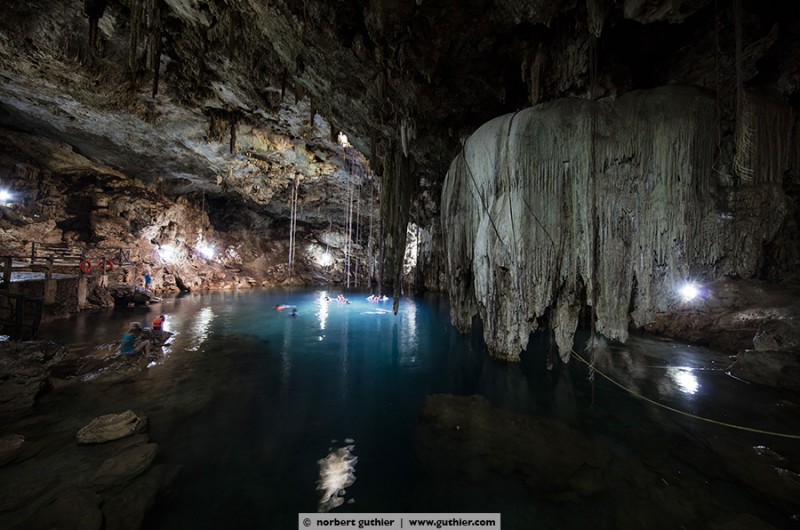
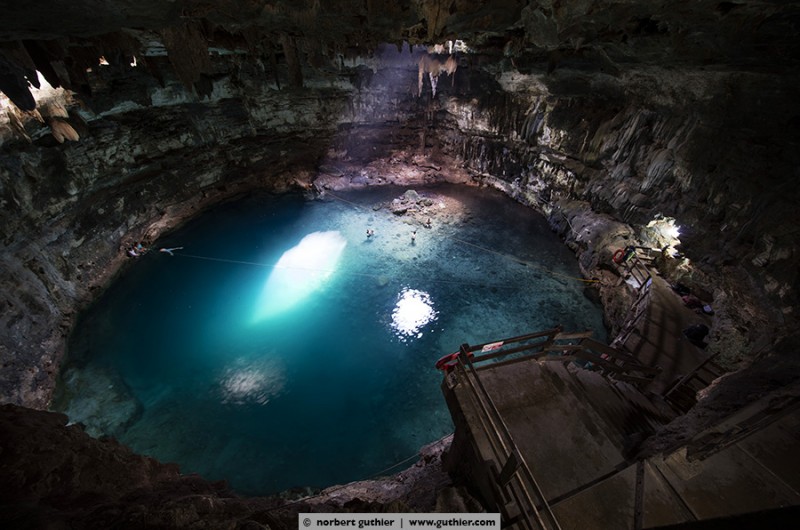
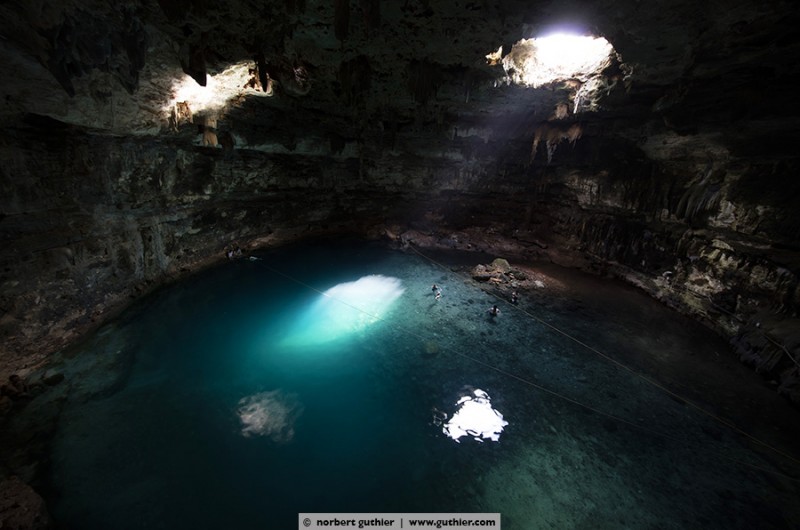
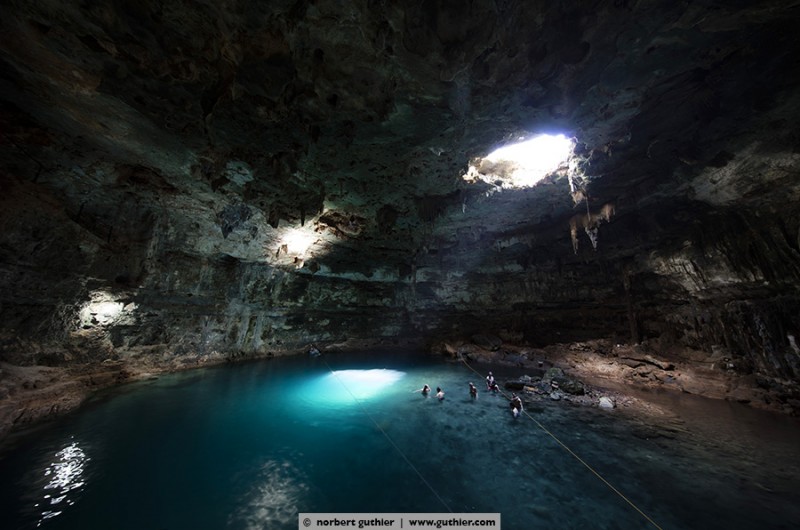
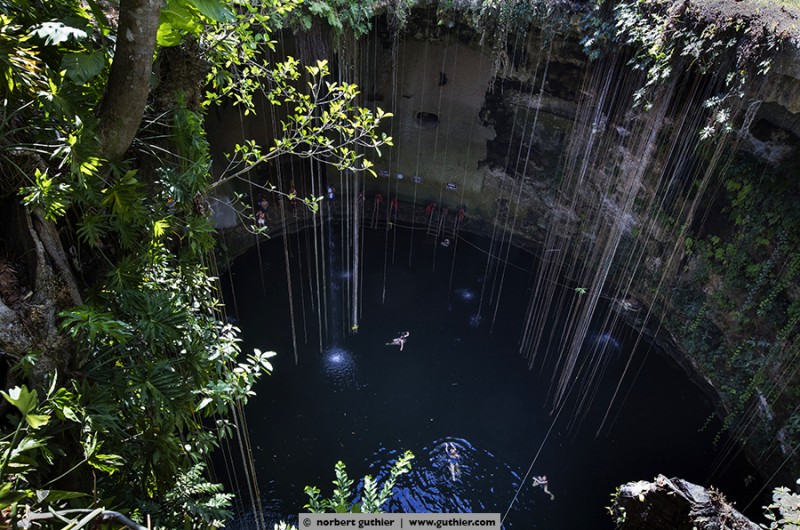
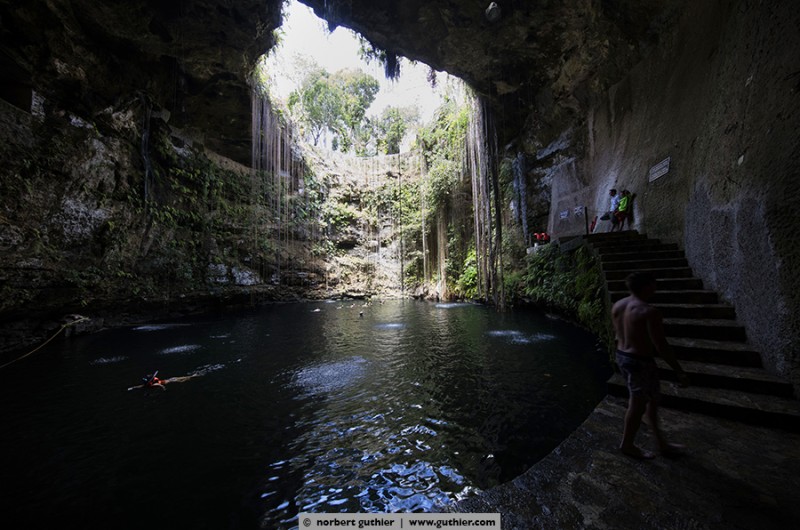
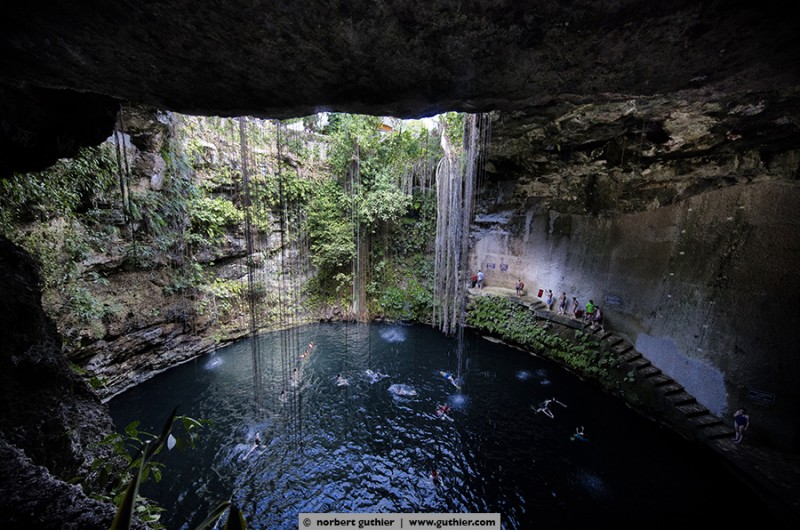
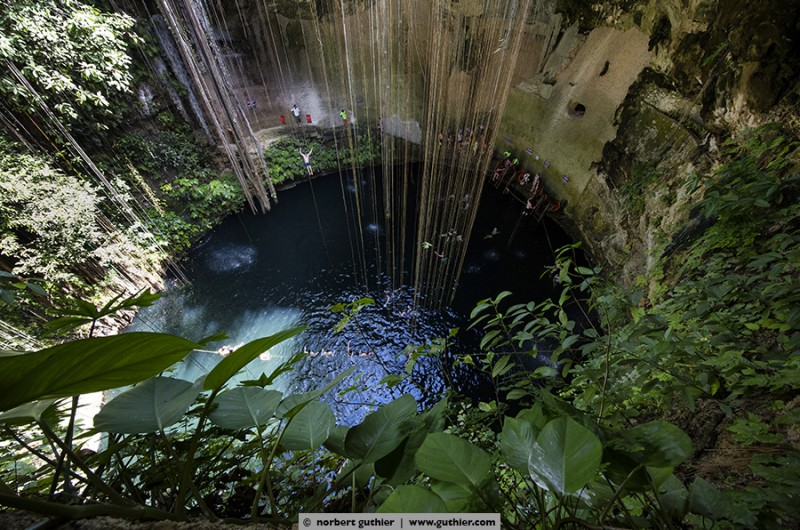
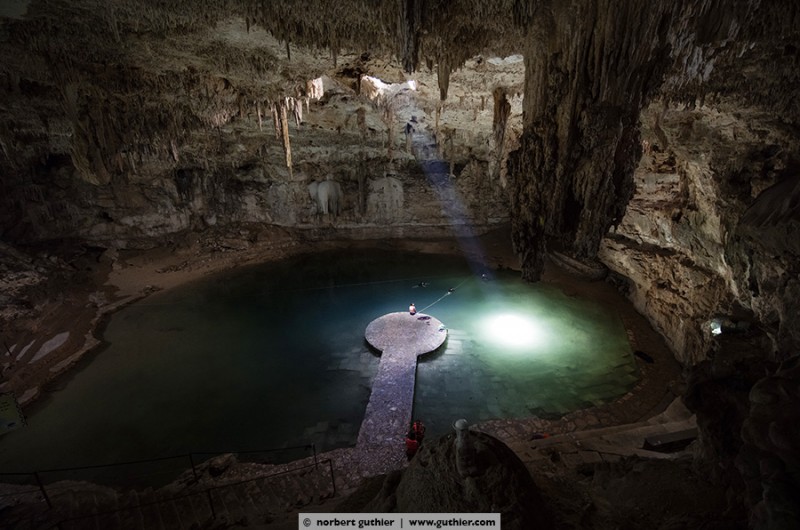
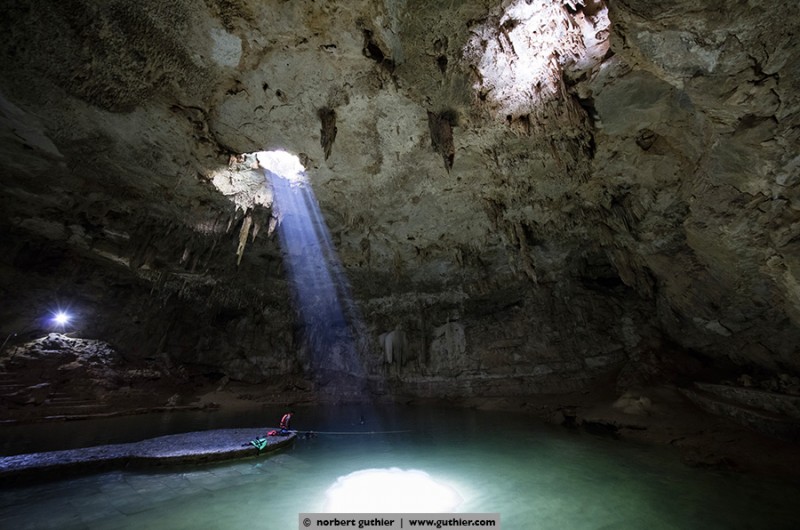
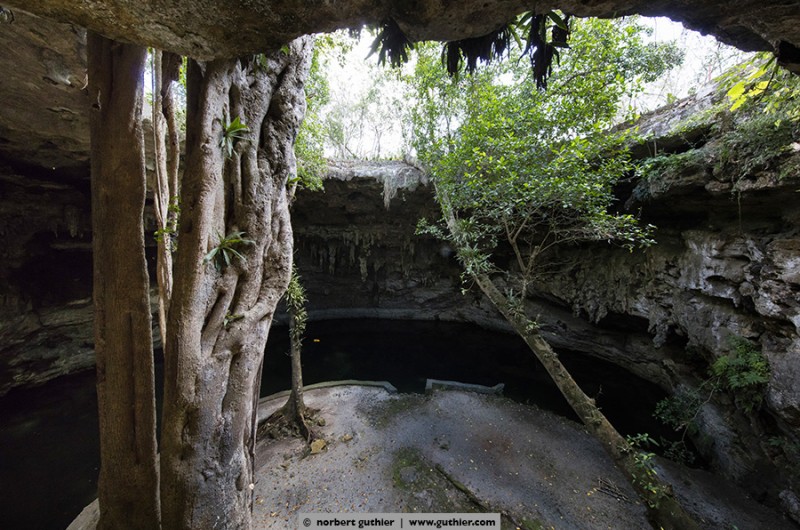
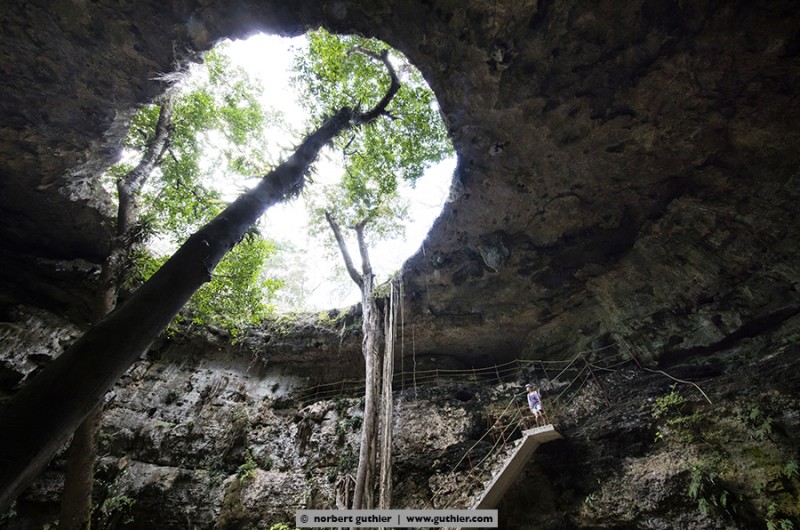
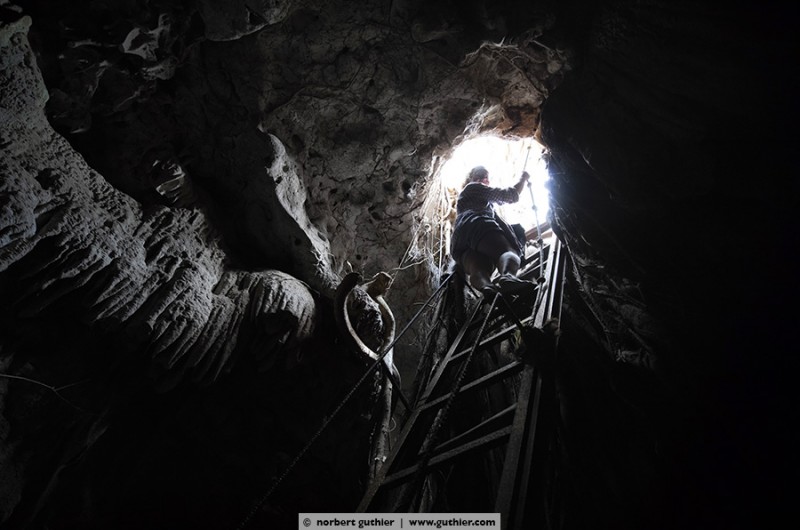
Today I would like to present some cenotes. On the yucatan peninsula is the world’s highest density of these dolina-like limestone pits, created by the collapse of the cave ceilings and filled with fresh water. Some thousands are known and most of them follow the rim of the chicuxlub crater. (i will try to introduce the chicxulub krater in an upcoming blog contribution!) Unfortunately, the often spectacular collapsed caves were made accessible for tourists with unnecessarily much concrete, however, these underworlds are always impresssive and they played an importand role in the maya culture.
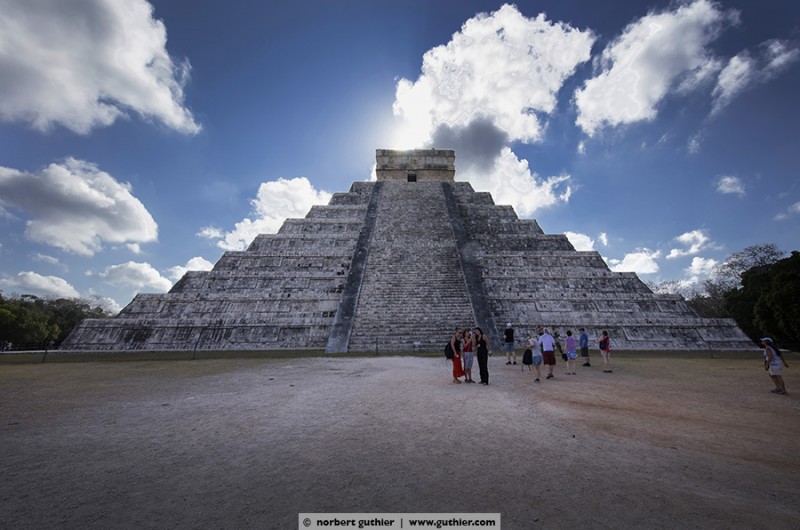
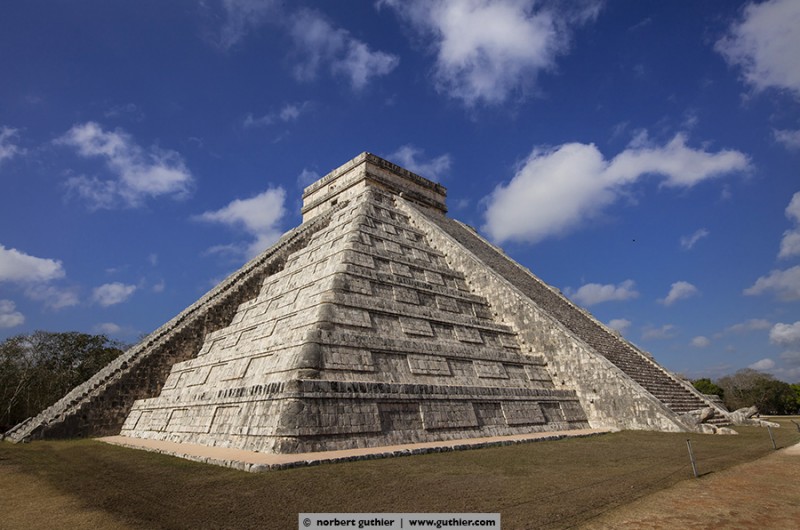
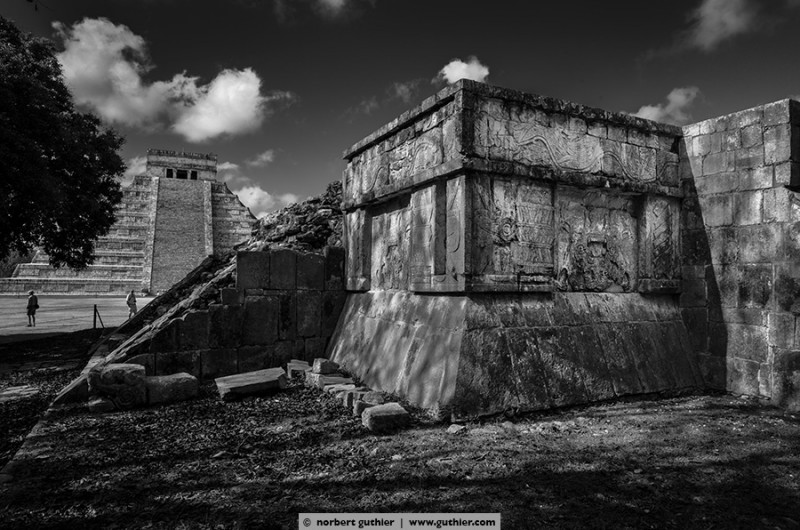
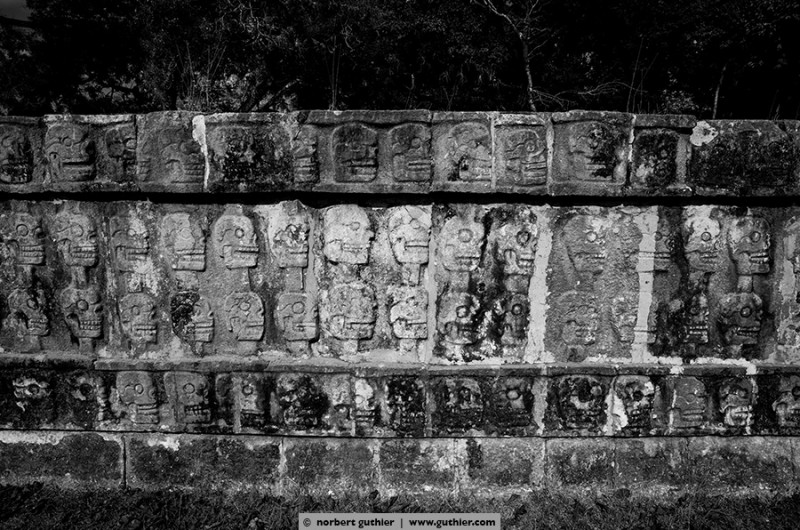
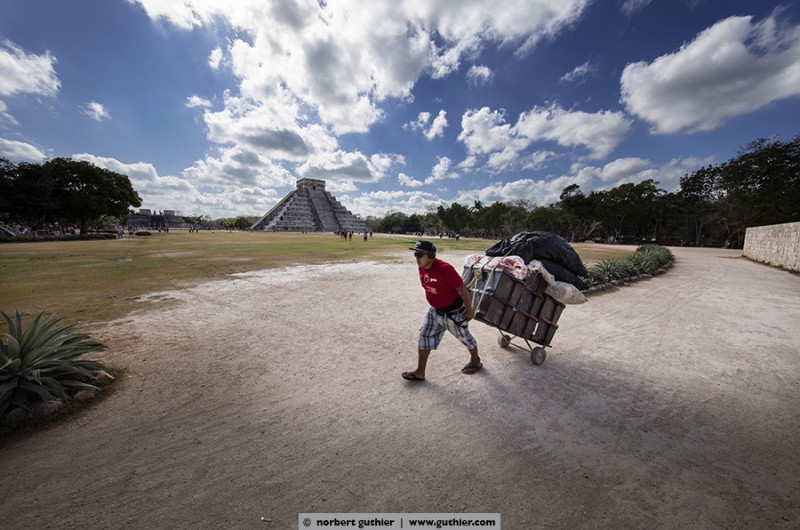
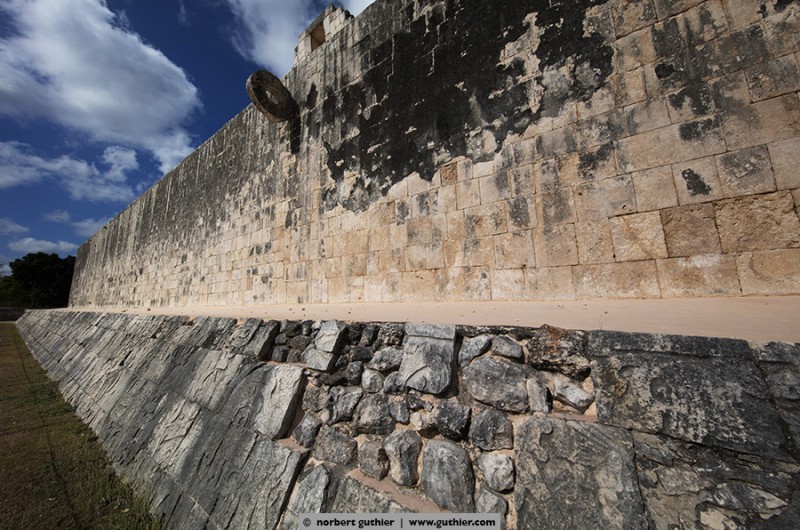
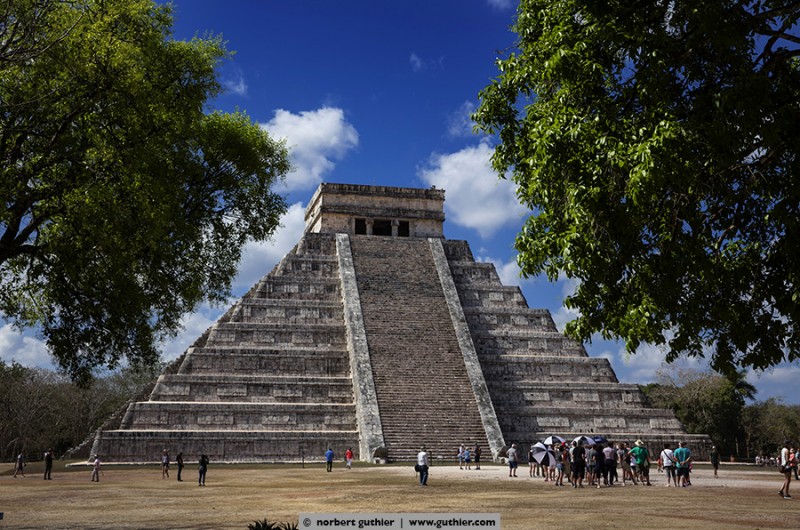
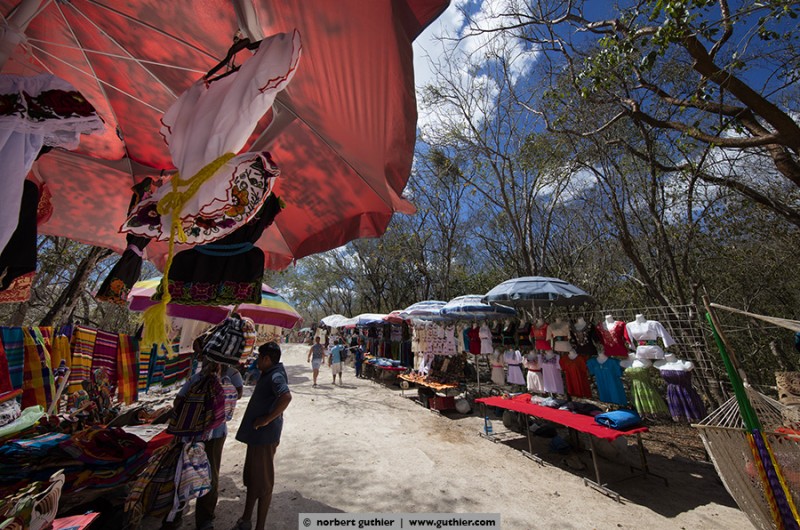
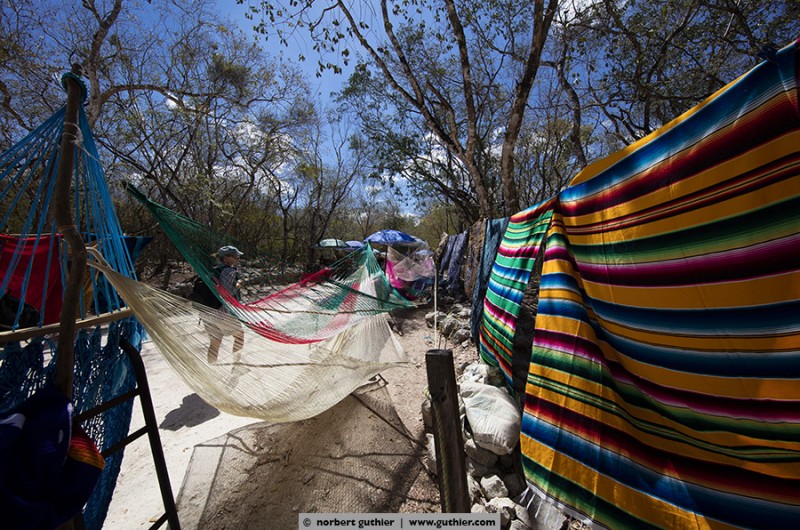
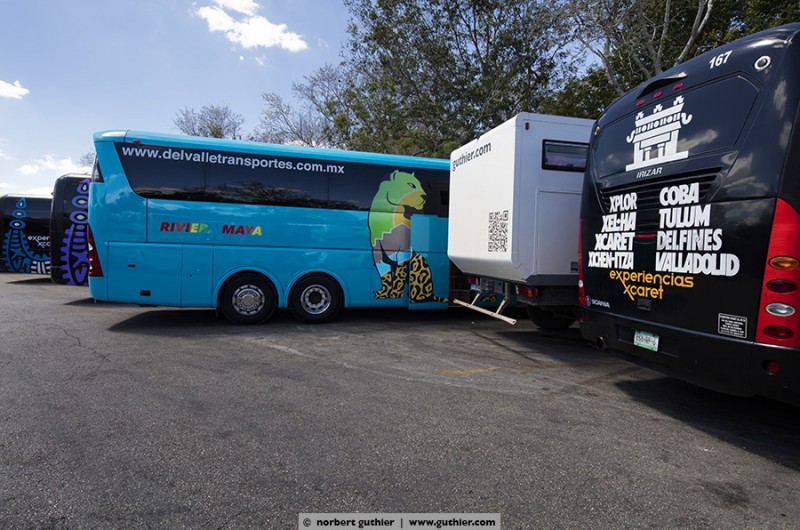
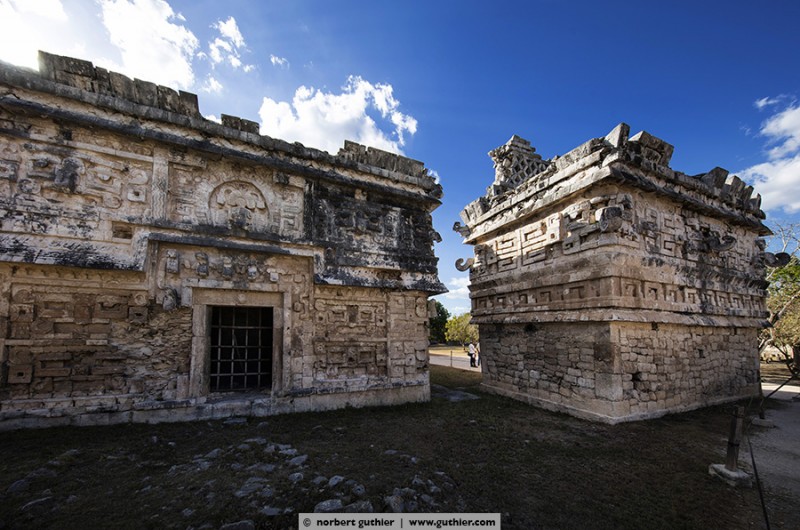
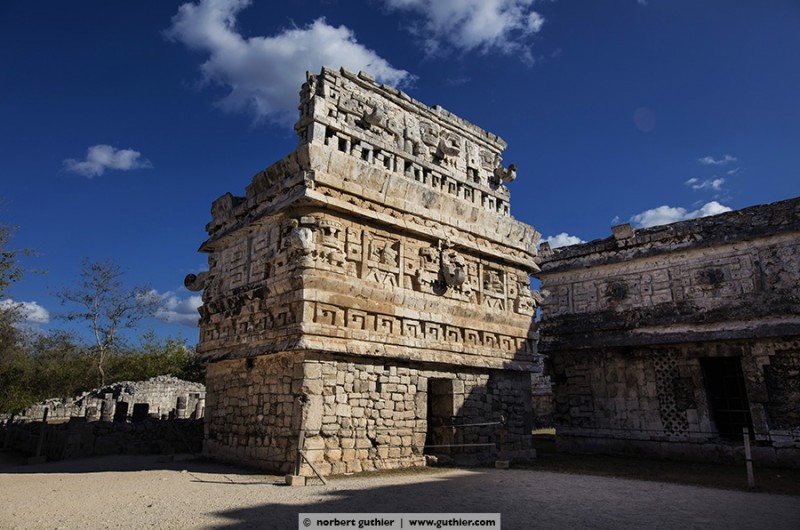
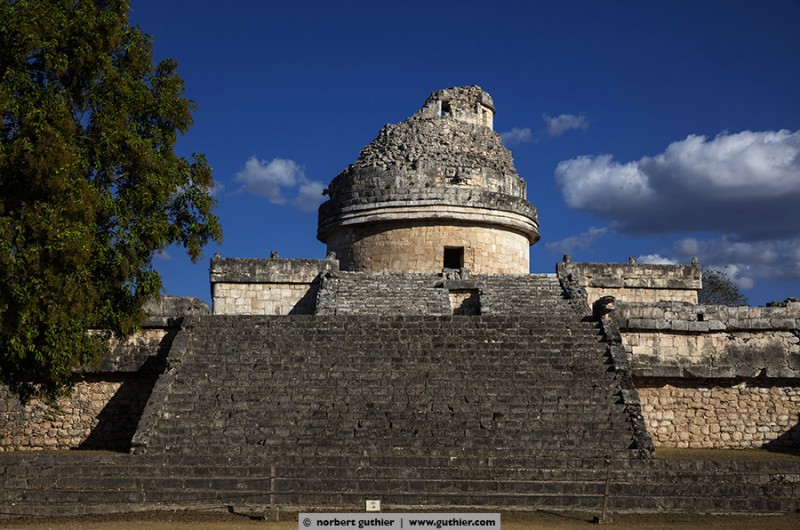
These maya ruins are certainly the best-known archaeological site on yucatan for tourism. The result is that about a million visitors come here every year and then they defile along the numerous knick-knack boothes. However, the great numbers also mean that the access to all pyramids and to other buildings was blocked for the visitors. Despite these restrictions, a visit is still very impressive. It was annoying that all visitors had to leave the site at 5pm and at 7pm there was a re-entry for the lasershow visitors (expensive tickets). If you love to look at honkey colorful illuminated ruins and then have to strive to understand the english translation via earphones against the roaring loud spanish version of the lasershow, this torture is recommended.
Wikipedia info: https://en.wikipedia.org/wiki/Chichen_Itza
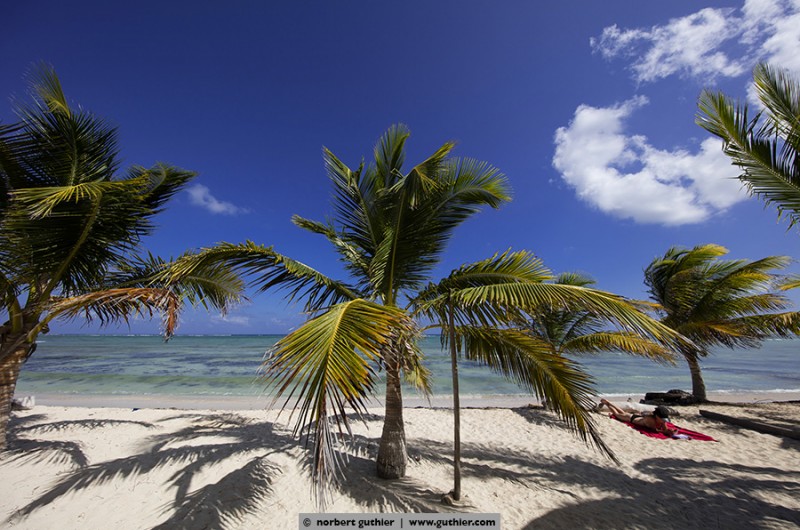
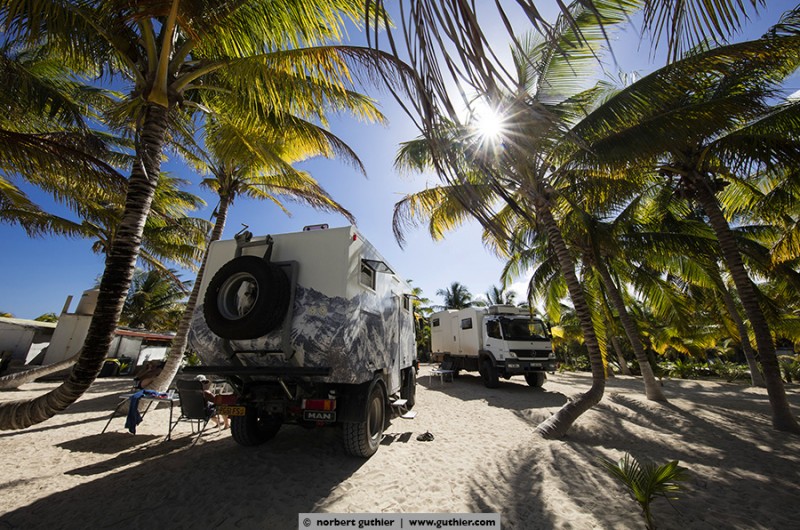
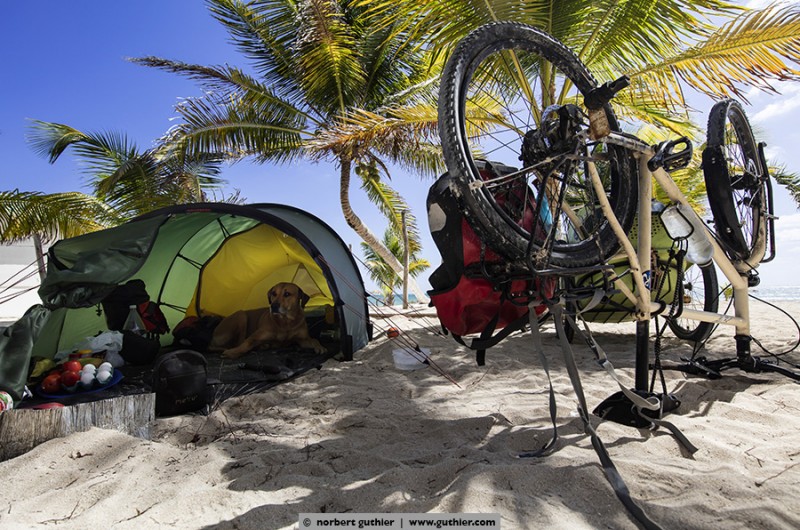
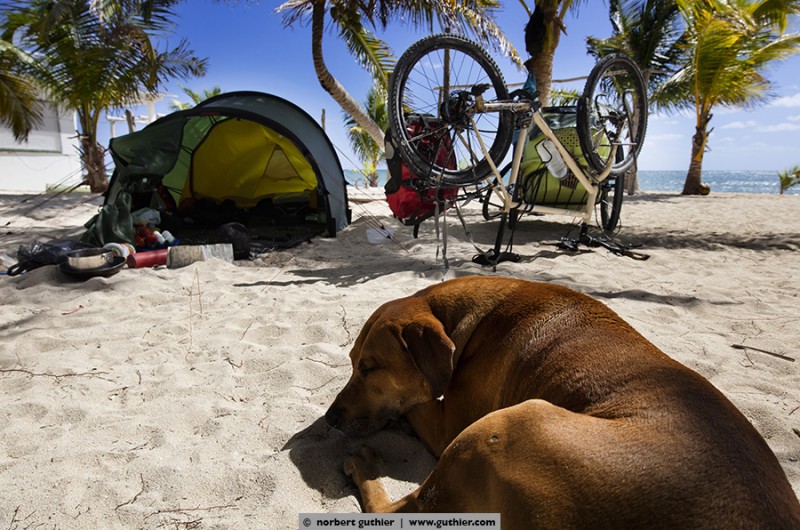
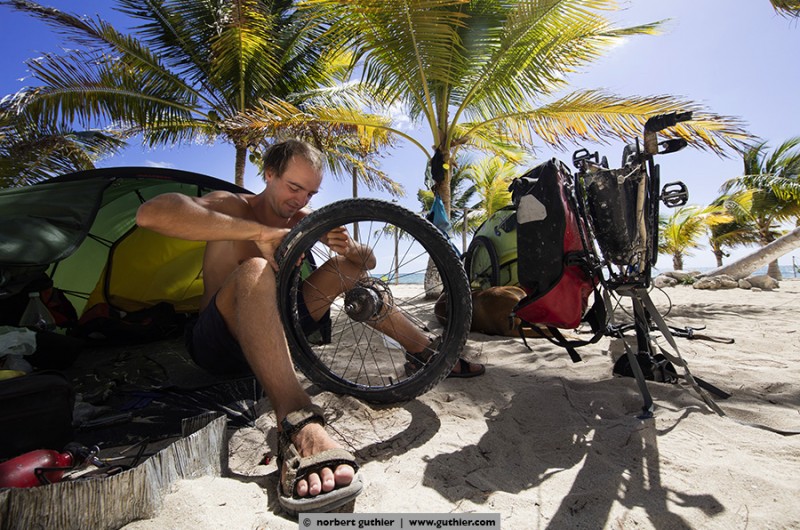
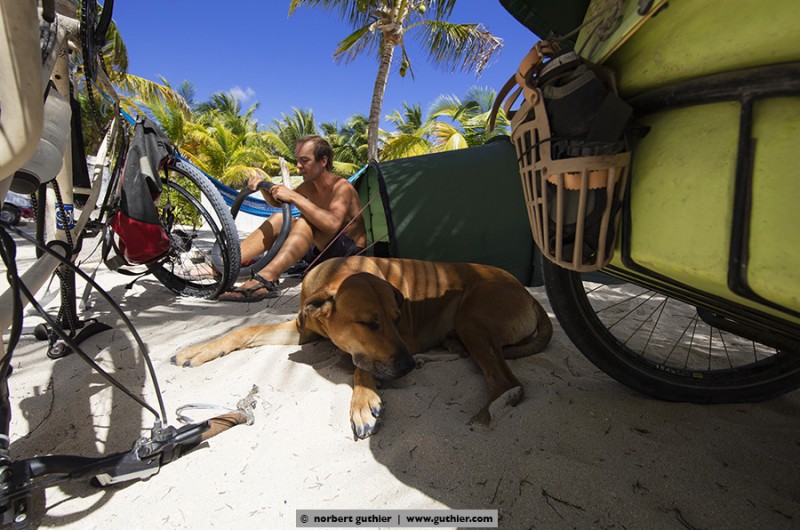
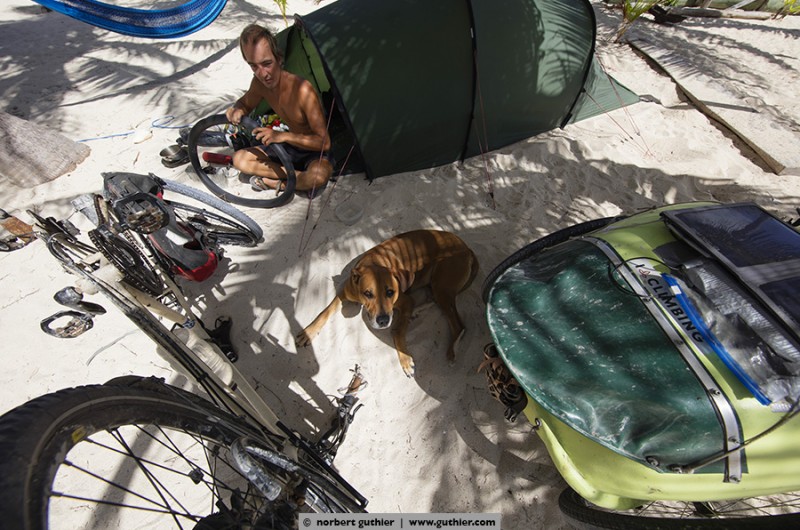
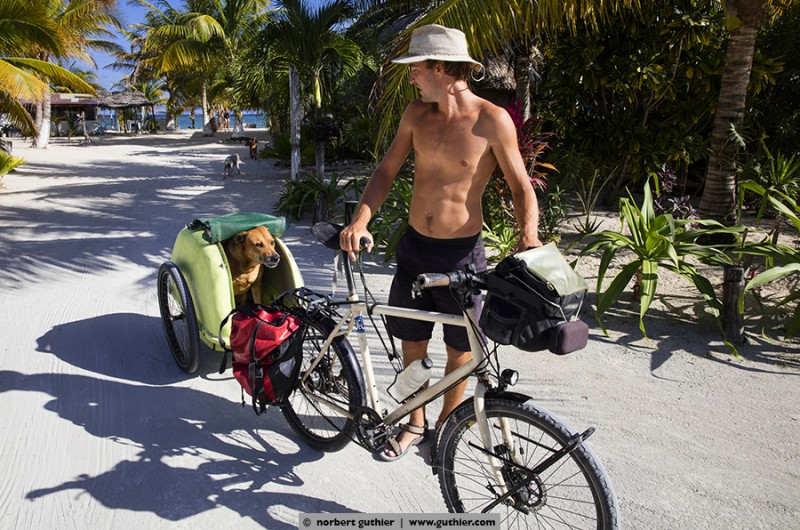
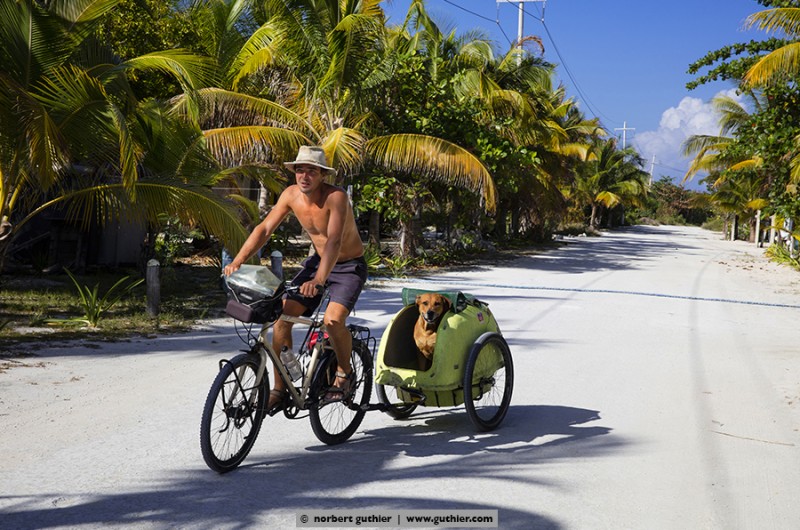
There is an app that simplifies the finding of nice places to stay, because the travelers pass on their personal experience to the community with an evaluation. This also has the consequence that you meet like-minded people on the recommended places and those haven´t necessarily to travel with a truck.
For example, we met jens. Eight months ago he started with his bike in vancouver, canada and in the meantime he is in the south of méxico. For all not-overlander: everybody on the road, even we with a big rig, try to save weight. Always. Not jens, who tows a 25kg heavy bike trailer and in it sits his dog hans. Hans weigh about 45 kg and feels – even if it is a ridgeback-rottweiler-mixture – happy „as a poodle“ (means: happy as a clam). Hans in happiness!
(In the german language we have a saying: „pudelwohl“ which is directly translated to „happy as a poodle“. And there is a fairy tale called „hans im glück = hans in happiness“ and i don´t know if this is understandable in english spoken countries)
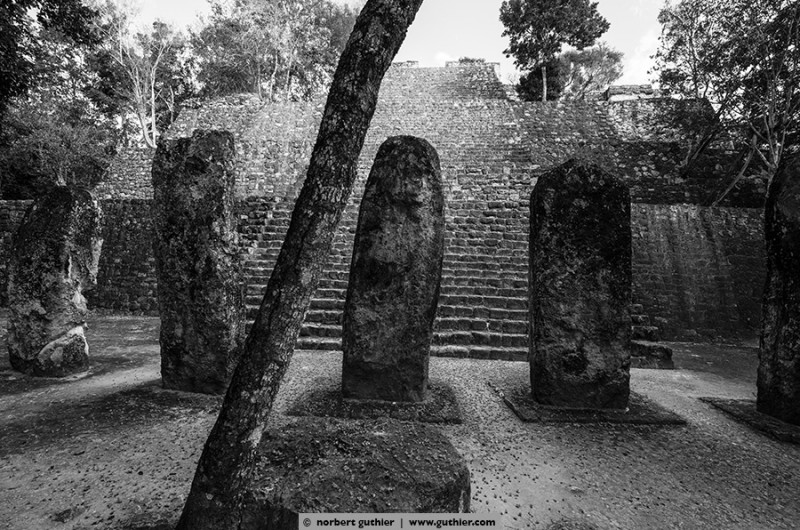
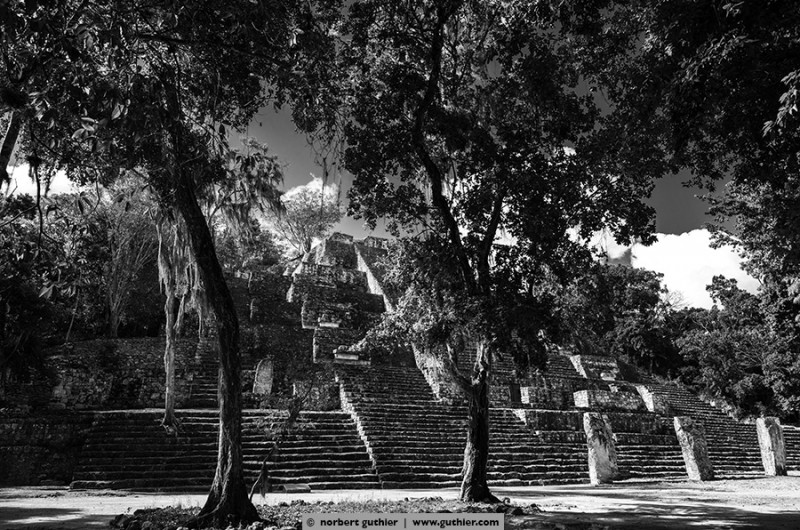
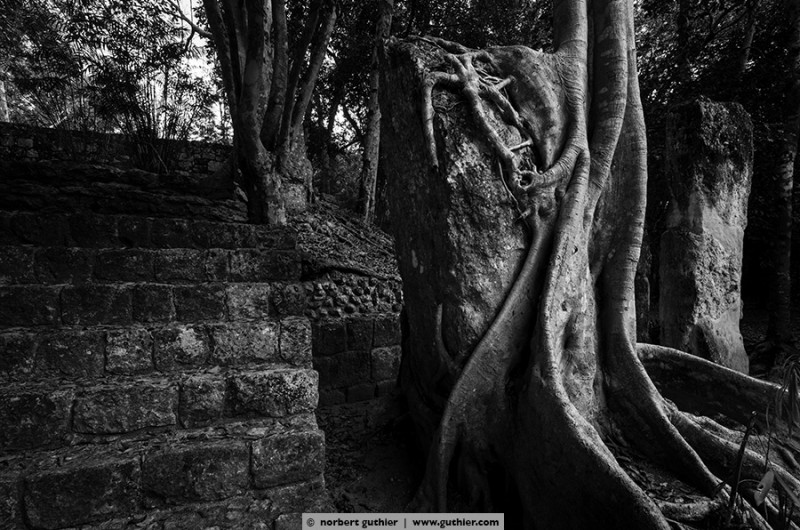
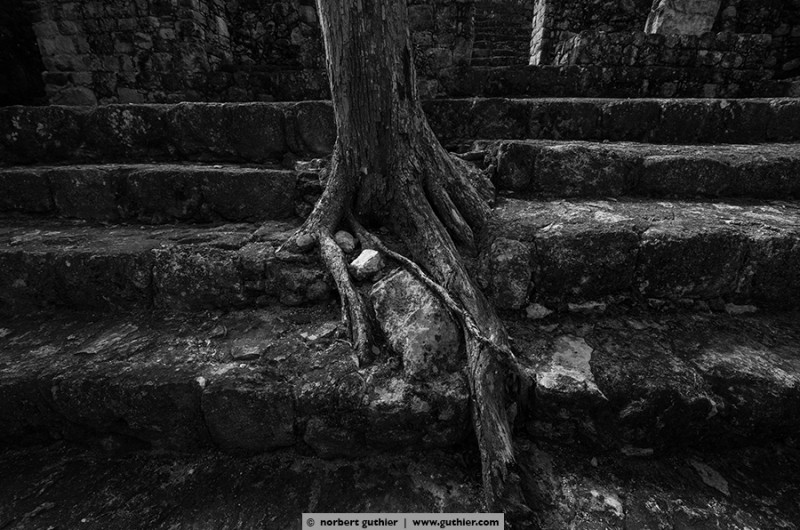
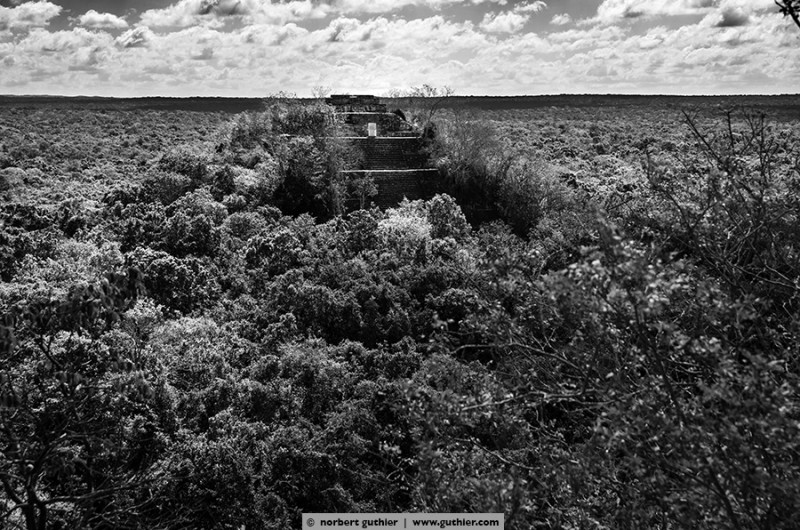
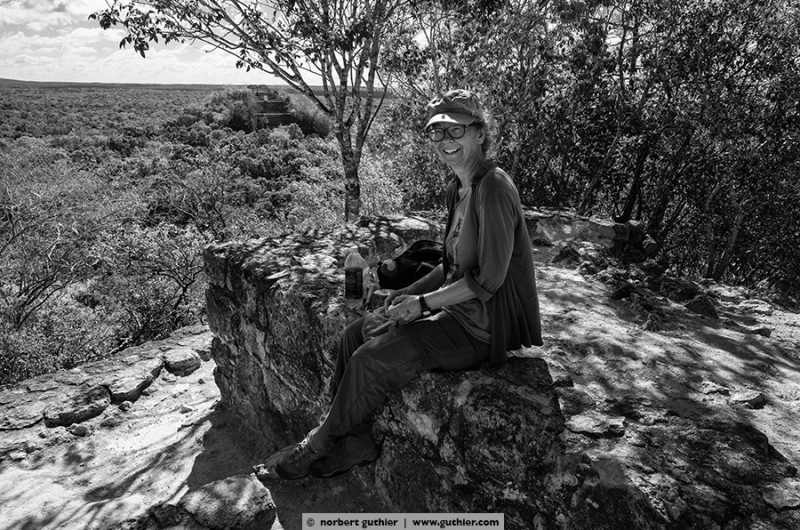
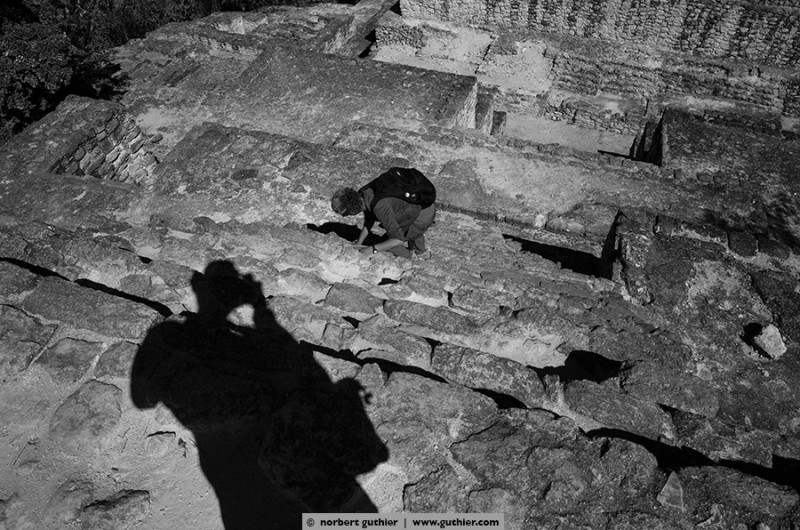
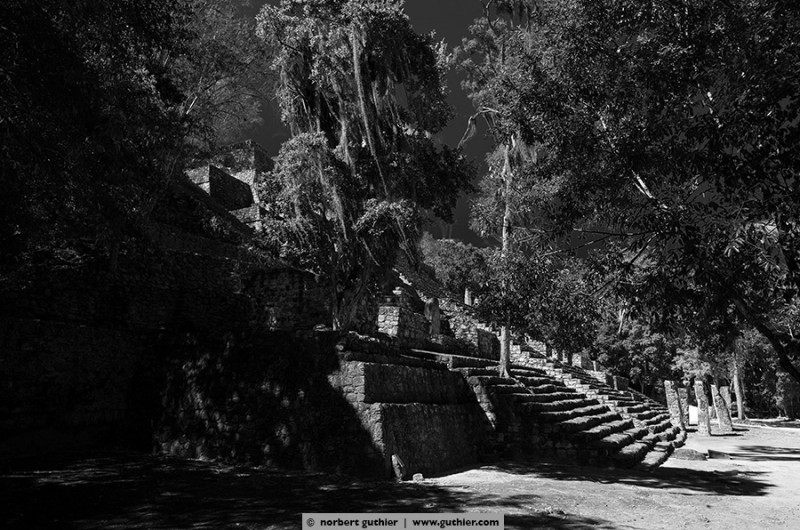
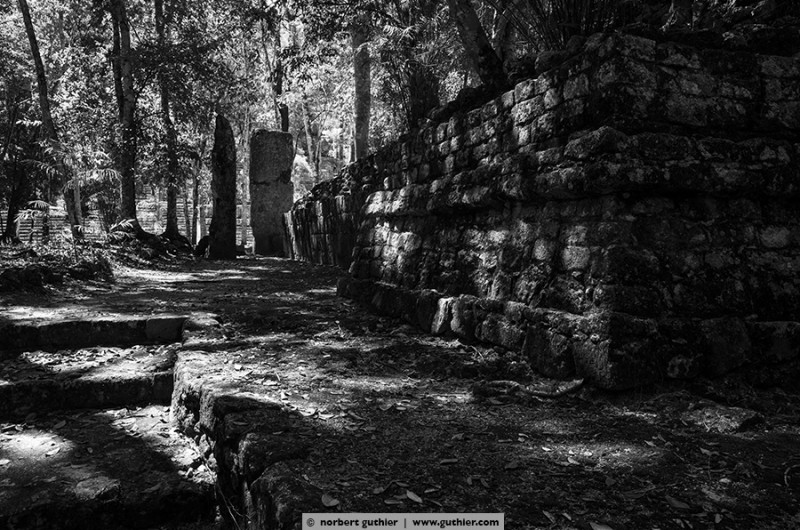
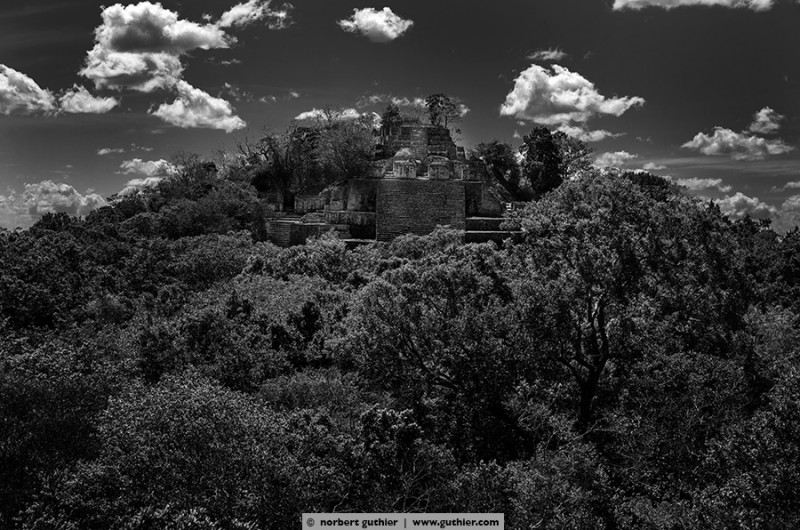
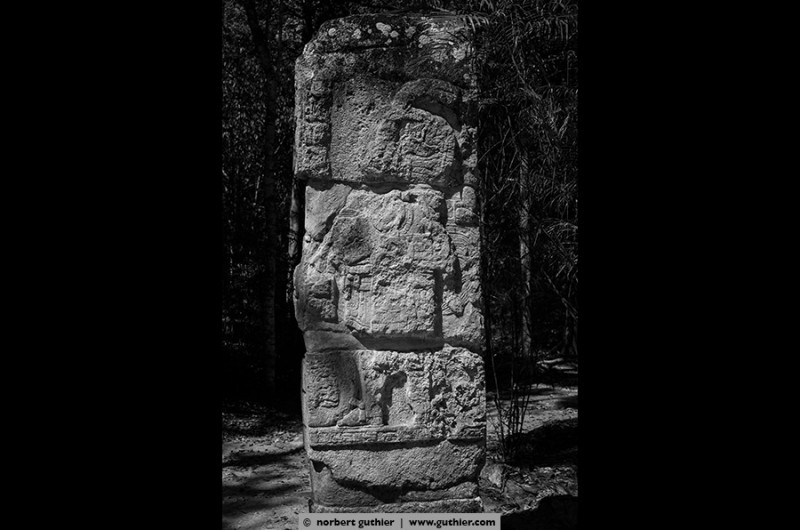
The ruins of calakmul are similarly impressive as the remains of tikal, the long time enemy. After fighting over the centuries for the supremacy in the region (see also my blog contribution to tikal) in 695 the game was over and calakmul sank in insignificance. The last inscription, found on a pillar, shows the date of January 20th. 909, after which the city was completely abandoned. Probably all the sacrifices for the rain god were useless after all that slash-and-burn agriculture.
Connections to our present situation are, of course, purely coincidental – I am curious to see to which planet we will move on.
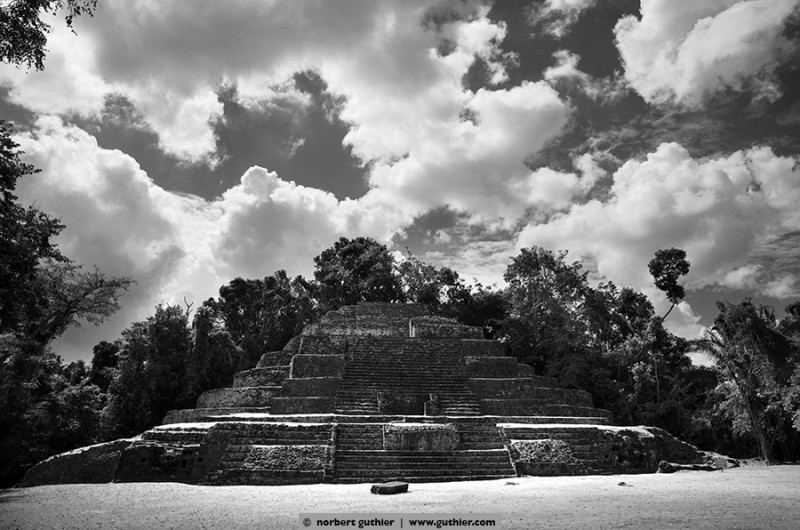
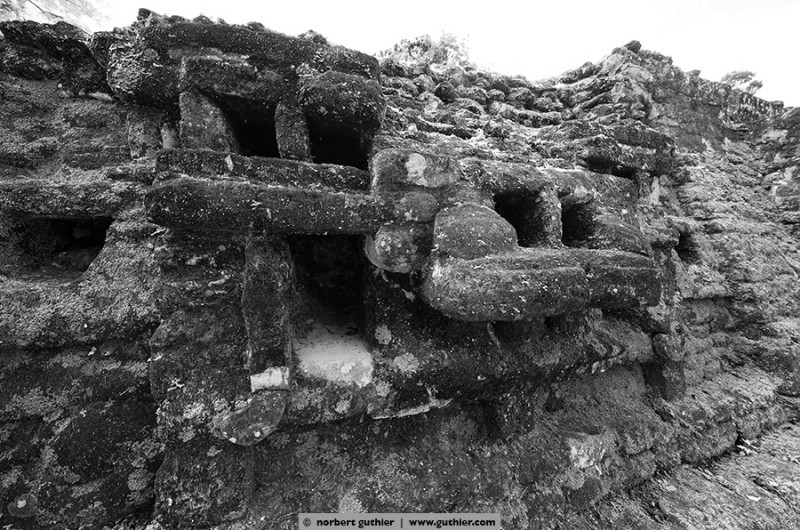
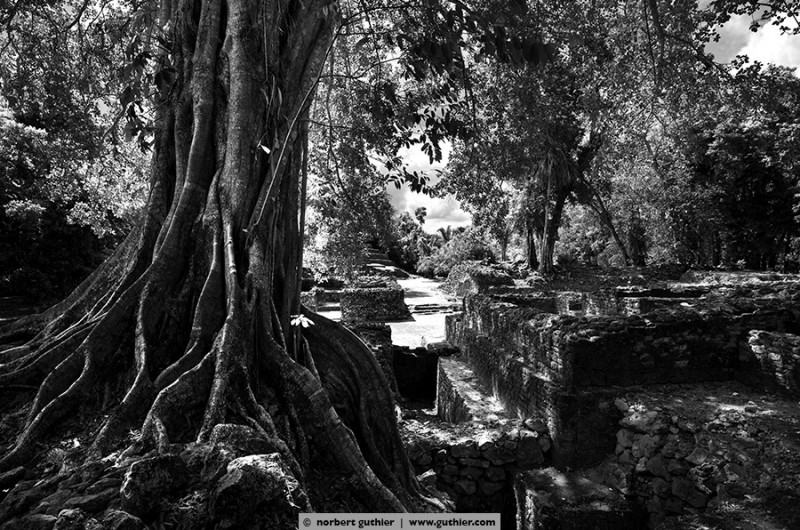
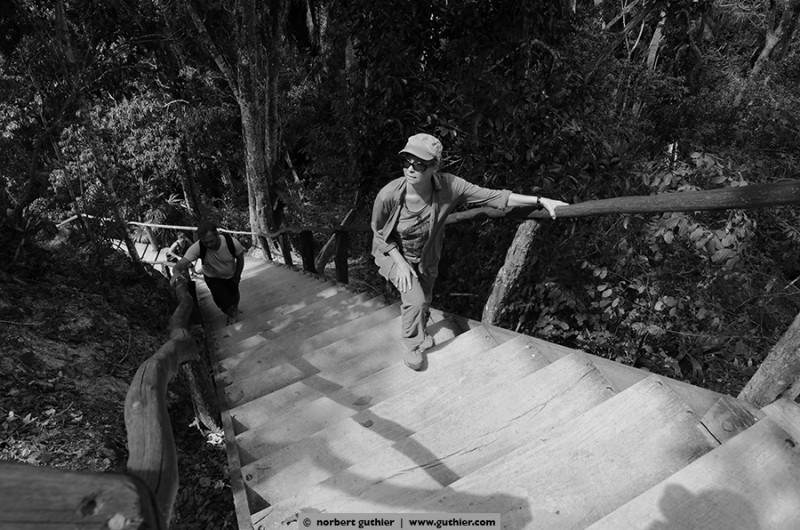
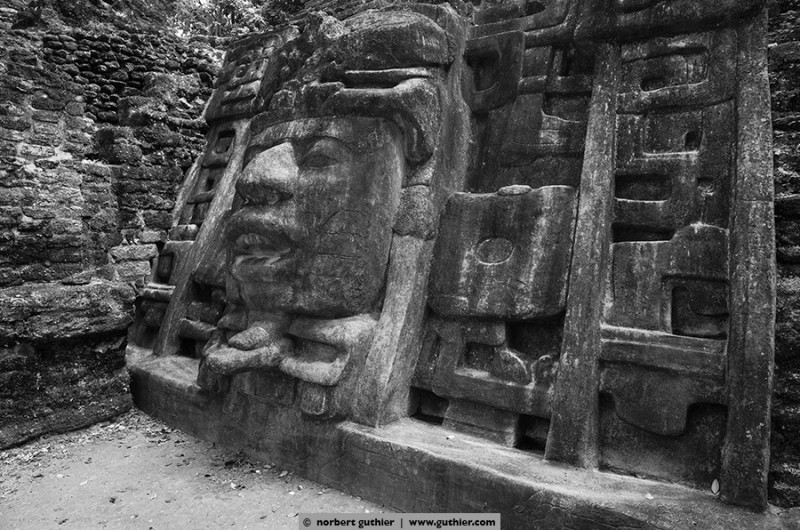
In the mayan language the name lamanai means a “submerged crocodile”. The mayans permantly lived for about 3000 year in lamanai and so it is one of the longest continuously populated maya cities. In 700 AD (the classical period) the population grew to more than 20,000 inhabitants. In contrast to most of the other mayan sites, lamanai was still used when the spaniards came to belize in the 16th century. © wikipedia (german)