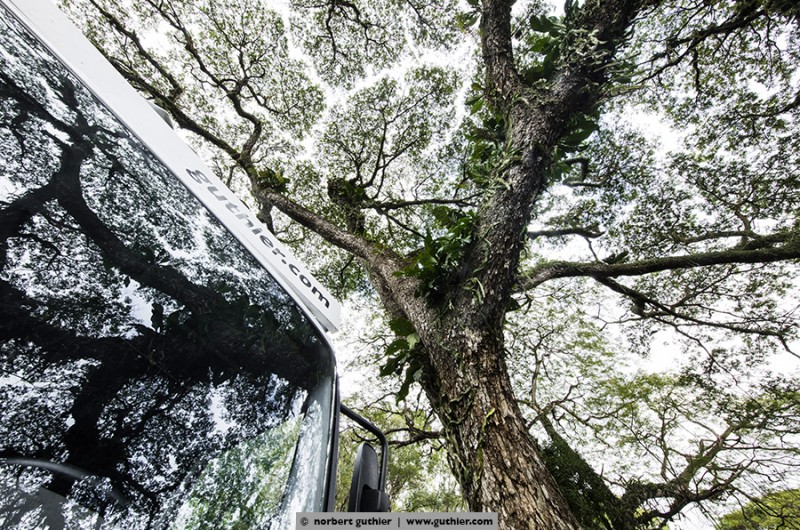
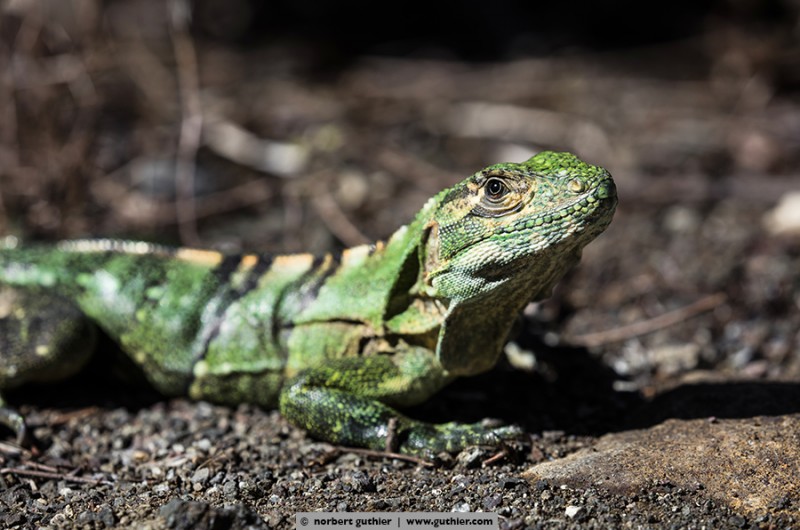
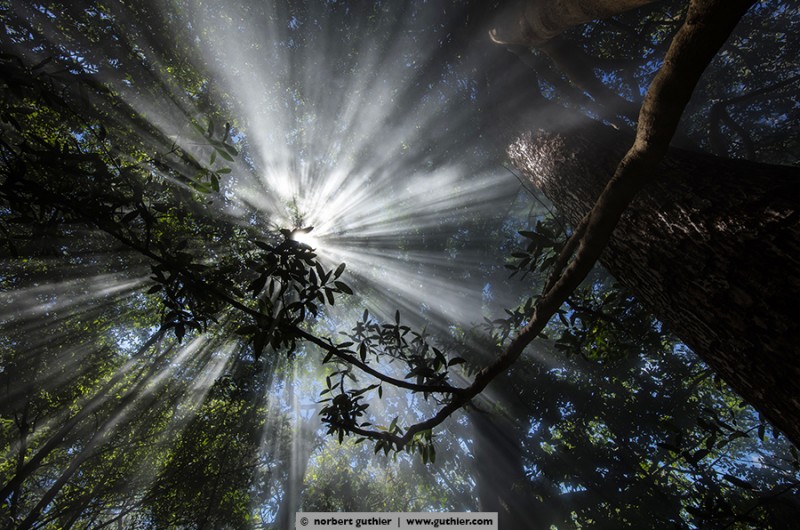
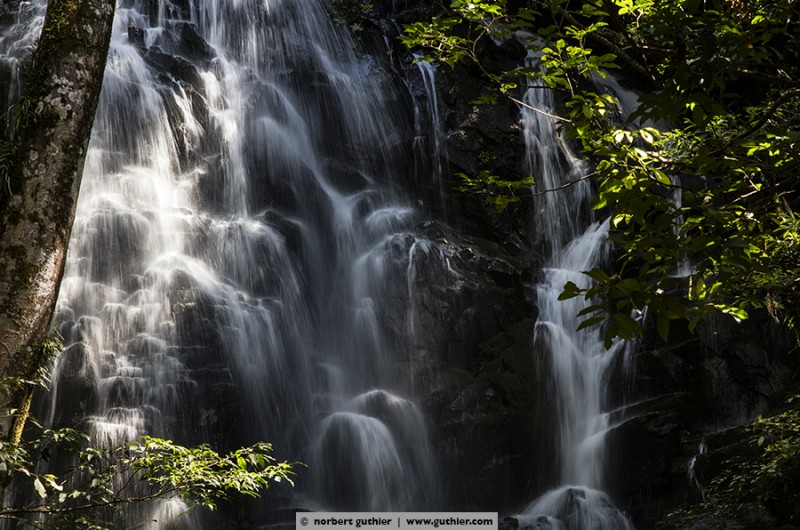
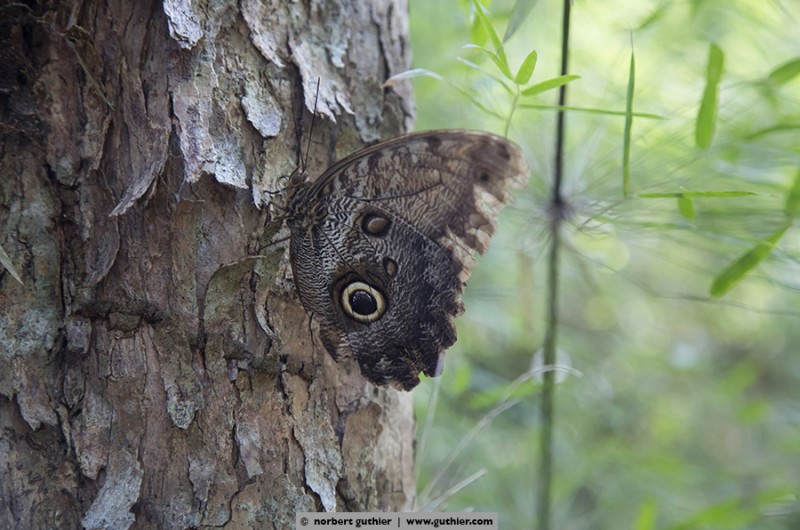
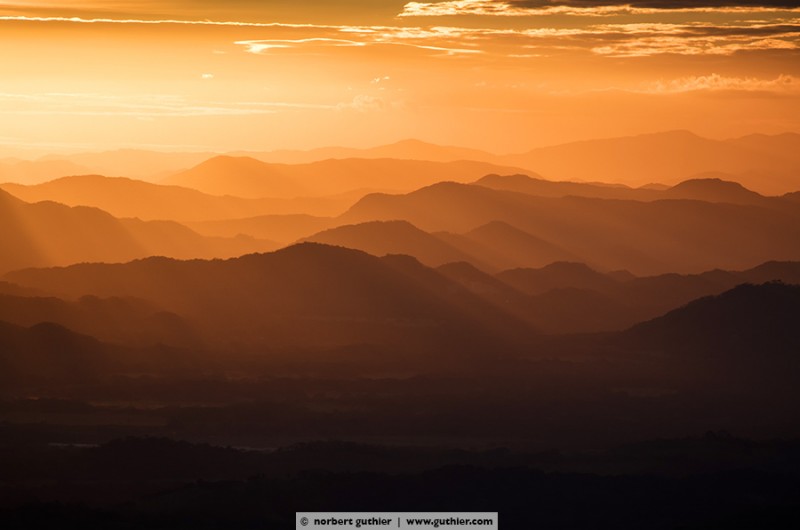
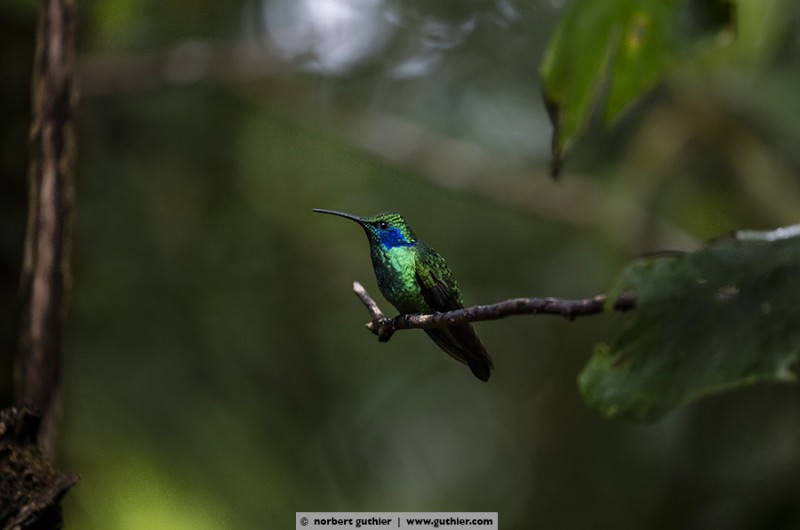
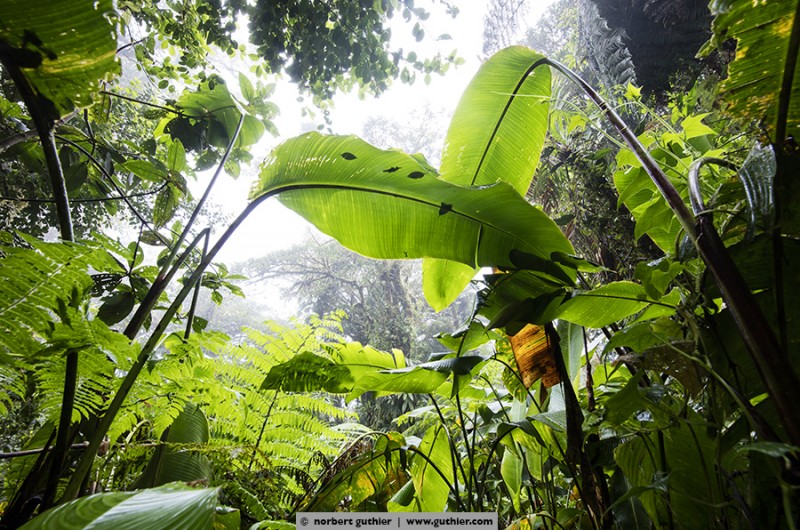
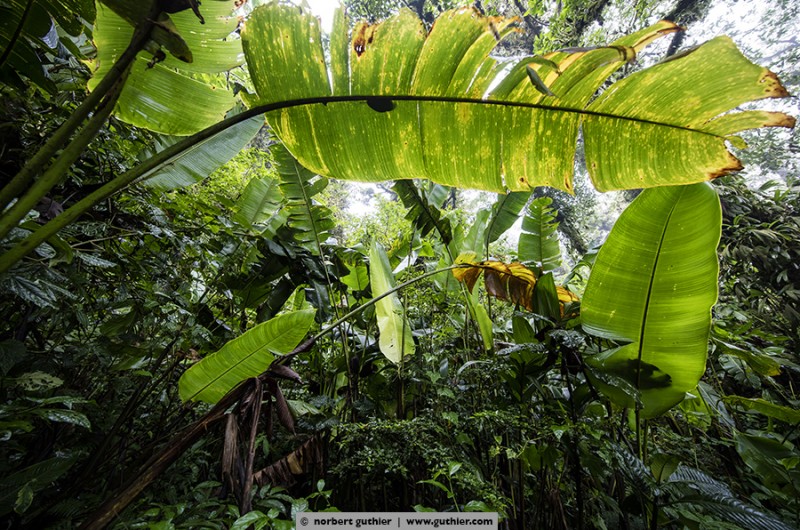
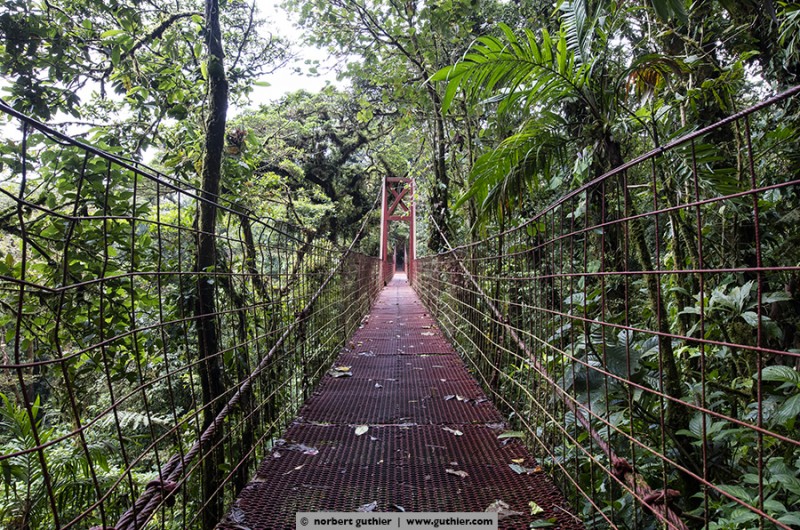
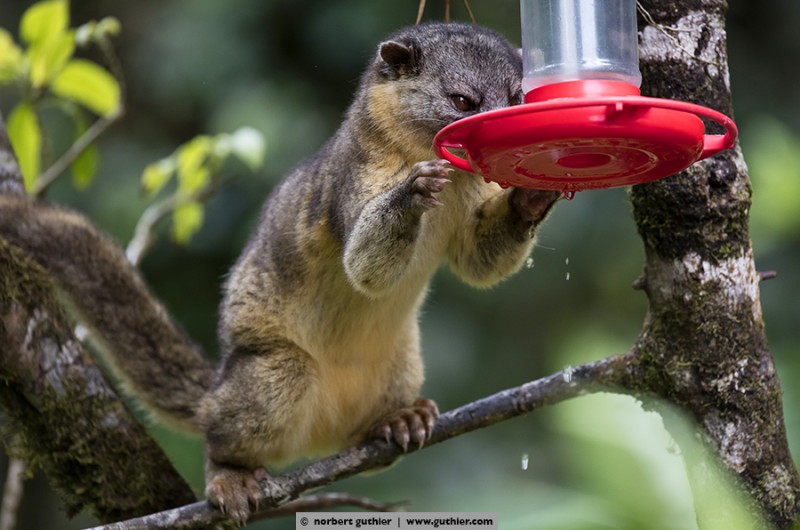
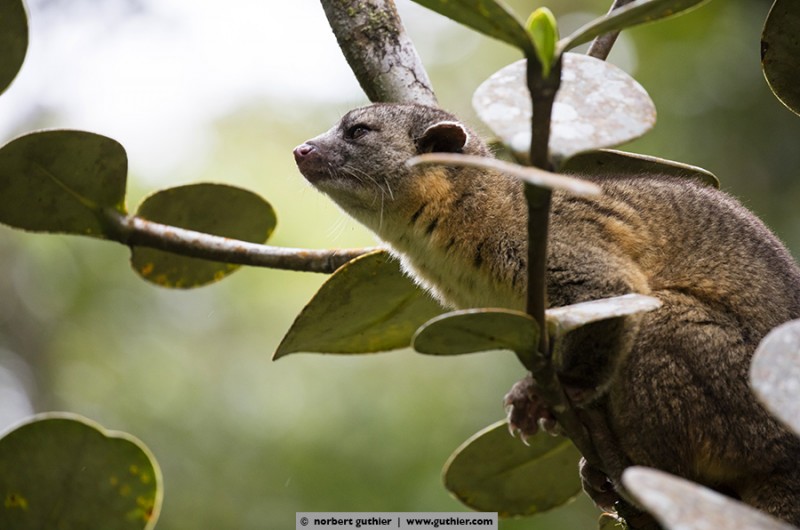
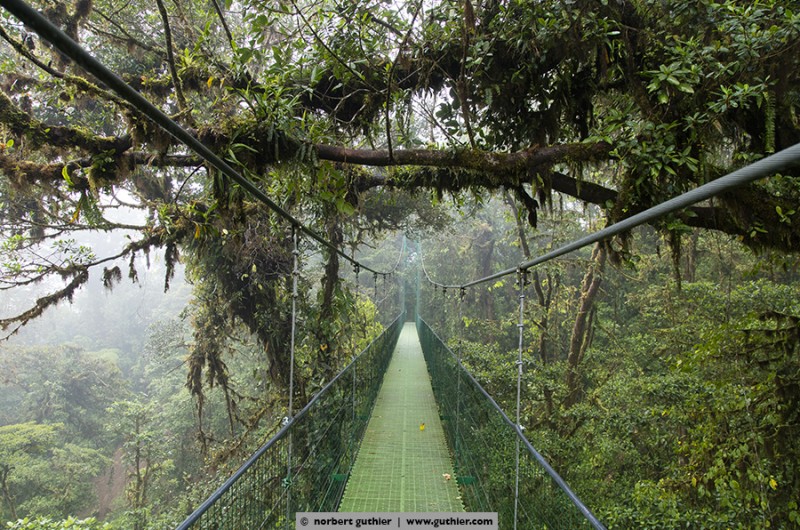
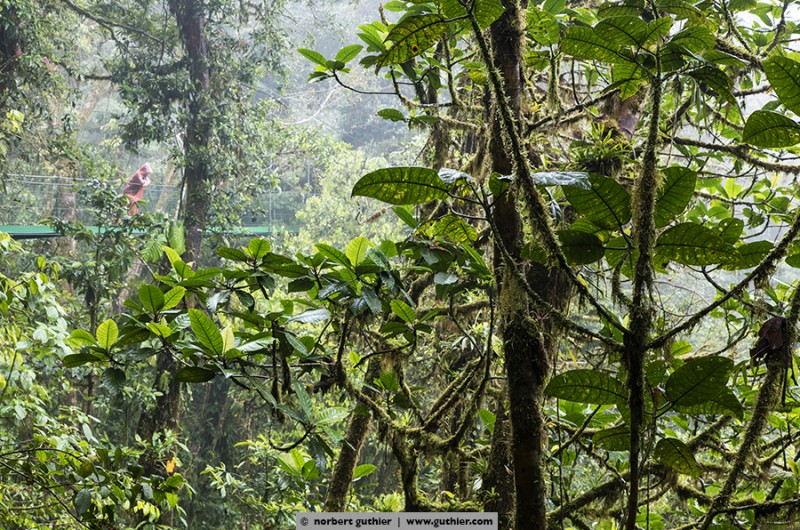
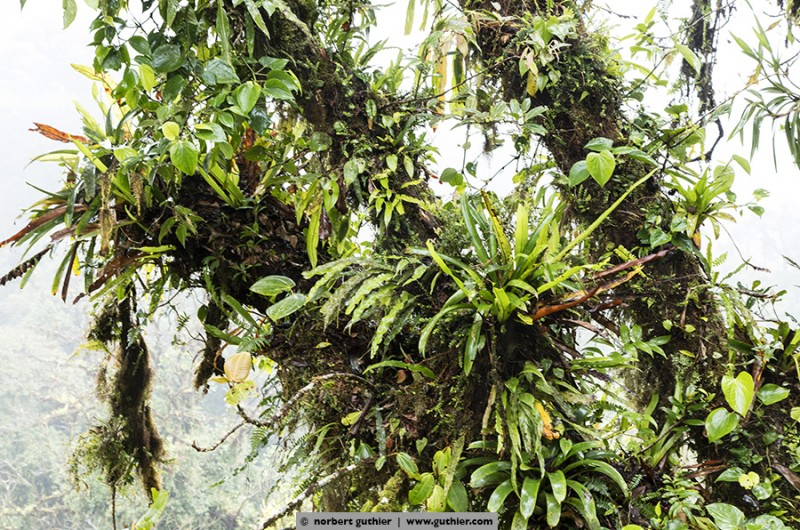
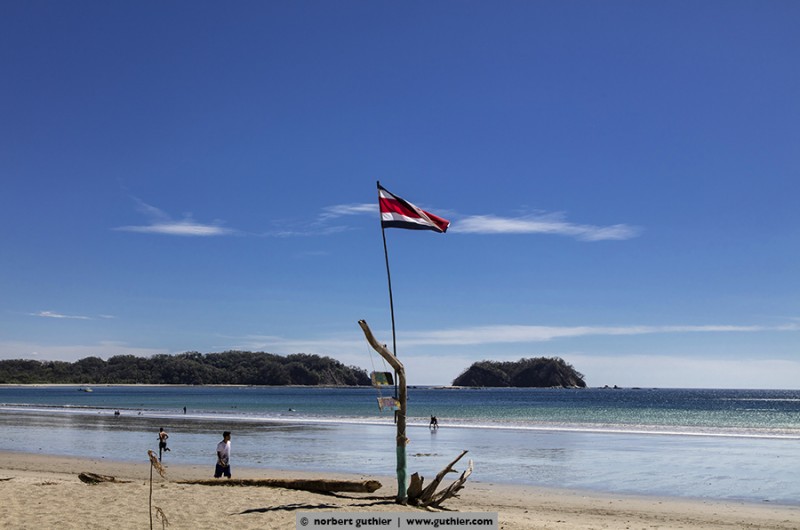
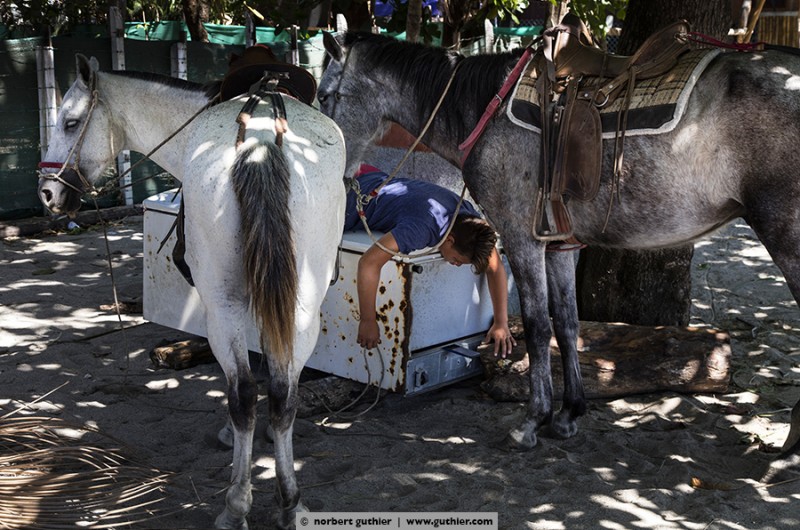
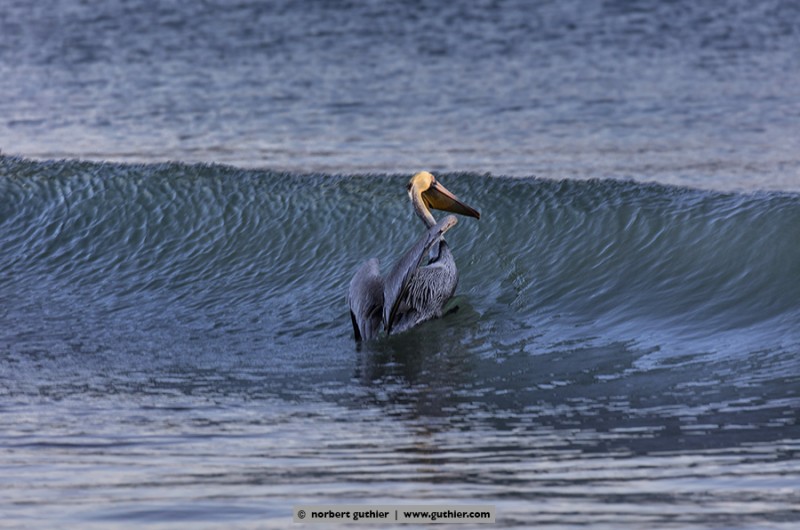
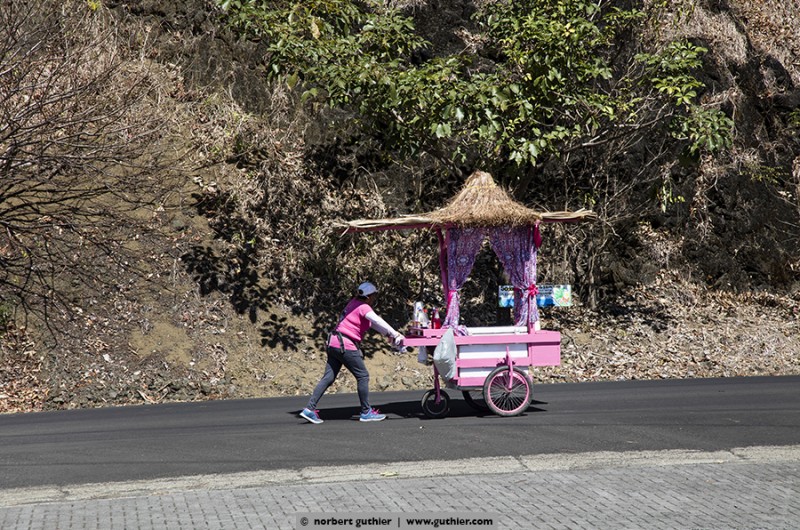
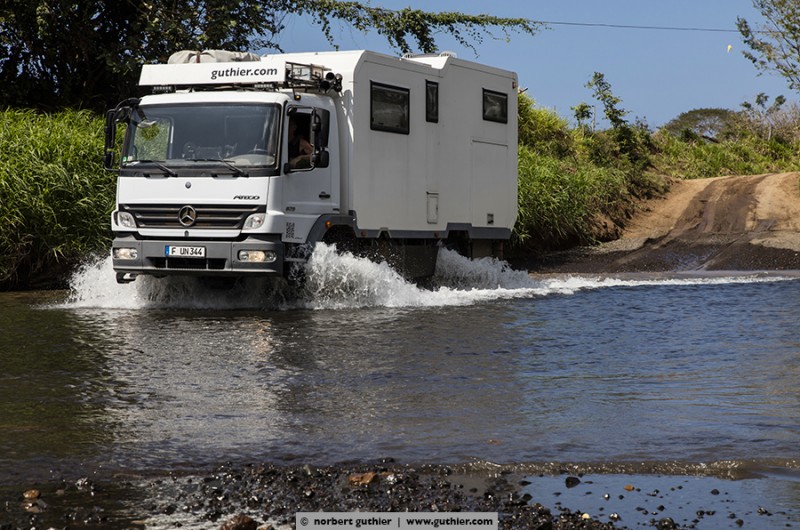
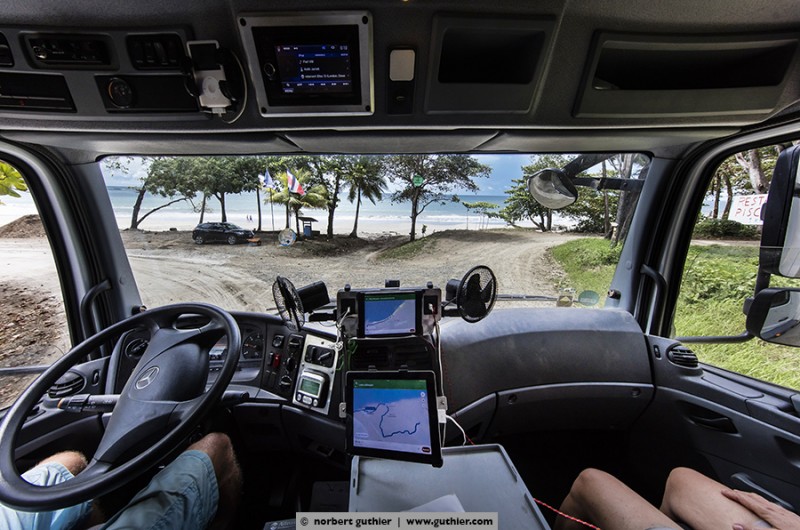
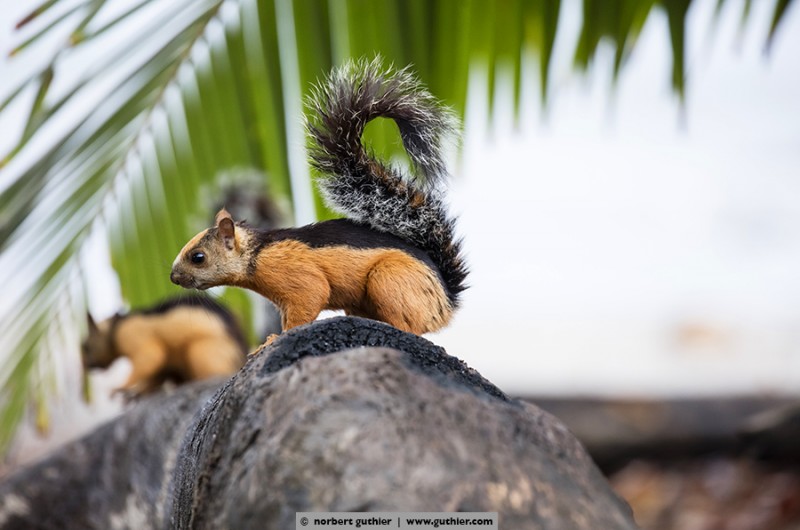
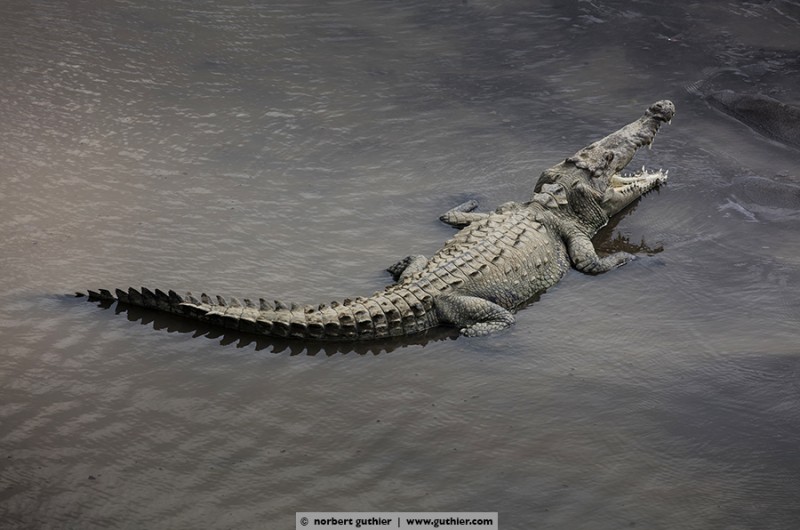
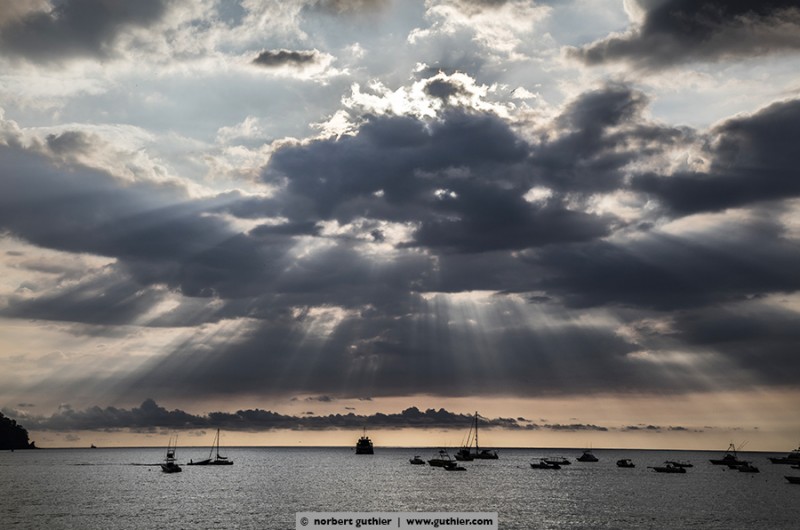
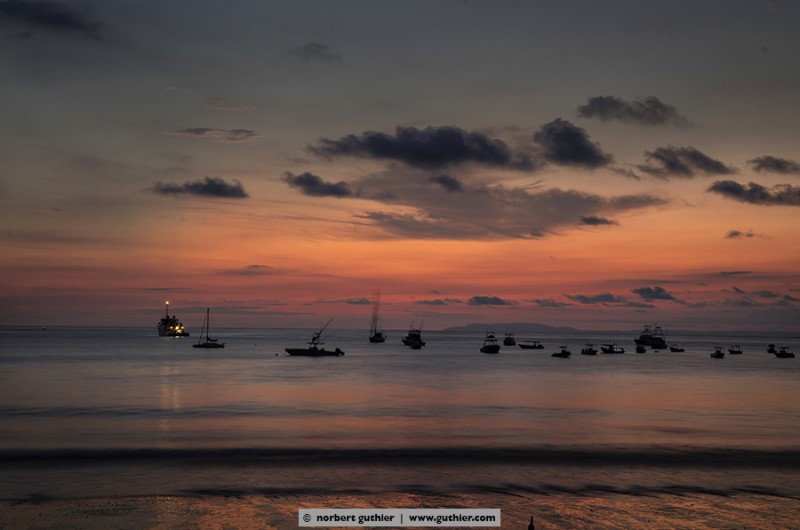
here some pictures i had captured in costa rica.
Comments ↓



here some pictures i had captured in costa rica.
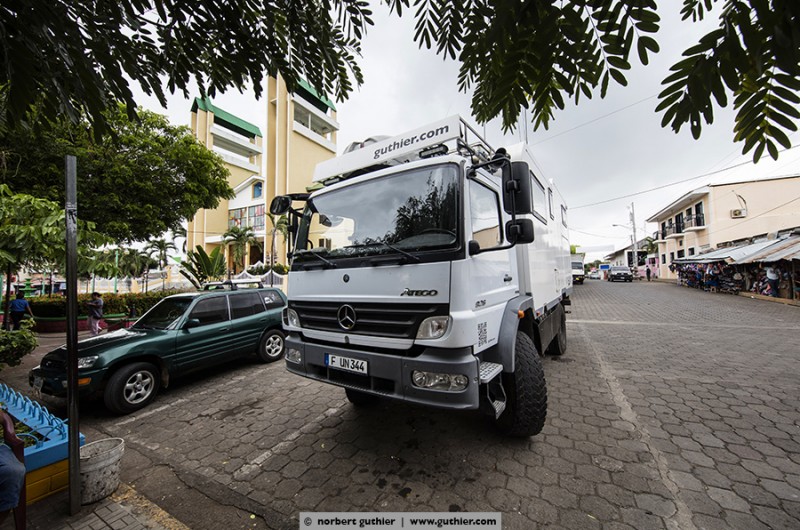
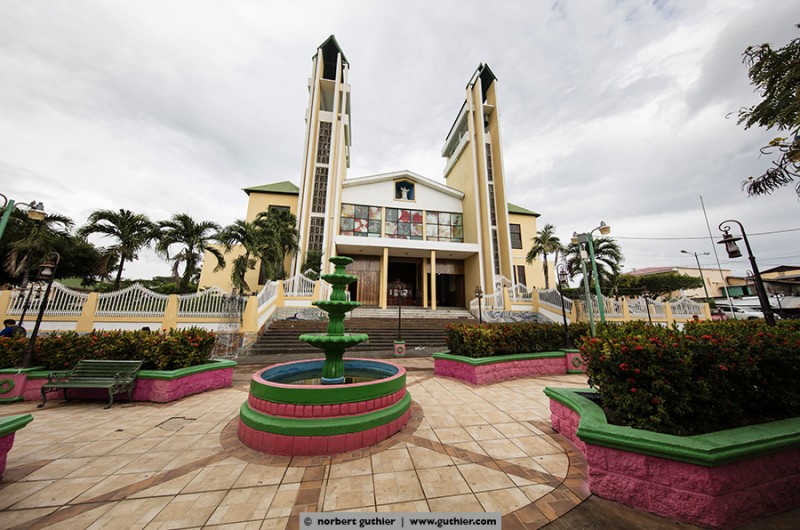
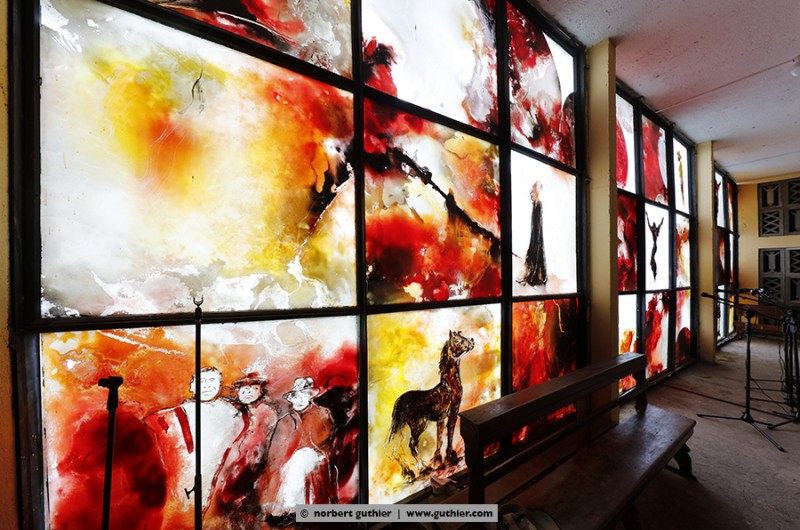
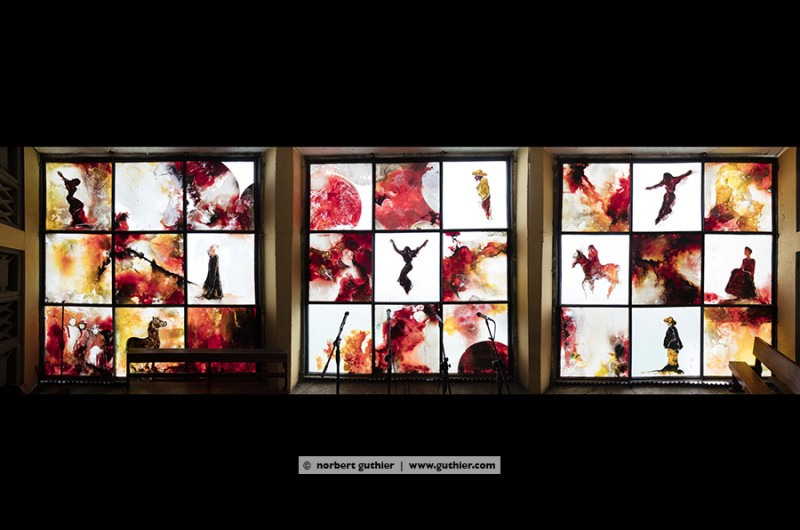
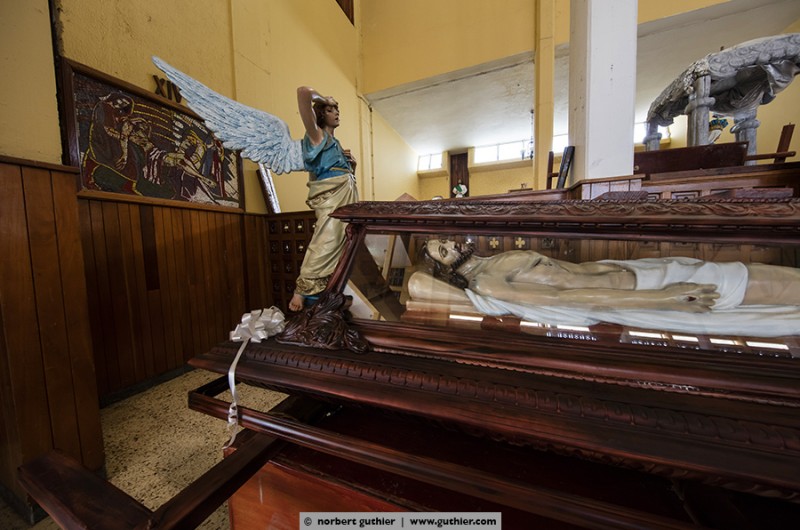
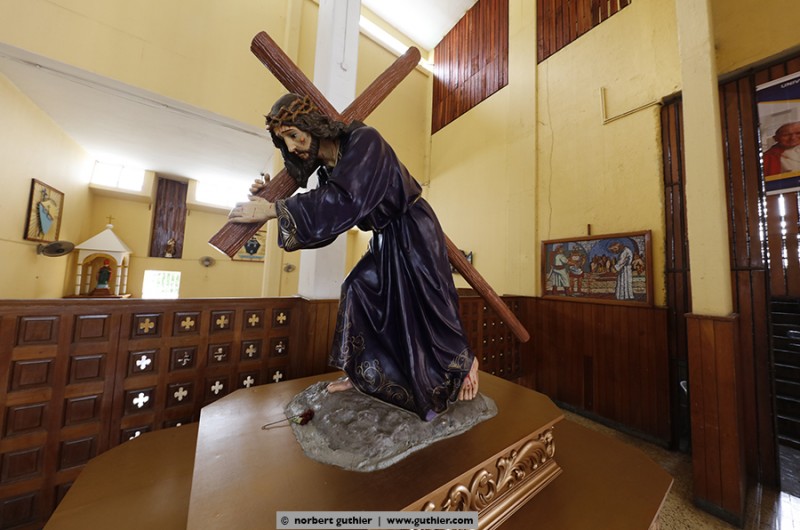
18 years ago 20 tons of colored glass – designed by the german artist karlheinz oswald – had bee shipped by airfreight from germany to juigalpa. Just in time before the inauguration should take place the windows were installed and the church leaders could be convinced to send a photographer as well – me.
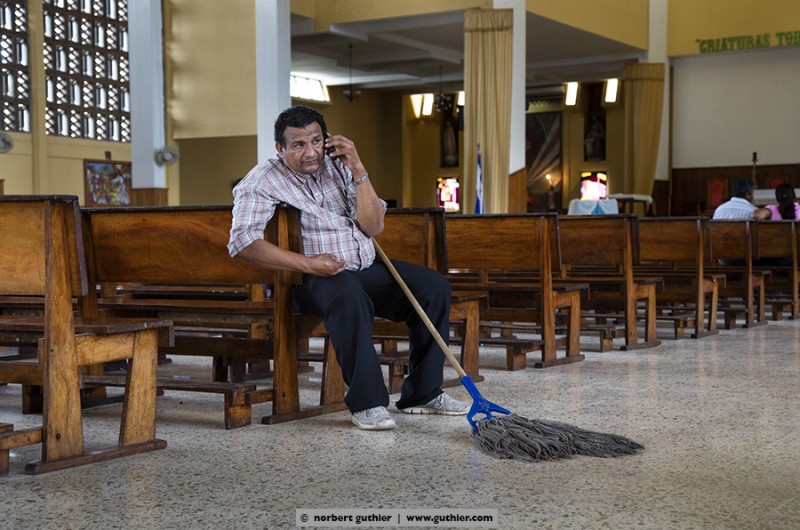
Now I came back to this place. The sexton was wagging his swab through the nave, talking on the phone, and I could barely convince him to open the gate to the gallery. I guess he couldn´t understand why german guys had come to look at church windows. In juigalpa, plastic figures of jesus are probably the true art in the favor of believers, especially when they are presented to the maximum extent of suffering.

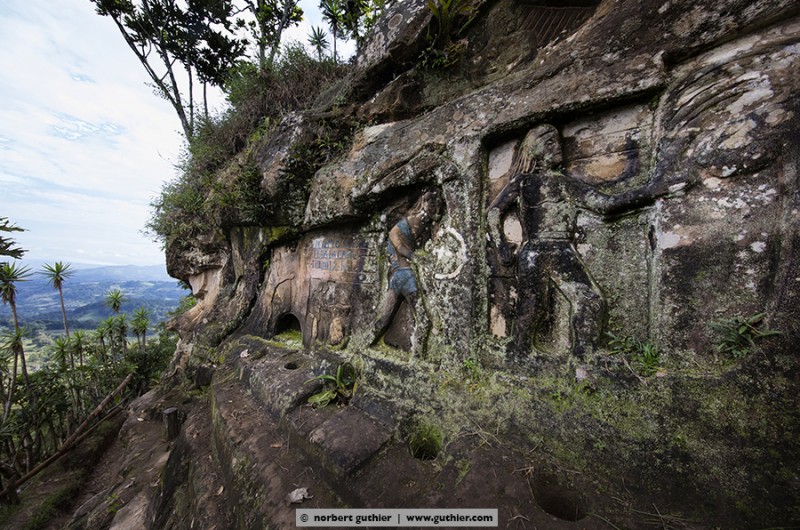
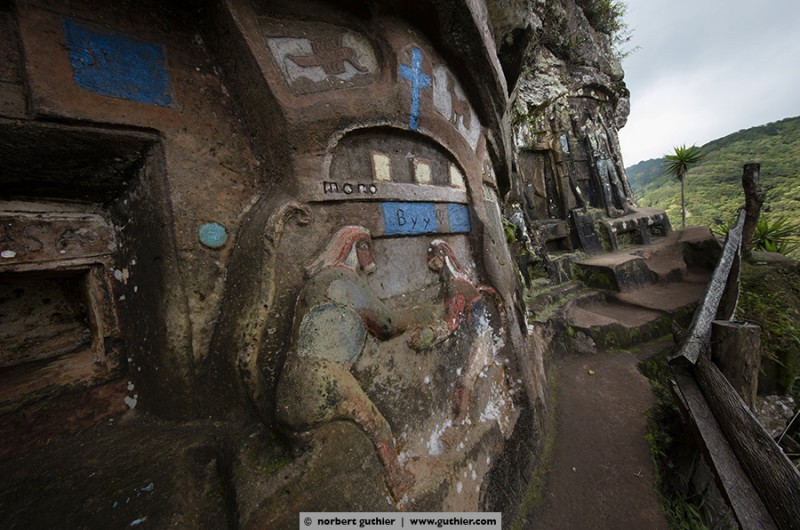
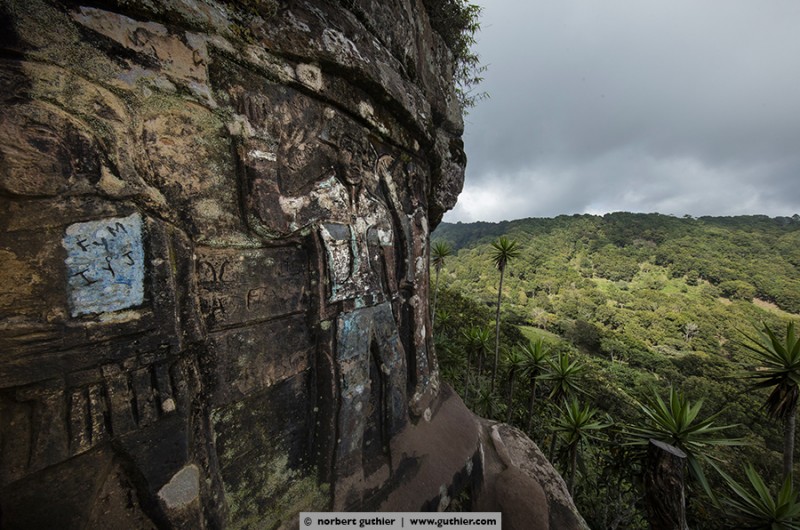
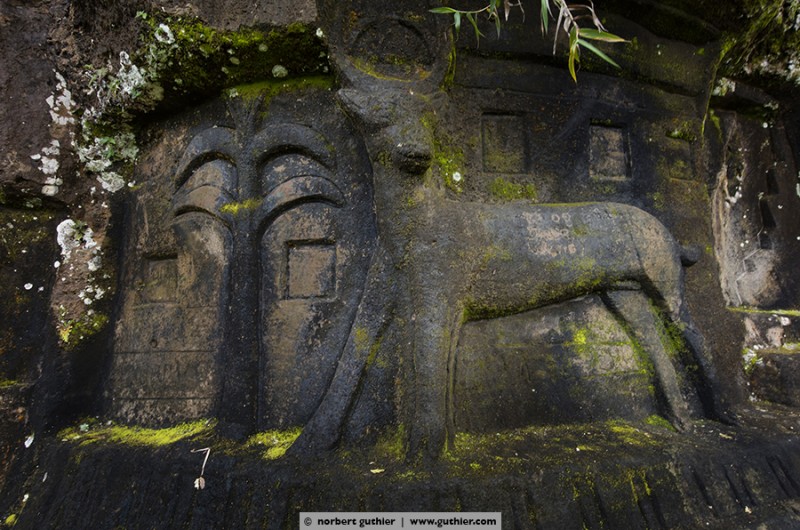
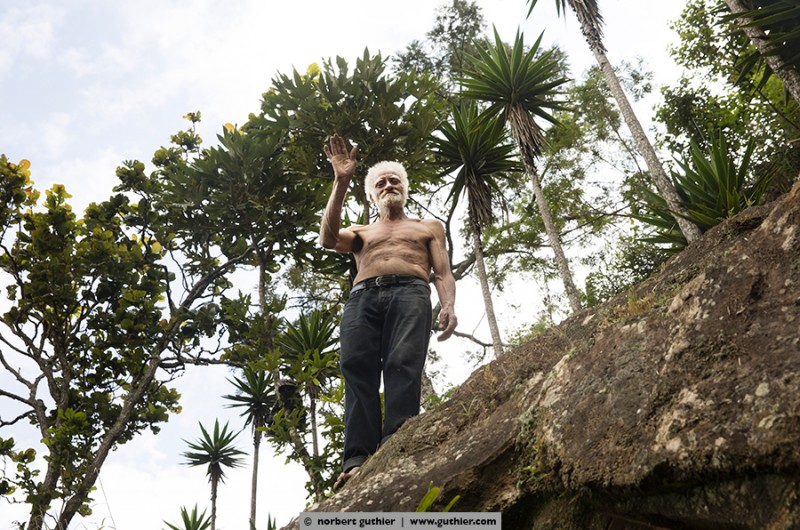
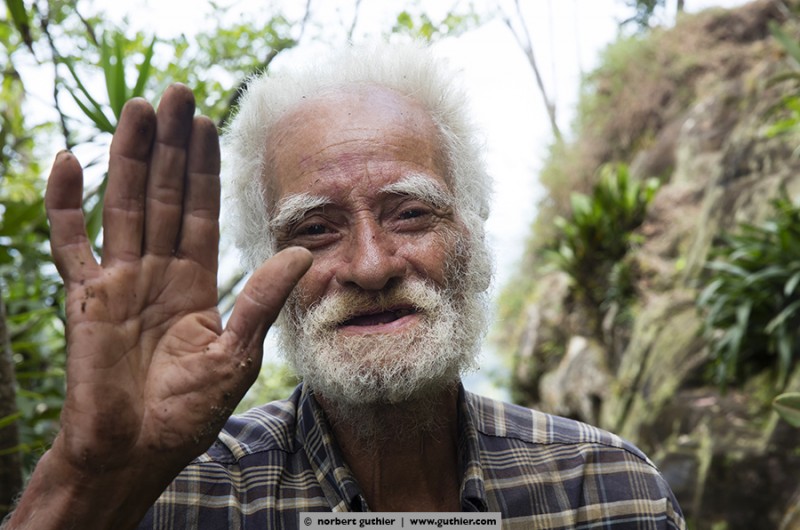
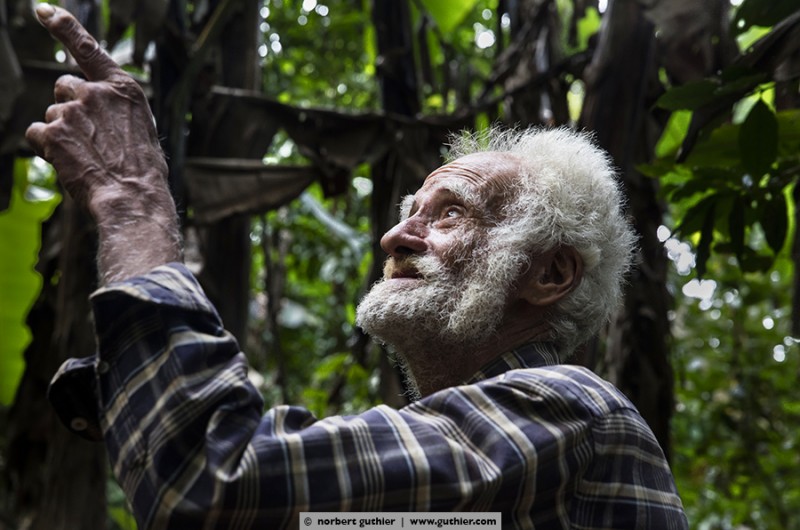
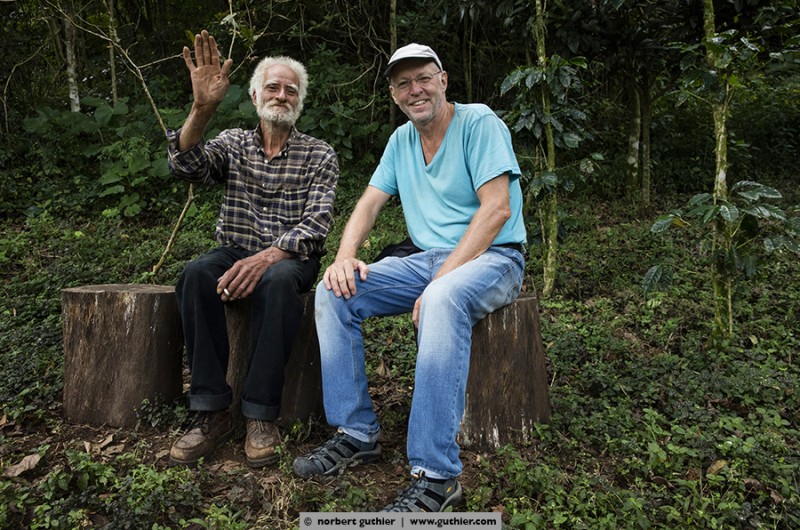
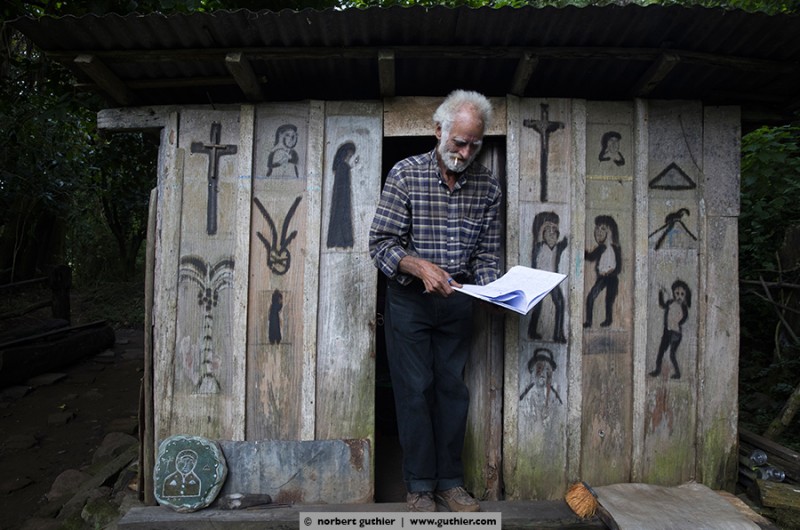
The Finca El Jalacate is located in the middle of the Reserva Tisey in the north of Nicaragua. More than 40 years ago, Alberto Gutierrez moved to this place to detox from alcohol. Since then he has been designing a rock wall with reliefs of animals and religious bible scenes. He is now in the age of 78 and his life’s work has taken on a considerable size. On his birthday in October, even Nicaraguan television did a report on him. When we visited him, he was clearing another part of the wall. Alberto is far from reaching his goal.
Our Spanish knowledge was not enough to understand his epic poemas but this didn’t stop him from talking extensively. But we got the quintessence: his world is a beautiful place.
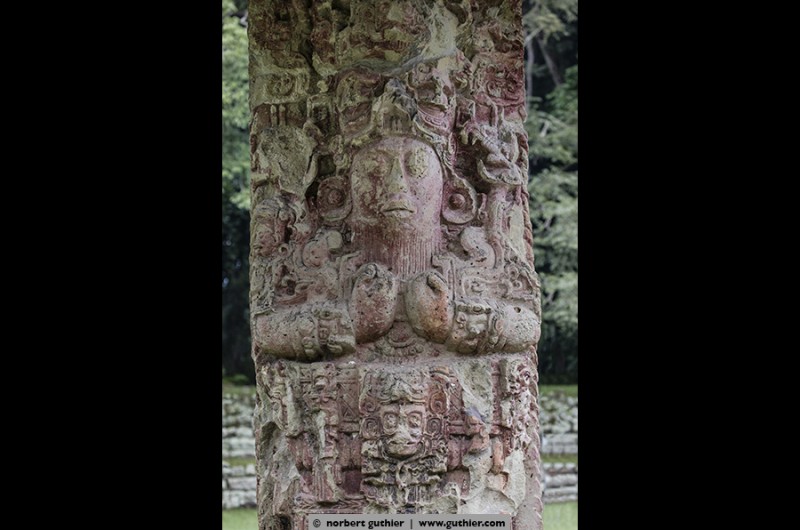
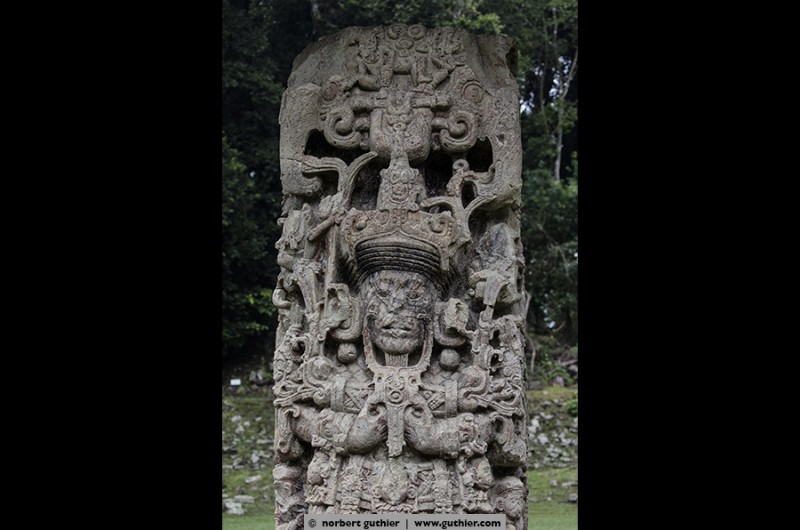
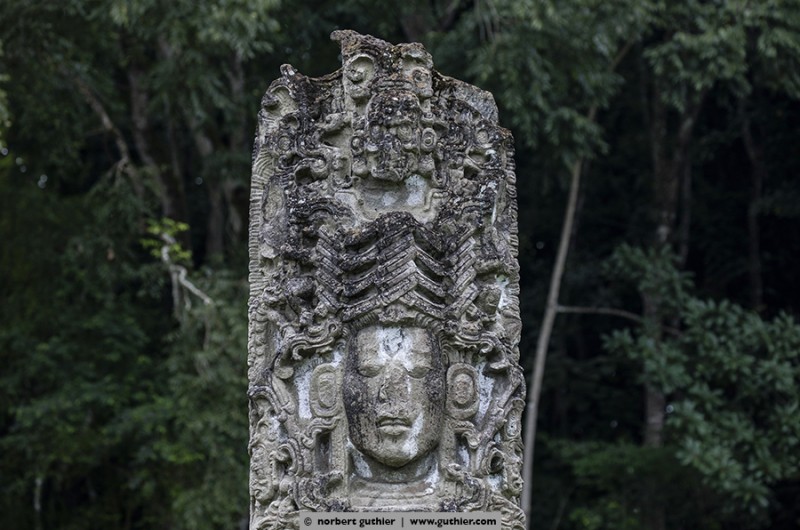
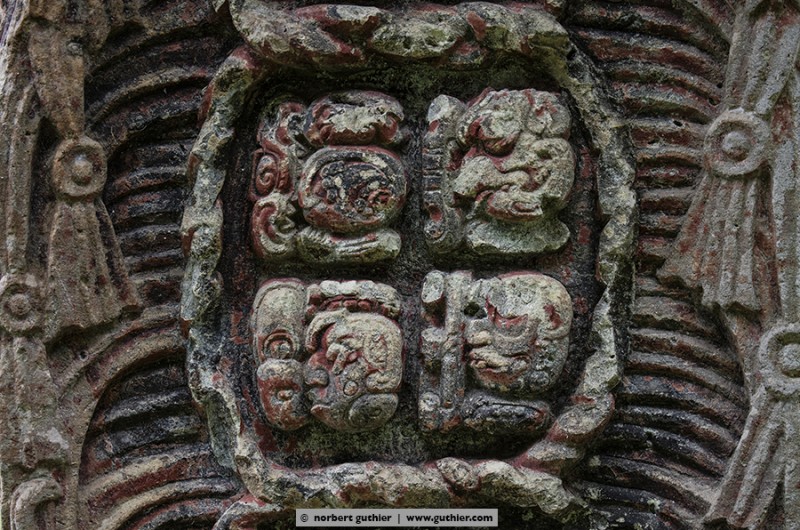
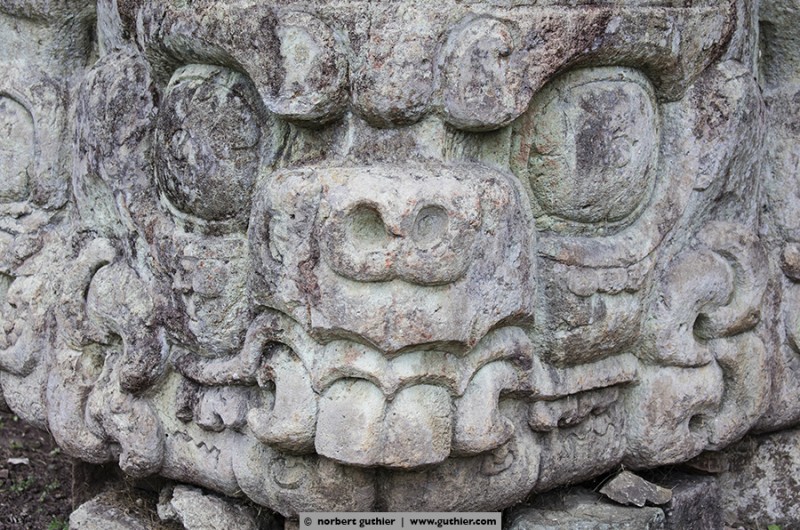
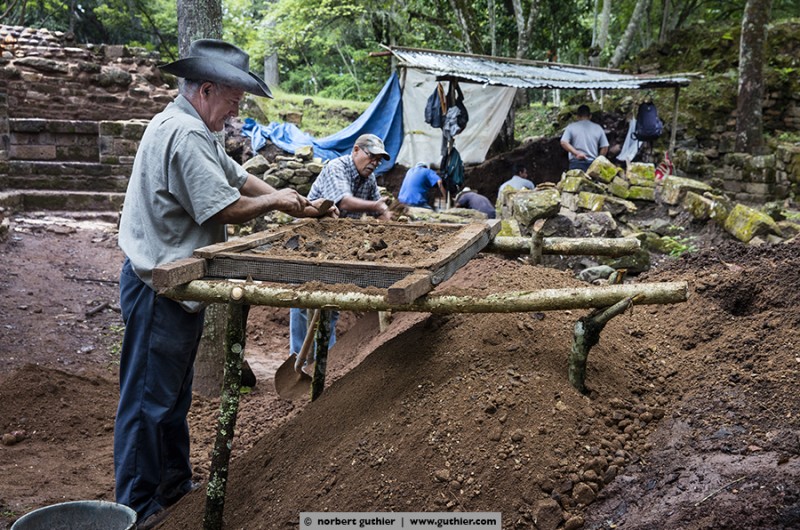
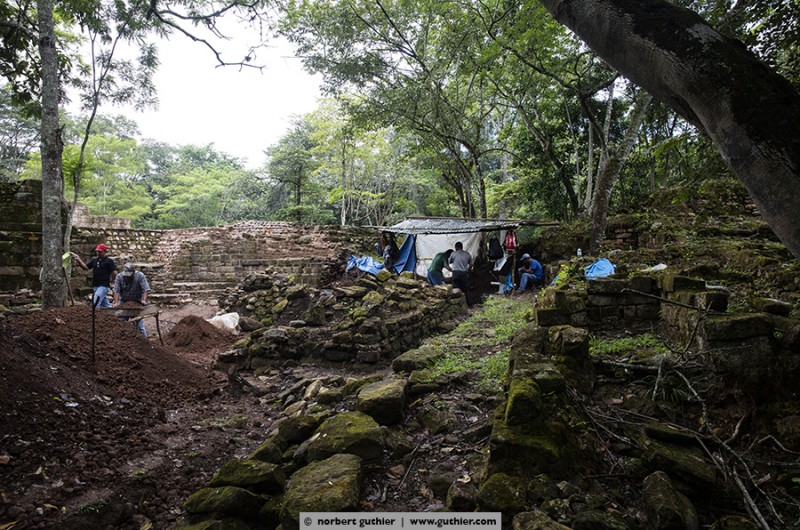
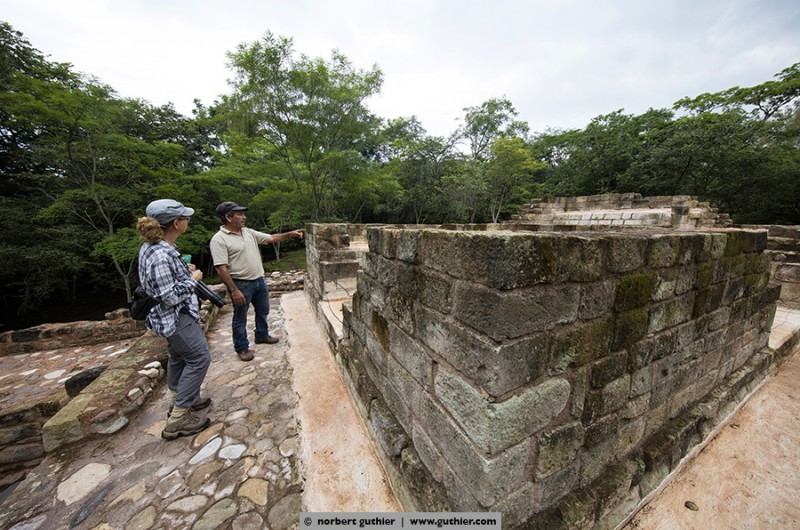
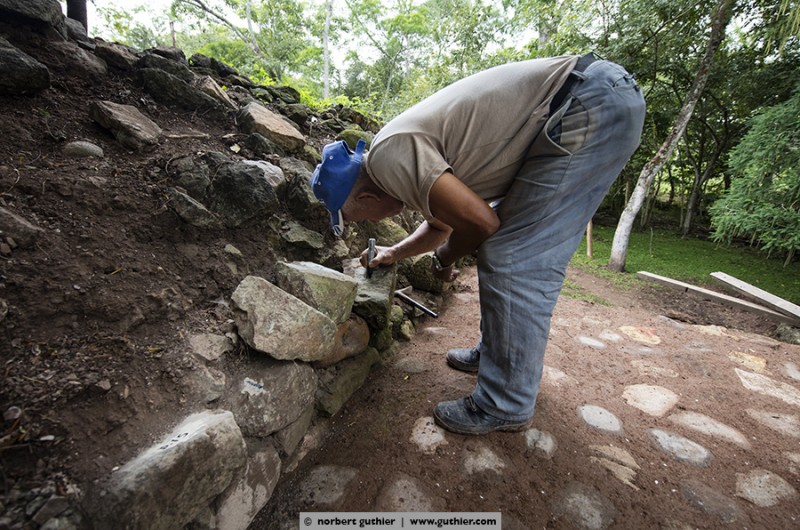
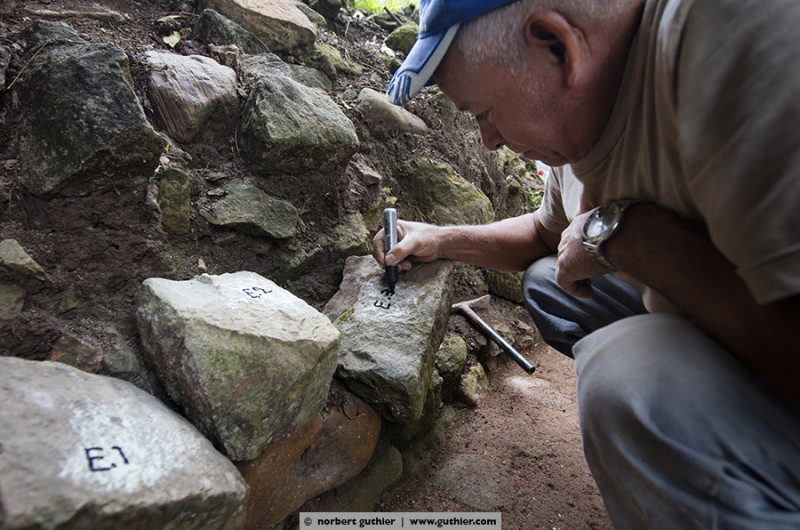
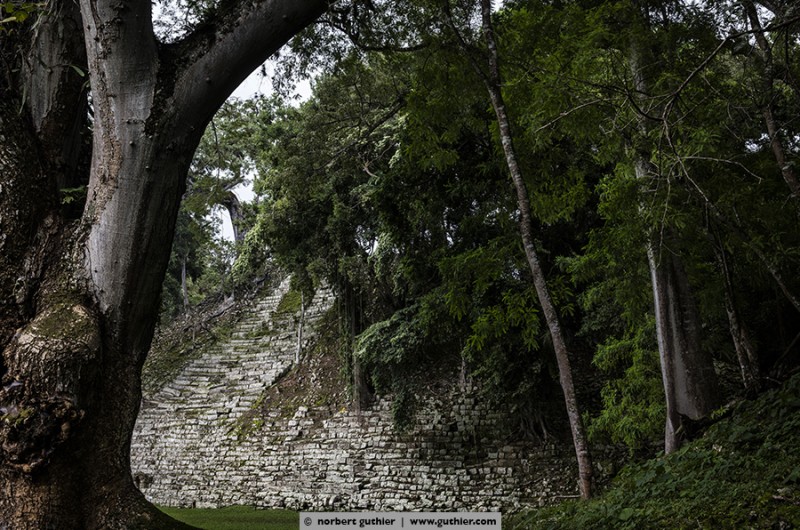
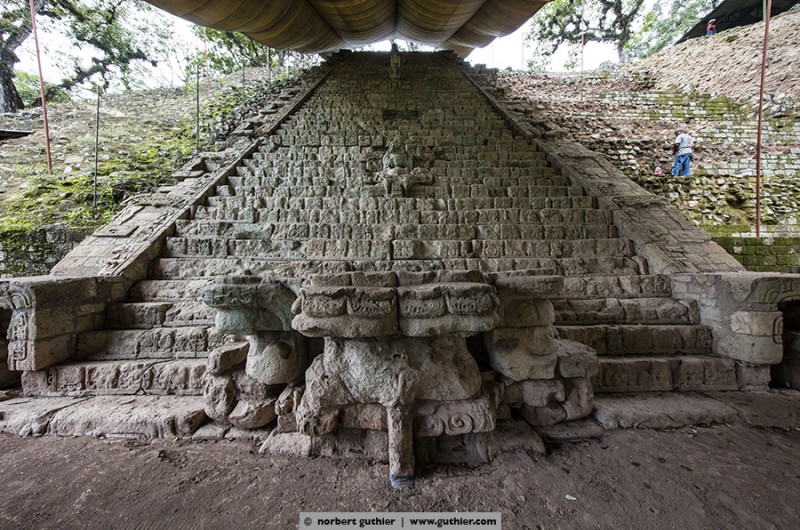
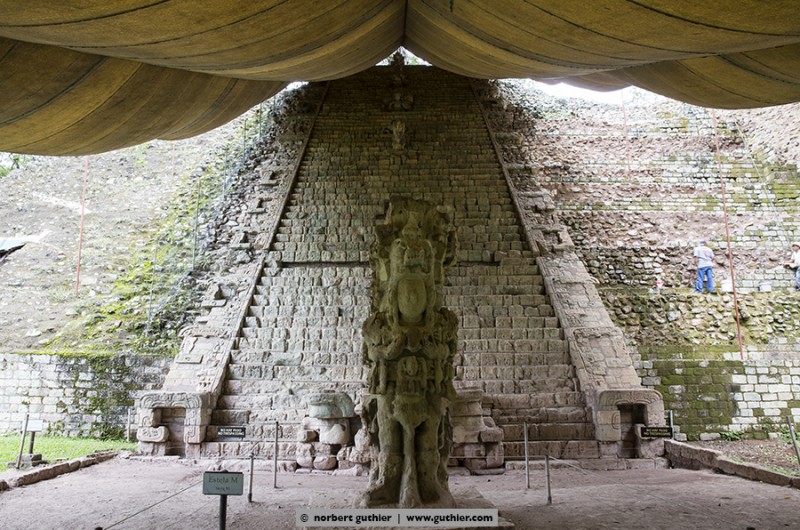
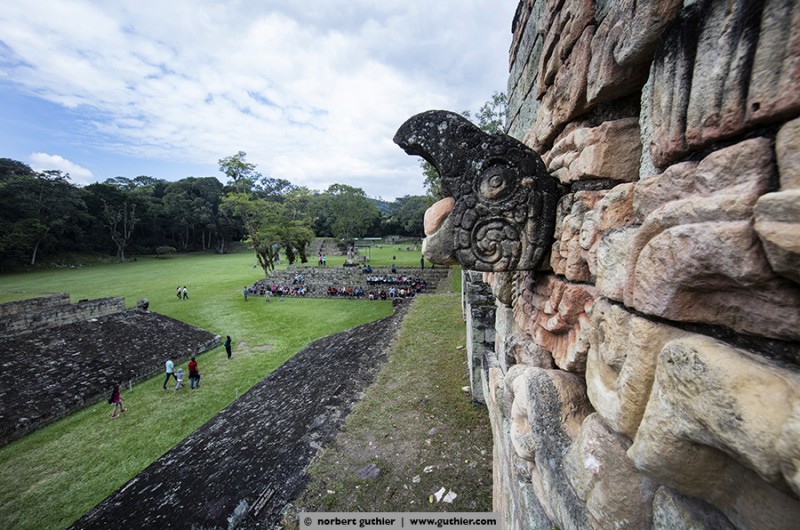
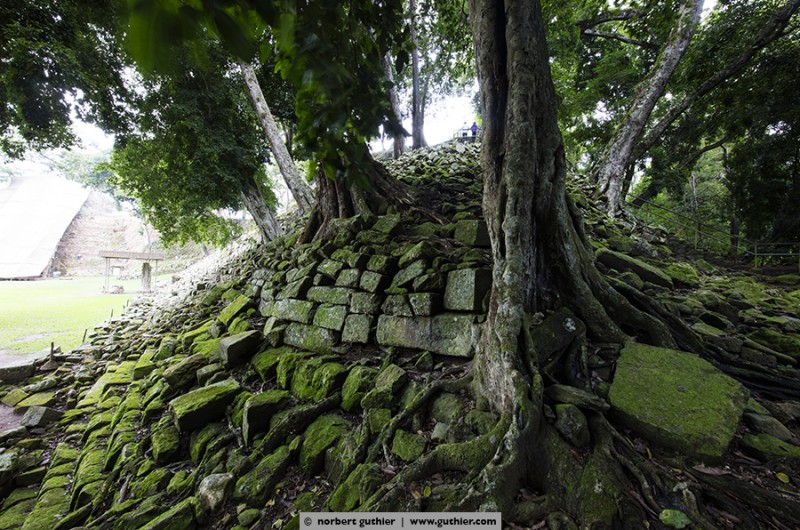
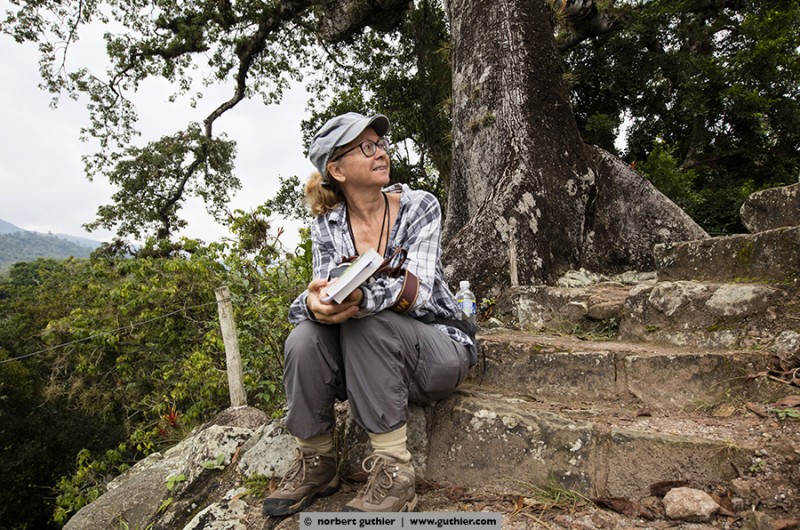
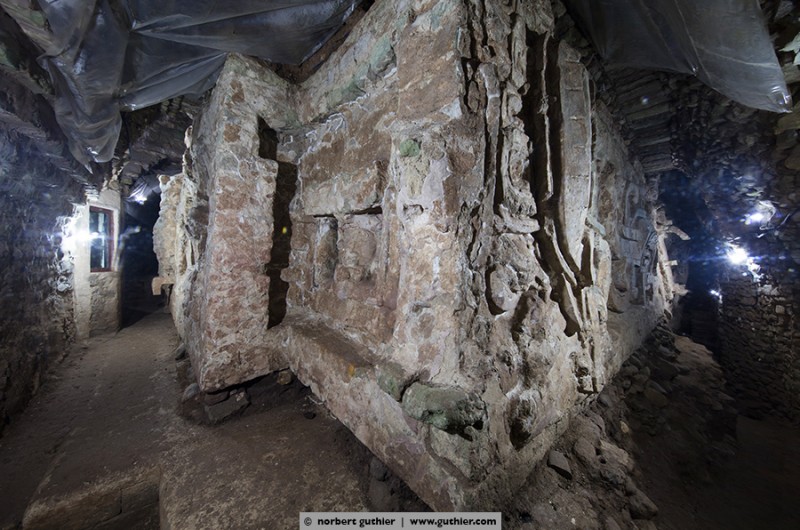
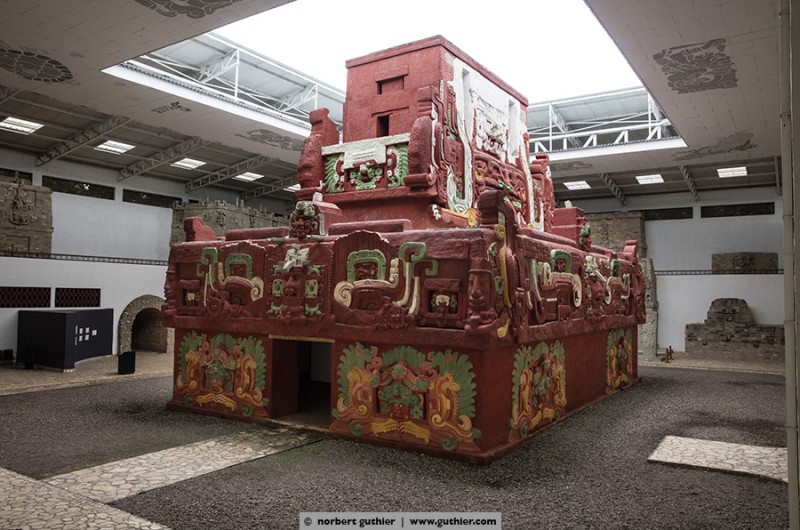

The most important maya site in honduras and probably the last one on our way to south america.
Copán has become known through the many, magnificent steles and through the rosalila temple which archaeologists had found under a newer pyramid. it is well known that the mayas had expanded their temple from time to time, just built over the existing structurals. In search of the older building structures, the archaeologists dug through the pyramids – 2,5 miles in case of copán. So they discovered the rosalila temple and partially excavated it without damaging the overlying pyramid. A replica of this very sacred maya temple is shown in the museum, which was built at the entrance to the ruins. To the delight of the posterity, the mayas had carefully overbuilt the holy place and so all frescoes and ornaments have been preserved. Another archaeological sensation in copán is the glyphic staircase with the longest known maya inscription. However, today it is protected from the environmental influences by a tarpaulin without taking responsibilty to the aesthetic requirements of the visitors.
Like all other Maya sites, copán was also abandoned after 850 a.d.. quite suddenly. It is certain that a series of dry periods, caused by the depletion of nature such as monocultures and deforestation of the rainforest, have led to the decline. this probably also meant fundamental social upheavals, especially as the rain did not appear despite the increasing numbers of of human sacrifices. Then probably all the god kings have been hunted to the devil.
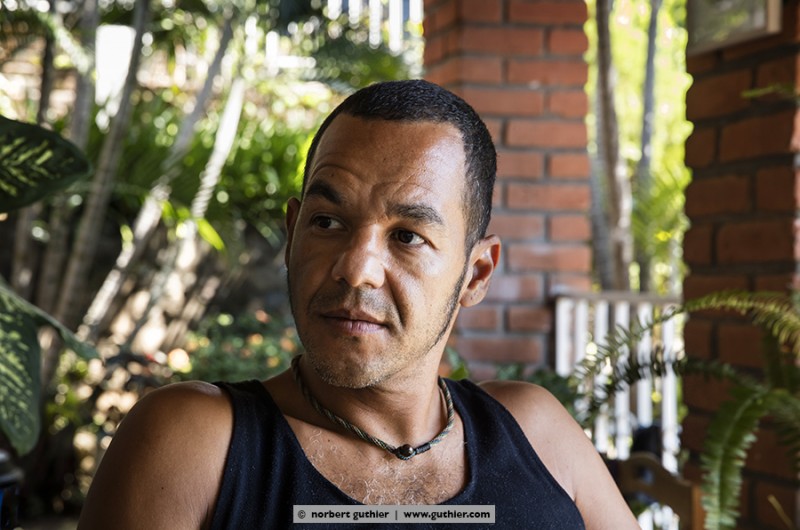
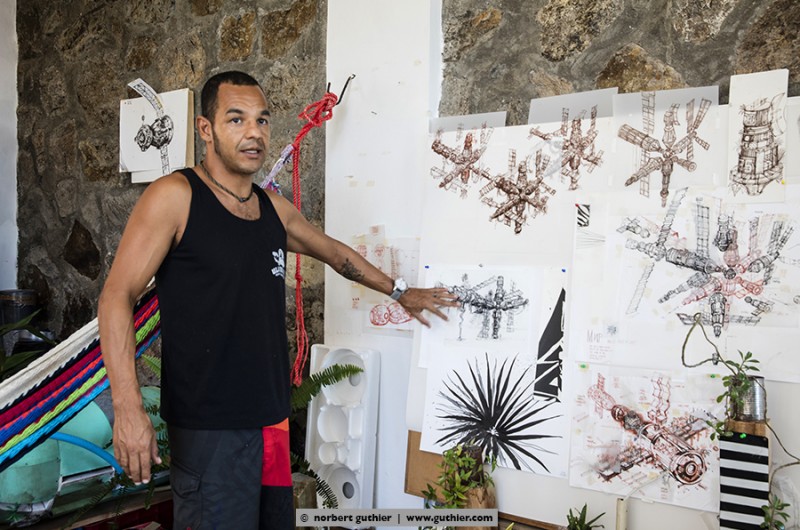
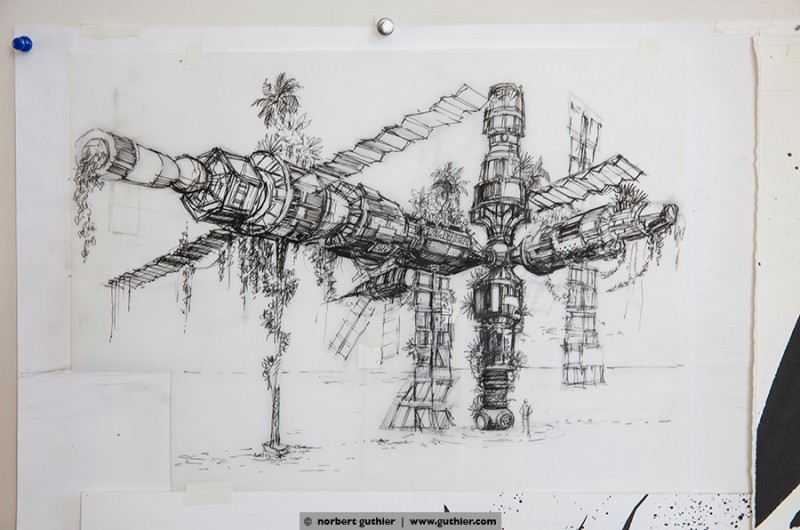
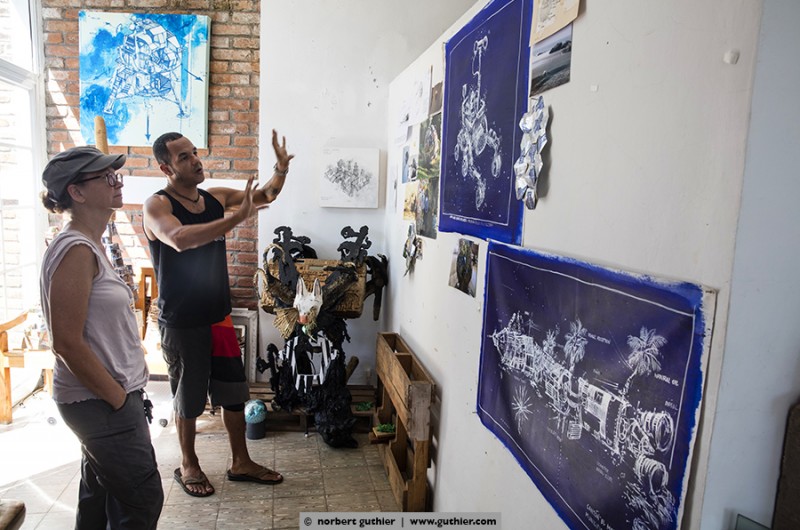
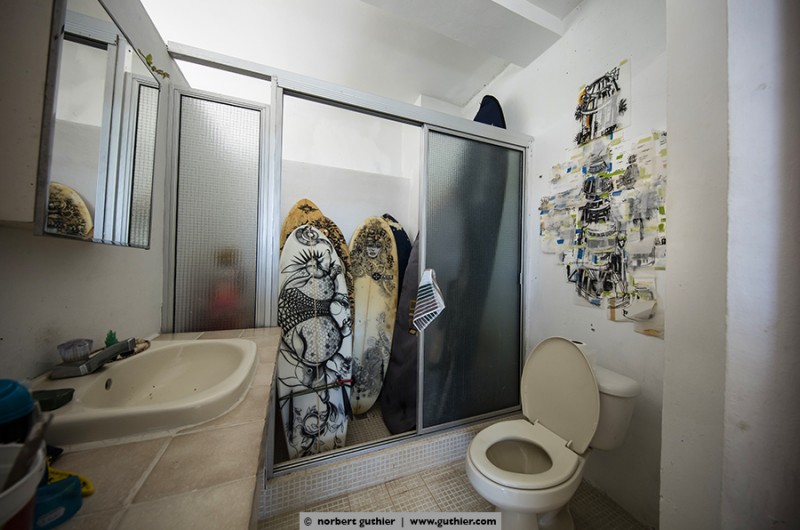
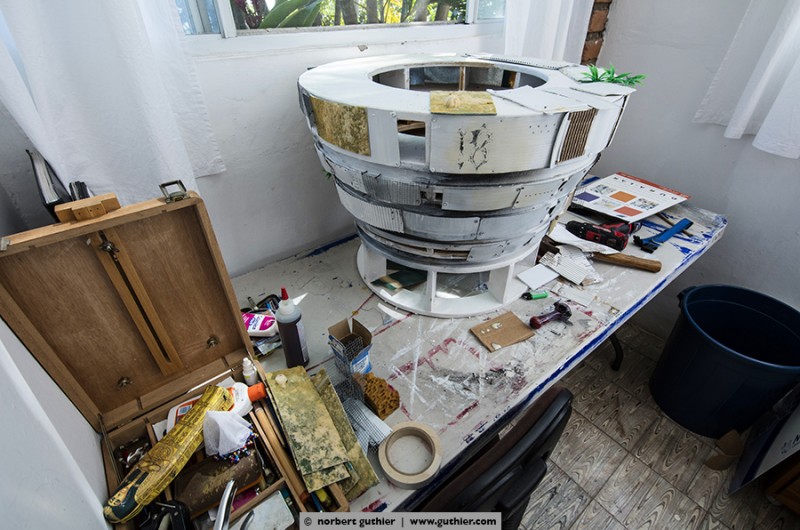
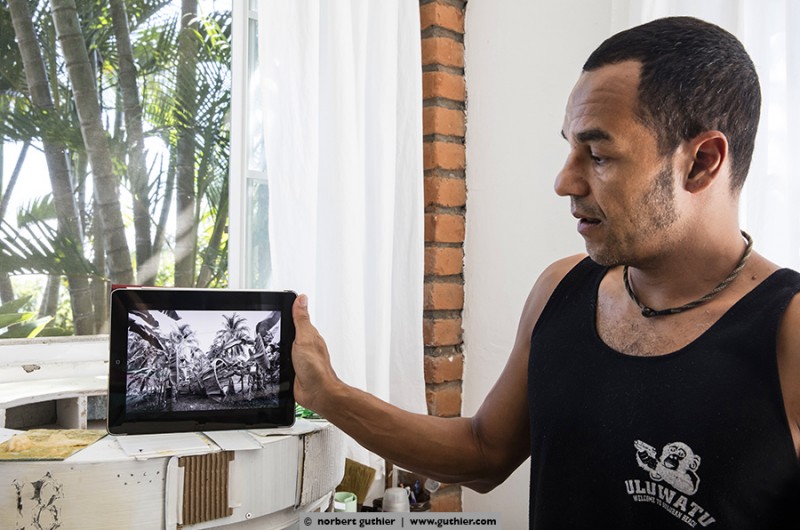
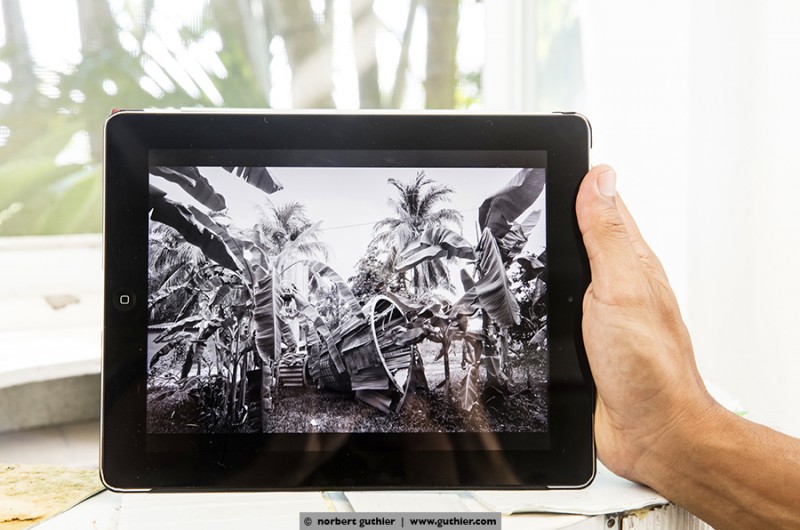
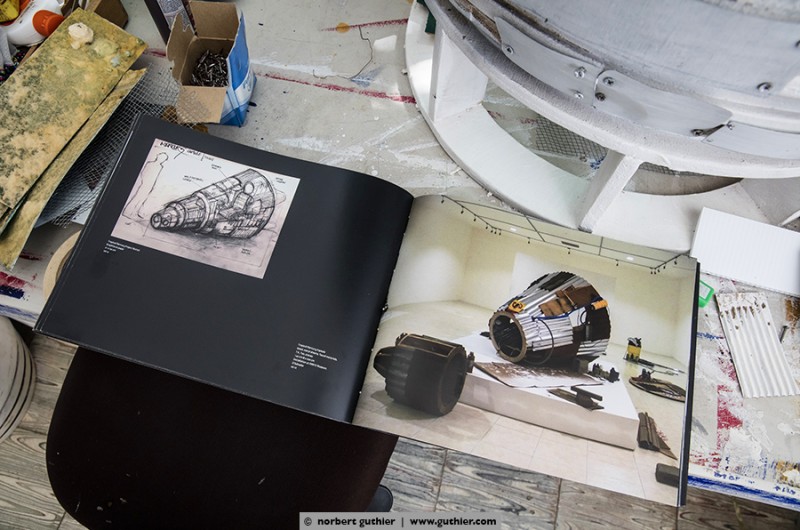
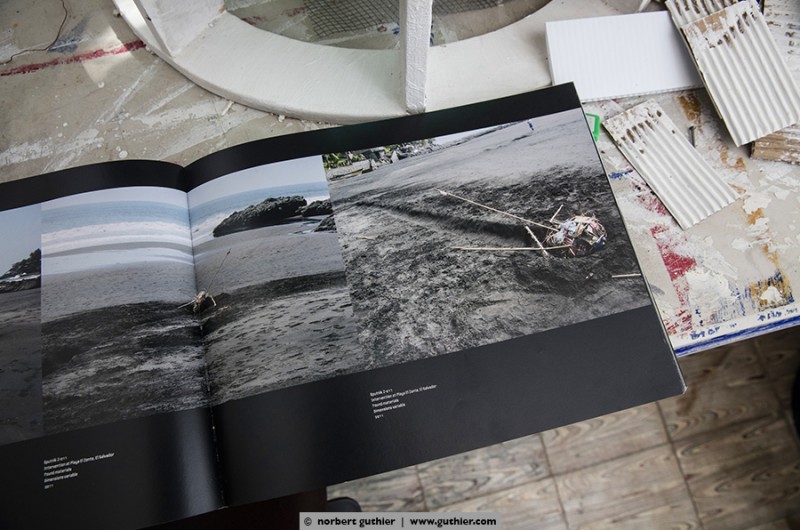
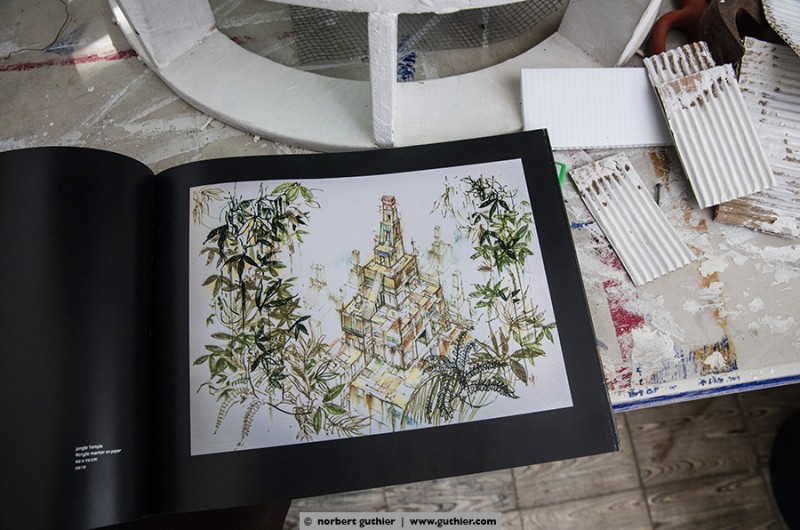
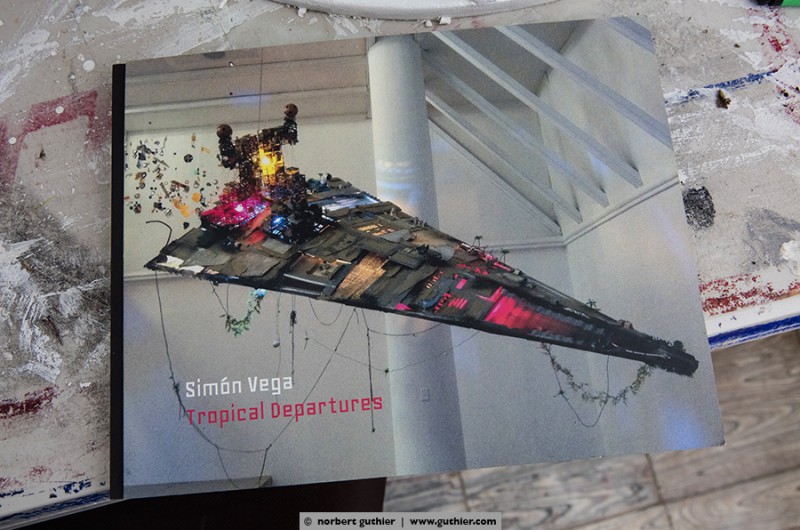
Simón lives in a small community near the beach, 15 km. from the town of La Libertad in El Salvador and very close to all the surfing spots in the area. In his studio he does research, drawings and design for the large scale sculptures he builds, which are based on historical spacecrafts and capsules from the Cold War, but built using materials and methods of construction inspired in the informal architecture of the poor homes and constructions found in his native country. The sculptures themselves, because of their size, are usually built on site at the galleries that represent him in Vienna, Medellín and Guatemala and museums around the world, therefore his studio is mainly a research, laboratory and testing site. He showed us some of his past and upcoming projects, such as a huge space station based on the Soviet MIR, which will be built next April at a secret undisclosed site.
BIO
Simón Vega creates drawings, sculptural installations and happenings inspired in local markets, self-made-architecture and vendor carts found in Central America. These works parody Cold War space capsules, Mayan pyramids, Modernism’s iconic buildings and contemporary surveillance systems, creating a humorous fusion between first and third worlds. He has exhibited his work extensively in Europe, the United States, Central and South America. He has algo been a teacher for over ten years at three local universities, done numerous workshops, organized and curated exhibitions, co-edited the book Y.ES Collecting Contemporary El Salvador and is a member of the board at Y.ES Contemporary. He is founder and co-director of Estación Arte y Surf residency and cultural program. He lives in La Libertad, El Salvador.
www.simon-vega.blogspot.com and www.ciudades-perdidas.blogspot.com
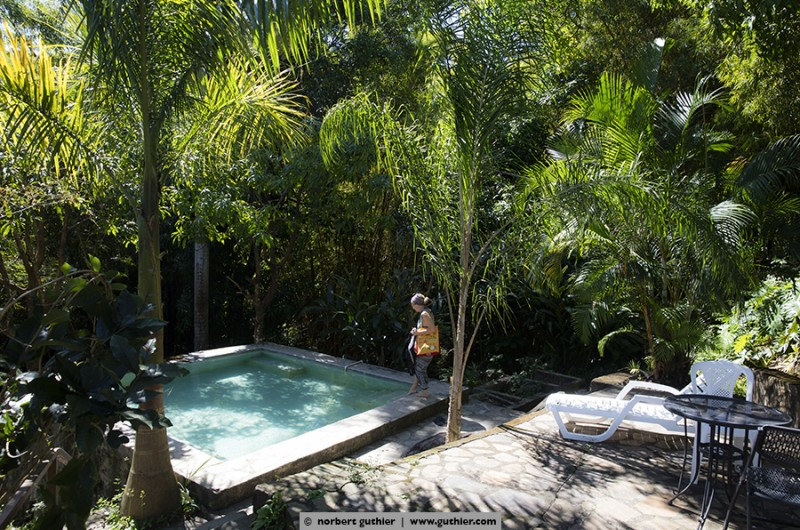
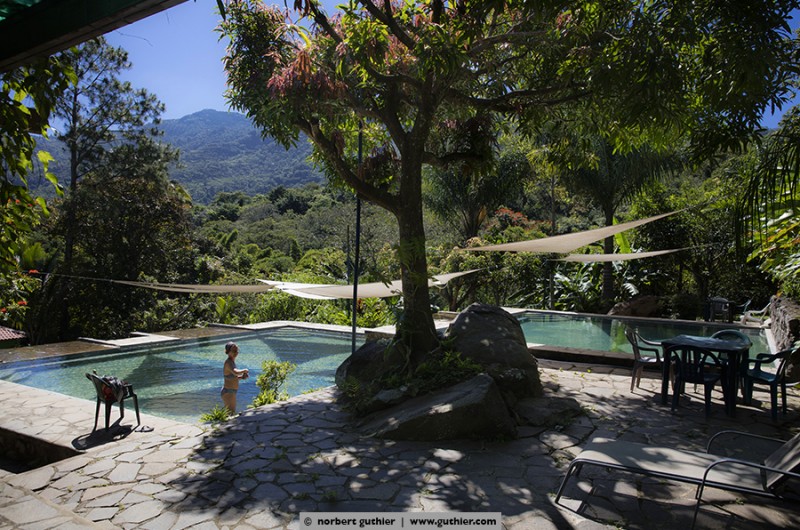
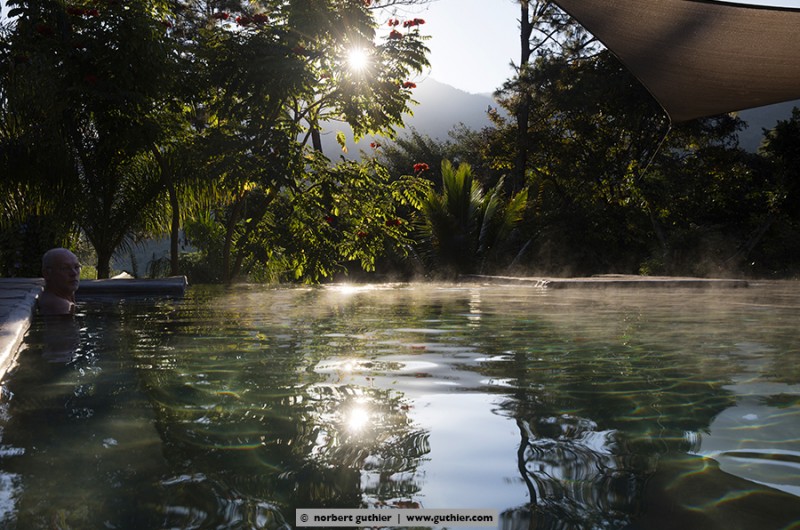
The warnings about el salvador were varsatile. Super dangerous, criminal gangs etc and our central american guide had the title: don’t go there, it’s dangerous, you will die “. But everyone in the neighboring country, the neighboring city, the neighboring district and all those who claim this have never been there before. Our first destination in el salvador was the hotsprings “termales de alicante”, a hot water paradise consisting of 15 swimming pools with different temperatures. After our round trip through el salvador – which we survived unscathed – we stopped here a second time and enjoyed the plant mostly for ourselves. Almost – because at night 3 heavily armed guards were on duty. But that’s common here, even for any better fries hut.
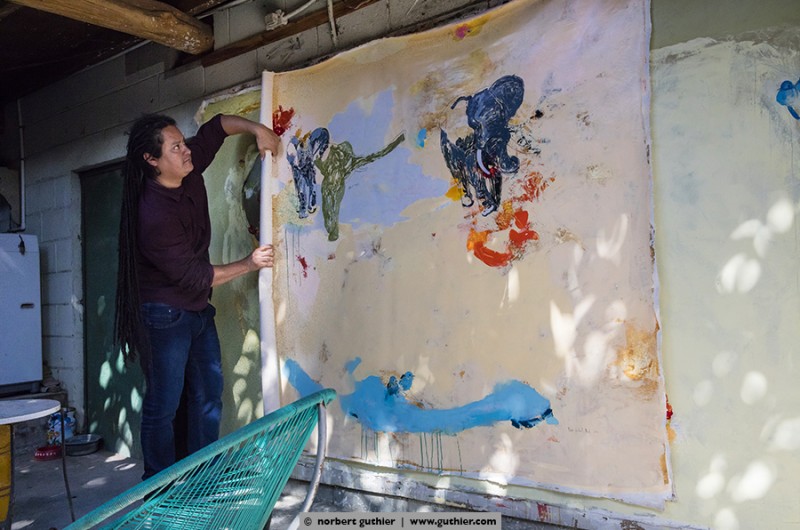
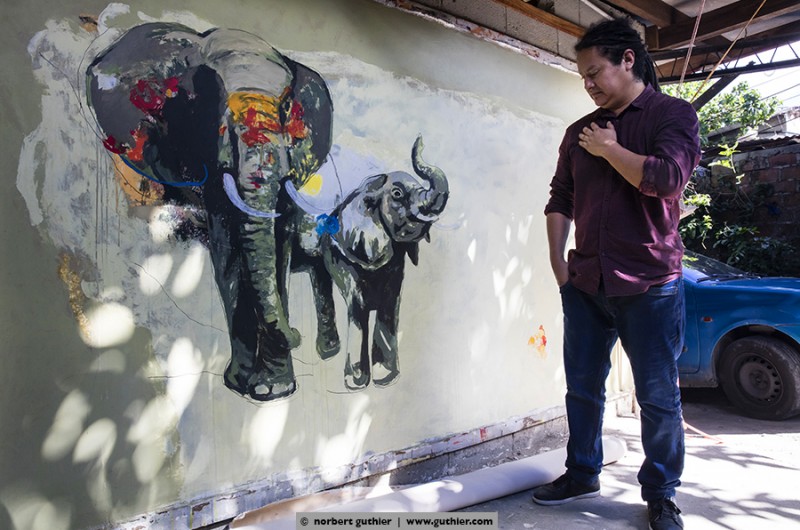
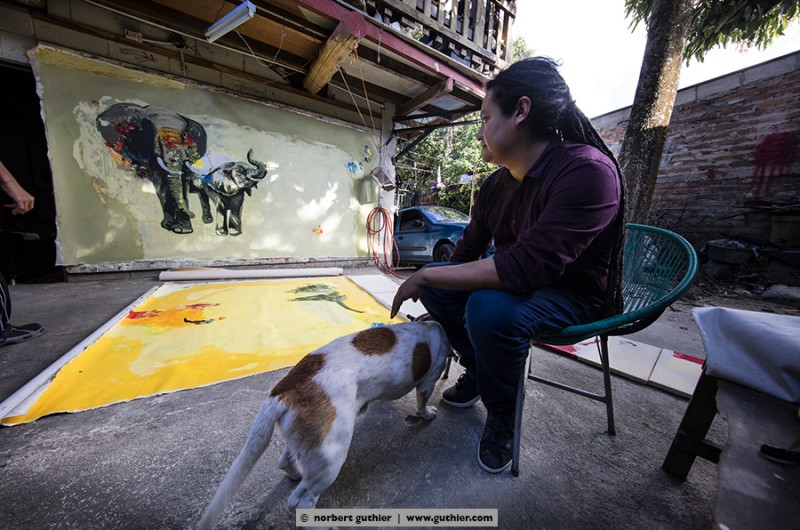
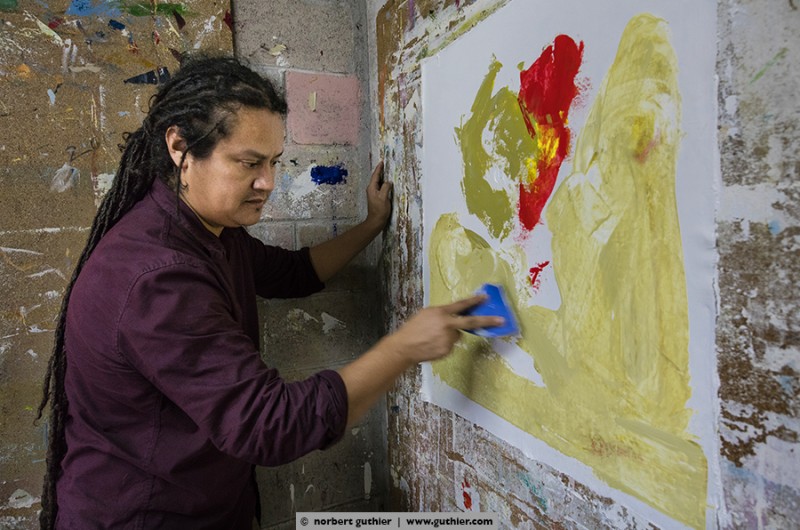
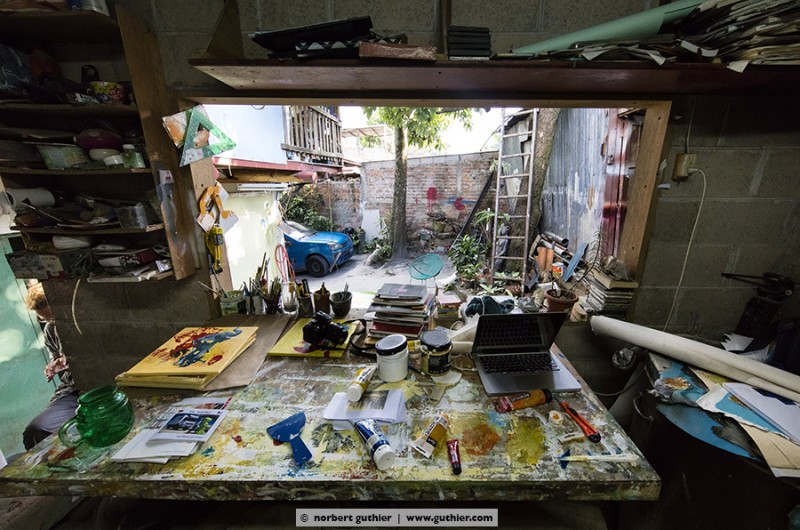
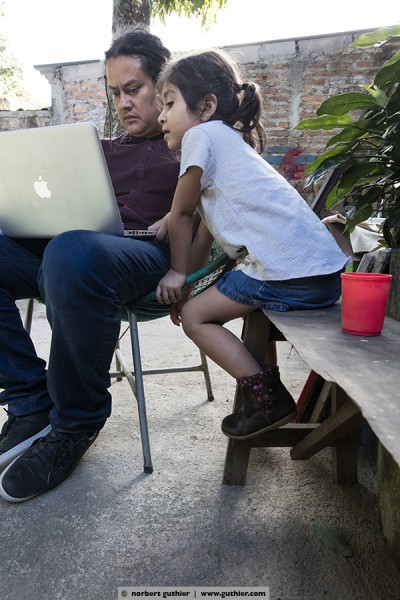
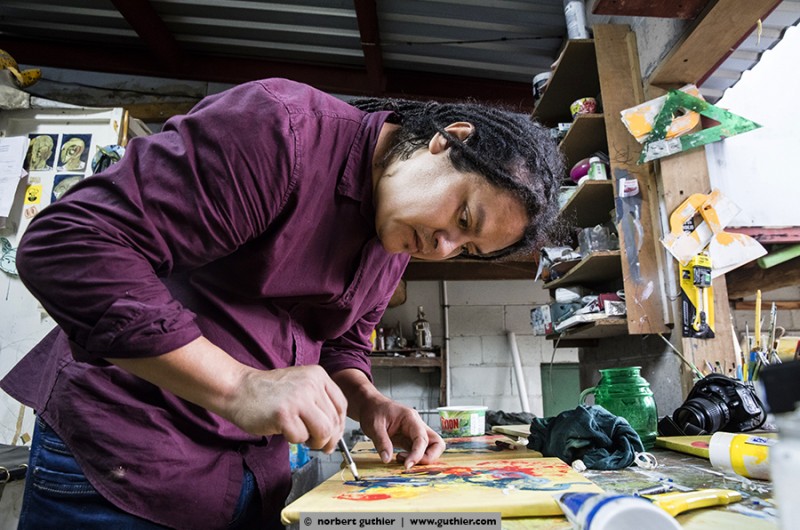
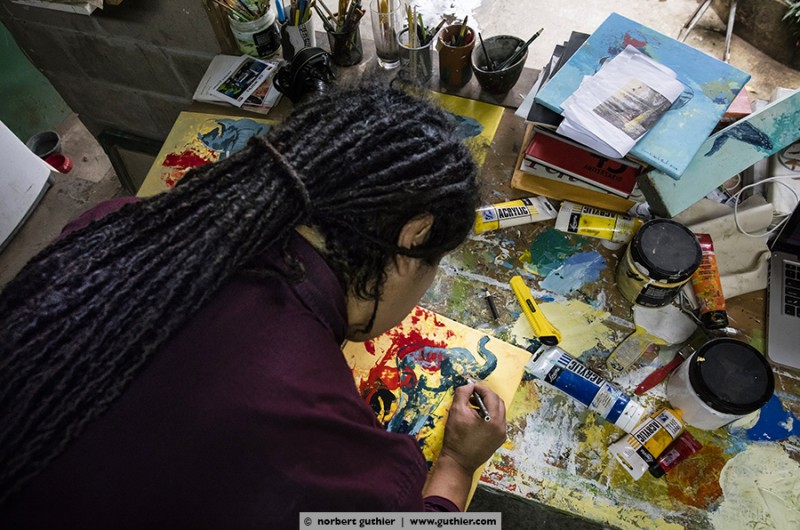
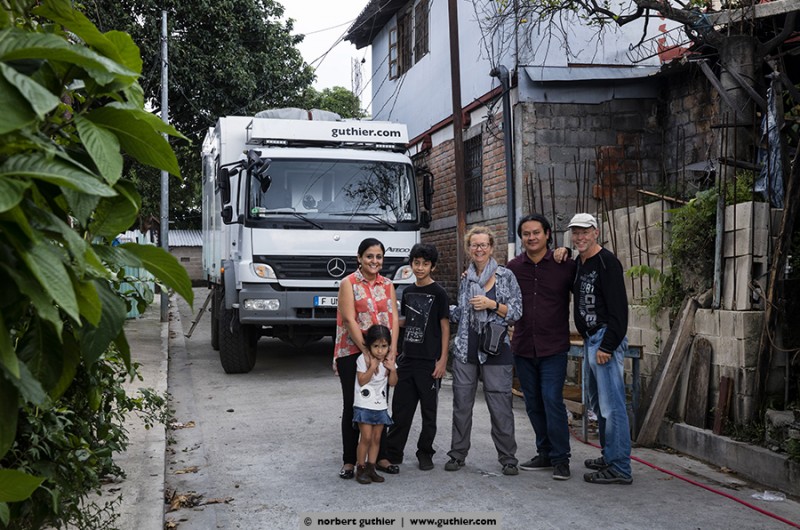
We discovered his work in a great, guatemalan gallery for contemporary art and I asked him for a studio visit. He lives and works in el salvador, a country tortured by gang crime in central america. I squeeze our truck backwards into the dead end street where he lives, and his entire family welcomed us warmly. Boris presented his latest work and is pleased to be involved in my co_works project. Great. You can look forward to seeing what will be shown at the upcoming co_works exhibition in los angeles (april 2018).
