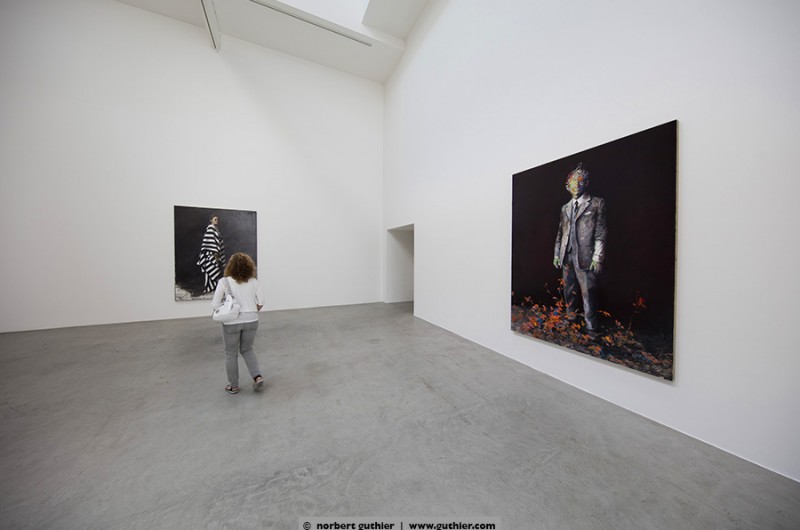
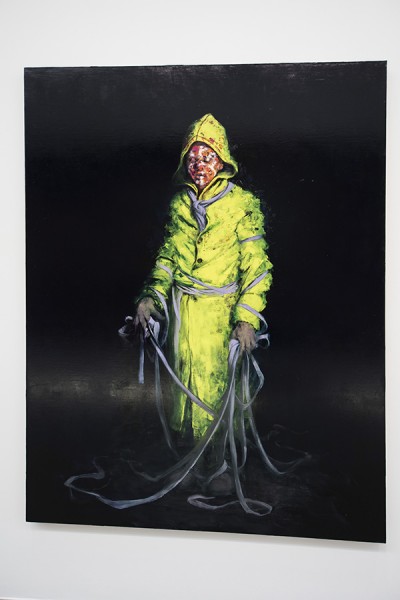
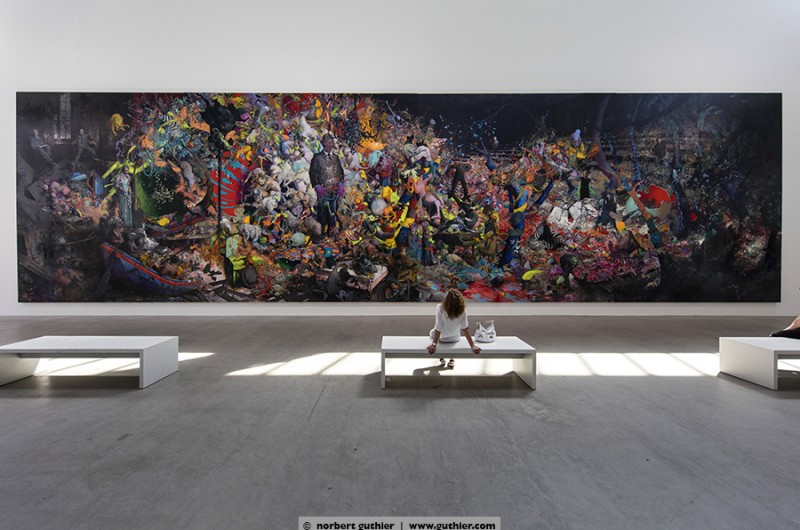
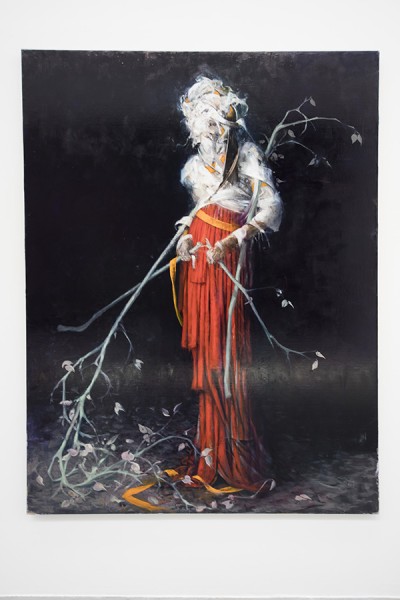
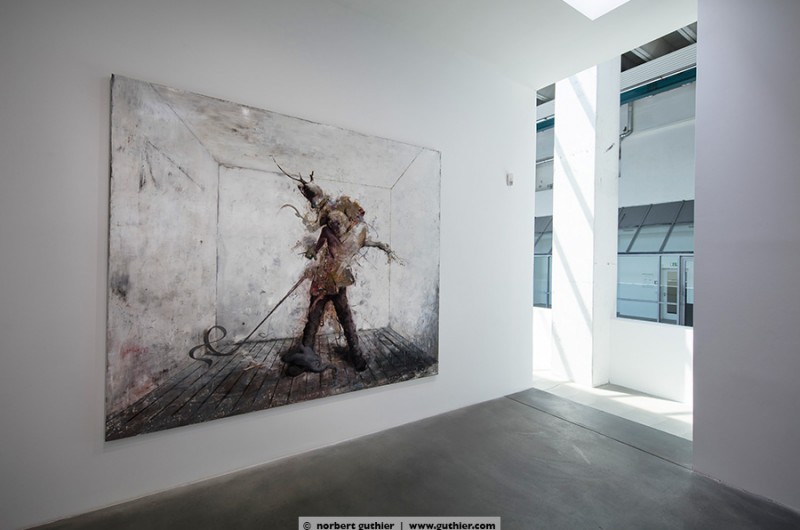
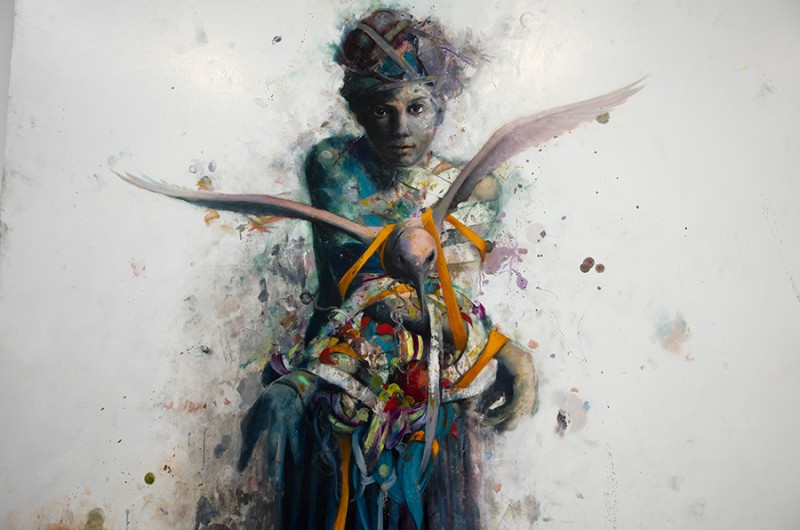
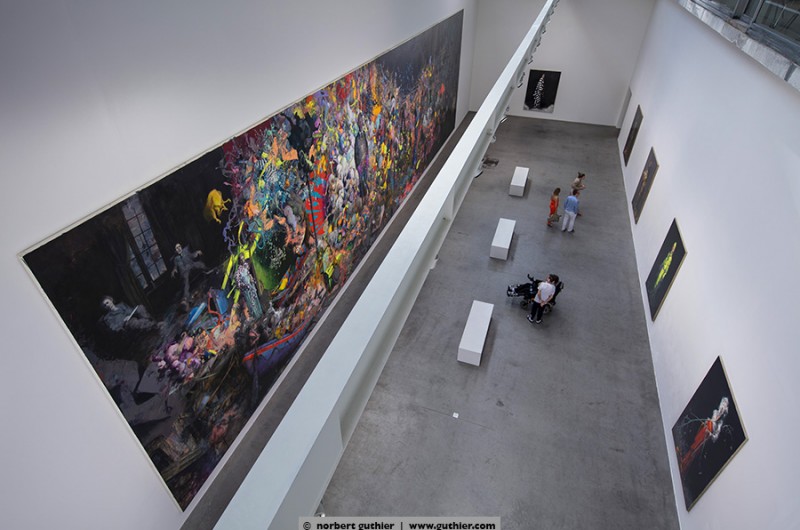
if you visit berlin until june 29th 2017 here is a tip for an exhibition: „Zeitlaich“ von jonas burgert
blain southern | Potsdamer Straße 77–87 (Mercator Höfe) | 10785 Berlin
Comments ↓



if you visit berlin until june 29th 2017 here is a tip for an exhibition: „Zeitlaich“ von jonas burgert
blain southern | Potsdamer Straße 77–87 (Mercator Höfe) | 10785 Berlin
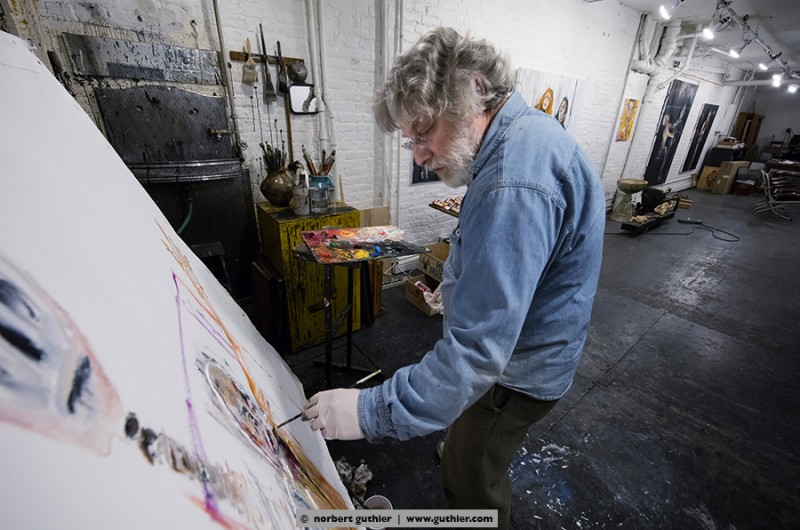

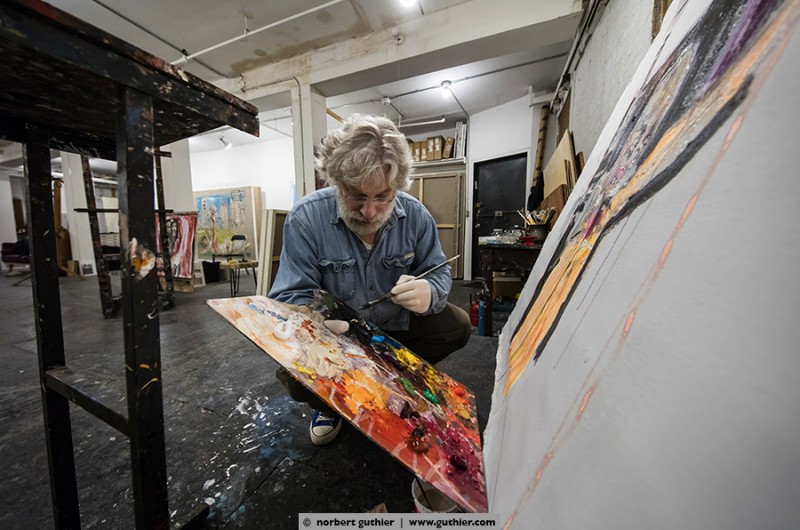
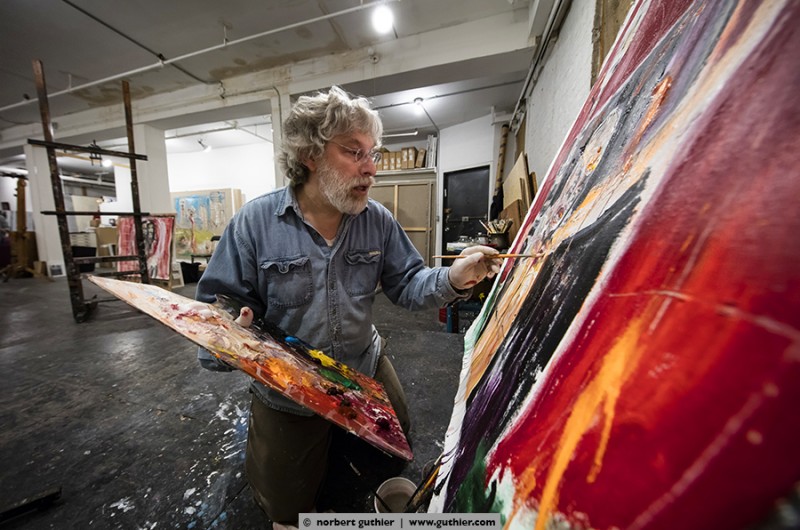
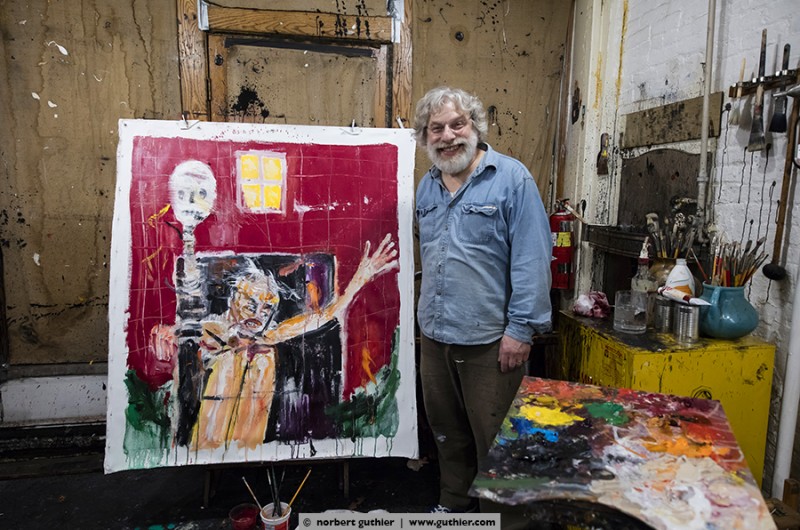
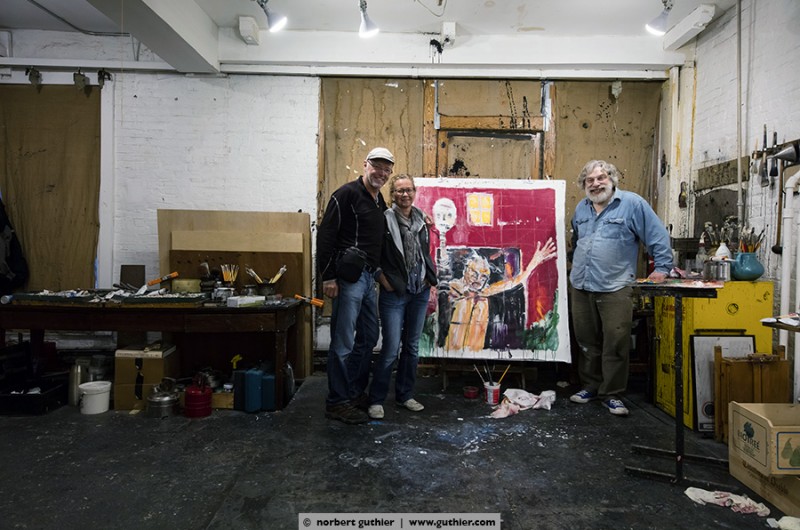

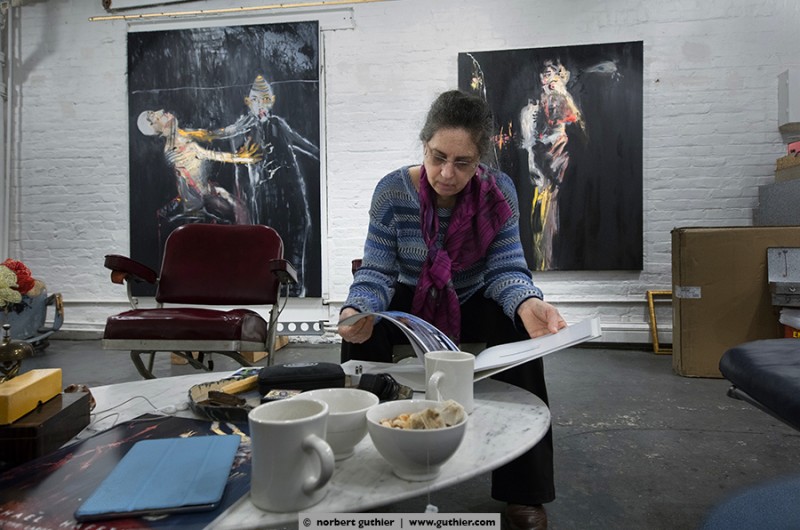

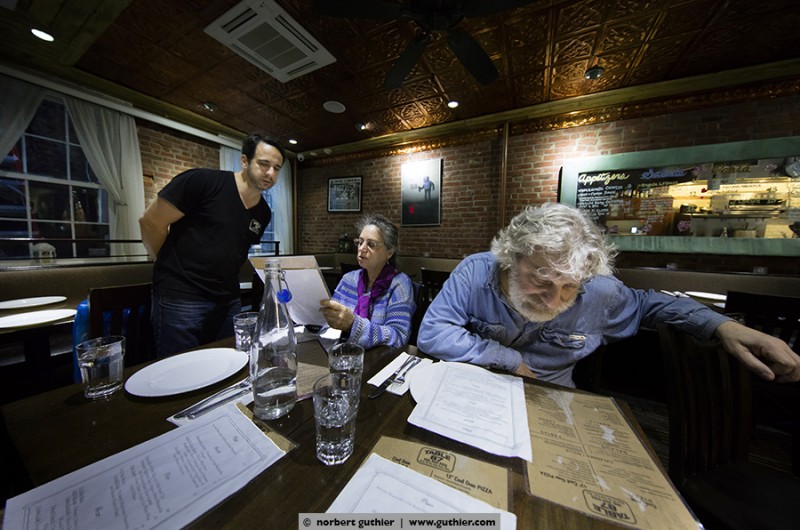
Some pistures from our visit to the artist michael hafftka / new york. A video about his work will follow soon …

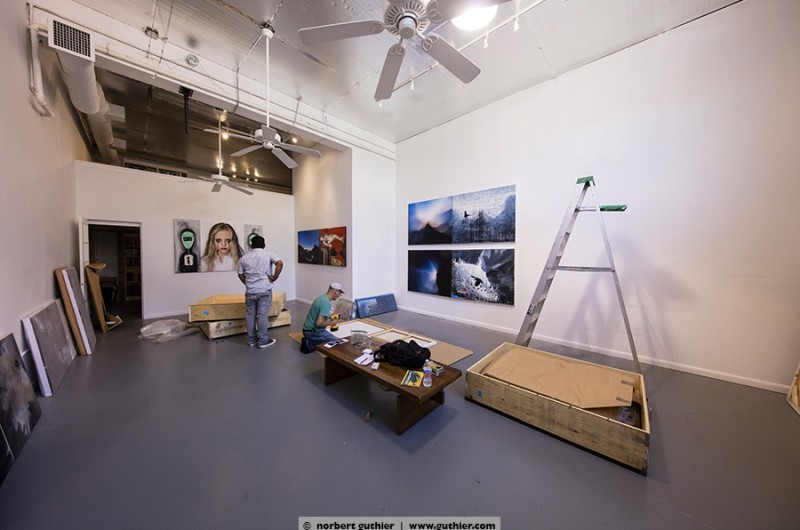
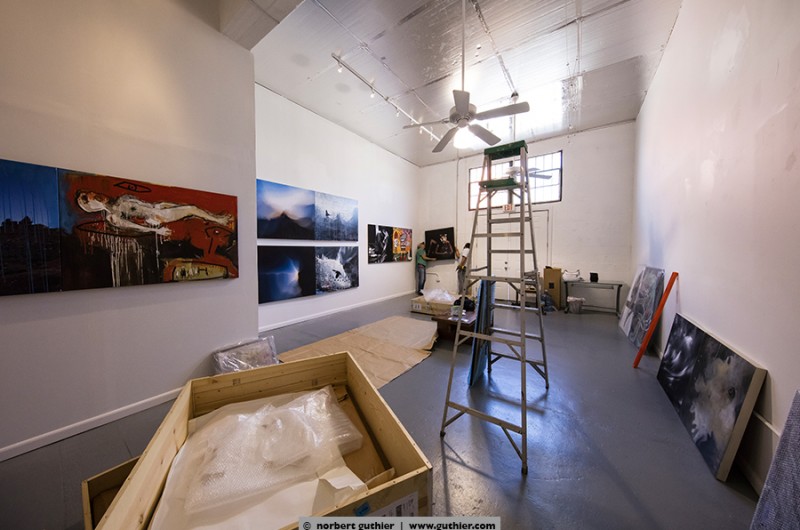
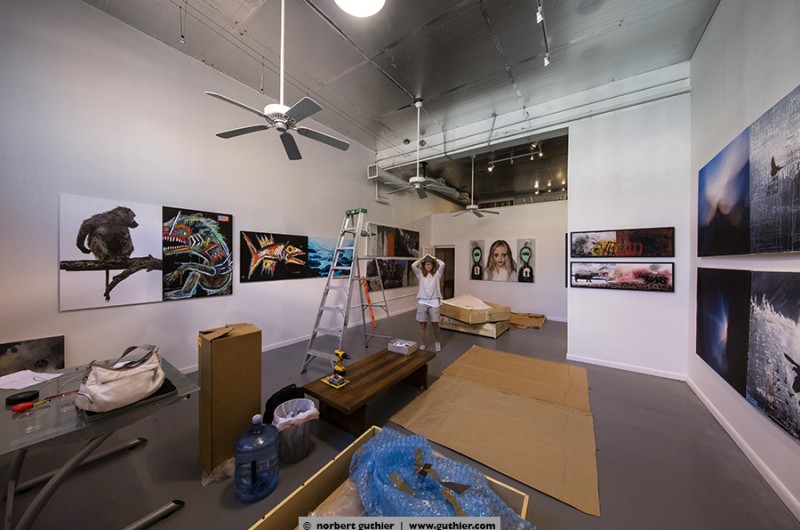
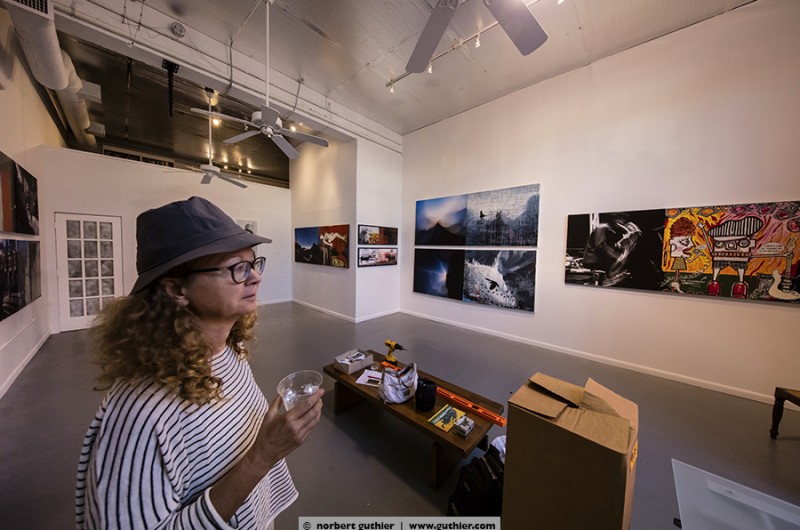


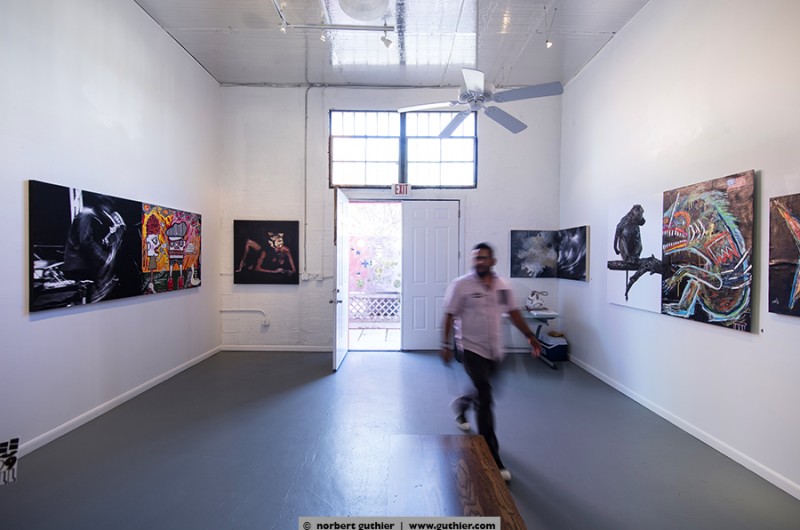
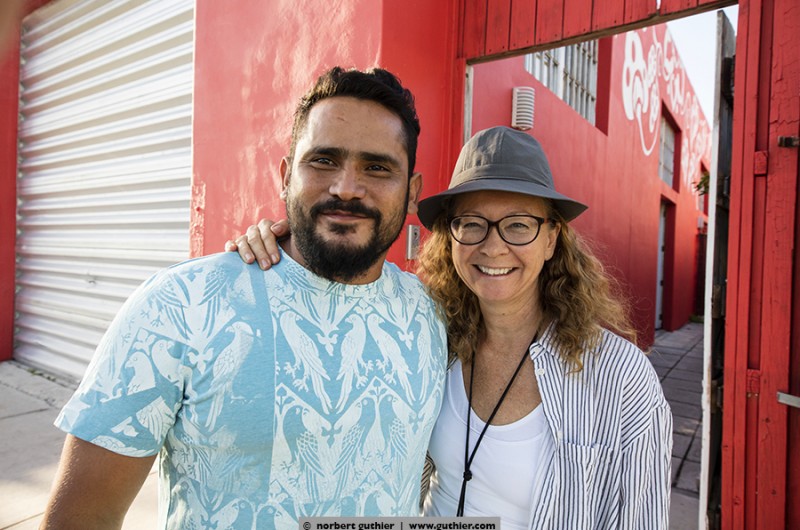
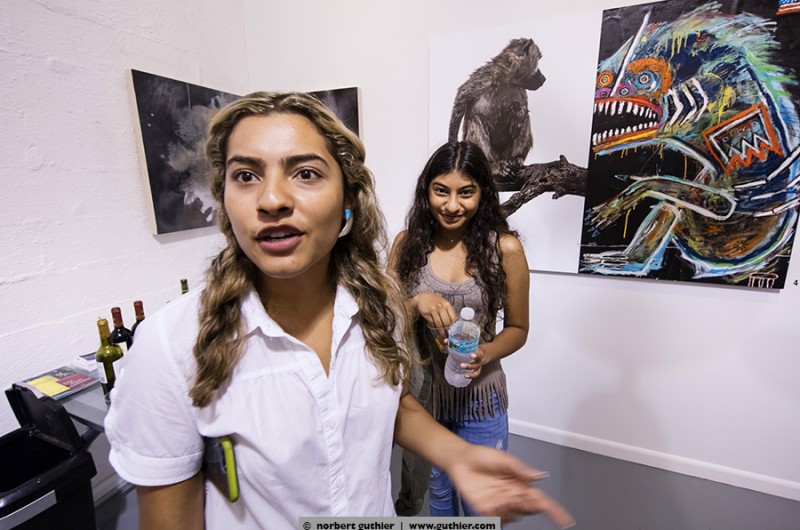

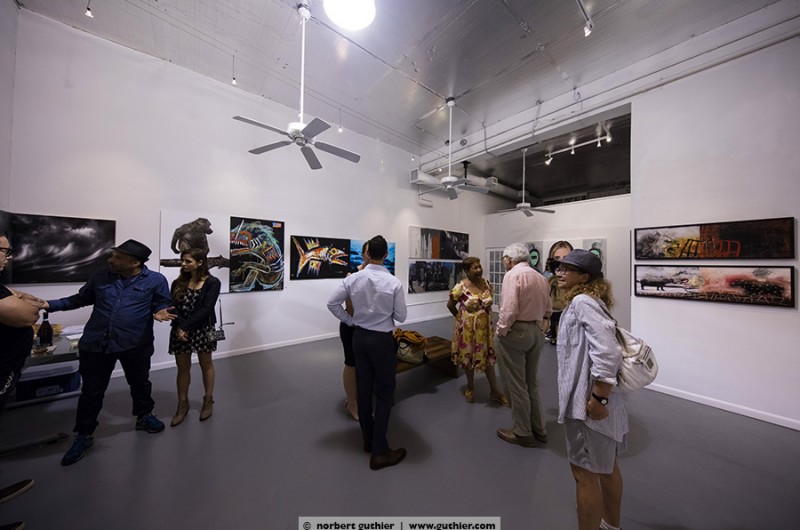
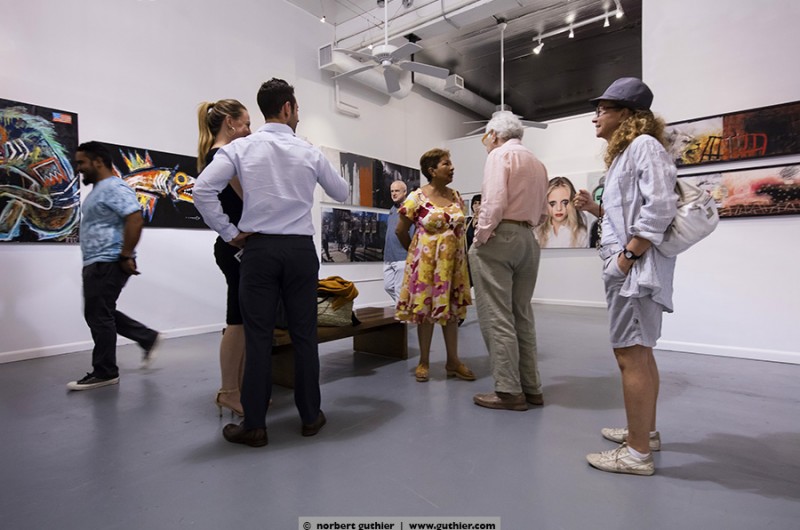


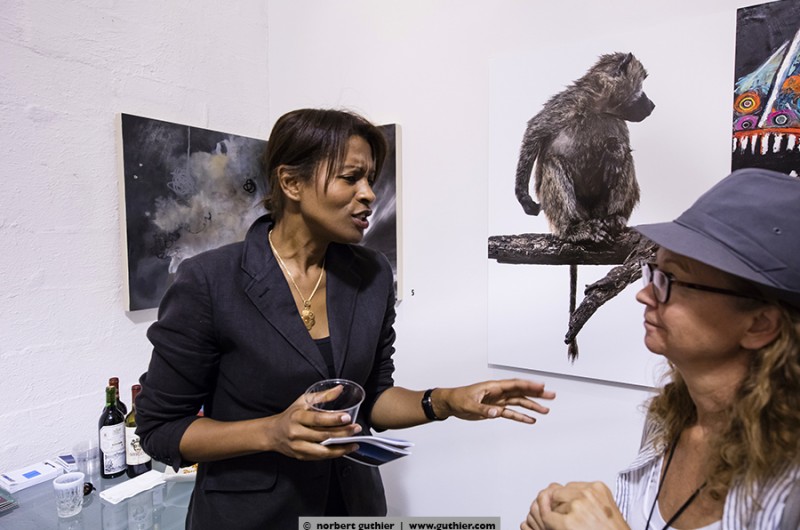
Some pictures of the installation and the opening of the co_works exhibition in miami. Many thanks to my co_workers: fred tieken, emilio martinez, barbara fischer, heather wilcoxon, bert esenherz, matthias bolz, matt sesow, bradford moody & in memoriam guy levesque.
Many thanks also to emilio martinez and edouard duval carrié, who have made the exhibition in miami come true.
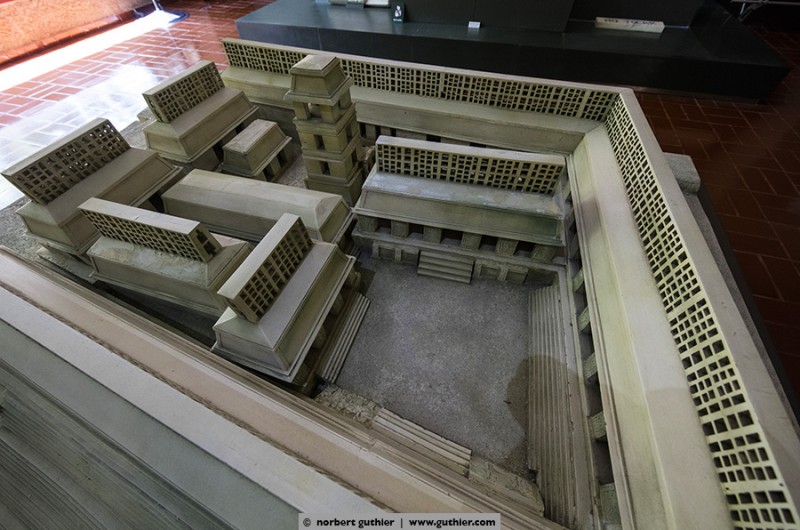
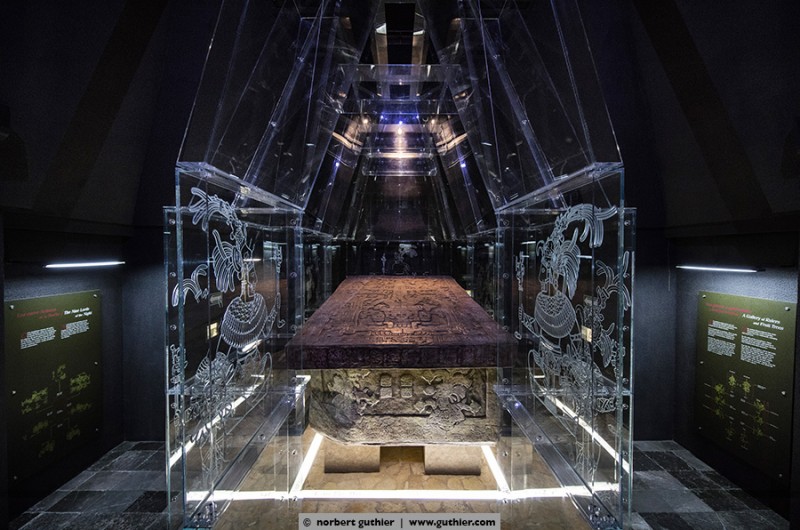
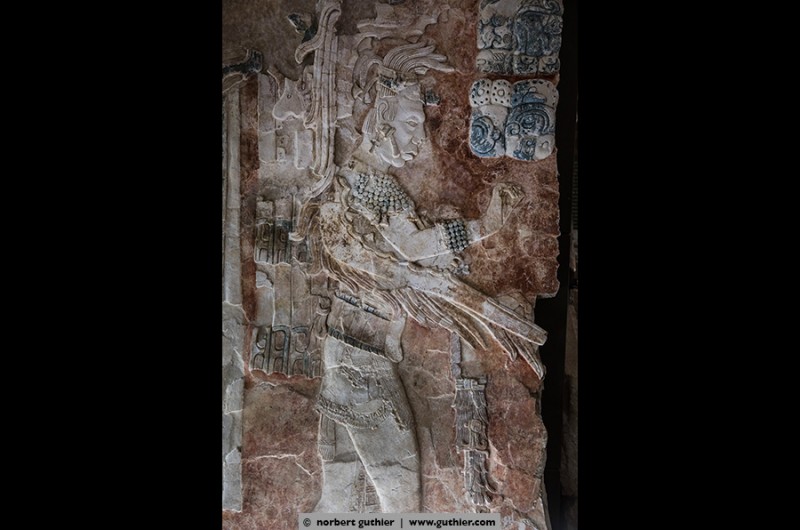

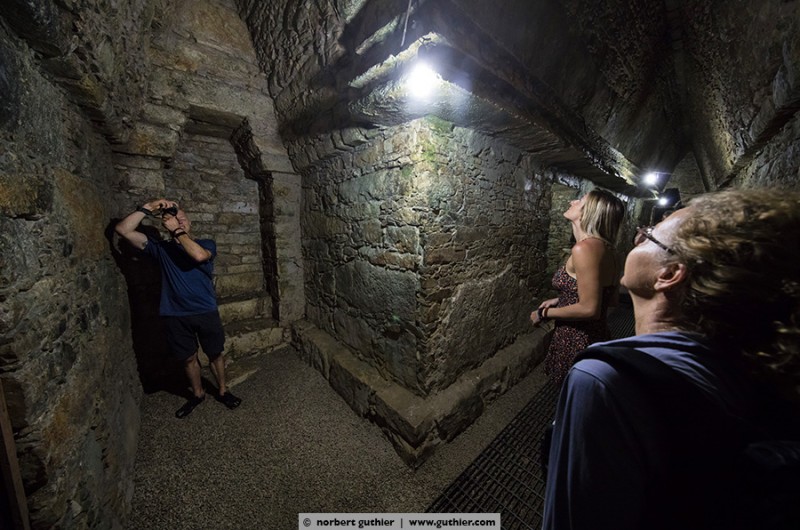
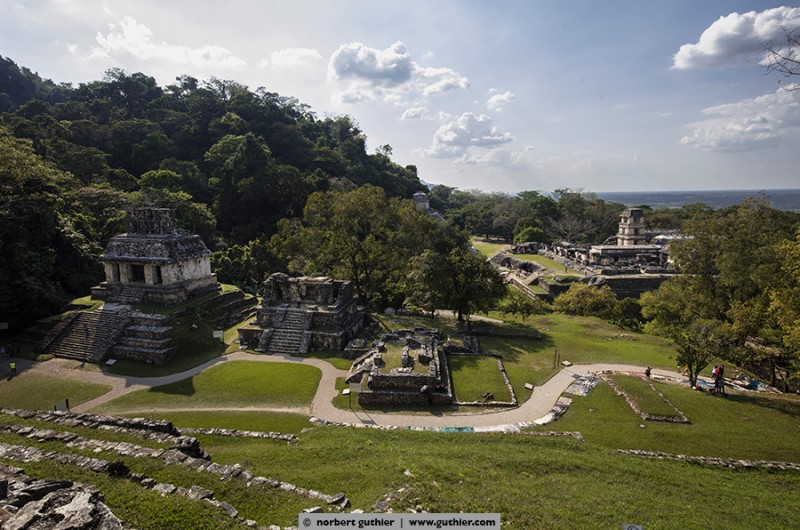
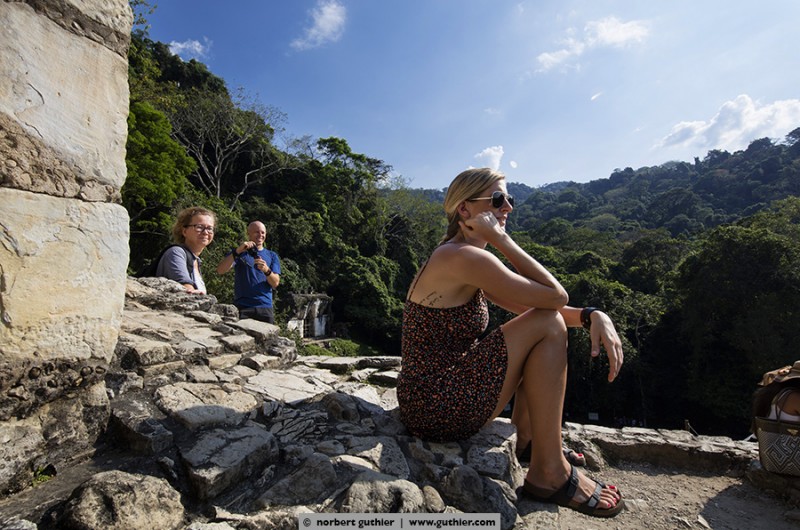
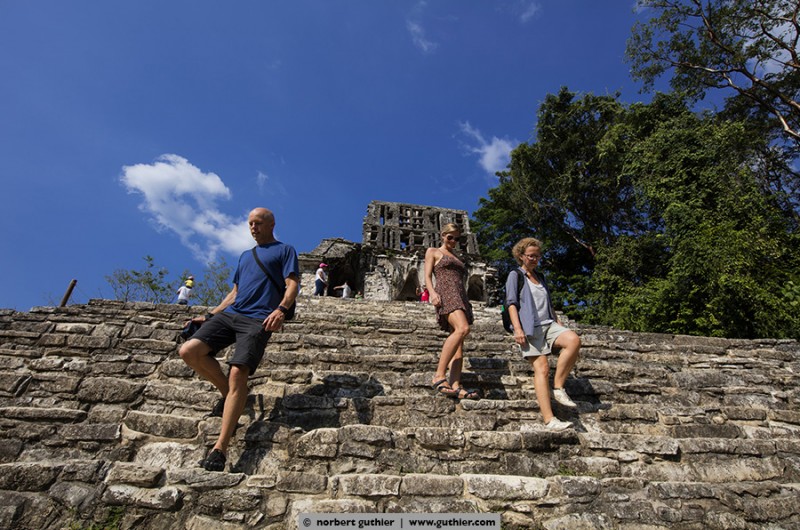
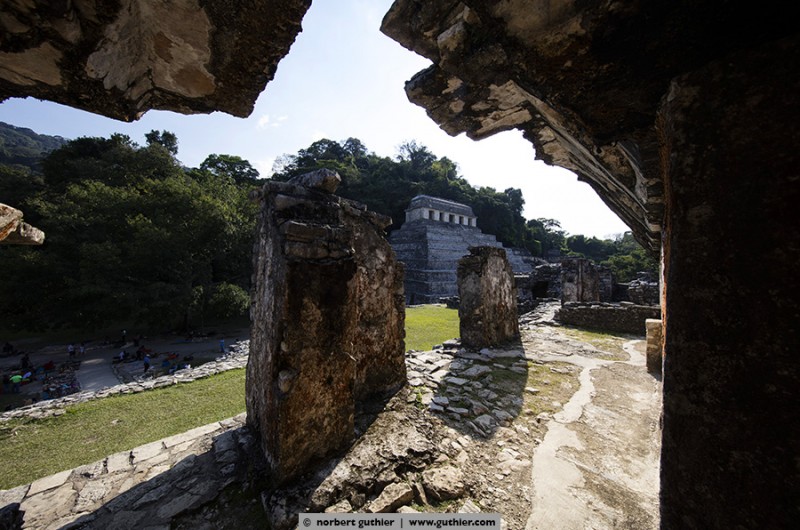
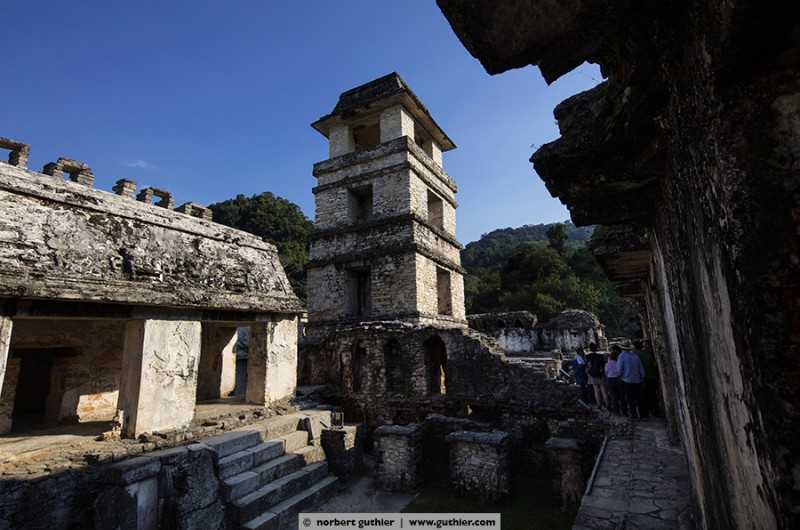
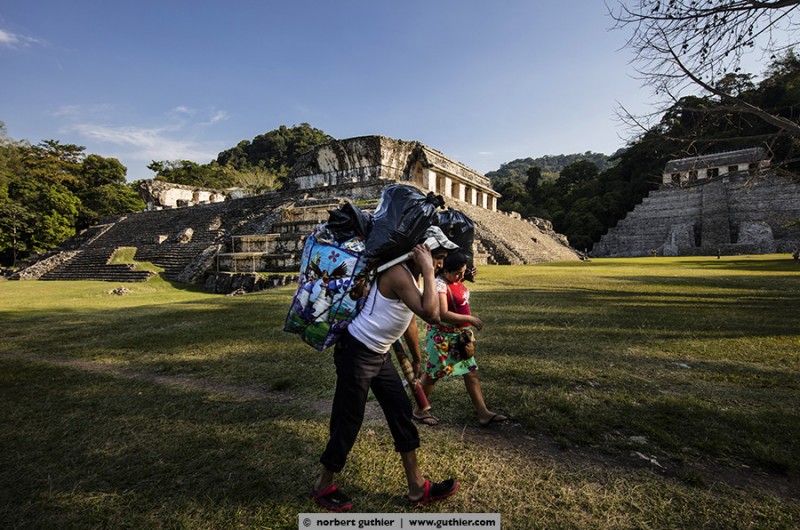
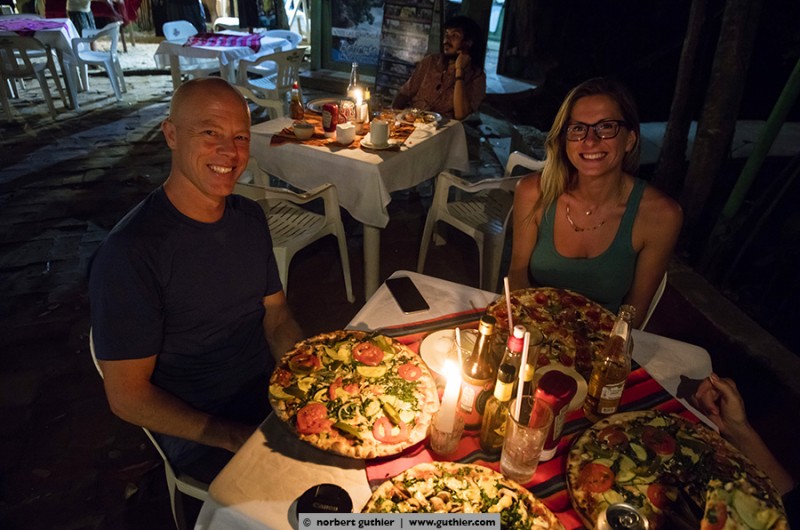
Because palenque is so interesting, the campground right next to it so great but mainly because we met our friends chantelle and joshua again (overlander from canada and the us), we stayed longer. Visited the museum with a replicate of the grave of king pakal (the original tomb has been closed because of conservatiion reasons) and had been a second time at the archaeological site late in the afternoon.
By the way here is a really good restaurant recommendation: don mucho’s, directly at the national park gate (to the left, 300 feet)
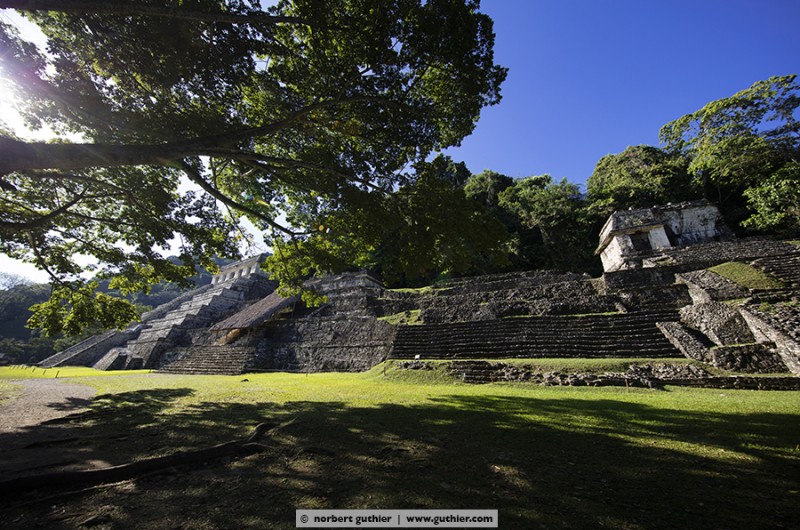
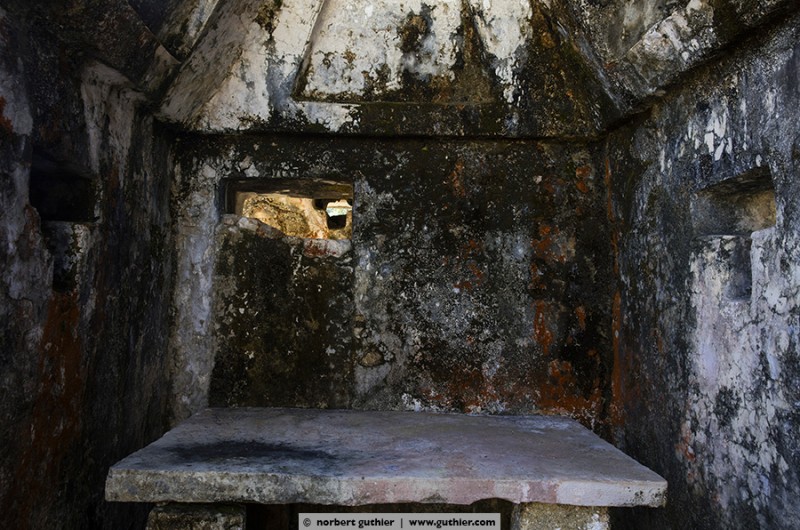
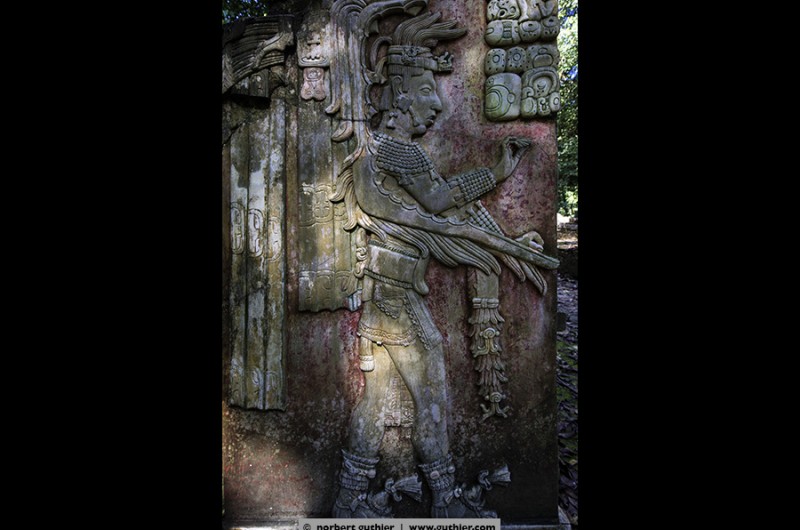
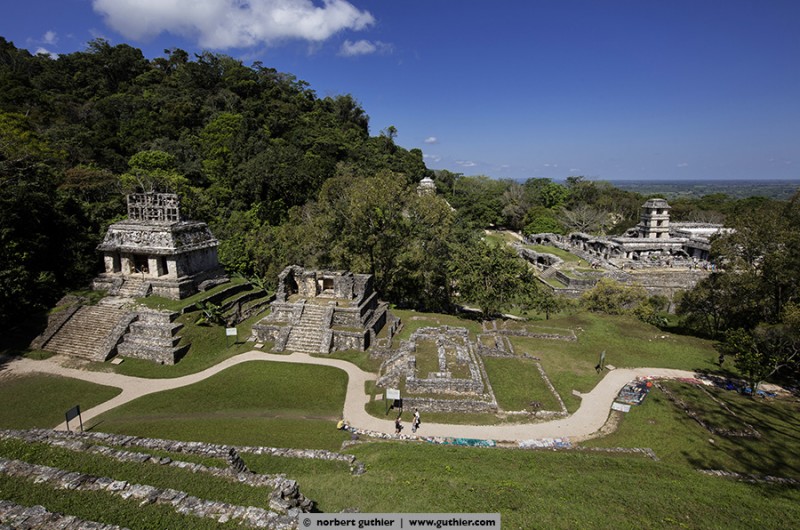
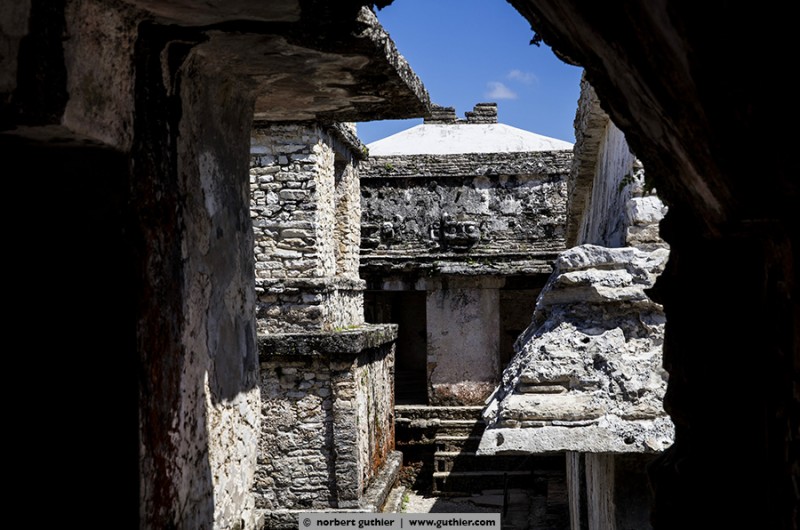
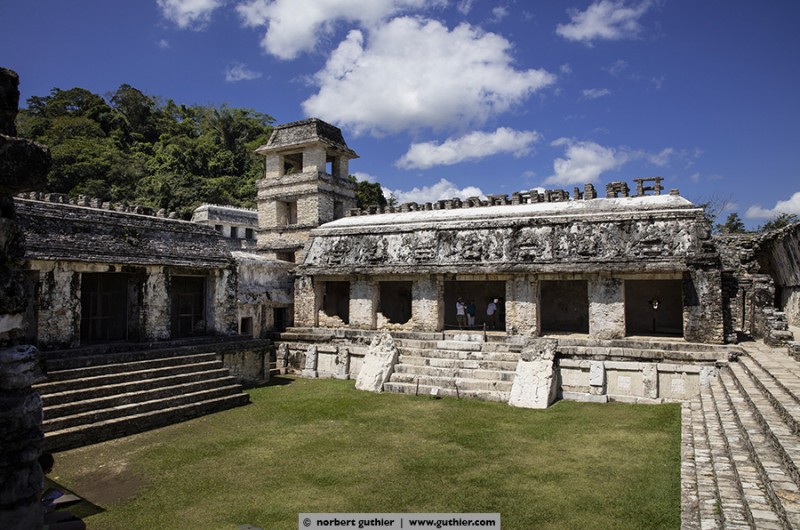
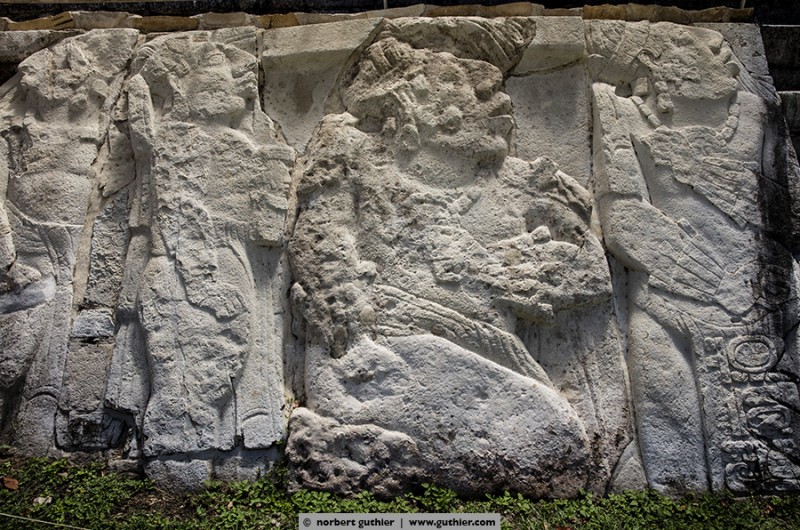
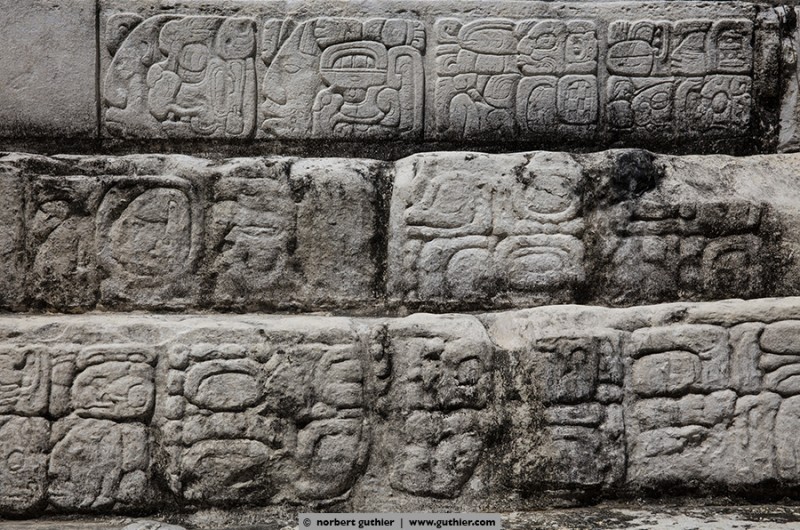
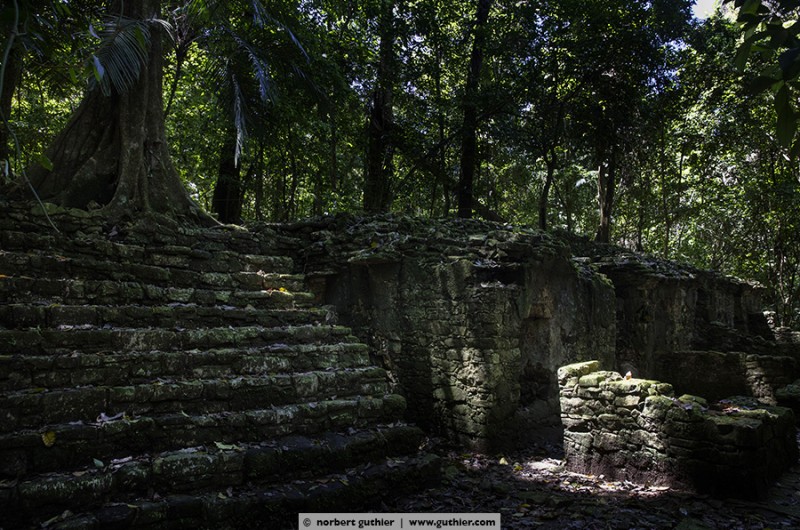
A very beautiful and well-known maya site is palenque which can also be seen in the number of visitors. The city was founded about 300 ad and and it got abandoned in 799 ad. It has not yet been clarified why the great exodus had happened. The most likely explanation is probably an ecological catastrophy. It has now been shown that in the years of 500 -1000 ad more and more stronger periods of droughts had happened and the land became increasingly deserted, because the mayans had cut down the rainforest for calcinating limestone. Probably up to 4 million mayas had lived in this area. The peasants were no longer able to provide enough food for the huge cities, hunger crises forced the survivors to leave the area. The knowledge of culture, writing and astronomy disappeared with them.